
Contents
Manufacturing Insight: Alloy Steel Price
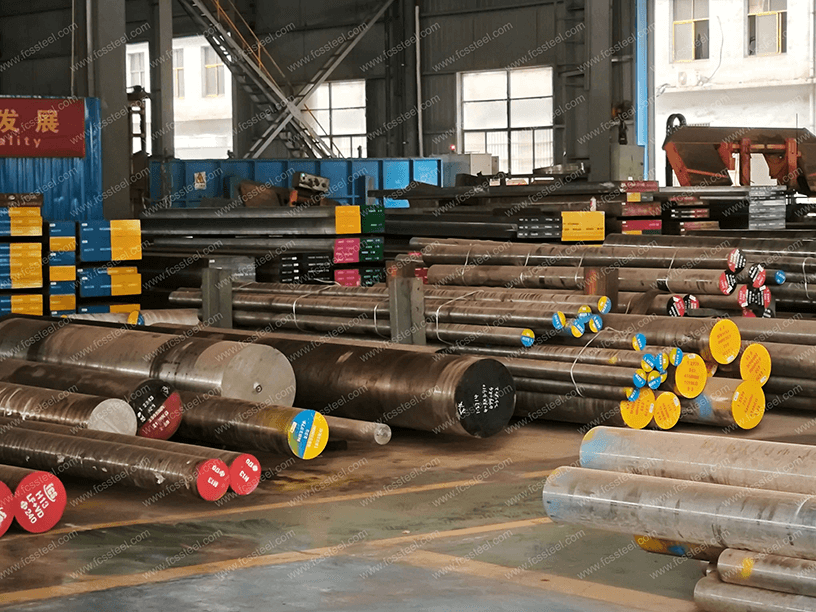
Manufacturing Insight: Understanding Alloy Steel Cost Structures in Precision CNC Machining
The term “alloy steel price” often misrepresents the true cost drivers in CNC-machined components. At Shenzhen Honyo Prototype, we emphasize that final project costs stem from material properties, machining complexity, and process efficiency—not merely raw material quotations. Alloy steels like 4140, 4340, and 8620 exhibit volatile base pricing due to fluctuating nickel, chromium, and molybdenum markets. However, secondary factors dominate total expenditure: hardenability requirements dictate heat treatment cycles, sulfur content affects chip evacuation efficiency, and section thickness influences stress-relief iterations. For instance, a 4340 gear blank requiring tight ±0.005mm tolerances may incur 30% higher costs than comparable low-alloy steel due to extended milling time and post-process inspection.
Material selection directly impacts manufacturability and cost stability. High-sulfur free-machining grades (e.g., 1144) reduce tool wear but compromise fatigue strength for critical applications. Conversely, vacuum-melted alloys like 300M minimize inclusions for aerospace components but demand stringent process controls. Honyo’s engineering team collaborates early with clients to balance performance needs against cost variables, leveraging real-time commodity data and predictive modeling to mitigate supply chain volatility. Our integrated approach identifies opportunities such as substituting pre-hardened steels to eliminate heat treatment steps—a tactic that routinely reduces lead times by 25% without sacrificing mechanical properties.
Honyo Prototype optimizes alloy steel projects through proprietary process refinements and strategic material partnerships. We maintain direct relationships with tier-1 mills across Asia and Europe, securing volume-based pricing stability even during market surges. Our CNC workflow incorporates adaptive machining strategies that dynamically adjust feeds/speeds based on material lot certifications, minimizing scrap from unexpected hardness variations. Below are key differentiators enabling cost predictability:
| Parameter | Honyo Standard | Impact on Alloy Steel Projects |
|————————-|————————-|———————————————-|
| Max Part Size | Ø650 x 1000mm | Enables single-setup machining of large housings, avoiding assembly costs |
| Tolerance Control | ±0.003mm (repeatability)| Reduces post-process grinding by 40% |
| Material Utilization | 92% average | Outperforms industry avg. (85%) via nest optimization |
| Heat Treatment Integration | In-house partnerships | Cuts lead time by 18 days vs. third-party |
| ISO Compliance | 9001:2015, AS9100D | Eliminates rework for aerospace/medical sectors |
Our technical team conducts comprehensive cost-breakdown analyses before project kickoff, isolating variables like raw material surcharges, secondary operation dependencies, and geometric complexity penalties. For a recent automotive transmission shaft in 4140 steel, this methodology identified $8,200 in avoidable costs through revised feature sequencing and alternative bar stock sizing. Honyo’s value lies not in quoting the lowest base material price, but in engineering resilient cost structures that withstand alloy market fluctuations while meeting exacting performance standards. Partner with us to transform material cost uncertainty into a controlled, predictable element of your precision manufacturing strategy.
Technical Capabilities
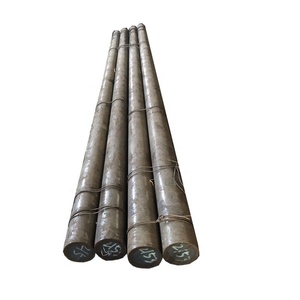
Technical Capabilities in Alloy Steel CNC Machining at Shenzhen Honyo Prototype
At Shenzhen Honyo Prototype, our advanced CNC machining capabilities are optimized for high-precision fabrication of alloy steel components. We specialize in 3-axis, 4-axis, and 5-axis milling operations, as well as precision turning, enabling us to deliver complex geometries with exceptional repeatability and surface integrity. Our expertise in machining alloy steels—such as 4140, 4340, and 8620—ensures that clients receive parts that meet stringent mechanical and dimensional requirements for aerospace, automotive, and industrial applications.
Alloy steel is selected for its enhanced strength, hardness, and wear resistance compared to carbon steel, making it ideal for high-stress environments. However, its increased toughness and hardenability present machining challenges that require optimized toolpaths, rigid setups, and specialized cutting tools. Our multi-axis CNC systems are equipped with high-torque spindles and dynamic tool compensation to maintain accuracy during prolonged machining cycles. This allows us to achieve tight tolerances consistently across both prototyping and low-to-mid volume production runs.
We maintain in-house metrology with CMM (Coordinate Measuring Machines), optical comparators, and surface roughness testers to verify conformance to specifications. Our quality management system ensures every alloy steel component undergoes rigorous inspection, particularly for critical dimensions and geometric tolerances.
Below is a summary of our machining capabilities and achievable tolerances for alloy steel materials:
| Operation | Axis Configuration | Typical Tolerance (mm) | Surface Roughness (Ra) | Common Alloy Steels Machined |
|——————-|——————–|————————|————————|——————————-|
| 3-Axis Milling | XYZ linear axes | ±0.010 | 1.6 – 3.2 µm | 4140, 4340, 8620 |
| 4-Axis Milling | XYZ + A-axis rotary| ±0.010 | 1.6 – 3.2 µm | 4140, 4340 |
| 5-Axis Milling | XYZ + dual rotary | ±0.005 | 0.8 – 1.6 µm | 4140, 4340, 300M |
| Precision Turning | 2-axis (XZ) | ±0.010 | 1.6 – 3.2 µm | 4140, 8620, 4130 |
| Tight Tolerance Machining | 3–5 axis | ±0.003 (critical features) | 0.8 µm (max) | 4140, 4340 (heat-treated) |
For tight tolerance features—such as bearing seats, mating surfaces, and hydraulic ports—we employ slow, controlled finishing passes with high-precision carbide tooling and real-time tool wear monitoring. Pre- and post-heat treatment machining strategies are applied based on part geometry and functional requirements, ensuring dimensional stability in service.
Our technical team collaborates closely with design engineers to recommend optimal stock allowances, feature simplifications, and material conditions (annealed vs. pre-hardened) to balance machinability and final performance. With full digital process documentation and traceability, Shenzhen Honyo Prototype delivers reliable, high-quality alloy steel components tailored to your precision demands.
From CAD to Part: The Process
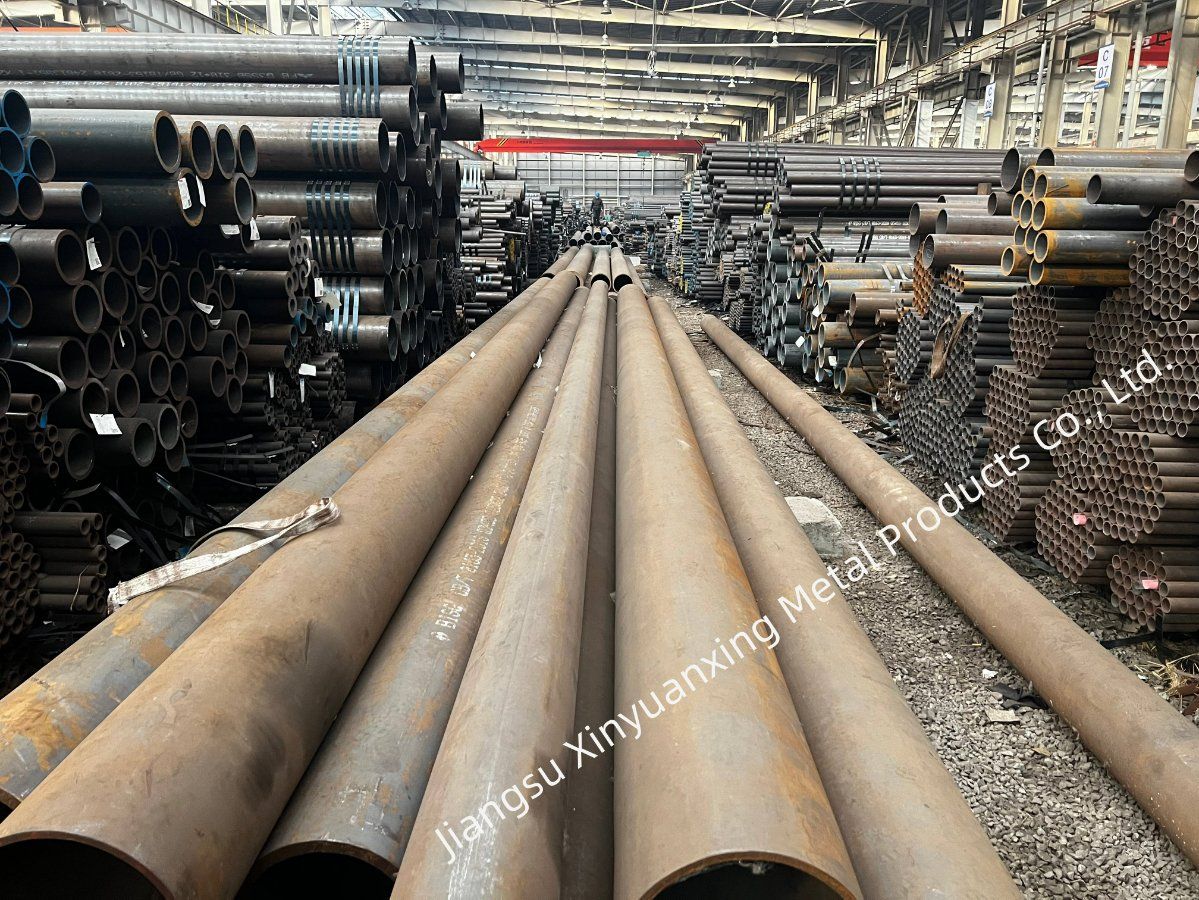
From CAD to Precision Part: Alloy Steel CNC Workflow at Honyo Prototype
At Shenzhen Honyo Prototype, our CNC machining process for alloy steel components transforms client CAD data into high-integrity finished parts through a rigorously defined workflow. This structured approach ensures cost efficiency, material integrity, and adherence to tight tolerances inherent to demanding alloy steel applications. Understanding this workflow is critical for clients to optimize designs for manufacturability and cost, directly influencing final pricing outcomes.
AI-Driven Quoting Phase
Initial project evaluation begins with our AI-powered quoting engine. This system analyzes submitted CAD geometry, material specifications (e.g., AISI 4140, 4340, or 8620), required tolerances, and surface finish requirements. Crucially, it factors in alloy steel-specific variables: material cost per kilogram, machinability ratings, anticipated tool wear, and secondary operation needs. The AI cross-references real-time alloy steel market data and historical machining performance metrics to generate an accurate, transparent preliminary quote within hours. This phase identifies potential cost drivers early, such as excessive stock removal or complex features in hardened alloys, allowing clients to make informed design decisions before commitment.
Engineering-Driven DFM Analysis
Following quote acceptance, our engineering team conducts a comprehensive Design for Manufacturability (DFM) review. For alloy steel, this focuses intensely on material behavior and process stability. Engineers verify feature geometry against the inherent challenges of machining high-strength, often heat-treated alloys—ensuring adequate tool access, appropriate wall thicknesses to prevent vibration, and optimal radii to minimize stress concentrations during cutting. Critical attention is given to tolerance stack-ups and datum schemes, as alloy steel’s thermal conductivity and hardness can amplify dimensional instability if not properly managed. We provide specific, actionable feedback on design modifications that reduce cycle time, minimize scrap risk on expensive material, and avoid secondary heat treatment complications, directly impacting final part cost and lead time.
Precision CNC Production Execution
Approved designs move to our climate-controlled production floor. Alloy steel machining employs rigorously maintained multi-axis CNC centers with high-torque spindles and specialized carbide tooling designed for tough materials. Processes are sequenced to manage heat generation and residual stress: roughing uses aggressive, interrupted-cut optimized parameters, while finishing employs precise, light passes with coolant strategies tailored to the specific alloy grade to prevent work hardening and ensure surface integrity. In-process inspections using CMMs verify critical dimensions after key operations, ensuring conformance before final heat treatment (if required) and finishing. Throughout, real-time monitoring tracks tool wear and vibration, automatically adjusting feeds/speeds to maintain quality and prevent costly material waste on high-value alloy steel blanks.
The table below illustrates typical machining parameter adjustments for common alloy steels, demonstrating how material properties dictate process economics:
| Alloy Steel Grade | Typical Hardness (HRC) | Max. Roughing Speed (SFM) | Finishing Feed (IPR) | Key Machining Challenge |
|——————-|————————|—————————|———————-|————————-|
| AISI 4140 (Annealed) | 18-22 | 250-300 | 0.004-0.008 | Built-up edge control |
| AISI 4340 (Q&T 300k) | 30-35 | 150-200 | 0.002-0.005 | High cutting forces, tool deflection |
| AISI 8620 (Carburized) | 58-62 (Surface) | 80-120 | 0.001-0.003 | Extreme tool wear, surface integrity |
This integrated workflow—from AI-informed quoting through engineering-led DFM to precision-controlled production—ensures Shenzhen Honyo Prototype delivers complex alloy steel components with predictable quality, minimized lead times, and optimal cost structure. By aligning design intent with material-specific manufacturing realities, we maximize yield and value for every client project.
Start Your Project
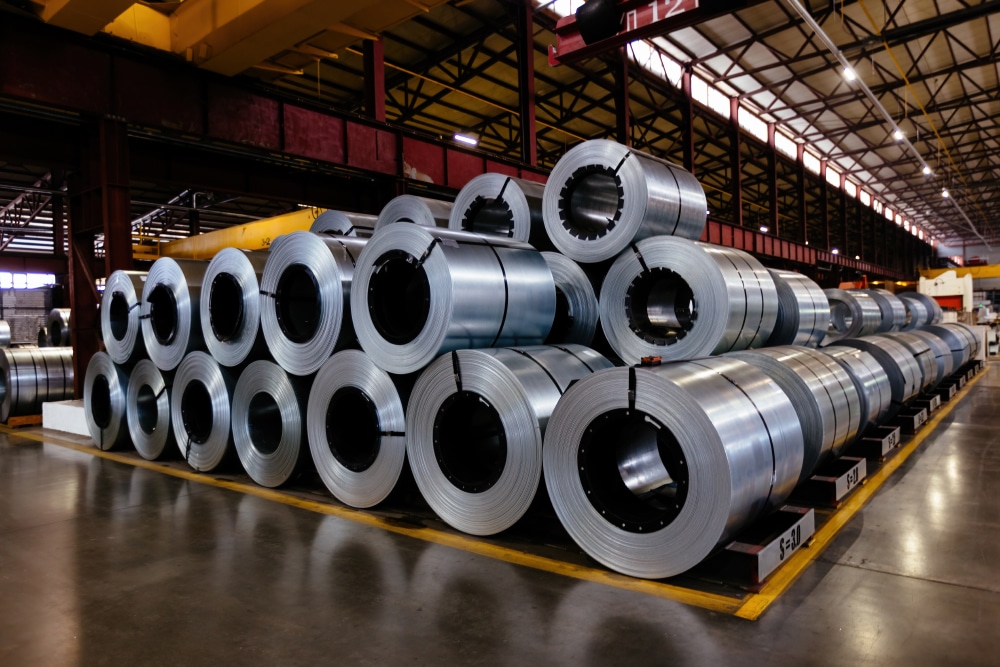
Start Your Project with Confidence: Precision CNC Machining in Alloy Steel
When it comes to CNC machining projects involving alloy steel, understanding material costs is just the beginning. At Shenzhen Honyo Prototype, we recognize that alloy steel pricing fluctuates based on grade, sourcing, machining complexity, and order volume. More importantly, we know that your priority isn’t just cost—it’s precision, turnaround time, and reliability. Whether you’re developing high-strength automotive components, industrial tooling, or aerospace prototypes, selecting the right alloy steel and machining partner can significantly impact your product’s performance and time to market.
Alloy steels such as 4140, 4340, and 8620 are favored for their enhanced mechanical properties, including improved hardness, wear resistance, and toughness. However, these benefits come with machining challenges—higher cutting forces, increased tool wear, and strict tolerance requirements. Our advanced CNC machining capabilities are optimized for these materials, ensuring consistent quality across prototypes and low-to-mid volume production runs.
To help you plan effectively, below are typical alloy steel grades we work with and their average material cost ranges. Note that final pricing includes material, machining time, finishing, and inspection.
| Alloy Steel Grade | Common Applications | Typical Tensile Strength (MPa) | Approx. Material Cost (USD/kg) |
|——————-|———————|——————————-|——————————-|
| 4140 | Shafts, gears, tooling | 655–1000 | $1.80 – $2.40 |
| 4340 | Aerospace, military parts | 745–1240 | $2.60 – $3.50 |
| 8620 | Carburized components | 530–760 | $1.90 – $2.50 |
| 1045 | General mechanical parts | 570–700 | $1.50 – $2.00 |
These figures are indicative and subject to market conditions. At Honyo Prototype, we provide detailed, transparent quotations that break down material, machining, and handling costs—ensuring no hidden fees and full traceability.
Our facility in Shenzhen is equipped with multi-axis CNC machining centers, CMM inspection systems, and a dedicated team of manufacturing engineers who specialize in high-performance metals. We support international clients with rapid prototyping, DFMA analysis, and scalable production solutions—all under ISO 9001-certified processes.
Starting your project with us is simple. Share your CAD files, specifications, and volume requirements, and we’ll deliver a comprehensive quote within 24 hours. Our engineering team is available to advise on material selection, design optimization, and cost-reduction strategies tailored to alloy steel applications.
Contact Susan Leo today to discuss your alloy steel machining needs. With over a decade of experience in precision manufacturing, Susan leads client engagement and ensures every project meets the highest standards of quality and efficiency. Reach out via email at info@hy-proto.com to initiate your quote, request design feedback, or schedule a technical consultation.
At Shenzhen Honyo Prototype, we don’t just machine parts—we partner in innovation. Let us help you turn your design into a high-performance reality with confidence, speed, and precision.
🚀 Rapid Prototyping Estimator
Get a rough estimate for CNC/3D Printing costs.