
Contents
Manufacturing Insight: 3003 H14 Aluminum
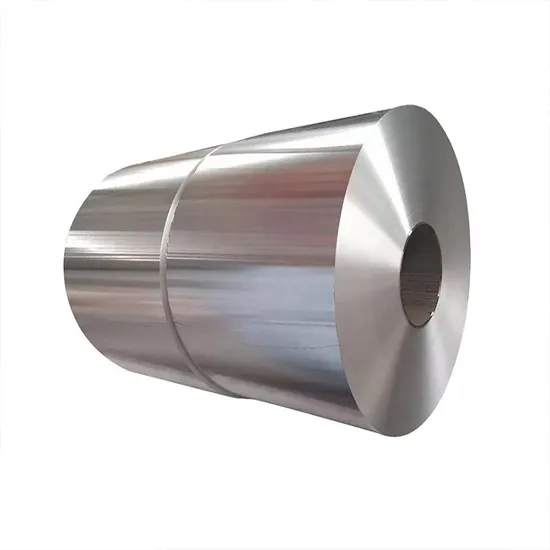
Manufacturing Insight: 3003 H14 Aluminum for Precision CNC Machining
Aluminum alloy 3003 in the H14 temper represents a versatile and widely utilized material within the prototyping and low-volume production landscape, particularly suited for applications demanding good formability, weldability, and moderate strength combined with excellent corrosion resistance. As a manganese-alloyed non-heat-treatable aluminum, 3003 H14 offers a balanced property profile distinct from higher-strength series like 6061 or 7075. Its inherent characteristics make it a cost-effective solution for components operating in mildly corrosive environments, such as chemical processing equipment housings, fluid handling systems, heat exchangers, and general industrial fixtures where extreme structural loads are not the primary design driver. Understanding the specific behavior of 3003 H14 during CNC machining is crucial for achieving optimal results, dimensional accuracy, and surface integrity.
The H14 temper designation signifies the material has been strain-hardened to a half-hard condition, providing a defined baseline of mechanical properties essential for predictable machining performance. Unlike heat-treatable alloys, 3003 derives its strength solely from cold working, eliminating concerns about thermal distortion during processing but requiring careful management of machining-induced stresses to prevent part warpage, especially in thin-walled geometries. Machinability is generally rated as fair to good; however, its relatively soft and gummy nature compared to some free-machining alloys necessitates specific strategies. Optimized tool geometries with positive rake angles, sharp cutting edges, aggressive chip evacuation techniques, and controlled feed rates are critical to minimize built-up edge, ensure clean cuts, and maintain tight tolerances. Coolant selection and application are equally important to manage heat generation and prevent material adhesion to the tool. At Honyo Prototype, our deep material science expertise translates into refined CNC machining parameters specifically dialed for 3003 H14. We leverage high-precision 3-axis and 5-axis mills capable of holding tolerances down to ±0.005 mm, utilizing specialized toolpath strategies and rigid setups to counteract the material’s tendency towards chatter and deflection. Our process includes meticulous in-process inspection using calibrated CMMs and surface roughness testers to guarantee specifications are met, routinely achieving surface finishes down to Ra 0.8 μm when required.
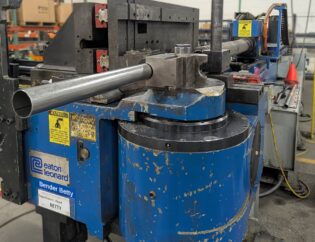
Beyond machining, Honyo Prototype provides integrated secondary capabilities critical for 3003 H14 components, including precision TIG and MIG welding with appropriate filler alloys (typically 4043 or 5356), bending, and forming services. We understand the importance of post-machining treatments; while 3003 H14 cannot be heat-treated for strengthening, stress relief annealing is a standard offering to ensure dimensional stability for critical assemblies. Our quality management system encompasses comprehensive material certification traceability and optional ASTM B557 tensile testing to validate mechanical properties against the supplied mill test reports.
Key Mechanical Properties of 3003 H14 Aluminum
| Property | Typical Value | Test Standard |
| :———————– | :——————- | :———— |
| Tensile Strength (min) | 165 MPa (24 ksi) | ASTM B209 |
| Yield Strength (0.2% offset, min) | 120 MPa (17.5 ksi) | ASTM B209 |
| Elongation in 50mm (min) | 10% | ASTM B209 |
| Brinell Hardness (500 kg) | 45 HB | ASTM E10 |
| Electrical Conductivity | ~40% IACS | ASTM E1004 |
| Typical Density | 2.73 g/cm³ | ASTM B9 |
Selecting 3003 H14 requires careful consideration of the application’s strength, formability, and corrosion resistance needs against potential alternatives. At Honyo Prototype, we partner with clients during the design phase to evaluate material suitability, offering actionable DFM feedback to optimize part geometry for efficient and cost-effective 3003 H14 machining, ensuring your prototype or production run meets both performance and budgetary objectives.
Technical Capabilities
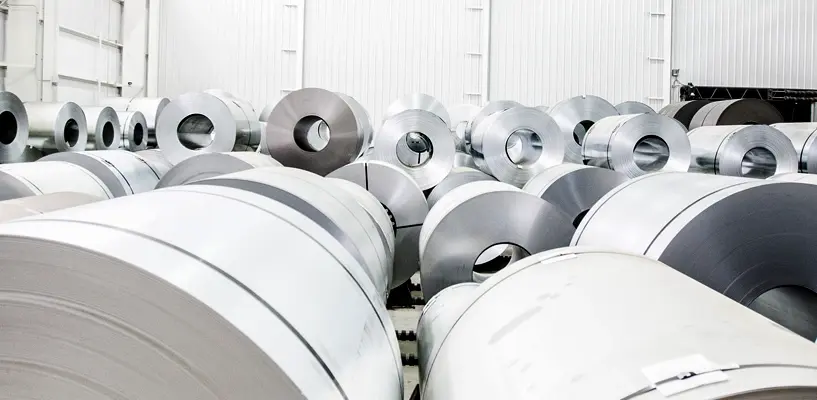
3003 H14 Aluminum – CNC Machining Capabilities at Shenzhen Honyo Prototype
Shenzhen Honyo Prototype specializes in high-precision CNC machining of aluminum alloys, with extensive expertise in processing 3003 H14 aluminum for demanding industrial, aerospace, and commercial applications. This alloy, known for its excellent formability, moderate strength, and superior corrosion resistance, is ideal for components requiring deep drawing, welding, and tight-tolerance machining. Our advanced 3-axis, 4-axis, and 5-axis CNC milling centers, combined with precision turning equipment, allow us to deliver complex geometries and consistent quality in 3003 H14 aluminum parts.
3003 H14 aluminum is a manganese-alloyed non-heat-treatable grade, offering approximately 20% greater strength than commercially pure aluminum (1100). The H14 temper indicates strain-hardened and partially annealed condition, providing a balanced combination of workability and mechanical performance. This makes it particularly suitable for applications involving heat exchangers, tanks, ductwork, and intricate enclosures where both structural integrity and manufacturability are critical.
Our CNC machining capabilities support a full range of operations on 3003 H14 aluminum, including multi-sided milling, cavity machining, thread cutting, and precision turning. The alloy’s soft yet stable nature allows for excellent surface finish and chip control, enabling high-speed machining without compromising dimensional accuracy. We utilize optimized toolpaths, carbide tooling, and in-process probing to maintain consistency across prototypes and low-to-mid volume production runs.
Tight-tolerance machining is a core strength at Honyo Prototype. Our equipment and quality systems are calibrated to achieve and verify tolerances down to ±0.005 mm (±0.0002″) on critical dimensions. We implement rigorous first-article inspection and statistical process control (SPC) to ensure every component meets or exceeds customer specifications.
The following table outlines our standard machining capabilities and achievable tolerances for 3003 H14 aluminum:
| Parameter | Specification |
|——————————-|————————————————|
| Material | 3003 H14 Aluminum |
| Tensile Strength (min) | 135 MPa (19.6 ksi) |
| Yield Strength (min) | 110 MPa (16.0 ksi) |
| Elongation at Break (min) | 10% (in 50 mm) |
| Hardness (Brinell) | 35–45 HB |
| Machining Processes | 3-Axis, 4-Axis, 5-Axis CNC Milling, CNC Turning |
| Standard Tolerance (milling) | ±0.025 mm (±0.001″) |
| Tight Tolerance (achievable) | ±0.005 mm (±0.0002″) with inspection reporting |
| Surface Finish (typical) | Ra 0.8 – 3.2 µm (32 – 125 µin) |
| Minimum Wall Thickness | 0.8 mm (0.031″) |
| Max Part Size (milling) | 800 x 600 x 400 mm (31.5 x 23.6 x 15.7 in) |
| Max Part Size (turning) | Ø500 mm x 600 mm long |
| Inspection Equipment | CMM, Optical Comparator, Micrometers, Calipers |
At Shenzhen Honyo Prototype, we combine material expertise with advanced CNC technology to deliver reliable, repeatable results in 3003 H14 aluminum. Our engineering team supports DFM feedback to optimize part design for manufacturability, minimizing cost and lead time without sacrificing precision.
From CAD to Part: The Process
3003 H14 Aluminum CNC Machining Production Process: From CAD to Part
At Shenzhen Honyo Prototype, our CNC machining workflow for 3003 H14 aluminum ensures precision, efficiency, and adherence to material-specific requirements. This soft, non-heat-treatable alloy offers excellent workability and corrosion resistance but demands specific handling due to its tendency for work hardening and built-up edge formation. Our standardized three-phase process guarantees optimal outcomes for client prototypes and low-volume production.
The workflow initiates with the AI-Powered Quoting System. Upon receiving the client’s CAD file, our proprietary AI engine performs an immediate technical assessment. It analyzes geometric complexity, dimensional tolerances, feature density, and critical surfaces against the known properties of 3003 H14. The system automatically identifies potential manufacturability risks inherent to this alloy, such as thin-wall instability or deep cavity machining challenges where work hardening accelerates. Crucially, it calculates precise material yield, machine time estimates based on optimized 3003 H14 cutting parameters, and provides a transparent, data-driven quotation within minutes, setting clear expectations.
Following quote acceptance, the project enters the Critical DFM (Design for Manufacturability) Review. Our senior manufacturing engineers conduct a hands-on analysis, focusing explicitly on 3003 H14’s characteristics. We scrutinize the design for features prone to vibration or chatter during machining, assess the feasibility of required surface finishes given the alloy’s softness, and verify that wall thicknesses prevent distortion. Common recommendations include adjusting internal corner radii to reduce tool stress, specifying appropriate chamfers instead of sharp edges to mitigate burring, and confirming that critical dimensions avoid areas susceptible to springback. This collaborative phase ensures the design fully leverages 3003 H14’s advantages while eliminating costly iterations. Key material properties guiding this review are summarized below.
| Property | Value for 3003 H14 Aluminum | Significance in CNC Machining |
| :———————– | :————————– | :———————————————— |
| Typical Hardness (HB) | 35 – 45 | Lower wear resistance; requires sharp tools, moderate feeds |
| Thermal Conductivity | ~190 W/m·K | Efficient heat dissipation but necessitates consistent coolant |
| Tensile Strength (MPa) | 110 – 135 | Prone to deflection; requires secure fixturing |
| Elongation (%) | 15 – 25 | Good ductility but increases burr formation risk |
| Machinability Rating | Fair (Relative to 2011=100) | Requires optimized speeds/feeds, high-pressure coolant |
The approved design then moves to Precision CNC Production. All 3003 H14 machining occurs on our calibrated, high-rigidity CNC mills and lathes. Programs utilize material-specific toolpaths: lower surface speeds (SFM) than harder alloys, higher feed rates to prevent rubbing and work hardening, and strict adherence to climb milling where possible. We employ sharp, polished carbide end mills with specialized coatings (e.g., TiAlN) and high-pressure through-spindle coolant to manage heat and evacuate soft, stringy chips effectively. In-process inspections at critical stages verify dimensional stability, especially on thin features, and surface integrity. Final parts undergo rigorous first-article inspection against the CAD model and client specifications, including verification of critical tolerances and surface finishes achievable with 3003 H14. This integrated workflow, deeply informed by 3003 H14’s metallurgical behavior, ensures Honyo delivers dimensionally accurate, structurally sound aluminum prototypes meeting stringent B2B requirements.
Start Your Project
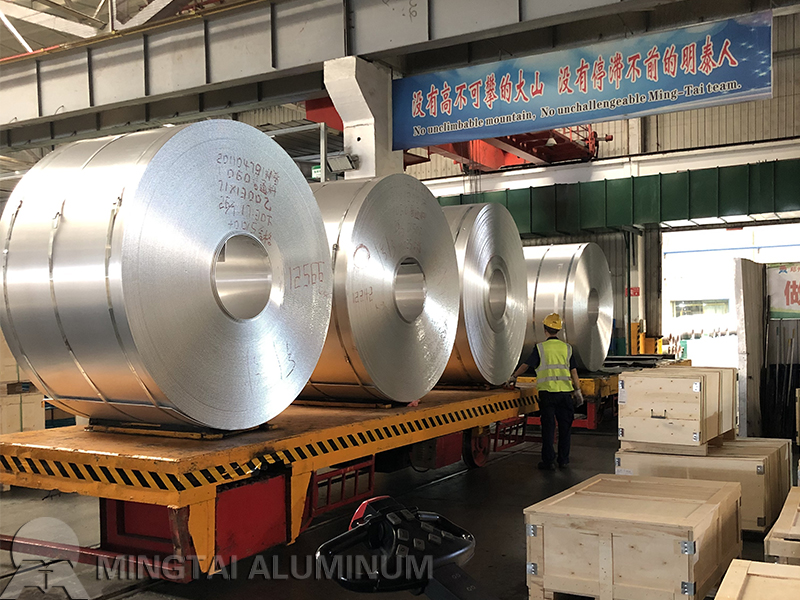
Optimize Your CNC Machining Project with 3003 H14 Aluminum – Partner with Shenzhen Honyo Prototype
When it comes to precision CNC machining, selecting the right aluminum alloy is critical to achieving optimal performance, formability, and cost-efficiency. At Shenzhen Honyo Prototype, we specialize in high-accuracy manufacturing using 3003 H14 aluminum—a versatile, corrosion-resistant alloy ideal for applications requiring moderate strength, excellent workability, and reliable performance in both structural and non-structural environments.
3003 H14 aluminum is a manganese-alloyed grade that offers improved strength over commercially pure aluminum while maintaining superior ductility and weldability. Its temper designation, H14, indicates it has been strain-hardened and partially annealed to achieve a stable balance between hardness and machinability. This makes it a preferred choice for components in HVAC systems, cooking utensils, chemical storage tanks, and architectural trim—applications where dimensional stability and resistance to environmental degradation are essential.
At Honyo Prototype, we understand that successful CNC machining starts with material expertise. Our engineering team evaluates every aspect of 3003 H14 aluminum—from its tensile strength to chip formation behavior—to ensure clean cuts, tight tolerances, and minimal tool wear. Whether you’re prototyping a single component or scaling to low-volume production, our advanced 3-, 4-, and 5-axis CNC machines deliver micron-level precision with consistent repeatability.
We also recognize that project success depends on more than machinery—it requires collaboration. From initial design review to final inspection, our engineers work closely with clients to optimize part geometry, reduce material waste, and accelerate time-to-market. Our in-house capabilities include precision milling, turning, deburring, and surface finishing, all performed under strict quality control protocols compliant with ISO standards.
To help you make an informed decision, here are the key mechanical and physical properties of 3003 H14 aluminum:
| Property | Value |
|—————————–|————————————-|
| Alloy Designation | 3003 H14 |
| Tensile Strength | 130 – 160 MPa |
| Yield Strength | 110 MPa (min) |
| Elongation at Break | 10% (in 2″) |
| Hardness (Brinell) | 35 – 45 HB |
| Density | 2.73 g/cm³ |
| Melting Range | 643 – 654°C |
| Thermal Conductivity | 193 W/m·K |
| Electrical Conductivity | 40% IACS |
| Machinability Rating | 70% (relative to 360 brass) |
These characteristics make 3003 H14 aluminum particularly suitable for deep-drawing operations, brazing, and applications exposed to mild corrosive environments. However, proper tool selection and cutting parameters are essential to prevent work hardening and maintain surface integrity during CNC processing—areas where our technical team excels.
Starting your project with the right partner ensures a seamless transition from concept to finished part. If you’re considering 3003 H14 aluminum for your next CNC machining project, we invite you to connect with Susan Leo, our dedicated manufacturing consultant. With years of experience in prototype development and material optimization, Susan will guide you through material selection, design for manufacturability, and production planning.
Contact Susan Leo today at info@hy-proto.com to discuss your project requirements. At Shenzhen Honyo Prototype, we don’t just manufacture parts—we engineer solutions. Let us help you turn your design into a high-performance reality.
🚀 Rapid Prototyping Estimator
Get a rough estimate for CNC/3D Printing costs.