
Contents
Manufacturing Insight: All-Electric Injection Molding Machine
Manufacturing Insight: All-Electric Injection Molding Technology at Honyo Prototype
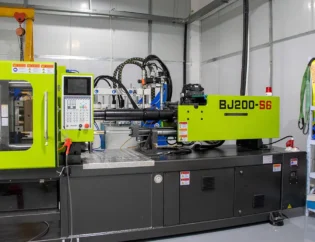
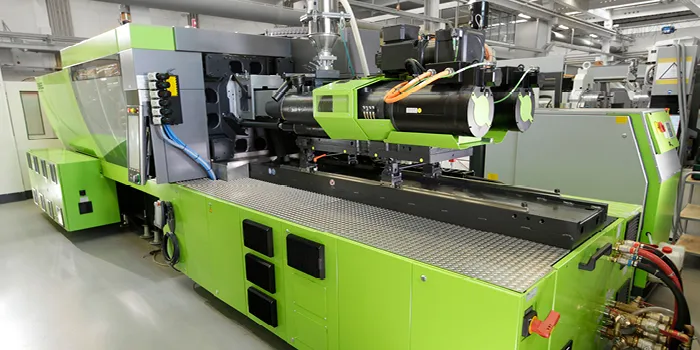
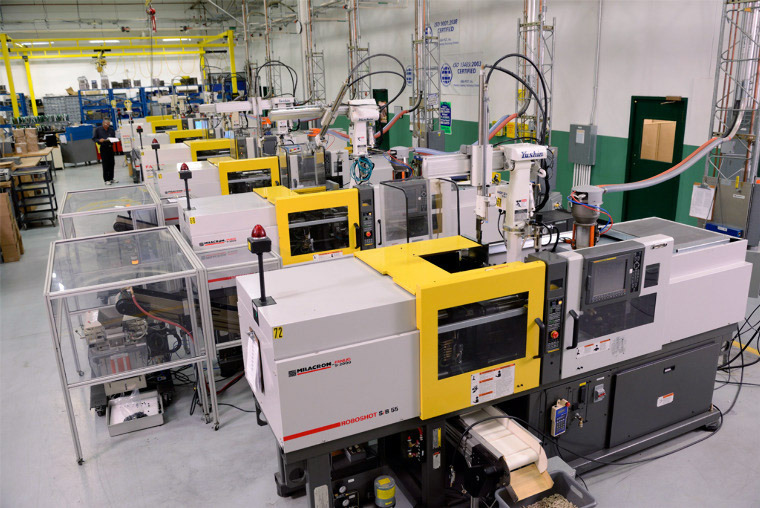
Shenzhen Honyo Prototype leverages advanced all-electric injection molding machines as a cornerstone of our rapid tooling and prototyping services. This technology represents a significant evolution from traditional hydraulic systems, offering unparalleled precision, efficiency, and control essential for producing high-fidelity prototypes and low-volume production parts. Understanding its capabilities is critical for clients seeking accelerated development cycles without compromising on part quality or consistency.
The fundamental advantage of all-electric systems lies in their use of servo-motors for all primary motions—clamping, injection,塑化, and ejection—eliminating hydraulic fluid and associated components. This design inherently delivers superior repeatability, often achieving sub-micron level consistency in critical dimensions over extended production runs. The precise closed-loop control of servo-motors enables exact replication of complex injection profiles, gate seal timing, and packing pressure. This is indispensable for molding intricate geometries, thin walls, or materials with tight processing windows common in modern prototype applications. Furthermore, the absence of hydraulic oil eliminates risks of thermal drift and contamination, ensuring stable process performance from the first shot to the last.
Energy efficiency is another defining characteristic. All-electric machines consume power only during active motion phases, resulting in typical energy savings of 30-50% compared to equivalent hydraulic models. This reduction directly lowers operational costs and supports sustainable manufacturing practices, a growing priority for our global clientele. The clean, oil-free operation also minimizes maintenance requirements and creates a safer, cleaner production environment, crucial for sensitive applications like medical or electronics prototyping.
At Honyo Prototype, we strategically deploy state-of-the-art all-electric platforms, specifically the NEX Series, optimized for the rapid tooling workflow. These machines integrate seamlessly with our in-house mold making and process validation systems, enabling rapid setup changes and precise parameter replication. Our engineering team utilizes the granular process data captured by these systems to fine-tune cycles for maximum part quality and minimal cycle time, directly accelerating our clients’ time-to-market. The combination of speed, precision, and energy efficiency makes this technology ideal for producing functional prototypes, bridge tooling parts, and initial production batches where accuracy and repeatability are non-negotiable.
Key specifications of our primary all-electric molding platforms are summarized below:
| Parameter | Model NEX-80A | Model NEX-220A | Model NEX-350A |
| :—————– | :———— | :————- | :————- |
| Clamp Force (Tons) | 80 | 220 | 350 |
| Max. Shot Size (cm³) | 110 | 460 | 1100 |
| Screw Diameter (mm) | 22 | 35 | 50 |
| Molding Area (mm) | 330 x 330 | 460 x 460 | 560 x 560 |
| Energy Consumption | Very Low | Low | Moderate |
Honyo Prototype’s commitment to deploying and mastering all-electric injection molding technology underscores our dedication to providing clients with the most advanced, efficient, and precise rapid manufacturing solutions available. This capability ensures your prototypes and initial production parts meet the highest standards of quality and consistency, directly supporting faster validation and successful product launch. Contact our engineering team to discuss how this technology can benefit your specific project requirements.
Technical Capabilities
Technical Capabilities: All-Electric Injection Molding at Shenzhen Honyo Prototype
At Shenzhen Honyo Prototype, our all-electric injection molding platform represents the pinnacle of precision, repeatability, and energy efficiency in rapid tooling and low-to-mid volume production. Designed specifically to support rapid turnaround for prototyping and bridge tooling applications, our state-of-the-art machines deliver consistent, high-quality molded parts with tight dimensional control and superior surface finish. These machines are fully optimized for use with both steel and aluminum molds, enabling rapid deployment of tooling with minimal setup time and maximum process stability.
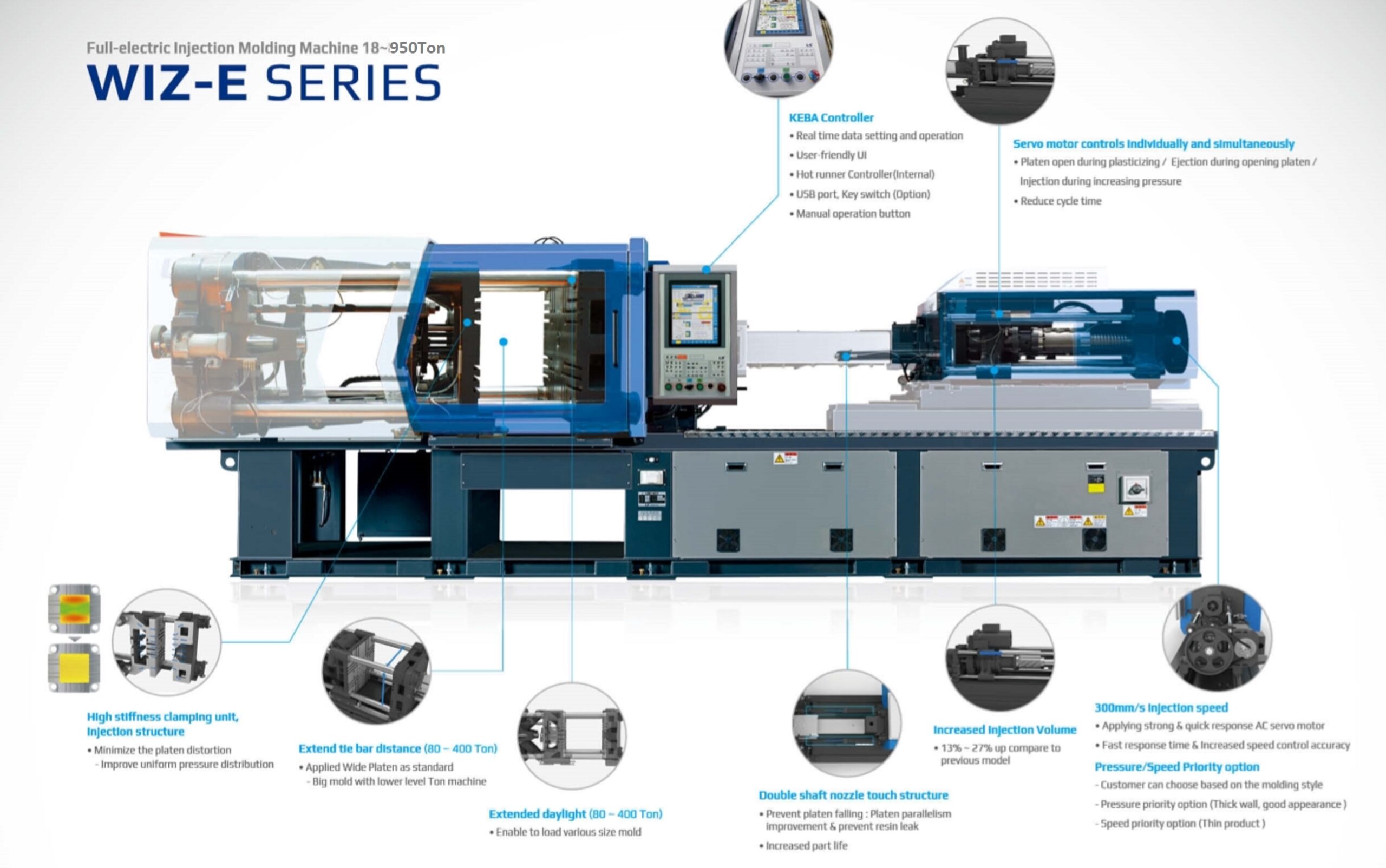
Our all-electric systems eliminate the variability associated with hydraulic systems by using servo-driven mechanisms for injection, clamping, and ejection. This results in precise control over shot volume, pressure, and cycle timing, which is critical when producing complex geometries or thin-walled components. The absence of hydraulic fluid reduces maintenance requirements and ensures a cleaner operating environment—ideal for medical, consumer electronics, and optical applications where contamination must be minimized.
A key advantage of our all-electric platform is the ability to achieve T1 sample parts within 7 days of mold completion. This rapid turnaround is made possible through streamlined workflows, in-house mold fabrication, and advanced process validation protocols. Our engineering team leverages real-time process monitoring and closed-loop control to fine-tune parameters during initial runs, ensuring first-article parts meet design intent and functional requirements.
We support a wide range of engineering-grade thermoplastics, including ABS, PC, PP, PA6, POM, and PBT, with options for glass-filled and flame-retardant grades. Material compatibility is verified during mold design to prevent warpage, sink, or flow-related defects. Machine specifications are tailored to accommodate part sizes up to 350 mm × 300 mm with part weights ranging from 1 g to 300 g, ensuring flexibility across diverse product categories.
The following table outlines key technical specifications, achievable tolerances, and supported materials for our all-electric injection molding process:
| Parameter | Specification |
|——————————-|———————————————-|
| Clamping Force | 150–350 tons |
| Screw Diameter | 25–50 mm |
| Injection Pressure | Up to 200 MPa |
| Shot Weight (PS) | 80–400 g |
| Maximum Mold Size | 700 mm × 600 mm |
| Mold Thickness Range | 200–500 mm |
| Cycle Time (Typical) | 15–45 seconds |
| Position Repeatability | ±0.01 mm |
| Dimensional Tolerance (Standard) | ±0.05 mm (up to 50 mm), ±0.1% (over 50 mm) |
| Surface Finish Options | SPI-S1, SPI-A2, VDI 3400 textures, polish to #1200 |
| Supported Mold Materials | P20, 718H, H13, NAK80 (Steel); 7075, 6061 (Aluminum) |
| Supported Resins | ABS, PC, PP, PA6, POM, PBT, PMMA, PEI, PSU, and filled variants |
All molds are designed and manufactured in-house using CNC machining and wire EDM, ensuring tight alignment and optimal cooling channel placement. Our all-electric molding cells are integrated with automated part removal and in-process inspection tools, further enhancing consistency and reducing lead time. Shenzhen Honyo Prototype’s commitment to precision, speed, and technical excellence makes us a trusted partner for engineering teams requiring rapid validation and scalable production readiness.
From CAD to Part: The Process
From CAD to Part: Streamlined Workflow for All-Electric Injection Molding at Honyo Prototype
Honyo Prototype leverages advanced all-electric injection molding technology to deliver rapid, high-precision plastic parts. Our integrated workflow, spanning from initial CAD data to final part delivery, ensures efficiency, quality, and cost-effectiveness for rapid tooling projects. This process eliminates traditional bottlenecks through data-driven automation and stringent engineering controls.
The workflow initiates with our proprietary AI-powered quoting engine. Upon receiving customer CAD geometry and material specifications, the system instantly analyzes part complexity, projected cycle times, and material consumption. It cross-references this data against our extensive database of historical machine performance and material behavior, generating an accurate, transparent quote within minutes. This eliminates manual estimation delays and provides immediate project feasibility insight, allowing clients to make informed decisions rapidly.
Following quote acceptance, the Design for Manufacturability (DFM) phase is critical. Our engineering team conducts a rigorous, collaborative DFM review using the validated CAD model. We assess wall thickness uniformity, gate location suitability, draft angles, potential sink marks, and ejection strategies specific to the capabilities of our all-electric platforms. Crucially, this review incorporates machine-specific constraints and optimization opportunities inherent to electric drive systems, such as precise screw positioning and energy-efficient pressure profiles. Client feedback is integrated iteratively during this stage to resolve potential issues before tool fabrication, preventing costly revisions and production delays. This proactive engineering ensures the mold design is optimized for speed, quality, and longevity on our equipment.
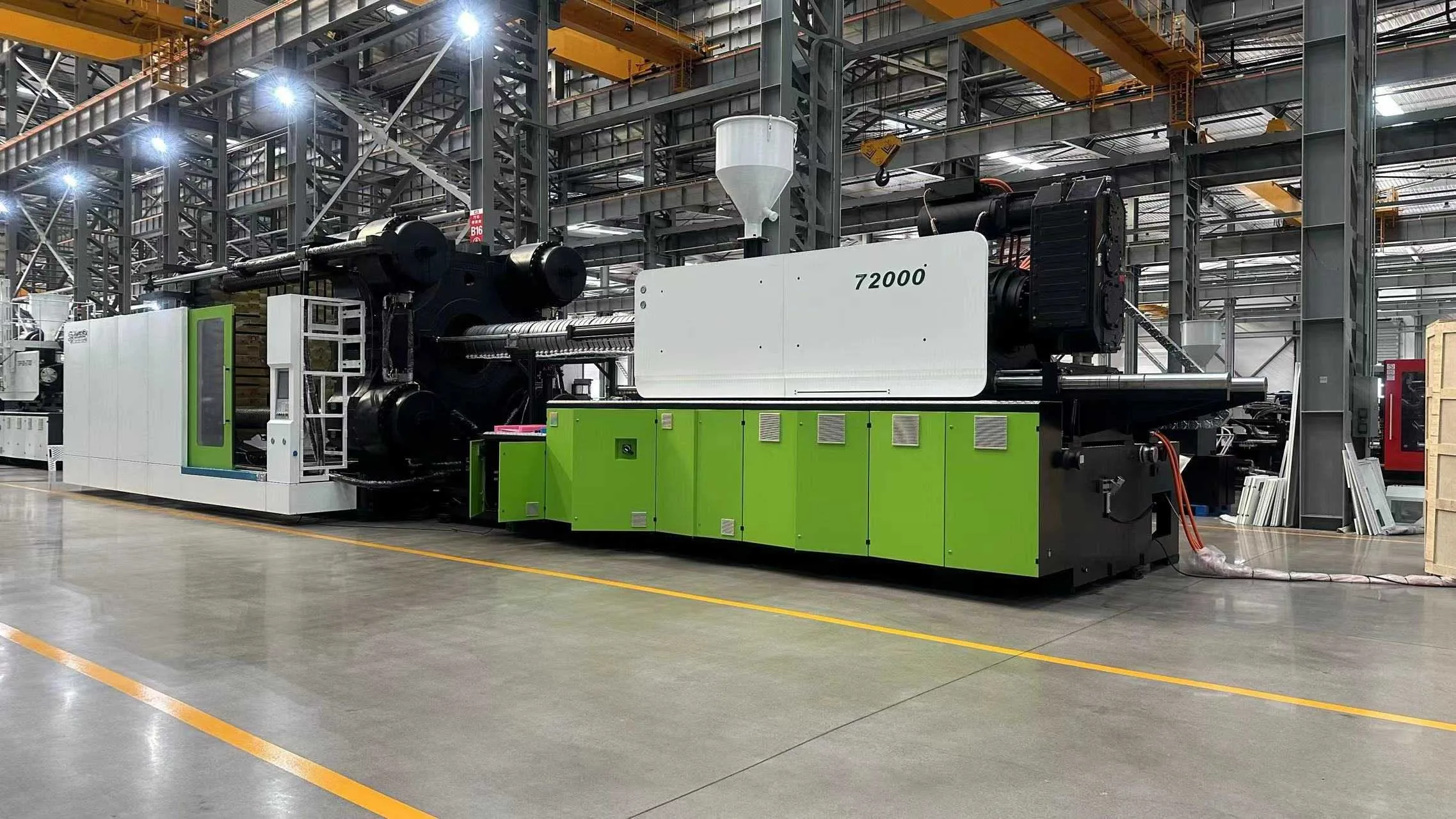
Production commences with mold mounting on a dedicated all-electric injection molding machine. These machines provide the exceptional repeatability, responsiveness, and energy efficiency required for rapid prototyping and low-volume production. Key specifications of our standard production platforms include:
| Parameter | Typical Range (Honyo HY-200 Series) | Significance for Rapid Tooling |
| :—————– | :———————————- | :————————————– |
| Clamping Force | 80 – 500 Tons | Supports small to medium complex molds |
| Max. Shot Size | 80 – 450 cm³ | Ideal for prototype and bridge tooling |
| Position Repeatability | ±0.01 mm | Ensures dimensional consistency |
| Energy Consumption | 30-50% less vs. hydraulic | Lowers per-part cost, sustainable |
| Cycle Time Control | ±0.05 sec | Maximizes throughput predictability |
Process parameters are meticulously developed using cavity pressure monitoring and scientific molding principles. The all-electric machine’s superior control over injection speed, pressure, and screw rotation enables precise replication of the validated process window. Real-time data acquisition tracks critical metrics like melt temperature consistency and fill time, ensuring every part meets stringent quality standards. Final parts undergo dimensional verification and visual inspection against the original CAD model before shipment.
This seamless CAD-to-part workflow, underpinned by AI automation, proactive DFM, and the precision of all-electric molding, allows Honyo Prototype to consistently deliver functional prototypes and low-volume production parts faster and with higher fidelity than conventional approaches. The result is reduced time-to-market and minimized risk for our clients’ new product development cycles.
Start Your Project
Start Your Project with Precision and Speed Using All-Electric Injection Molding Technology
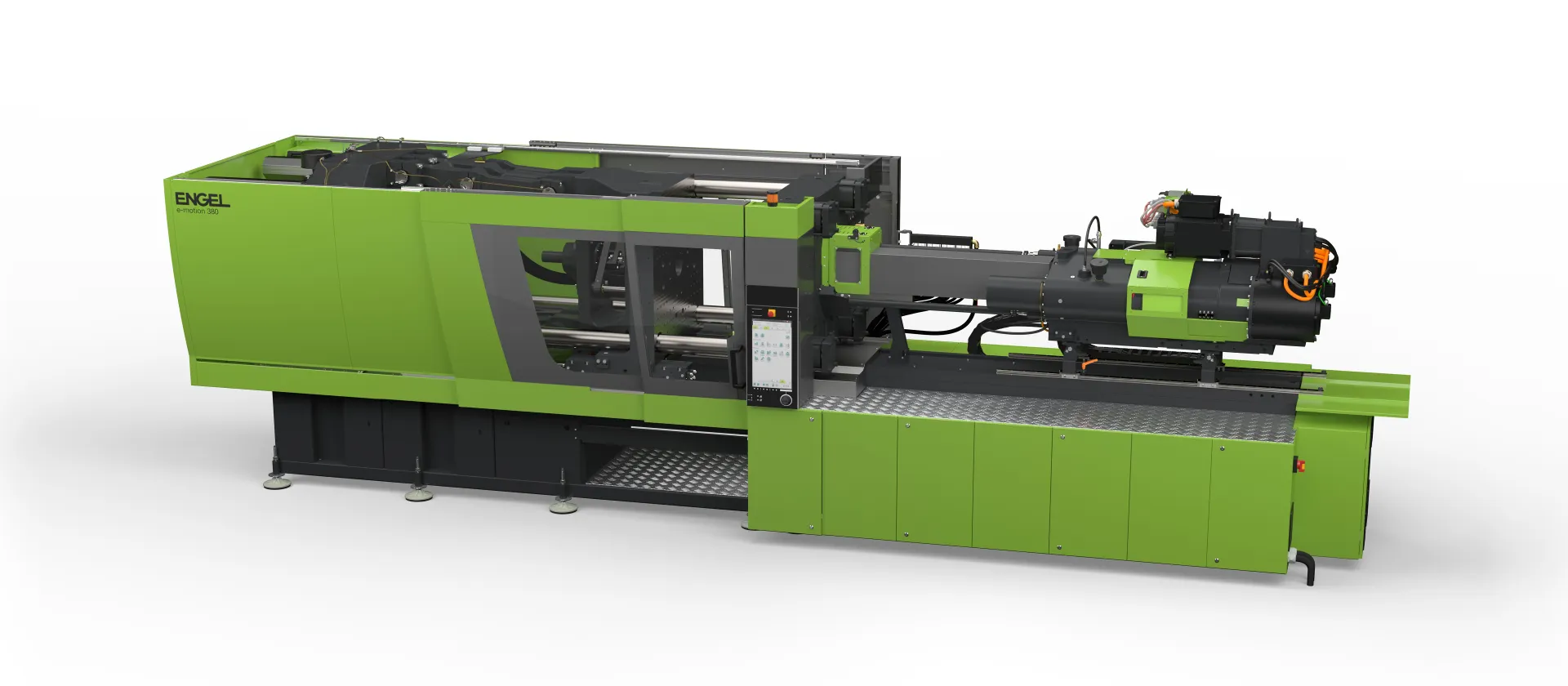
At Shenzhen Honyo Prototype, we specialize in rapid tooling and high-precision injection molding solutions tailored for product developers, engineers, and design innovators. Our state-of-the-art all-electric injection molding machines deliver unmatched repeatability, energy efficiency, and process control—making them the ideal choice for prototyping, bridge production, and low-to-medium volume manufacturing.
If you’re ready to move from concept to physical part with confidence, our team is here to support you from day one. Whether you’re developing a medical device, consumer electronics housing, automotive component, or industrial prototype, our all-electric platform ensures tight tolerances, minimal material waste, and faster cycle times compared to traditional hydraulic systems.
The core advantage of our all-electric systems lies in their precision. With servo-driven mechanisms controlling injection, clamping, and ejection, we achieve consistent part quality across runs. This level of control is critical when producing complex geometries or thin-walled components where even minor variations can impact performance.
We understand that time-to-market is essential. That’s why our rapid tooling process—paired with advanced molding technology—enables delivery of functional prototypes in as little as 7–10 days. Our in-house capabilities include mold design, CNC-machined aluminum or steel tooling, process validation, and full production support, all managed under strict quality protocols.
To ensure optimal outcomes, our engineering team collaborates directly with clients during project initiation. We review part geometry, material selection, surface finish requirements, and production volume to recommend the best approach for tooling and processing parameters.
Below is an overview of the technical capabilities of our all-electric injection molding platform:
| Specification | Detail |
|———————————–|———————————————|
| Clamping Force Range | 80–300 tons |
| Screw Diameter Range | 25–50 mm |
| Injection Pressure | Up to 2,000 bar |
| Maximum Shot Weight (PS) | 120–600 grams |
| Mold Size Limit (L×W×H) | Up to 600 × 600 × 300 mm |
| Position Repeatability | ±0.01 mm |
| Materials Supported | ABS, PC, PP, PE, PA (Nylon), POM, PMMA, PBT, and filled grades |
| Cycle Time Reduction vs. Hydraulic| Up to 35% faster |
| Energy Consumption | 30–50% lower than hydraulic machines |
All projects begin with a detailed technical consultation to align on objectives, timelines, and quality expectations. Our goal is not just to manufacture parts—but to become your trusted partner in product realization.
Contact Susan Leo today at info@hy-proto.com to start your project. Include your 3D model (STEP or IGES), material preference, quantity requirements, and any special finish or tolerance notes. We respond to all inquiries within 12 business hours and provide a detailed project quote with timeline and tooling options.
With Honyo Prototype, you gain more than a manufacturer—you gain precision, speed, and engineering expertise committed to your success. Let’s build what’s next—together.
🚀 Rapid Prototyping Estimator
Get a rough estimate for CNC/3D Printing costs.