
Contents
Manufacturing Insight: Alloy Steel Price
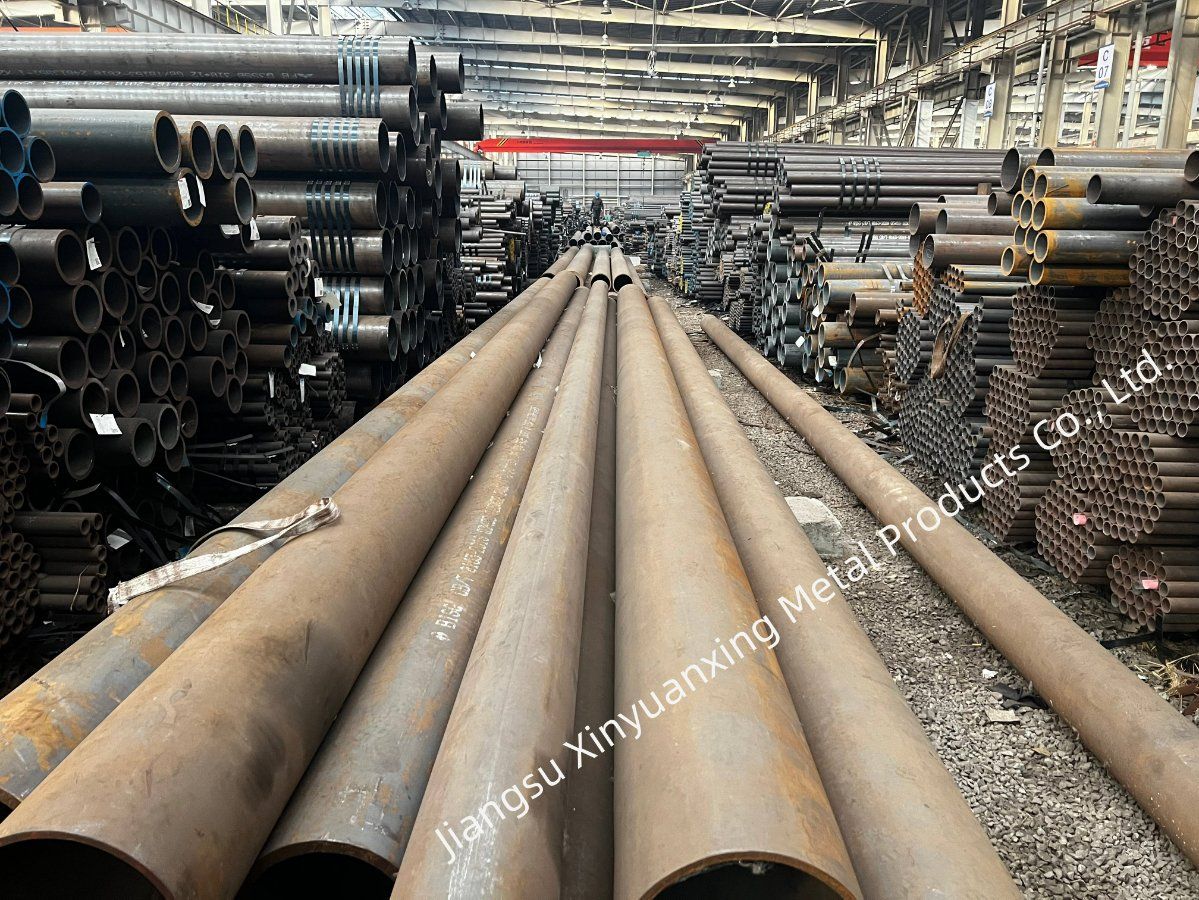
Understanding Alloy Steel Pricing for Precision Manufacturing
Accurate alloy steel pricing is a critical factor in budgeting for high-performance components across aerospace, automotive, and industrial sectors. Fluctuations in raw material costs, machining complexity, and volume requirements directly impact total project expenditure. At Honyo Prototype, we recognize that transparent, real-time material costing is essential for informed decision-making in competitive manufacturing environments.
Honyo’s CNC Machining Excellence
Our ISO 9001-certified facility specializes in precision CNC machining of alloy steels—including 4140, 4340, and 8620—to stringent tolerances (±0.0002″). Leveraging advanced 5-axis milling, turning centers, and in-house metallurgical analysis, we optimize material utilization and minimize waste, ensuring cost efficiency without compromising structural integrity or fatigue resistance. This technical proficiency translates to predictable pricing for mission-critical applications where material performance is non-negotiable.
Accelerate Sourcing with Online Instant Quote
Eliminate procurement delays with Honyo’s Online Instant Quote platform. Upload your alloy steel part drawings in minutes to receive a detailed, no-obligation cost breakdown—including material, machining, and finishing—within hours. Our system dynamically factors in current alloy steel market rates, geometric complexity, and lead time requirements, providing actionable data to streamline your supply chain.
Partner with Honyo Prototype to transform alloy steel pricing from a variable into a strategic advantage. Access precision, transparency, and speed—start your project with a quote today.
Technical Capabilities
The term “alloy steel price” refers to the cost associated with machining or material procurement for components made from alloy steel, but in the context of precision manufacturing services such as 3/4/5-axis milling and turning with tight tolerances, pricing is influenced by technical specifications, material type, complexity, and required accuracy. Below is a technical comparison of machining characteristics and relative pricing factors for common materials including Aluminum, Steel (specifically alloy steel), ABS, and Nylon, when processed using advanced CNC techniques.
| Material | Machinability Rating | Typical Tolerance (±) | Surface Finish (Ra, µm) | Axis Compatibility | Relative Machining Cost | Key Considerations |
|---|---|---|---|---|---|---|
| Aluminum (6061-T6) | High | 0.005 mm | 0.8 – 3.2 | 3/4/5-Axis | Low to Moderate | Excellent for high-speed milling; lightweight and corrosion-resistant; ideal for tight tolerance work with minimal tool wear |
| Alloy Steel (4140, 4340) | Moderate | 0.010 mm | 1.6 – 6.3 | 3/4/5-Axis | High | Requires rigid setup and carbide tooling; higher cutting forces and heat generation; post-machining treatments may be needed |
| ABS (Thermoplastic) | High | 0.050 mm | 3.2 – 6.3 | 3/4-Axis | Low | Low melting point; prone to tool chatter and burring; not suitable for high-temp environments; used for prototypes and non-structural parts |
| Nylon (PA6, PA66) | Moderate | 0.050 mm | 3.2 – 6.3 | 3/4-Axis | Moderate | Hygroscopic; requires pre-drying; flexible and tough; low friction; used in wear-resistant components; dimensional stability can be a challenge |
Notes on Machining Process and Pricing Drivers:
3/4/5-axis milling and turning centers enable complex geometry production with high precision. The use of multi-axis systems reduces setup time and increases repeatability, especially critical when holding tight tolerances (±0.005 mm to ±0.012 mm). Alloy steel components typically command higher prices due to slower cutting speeds, increased tool wear, and often required heat treatment or stress relief steps.
Aluminum remains the most cost-effective for high-precision, complex parts due to its favorable strength-to-weight ratio and machinability. ABS and Nylon are generally used for non-metallic prototypes or functional parts where metal properties are not required, offering lower machining costs but with reduced dimensional stability and thermal performance.
Pricing for alloy steel machining services at Honyo Prototype reflects material cost, machine time, tooling wear, inspection complexity (e.g., CMM verification), and secondary operations. Tight tolerance requirements (IT6–IT7) significantly impact cost, especially in steel due to required precision metrology and process control.
From CAD to Part: The Process
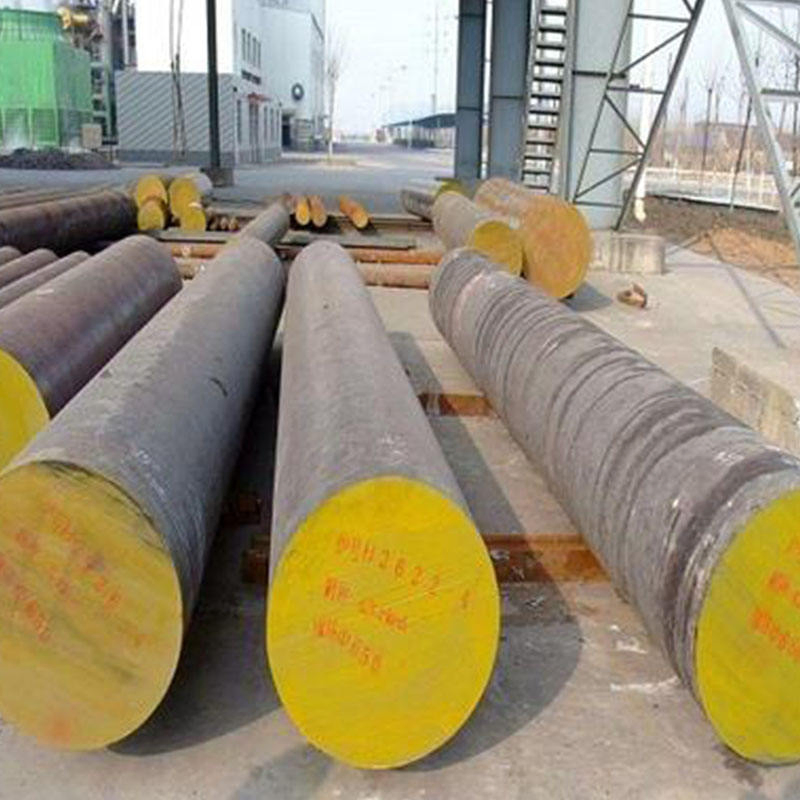
Honyo Prototype Alloy Steel Pricing Process Overview
Honyo Prototype employs a rigorous, integrated workflow to ensure accurate alloy steel pricing while maintaining manufacturability and delivery certainty. This process eliminates quoting ambiguities common in rapid prototyping by embedding material science and production constraints into each stage. Below is a technical breakdown of the sequence:
Upload CAD
Clients submit detailed 3D CAD models (STEP, IGES, or native formats) via our secure portal. Our system validates geometry integrity, identifies critical features requiring alloy steel properties (e.g., high-stress zones, wear surfaces), and flags unsupported tolerances per ISO 2768-mK standards. Material specifications (e.g., AISI 4140, 4340, or custom grades) must be explicitly defined; if omitted, Honyo defaults to AISI 1045 for initial quoting with engineering consultation.
AI Quote Generation
Our proprietary AI engine processes the CAD data using real-time inputs: live scrap/metal index feeds (LME, CRU), alloy-specific surcharge calculations, and historical machining cost databases. The algorithm isolates variables unique to alloy steel:
Material cost drivers: Base steel price + nickel/chromium/molybdenum premiums + heat treatment premiums
Processing penalties: Hardness-dependent tool wear rates, reduced cutting speeds vs. mild steel, and post-machining stress-relief requirements
Quotes are generated within 2 business hours, itemizing material, machining, secondary operations (e.g., nitriding), and a risk-adjusted contingency for complex geometries.
DFM Analysis
A dedicated manufacturing engineering team conducts formal Design for Manufacturability review within 24 hours of quote acceptance. For alloy steel components, this phase specifically addresses:
Elimination of non-value-added hardening (e.g., recommending normalized 4140 instead of pre-hardened if yield strength >850 MPa is unnecessary)
Geometric simplifications to avoid grinding-intensive features (e.g., chamfering sharp radii to enable milling)
Heat treatment sequencing to prevent distortion (e.g., rough-machining before quenching)
Clients receive a formal DFM report with cost-impact analysis; revisions typically reduce total costs by 15–22% for alloy steel parts.
Production Execution
Approved designs enter our climate-controlled production floor with strict alloy steel protocols:
Material traceability via mill test reports (EN 10204 3.1)
Dedicated tooling for alloy steels (carbide inserts with TiAlN coating, reduced feed rates vs. carbon steel)
In-process hardness verification (Rockwell C testing at critical sections)
Stress-relief baking at 550–650°C for parts >50mm thick per AMS 2759/3
Delivery Assurance
Shipments include full documentation:
Dimensional inspection report (CMM data for critical GD&T callouts)
Material certification with chemical composition and mechanical properties
Heat treatment records (soak time/temperature logs)
Alloy steel components undergo final visual inspection for surface integrity (per ASTM E3022) before packaging in VCI paper to prevent corrosion during transit. Standard lead time is 10–15 business days from DFM approval, with expedited options for emergency orders.
Key Pricing Differentiation
Unlike competitors quoting based solely on volume, Honyo’s process captures true alloy steel cost drivers. The table below illustrates how our method prevents hidden cost escalation:
| Cost Factor | Typical Competitor Approach | Honyo Prototype Methodology |
|---|---|---|
| Material Volatility | Fixed price locked at quote | Dynamic surcharge adjustment clause based on LME closing price 3 days pre-production |
| Heat Treatment | Bundled into base rate | Separately quoted with tolerance-specific validation (e.g., ±50 μm distortion allowance) |
| Tool Wear | Estimated via generic rates | Calculated using AISI-specific machinability index (e.g., 4140 = 66% of B1112 baseline) |
| Secondary Operations | Omitted in initial quote | Integrated via DFM (e.g., specifying HVOF coating only on wear surfaces) |
This closed-loop process ensures clients receive predictable alloy steel pricing with zero cost overruns due to design or material complexities. All quoted prices include Honyo’s 100% on-time delivery guarantee backed by real-time production tracking.
Start Your Project
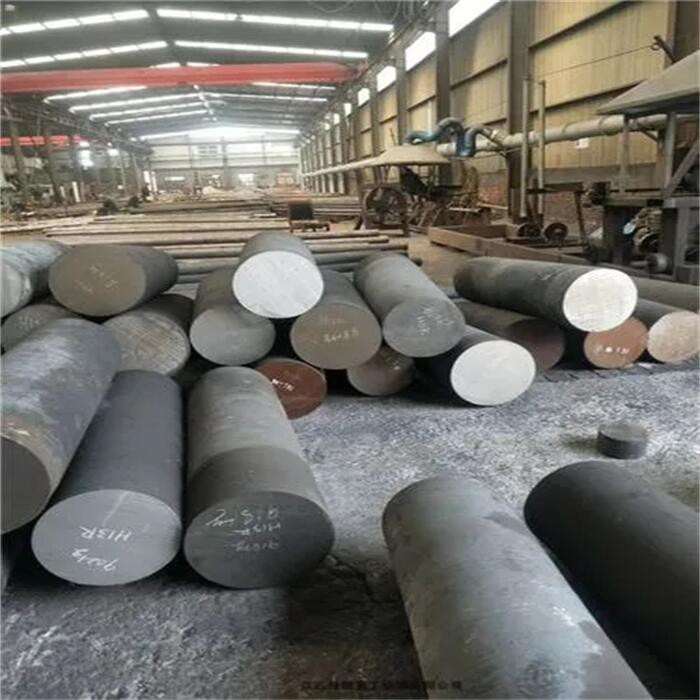
Looking for competitive pricing on alloy steel? Contact Susan Leo at info@hy-proto.com for detailed quotes and material specifications. As a trusted manufacturing partner based in Shenzhen, Honyo Prototype offers high-quality alloy steel solutions tailored to your production needs. Reach out today to discuss your project and leverage our in-house capabilities for faster turnaround and cost efficiency.
🚀 Rapid Prototyping Estimator
Estimate rough cost index based on volume.