
Contents
Manufacturing Insight: Aluminum Plating Options
Manufacturing Insight: Aluminum Plating Options for CNC Machined Components
Aluminum’s natural oxide layer presents unique challenges for surface engineering, requiring specialized plating processes to achieve enhanced corrosion resistance, wear performance, and aesthetic consistency in precision CNC machined parts. At Shenzhen Honyo Prototype, we address these challenges through rigorously controlled plating methodologies that maintain dimensional integrity while optimizing functional properties. Unlike steel substrates, aluminum demands meticulous pre-treatment—including zincating or stannate immersion—to prevent oxide regrowth and ensure metallurgical adhesion. Our ISO 9001-certified facility implements industry-proven techniques validated for aerospace, medical, and industrial automation applications where reliability is non-negotiable.
The primary plating options for aluminum fall into three technical categories, each serving distinct engineering requirements. Anodizing remains the most prevalent solution, electrochemically thickening the native oxide layer into a porous, corrosion-resistant structure that accepts dyes for color-coding or branding. Hard anodizing (Type III) delivers exceptional abrasion resistance for high-wear components like hydraulic pistons, while chromate conversion coatings provide a conductive, corrosion-inhibiting base for electronic housings without altering critical dimensions. Electroless nickel plating offers superior lubricity and electromagnetic shielding but requires precise pH control during deposition to avoid peeling on aluminum alloys. Honyo’s process selection prioritizes substrate compatibility—2000/7000-series alloys demand tailored pre-treatments compared to 6061-T6—to prevent hydrogen embrittlement or interfacial delamination.
We standardize critical parameters through in-house spectrometry and salt spray validation per ASTM B117, ensuring repeatability across production runs. Below outlines our core capabilities and technical specifications:
| Process | Typical Thickness Range | Key Properties | Common Applications |
|————————|————————-|———————————————|———————————–|
| Sulfuric Anodizing (Type II) | 5–25 μm | Moderate wear resistance, dyeable, 300+ hrs salt spray | Enclosures, consumer hardware |
| Hard Anodizing (Type III) | 25–100 μm | 60–70 HRC hardness, 1000+ hrs salt spray | Aerospace fittings, military parts |
| Chromate Conversion | 0.5–4 μm | Non-conductive, RoHS-compliant, 168+ hrs salt spray | EMI shields, electrical brackets |
| Electroless Nickel (NiP) | 12–50 μm | Uniform deposition, solderable, 500+ hrs salt spray | Hydraulic valves, semiconductor tooling |
Honyo Prototype’s technical advantage lies in integrated process control from CNC machining to final inspection. Our plating baths undergo real-time monitoring of temperature, specific gravity, and contaminant levels, while automated rack designs minimize fixture marks on complex geometries. For mission-critical components, we provide cross-section microscopy and adhesion testing per ASTM D3359, ensuring coating integrity down to the micron level. Clients receive full documentation traceable to AMS 2469, MIL-A-8625, and ISO 10074 standards, enabling seamless compliance with OEM validation protocols. By aligning plating selection with functional requirements—not just cost—we eliminate field failures and extend product lifecycle in demanding operational environments. Partner with Honyo to transform aluminum prototypes into production-ready solutions with engineered surface performance.
Technical Capabilities
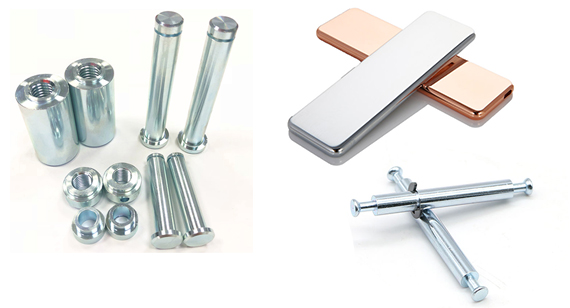
Aluminum Plating Options in CNC Machining at Shenzhen Honyo Prototype
At Shenzhen Honyo Prototype, we specialize in precision CNC machining services, including advanced aluminum plating options tailored to meet the demanding requirements of aerospace, automotive, medical, and industrial applications. Our expertise in 3-axis, 4-axis, and 5-axis milling, combined with precision turning capabilities, enables us to deliver complex geometries with tight tolerances and superior surface finishes. When aluminum components require enhanced durability, wear resistance, or corrosion protection, we offer a range of plating solutions that maintain dimensional accuracy and structural integrity.
Aluminum is inherently corrosion-resistant due to its natural oxide layer; however, for applications exposed to harsh environments or requiring electrical conductivity, improved hardness, or aesthetic finishes, plating becomes essential. We support multiple plating processes compatible with aluminum substrates, including hard anodizing, electroless nickel plating (NiP), and chrome plating. Each method is selected based on functional requirements such as load-bearing capacity, thermal stability, or regulatory compliance.
Hard anodizing (Type III anodizing) is one of the most common plating choices for aluminum components subjected to wear and abrasion. This electrolytic passivation process thickens the natural oxide layer, achieving surface hardness up to 60–70 HRC. It also improves corrosion resistance and allows for dyeing in various colors for identification purposes. Our CNC-machined aluminum parts undergo precise masking and fixturing to ensure uniform coating thickness and maintain critical dimensions within tight tolerance zones.
Electroless nickel plating provides a uniform, pore-free metallic coating with excellent lubricity and moderate corrosion resistance. Unlike electroplated deposits, NiP coatings are chemically deposited, ensuring consistent thickness even on complex geometries produced via 5-axis milling. This makes it ideal for components requiring EMI shielding or brazing preparation. We apply NiP in thickness ranges from 5 to 25 µm, with post-plate baking to minimize hydrogen embrittlement risks.
For high-wear environments, chrome plating over a nickel undercoat offers exceptional surface hardness and low friction. While less common on aluminum due to adhesion challenges, our proprietary pre-treatment processes ensure robust bonding and long-term reliability.
All plated components undergo rigorous inspection using coordinate measuring machines (CMM) and surface profilometers to verify conformance to specifications. Our quality management system complies with ISO 9001 standards, ensuring repeatable results across prototyping and low-volume production runs.
Below is a summary of available plating options, compatible materials, and achievable tolerances:
| Plating Process | Compatible Aluminum Alloys | Typical Coating Thickness | Dimensional Tolerance (Post-Plate) | Key Properties |
|———————–|—————————-|—————————-|————————————-|—————-|
| Hard Anodizing (Type III) | 6061, 7075, 2024 | 12–50 µm | ±0.01 mm | High hardness, wear & corrosion resistance, electrical insulation |
| Electroless Nickel (NiP) | 6061, 7075 | 5–25 µm | ±0.01 mm | Uniform deposit, moderate hardness, solderability, EMI shielding |
| Decorative Chrome | 6061 (with Ni undercoat) | 0.25–1 µm | ±0.02 mm | Aesthetic finish, low friction, moderate corrosion resistance |
Our technical team collaborates closely with clients during the design-for-manufacturability (DFM) phase to recommend optimal plating methods based on application demands, ensuring performance, reliability, and cost-efficiency across all CNC-machined aluminum components.
From CAD to Part: The Process
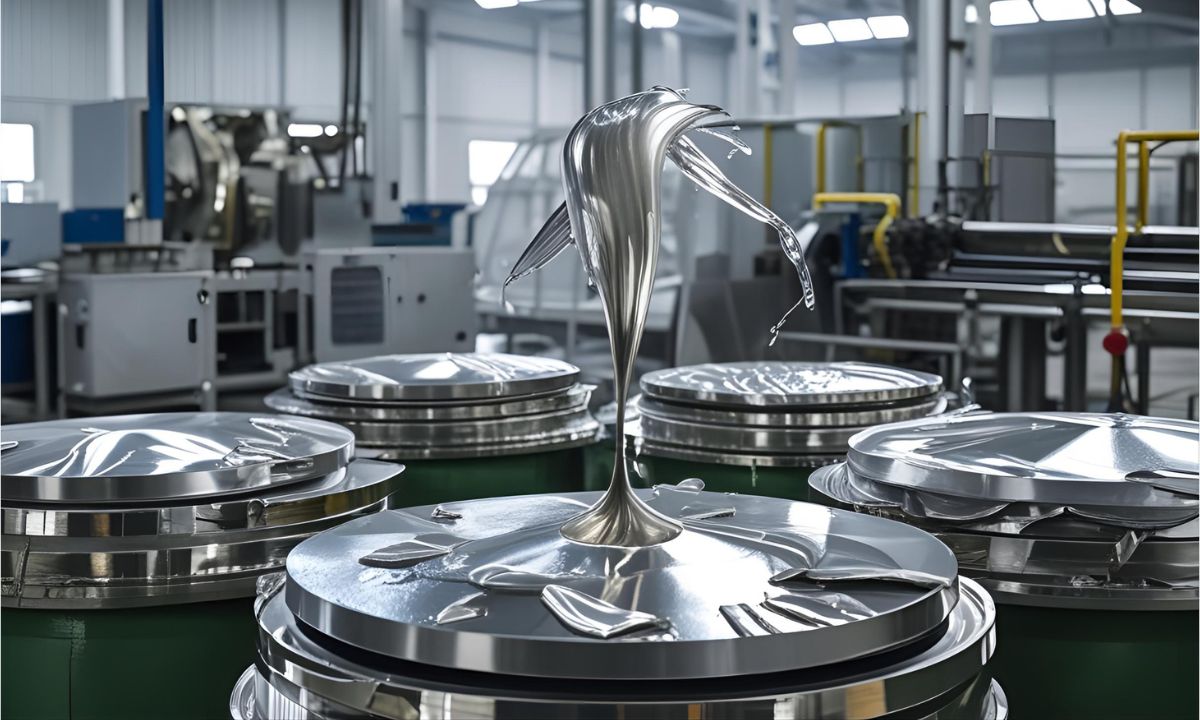
Aluminum Plating Integration in CNC Machining Workflow
At Shenzhen Honyo Prototype, aluminum plating is strategically embedded within our end-to-end CNC machining process to ensure dimensional integrity, corrosion resistance, and surface functionality. Our workflow begins with CAD file submission and progresses through three rigorously controlled phases: AI-Powered Quoting, Design for Manufacturability (DFM) analysis, and precision production. This structured approach minimizes rework and guarantees plating compatibility from digital design to finished component.
The AI Quote phase leverages machine learning to instantly evaluate CAD geometry against plating requirements. Our system cross-references alloy type (e.g., 6061-T6, 7075), critical tolerances, and specified plating methods against historical production data. It flags potential conflicts such as insufficient draft angles for rack masking, thread interference from plating buildup, or material incompatibilities. Clients receive real-time cost and lead time estimates with plating-specific constraints highlighted, enabling informed design adjustments before order commitment.
During DFM validation, our engineering team conducts a granular review focused on plating feasibility. Key checks include verifying minimum wall thickness to prevent warpage during anodizing baths, identifying optimal rack contact points to avoid cosmetic defects, and confirming masking requirements for threaded features or precision bores. We assess whether specified plating thickness (e.g., 12–25μm for Type II anodizing) aligns with functional tolerances. Any conflicts trigger collaborative redesign suggestions via our secure client portal, reducing iteration cycles by up to 40% compared to industry averages.
Production execution follows a closed-loop sequence: CNC machining → precision deburring → alkaline cleaning → plating → quality verification. Machined parts undergo ultrasonic cleaning to remove contaminants prior to plating. Our plating lines are calibrated for aerospace and medical-grade specifications, with real-time monitoring of bath chemistry, temperature, and current density. Critical parameters for common aluminum plating options are maintained as follows:
| Plating Type | Thickness Range | Key Properties | Typical Applications |
|———————–|—————–|—————————————–|—————————-|
| Sulfuric Acid Anodize | 5–25 μm | Wear/corrosion resistance, dyeable | Aerospace brackets, enclosures |
| Chromate Conversion | 0.5–4 μm | Electrical conductivity, corrosion seal | Military electronics, fasteners |
| Hard Anodize (Type III)| 25–100 μm | Extreme abrasion resistance, thermal stability | Hydraulic components, tooling |
Post-plating, parts undergo salt spray testing (ASTM B117), adhesion verification per MIL-A-8625, and dimensional reinspection using CMMs. Final certification packages include plating thickness reports, bath validation logs, and material traceability data. This integrated workflow ensures aluminum components meet stringent industry standards while maintaining the geometric accuracy inherent to Honyo’s CNC machining process. Clients receive fully documented, functionally validated parts—eliminating field failures and accelerating time-to-market.
Start Your Project
Aluminum Plating Options for CNC Machined Components
When it comes to high-performance CNC machined parts, surface treatment plays a critical role in enhancing durability, corrosion resistance, and aesthetic quality. At Shenzhen Honyo Prototype, we specialize in advanced aluminum plating solutions tailored for precision components used in aerospace, automotive, electronics, and industrial applications. Our comprehensive plating services are engineered to meet stringent performance standards while maintaining tight dimensional tolerances inherent to CNC machining.
Aluminum, while inherently lightweight and corrosion-resistant, often requires specialized surface treatments to withstand harsh environments or to improve wear resistance. Our facility offers a range of plating and coating technologies compatible with aluminum substrates, including hard anodizing, electroless nickel plating, and decorative chrome finishes. Each method is selected based on your project’s functional requirements, environmental exposure, and finish preferences.
Hard anodizing is one of the most widely used treatments for aluminum components. This electrochemical process thickens the natural oxide layer, significantly improving surface hardness (up to 60 HRC), wear resistance, and insulation properties. It is ideal for parts subject to friction or outdoor exposure. We offer Type III hard anodizing with customizable thicknesses and sealing options for maximum corrosion protection.
For applications requiring superior lubricity, solderability, or EMI shielding, electroless nickel plating provides a uniform, pore-free coating with excellent adhesion. Our EN plating process deposits a consistent layer across complex geometries, making it suitable for intricate CNC-machined parts where even coverage is critical. Available in phosphorus content variations (low, medium, high), this plating option can be tailored for optimal hardness, corrosion resistance, or magnetic properties.
We also support decorative chrome and bright dip finishes for consumer-facing products where visual appeal is paramount. These finishes deliver a polished, reflective surface while maintaining structural integrity.
To ensure compatibility and performance, we conduct rigorous quality checks including adhesion testing, salt spray evaluation, and thickness measurement using calibrated instruments. Our in-house metrology lab guarantees that every plated component meets your specifications.
The table below outlines key characteristics of our primary aluminum plating options:
| Plating Type | Thickness Range (µm) | Hardness (HV) | Corrosion Resistance (ASTM B117) | Typical Applications |
|———————-|———————-|————–|———————————-|————————————|
| Hard Anodizing (Type III) | 25–100 | 400–600 | 500–1000 hours | Aerospace, military, industrial |
| Electroless Nickel (High-P) | 10–50 | 500–600 | 400–600 hours | Electronics, oil & gas, hydraulics |
| Decorative Chrome | 0.25–1.0 | 800–1000 | 24–72 hours | Consumer products, automotive trim |
Choosing the right plating method early in the design phase ensures optimal performance and cost efficiency. Our engineering team works closely with clients to evaluate material selection, part geometry, and environmental factors to recommend the best surface treatment strategy.
Ready to enhance your CNC machined aluminum components with professional-grade plating? Contact Susan Leo today at info@hy-proto.com to discuss your project requirements. Let Shenzhen Honyo Prototype be your trusted partner in precision manufacturing and advanced surface solutions.
🚀 Rapid Prototyping Estimator
Get a rough estimate for CNC/3D Printing costs.