
Contents
Manufacturing Insight: Anodized Aluminum Kit
Manufacturing Insight: Anodized Aluminum Kits
Anodizing represents a critical surface engineering process for aluminum components, transforming the base material into a durable, corrosion-resistant, and aesthetically versatile finish. At Shenzhen Honyo Prototype, we specialize in integrating precision CNC machining with controlled anodizing to deliver high-integrity prototype kits. This synergy ensures dimensional accuracy is maintained while achieving the functional and visual properties essential for design validation, functional testing, and pre-production assessment. Unlike standard plating, anodizing grows an oxide layer from the aluminum substrate, eliminating risks of flaking or delamination. For prototyping, this process is indispensable—enabling engineers to evaluate real-world performance under thermal, mechanical, and environmental stresses without compromising the part’s structural fidelity.
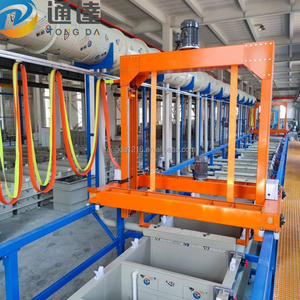
The core process involves electrolytically oxidizing machined aluminum in an acid bath, creating a porous crystalline structure. This layer is subsequently sealed to lock in color and enhance resistance. Honyo employs Type II (sulfuric acid) anodizing as standard, optimized for prototyping due to its balance of hardness, dye receptivity, and cost efficiency. Critical to success is the pre-anodizing phase: our CNC-machined parts undergo meticulous cleaning, etching, and masking to ensure uniform surface activation. Any residual machining oils or micro-imperfections would propagate through the oxide layer, causing defects. We strictly control bath chemistry, temperature, voltage, and immersion time to guarantee repeatability across batches—vital when iterating designs.
Honyo’s Precision Anodizing Capabilities
Our Shenzhen facility supports rapid-turn anodized aluminum kits through integrated CNC and surface treatment workflows. We prioritize maintaining tight tolerances post-anodizing, as the oxide layer adds 0.5–2.5 µm per surface side. Our engineering team compensates for this growth during machining, ensuring final dimensions align with client CAD data. The table below summarizes our standard offering for prototype applications:
| Parameter | Specification | Prototype Advantage |
|——————–|———————————–|———————————–|
| Thickness Range | 5–25 µm (custom up to 50 µm) | Optimized for wear/corrosion balance in test environments |
| Color Options | Clear, Black, Blue, Red, Gold | Rapid visual validation; no minimum dye quantities |
| Lead Time | 3–5 days (after CNC completion) | Accelerates design iteration cycles |
| Dimensional Control| ±0.025 mm on critical features | Preserves fit/function in assemblies |
| Material Grades | 6061-T6, 7075-T6, 2024-T3 | Matches aerospace, automotive, and consumer electronics specs |
Honyo’s differentiator lies in our closed-loop quality process. Every kit undergoes pre-anodizing CMM verification, in-process bath monitoring, and post-seal adhesion/corrosion testing per ASTM B117 and B680 standards. We provide material traceability and process documentation, enabling clients to confidently transition from prototype to volume production. For complex geometries, our engineers collaborate early to advise on anodizing-compatible design features—such as avoiding sharp edges that cause current concentration—and recommend optimal masking strategies.
By unifying CNC precision with rigorously controlled anodizing, Honyo Prototype delivers kits that mirror end-product performance. This capability reduces client risk in validation phases, ensuring surface properties do not obscure functional insights. As your manufacturing partner, we transform aluminum prototypes into reliable test assets—engineered for accuracy, durability, and seamless scalability.
Technical Capabilities
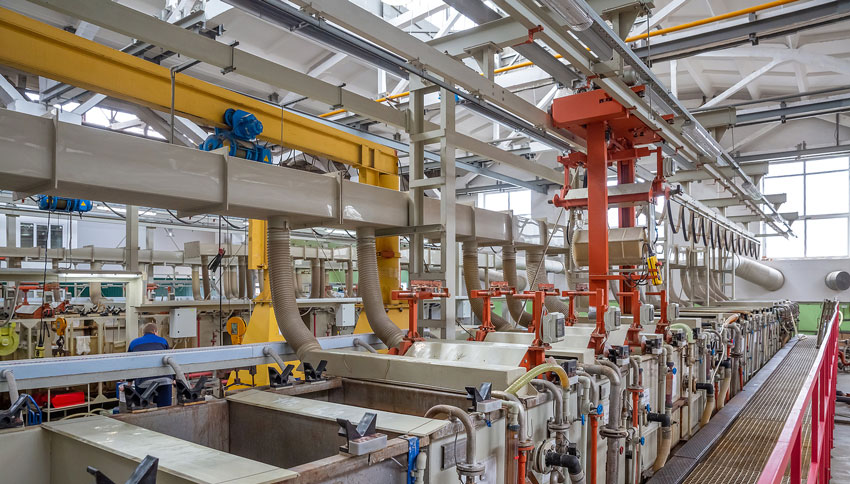
Technical Capabilities: Precision CNC Machining for Anodized Aluminum Kits
Shenzhen Honyo Prototype specializes in high-precision CNC machining services tailored for anodized aluminum kits used in aerospace, medical, electronics, and industrial applications. Our advanced 3-axis, 4-axis, and 5-axis milling centers, combined with multi-axis turning systems, enable us to produce complex geometries with exceptional surface integrity—critical for successful post-machining anodization. We focus on delivering dimensionally accurate, burr-free components that meet stringent industry standards, ensuring uniform anodized coatings and optimal functional performance.
Our machining capabilities support a wide range of aluminum alloys, with a primary focus on 6061-T6 and 7075-T6 due to their excellent machinability, strength-to-weight ratios, and anodizing responsiveness. All parts are machined using optimized toolpaths and rigid setups to minimize deflection and thermal distortion, preserving tight tolerances throughout production. We employ in-process probing and post-process CMM inspection to verify conformance, especially for features that directly impact anodizing thickness and adhesion, such as edge radii, surface roughness, and dimensional stability.
Honyo Prototype maintains tight control over critical dimensions, with standard tolerances held to ±0.025 mm and precision tolerances achievable down to ±0.005 mm on request. These capabilities are essential for components requiring interference fits, sealing surfaces, or integration with other precision-machined parts. Our 5-axis simultaneous machining reduces part handling and fixture changes, improving geometric accuracy and repeatability—particularly beneficial for complex enclosures, housings, and structural brackets intended for hard or decorative anodizing.
To support the anodizing process, we ensure all machined parts feature controlled surface finishes, typically within 0.8–3.2 µm Ra, depending on functional and aesthetic requirements. Sharp edges are broken or chamfered to prevent current concentration during anodization, which can lead to burning or uneven coating thickness. We also apply masking strategies for selective anodizing, based on customer-specified areas that require conductivity or dimensional preservation.
The table below outlines our core machining specifications and material capabilities for anodized aluminum kits:
| Parameter | Specification |
|——————————-|——————————————————————————-|
| Machining Processes | 3-axis, 4-axis, 5-axis milling; CNC turning; mill-turning |
| Maximum Work Envelope (mm) | 1000 × 600 × 500 (XYZ) |
| Standard Tolerance | ±0.025 mm |
| Tight Tolerance Capability | ±0.005 mm (on critical features, with proper design consideration) |
| Surface Finish (Typical) | 0.8 – 3.2 µm Ra (adjustable based on application) |
| Primary Aluminum Alloys | 6061-T6, 7075-T6, 2024-T3, 5052-H32 (custom alloys available on request) |
| Anodizing Compatibility | Decorative (Type II), Hard (Type III), Chromic (Type I) – post-process support |
| Lead Time (Prototype) | 5–10 working days (depending on complexity and volume) |
| Quality Assurance | First-article inspection, CMM reporting, GD&T verification |
By integrating precision CNC machining with anodizing-ready finishing protocols, Shenzhen Honyo Prototype ensures that every aluminum kit meets both mechanical and surface treatment requirements. Our engineering team collaborates closely with clients during the DFM stage to optimize part geometry, minimize stress concentrations, and ensure uniform anodized layer formation—delivering fully functional, corrosion-resistant components ready for integration.
From CAD to Part: The Process
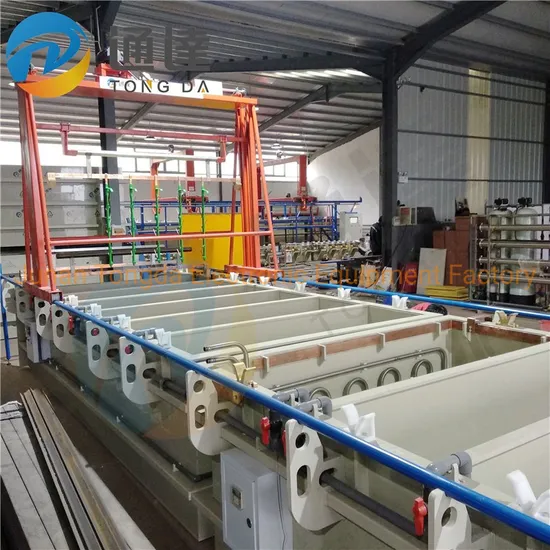
From CAD to Finished Anodized Aluminum Part: Honyo Prototype’s CNC Workflow
At Shenzhen Honyo Prototype, our precision anodized aluminum kits follow a rigorously defined CNC machining workflow, ensuring manufacturability, cost efficiency, and consistent quality from digital design to shipped component. This integrated process minimizes iterations and accelerates time-to-market for our clients.
The workflow initiates with the AI-Powered Quotation System. Clients submit native CAD files (STEP, IGES, Parasolid) or high-fidelity 3D models via our secure portal. Our proprietary AI engine performs an instant dimensional analysis, material requirement calculation, and complexity assessment against our extensive CNC machining and anodizing capability database. This system generates a highly accurate preliminary quote within minutes, detailing estimated lead time, unit cost based on volume, and initial material selection validation against client specifications (e.g., 6061-T6, 7075-T6). This immediate feedback loop allows for rapid project feasibility assessment before formal order placement.
Following quotation acceptance, the project enters the critical Design for Manufacturability (DFM) Analysis phase. Our senior manufacturing engineers conduct a thorough manual review, supplementing the AI assessment. We scrutinize geometric complexity, wall thickness uniformity, feature accessibility for standard CNC tooling, draft angles for potential secondary operations, and tolerance stack-up implications. Specific attention is paid to anodizing requirements: sharp internal corners are flagged for potential burning, minimum radii are verified to ensure uniform coating thickness, and surface finish callouts are cross-referenced with achievable Ra values post-anodizing. We proactively identify potential pitfalls like thin sections prone to warpage during heat treatment or features requiring non-standard tooling, providing clear, actionable feedback and optimization suggestions directly to the client’s engineering team. This collaborative DFM stage is paramount for eliminating costly downstream revisions and ensuring the design aligns with high-yield, repeatable manufacturing.
Upon DFM sign-off and final CAD approval, the project moves to CNC Production and Anodizing. Precision 3-, 4-, or 5-axis CNC machining centers execute the milling, turning, and drilling operations per the validated process plan. Machining adheres to tight tolerances, typically ±0.05mm for standard features, with critical dimensions held to ±0.01mm using calibrated equipment and in-process CMM checks. Post-machining, parts undergo meticulous deburring and cleaning to remove all contaminants prior to surface treatment. The anodizing process is strictly controlled within our integrated facility. Parts are sequentially processed through alkaline cleaning, etching, anodizing in sulfuric acid baths under precise voltage and temperature control, followed by dyeing (if specified) and sealing. Key anodizing parameters are rigorously monitored:
| Parameter | Standard Range | Critical Control Point |
| :—————– | :——————- | :————————— |
| Coating Thickness | 8-25 µm (Type II) | Voltage ramp rate, bath temp |
| Hardness (Type III)| 500+ HV | Electrolyte concentration |
| Color Consistency | ΔE < 1.0 (measured) | Dye bath stability, sealing |
| Sealing Quality | ASTM B136 Pass | Temperature, time, pH |
Final inspection verifies all dimensional tolerances, surface finish, coating thickness uniformity via eddy current testing, color match, and adhesion per ASTM standards. Only parts meeting Honyo’s stringent quality criteria are packaged and shipped, delivering fully functional, aesthetically consistent anodized aluminum kits ready for integration. This seamless, quality-focused workflow underpins our commitment to engineering excellence in rapid prototyping and low-volume production.
Start Your Project
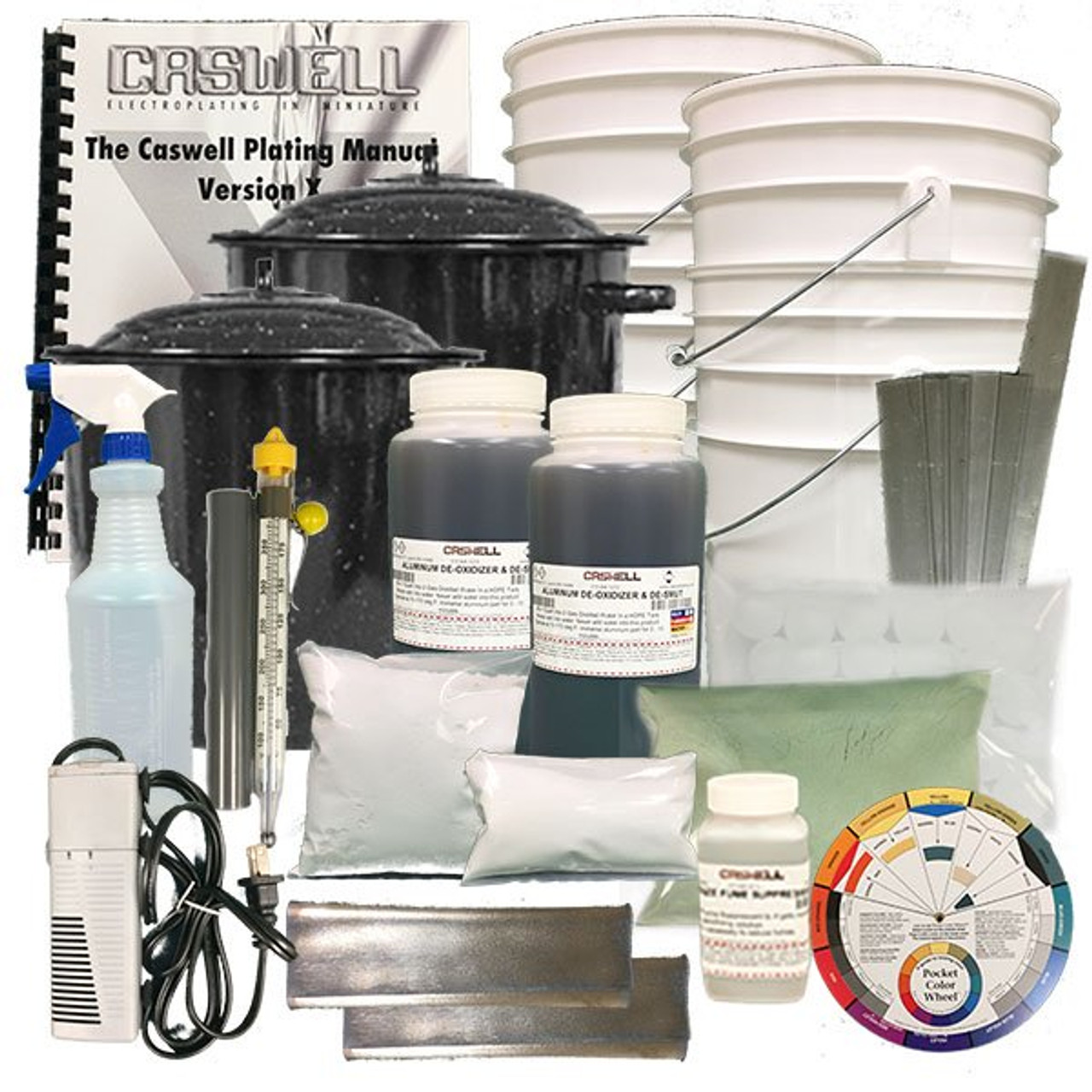
Start Your Anodized Aluminum Kit Project with Precision Engineering from Shenzhen Honyo Prototype
When it comes to high-performance, corrosion-resistant, and aesthetically refined components, anodized aluminum kits are the preferred choice across industries such as aerospace, automotive, medical devices, and consumer electronics. At Shenzhen Honyo Prototype, we specialize in end-to-end CNC machining solutions tailored to your exact specifications. Whether you’re developing a prototype or scaling up for low to mid-volume production, our advanced manufacturing capabilities ensure precision, repeatability, and superior surface finish.
Our expertise in CNC-machined anodized aluminum components is backed by state-of-the-art equipment and a team of experienced engineers who understand the technical demands of modern design. We work with a range of aluminum alloys—including 6061, 7075, and 5052—ensuring that your kit meets the required mechanical properties, dimensional accuracy, and environmental resistance. From initial design review to final anodized finish, we maintain strict quality control throughout every production phase.
One of the key advantages of partnering with Honyo Prototype is our integrated approach to surface treatment. Our Type II (sulfuric acid) and Type III (hard coat) anodizing processes are performed in-house, allowing for tighter control over coating thickness, color consistency, and wear resistance. We support both clear and colored anodizing (including black, red, blue, and custom PMS matches), with sealing options that enhance durability in harsh operating conditions.
To help streamline your project, we offer comprehensive technical support from day one. Our engineering team conducts a detailed manufacturability analysis to optimize part geometry, reduce material waste, and minimize lead times—without compromising performance. We also provide material certifications, first-article inspection reports, and full traceability documentation upon request.
Below are the standard technical specifications we support for anodized aluminum CNC machining:
| Parameter | Specification |
|———|—————|
| Material Options | Aluminum 6061-T6, 7075-T6, 5052, 2024, and custom alloys |
| Dimensional Tolerance | ±0.025 mm (standard), down to ±0.005 mm (precision) |
| Surface Finish | As-machined, brushed, bead-blasted, or anodized |
| Anodizing Type | Type II (Standard) and Type III (Hard Anodizing) |
| Coating Thickness | 12–25 µm (Type II), 25–50 µm (Type III) |
| Color Options | Clear, Black, Red, Blue, Green, Gold, and custom colors |
| Lead Time | 5–10 working days (prototypes), 10–15 days (production) |
| Max Part Size | 1000 × 600 × 500 mm |
| Certifications | ISO 9001:2015 compliant, RoHS and REACH compliant |
Starting your project is simple. Share your CAD files, technical drawings, or material specifications with our team, and we’ll provide a detailed quote within 24 hours. Our goal is to become your trusted manufacturing partner—delivering high-quality anodized aluminum kits on time and within budget.
For immediate assistance, contact Susan Leo at info@hy-proto.com. Let us help you turn your design into a high-performance reality.
🚀 Rapid Prototyping Estimator
Get a rough estimate for CNC/3D Printing costs.