
Contents
Manufacturing Insight: Most Corrosion Resistant Stainless Steel
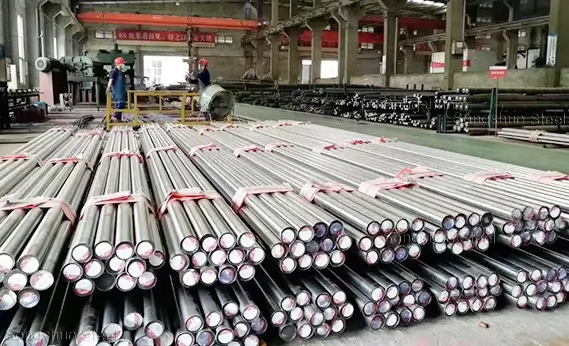
Manufacturing Insight: Corrosion-Resistant Stainless Steel Selection for Precision CNC Components
Selecting the optimal stainless steel for extreme corrosion resistance is critical in applications exposed to aggressive environments like chemical processing, offshore energy, or desalination systems. While no single alloy universally outperforms all others across every condition, super austenitic and super duplex grades represent the pinnacle of corrosion resistance in commercially viable CNC-machined components. Honyo Prototype specializes in machining these demanding materials, ensuring part integrity and longevity where failure is not an option.
The key metric for evaluating corrosion resistance is the Pitting Resistance Equivalent Number (PREN), calculated as %Cr + 3.3×%Mo + 16×%N. Higher PREN values correlate strongly with superior resistance to chloride-induced pitting and crevice corrosion. Below is a comparison of leading grades relevant to precision CNC machining:
| Grade | Type | PREN Range | Key Alloying Elements | Primary Applications |
|—————-|—————|————|————————|——————————————|
| 6% Mo (e.g., AL-6XN) | Super Austenitic | 42-50 | 24% Cr, 7.3% Mo, 0.22% N | Seawater systems, chemical reactors |
| 254 SMO | Super Austenitic | 43-47 | 20% Cr, 6.1% Mo, 0.2% N | Flue gas desulfurization, pulp bleaching |
| 904L | High-Alloy Austenitic | 34-39 | 20% Cr, 4.5% Mo | Sulfuric acid handling, pharmaceuticals |
| 2507 | Super Duplex | 40-45 | 25% Cr, 4% Mo, 0.3% N | Offshore pipelines, heat exchangers |
Machining these alloys presents significant challenges due to their high work-hardening rates, abrasive nature, and thermal sensitivity. Standard 300-series stainless tooling and parameters will lead to rapid tool wear, poor surface finish, and dimensional instability. At Honyo, we deploy specialized protocols:
We utilize solid carbide tooling with advanced PVD coatings (e.g., AlTiN) designed for high-temperature stability and reduced adhesion. CNC programs incorporate lower cutting speeds (30-50% of 304SS rates), higher feed rates to avoid work hardening, and rigid fixturing to minimize vibration. Precision coolant-through tooling with high-pressure, low-chloride emulsions is mandatory to control heat and evacuate chips effectively. Post-machining, we enforce stringent passivation per ASTM A967 and electropolishing where specified, as surface finish directly impacts corrosion performance by removing embedded iron particles and micro-cracks.
Honyo Prototype’s expertise extends beyond basic fabrication. Our engineering team collaborates with clients during design for manufacturability (DFM) reviews to optimize geometry for corrosion resistance—avoiding crevices, ensuring drainage, and specifying appropriate surface roughness. We maintain ISO 9001-certified processes with full material traceability (including PMI verification) and in-house metrology to validate critical tolerances down to ±0.005mm. For mission-critical components in chloride-rich or acidic environments, partnering with a manufacturer experienced in these advanced alloys ensures the theoretical corrosion resistance of the material translates into real-world part reliability. Honyo delivers this capability through integrated material science knowledge and precision CNC execution.
Technical Capabilities
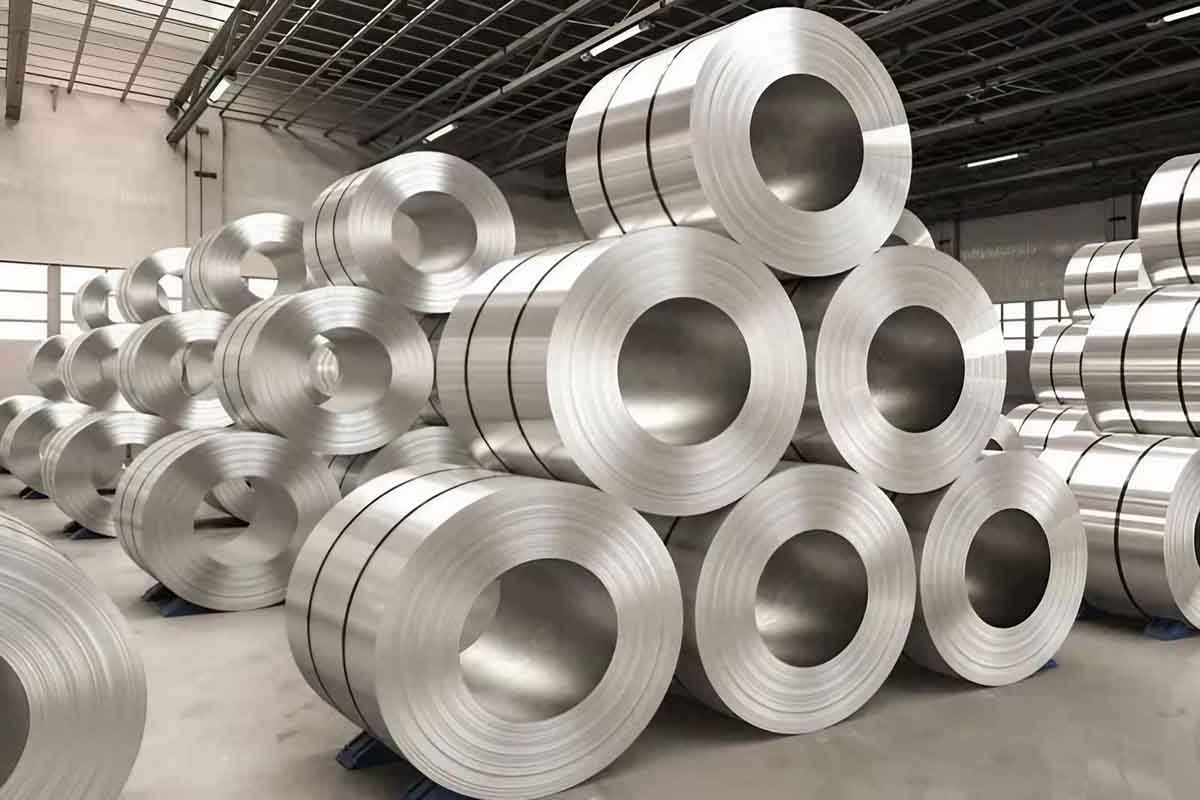
Most Corrosion Resistant Stainless Steel for Precision CNC Machining
At Shenzhen Honyo Prototype, our advanced CNC machining capabilities are optimized for high-performance materials, including the most corrosion resistant stainless steel alloys used in demanding industrial, medical, and marine environments. Our expertise in 3-axis, 4-axis, and 5-axis milling, combined with precision turning, enables us to deliver complex components with exceptional surface finishes and tight tolerances. Among stainless steel variants, we specialize in machining super-austenitic and duplex stainless steels, with a primary focus on alloys such as 904L (1.4539), 254 SMO (1.4547), and 6% moly super-austenitics, which offer superior resistance to pitting, crevice corrosion, and stress corrosion cracking in aggressive environments.
These high-alloy stainless steels contain elevated levels of chromium (up to 20%), nickel (up to 25%), molybdenum (up to 6.5%), and nitrogen, contributing to their outstanding performance in chloride-rich, acidic, and high-temperature conditions. Their enhanced corrosion resistance makes them ideal for offshore oil and gas components, chemical processing equipment, desalination systems, and surgical instrumentation. However, their high work-hardening rate and low thermal conductivity present machining challenges that require specialized tooling, optimized cutting parameters, and rigid setups—capabilities fully supported within our CNC infrastructure.
Our 5-axis simultaneous machining centers provide the flexibility to produce complex geometries in a single setup, minimizing feature-to-feature variation and improving dimensional consistency. For turning operations, we utilize high-precision CNC lathes with live tooling to produce intricate shafts, valves, and fittings from bar stock up to Ø300 mm. All machines are equipped with high-pressure coolant systems to manage heat generation and extend tool life when cutting these tough alloys.
We maintain strict process controls to achieve tight tolerances, with standard capabilities listed below:
| Process | Standard Tolerance (mm) | Tight Tolerance (mm) | Surface Finish (Ra, µm) | Max Work Envelope (mm) |
|———————–|————————-|————————|————————–|————————|
| 3-Axis Milling | ±0.025 | ±0.012 | 0.8 – 1.6 | 1000 × 600 × 500 |
| 4-Axis Milling | ±0.025 | ±0.012 | 0.8 – 1.6 | 800 × 500 × 400 |
| 5-Axis Milling | ±0.020 | ±0.008 | 0.4 – 1.6 | 600 × 600 × 500 |
| CNC Turning | ±0.025 | ±0.010 | 0.8 – 1.6 | Ø300 × 750 |
| Multi-Task Machining | ±0.020 | ±0.008 | 0.4 – 1.6 | Ø200 × 500 |
All components undergo in-process inspection using coordinate measuring machines (CMM) and surface profilometers to ensure compliance with ASTM A262 and ISO 9001 standards. Material certifications (MTRs) are provided for full traceability. By combining advanced CNC technology with deep metallurgical knowledge, Shenzhen Honyo Prototype delivers reliable, high-integrity parts in the most corrosion resistant stainless steel alloys for mission-critical applications.
From CAD to Part: The Process
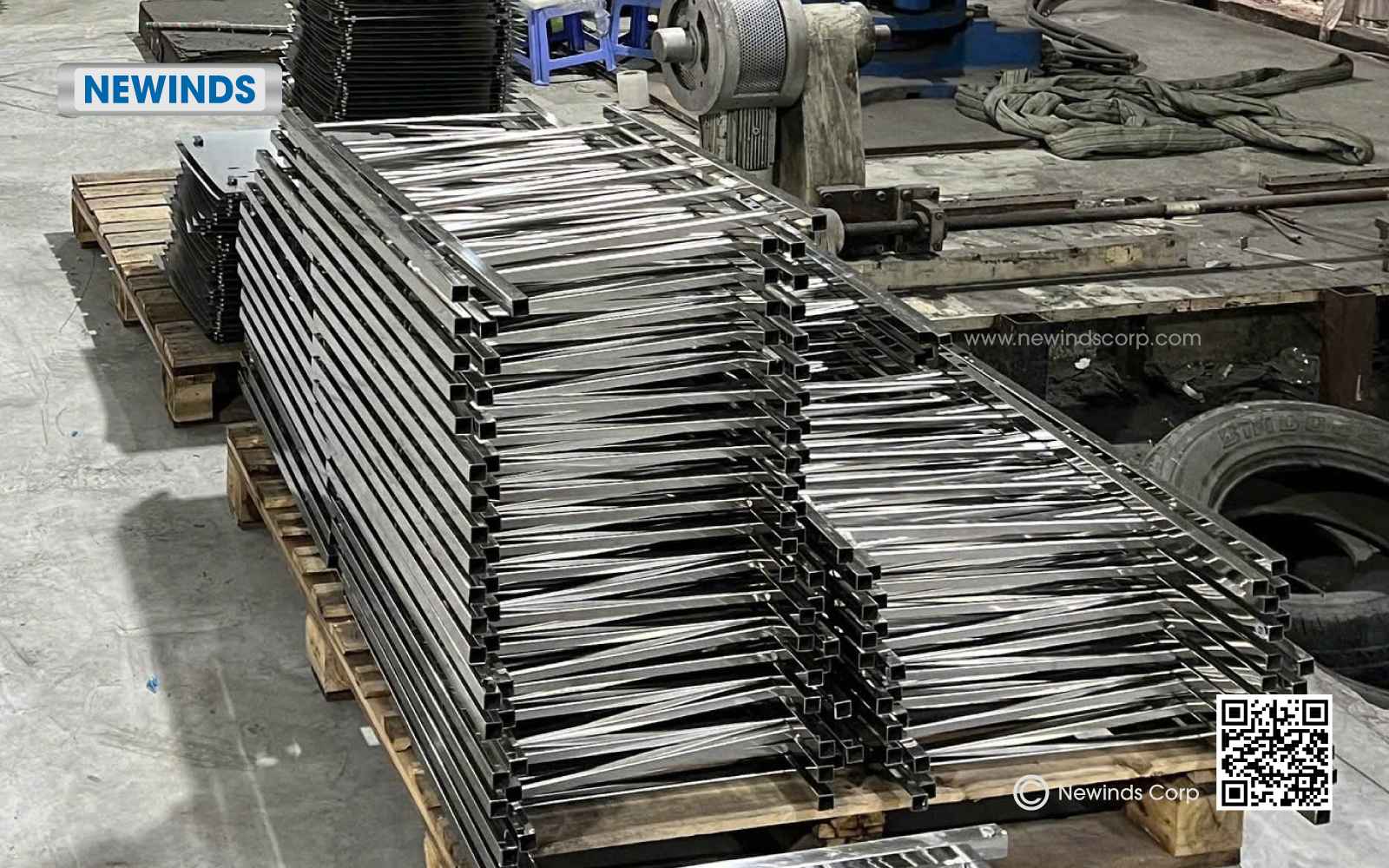
CNC Production Workflow for Corrosion-Resistant Stainless Steel Parts
At Shenzhen Honyo Prototype, manufacturing high-integrity corrosion-resistant stainless steel components begins with a rigorous, technology-driven workflow designed to optimize quality and cost efficiency. Our process transitions seamlessly from initial inquiry through final part delivery, specifically engineered for demanding applications requiring maximum resistance to oxidation, chlorides, and chemical exposure. The cornerstone material for these critical applications is ASTM A276 316L stainless steel, selected for its superior molybdenum-enhanced pitting and crevice corrosion resistance in aggressive environments.
The workflow initiates with the AI-Powered Quoting System. Upon receiving a CAD file (STEP, IGES, or native formats), our proprietary AI engine performs an instant multi-parameter analysis. It evaluates geometric complexity, material utilization, feature tolerances, and surface finish requirements against 316L stainless steel’s specific machining characteristics. Crucially, the system flags potential corrosion vulnerabilities such as inadequate drainage angles, crevice-forming joints, or insufficient wall thickness for structural integrity in corrosive service. This analysis generates a precise cost estimate within hours, including material certification costs (mill test reports mandatory) and identifies any design elements that could compromise long-term corrosion performance.
This transitions directly into the Engineering DFM (Design for Manufacturability) Review. Our senior engineers conduct a manual deep-dive, focusing exclusively on stainless steel challenges. Key scrutiny areas include minimizing work hardening through optimized toolpath strategies, ensuring adequate clearance for chip evacuation to prevent galling, verifying thermal management plans to counter 316L’s low thermal conductivity, and confirming all features support effective post-machining passivation. We collaborate with the client to refine geometries—such as eliminating sharp internal corners that trap corrosive agents or adjusting thread depths to reduce stress concentrations—without sacrificing functional requirements. Material certification traceability is locked in at this stage.
Precision CNC Machining & Finishing executes the refined design. All 316L components are machined on dedicated, chloride-free equipment using carbide tooling with specialized geometries and coatings (e.g., TiAlN) to manage heat and adhesion. Strict process parameters are enforced:
| Parameter | 316L Stainless Steel Specification | Critical Control Reason |
|——————–|———————————-|—————————————|
| Cutting Speed | 80-120 SFM | Minimizes work hardening |
| Feed Rate | 0.003-0.008 IPT | Ensures chip breakage, reduces heat |
| Coolant | Non-chlorinated, low-sulfur | Prevents chloride contamination |
| Passivation Bath | 20-25% Nitric Acid + Sodium Dichromate | ASTM A967 Method Passivation |
Machining occurs under strict environmental controls to eliminate iron contamination from carbon steel sources. Post-machining, every part undergoes mandatory passivation per ASTM A967 to remove free iron and maximize the chromium oxide layer. Final inspection includes dimensional verification, surface roughness validation (Ra ≤ 0.8 µm typical for critical zones), and visual checks for surface integrity. Only after full documentation review, including material certs and process records, is the corrosion-resistant component released for shipment. This integrated workflow ensures Honyo Prototype delivers 316L stainless steel parts engineered for maximum service life in the world’s most corrosive operating environments.
Start Your Project
Start Your Project with the Most Corrosion Resistant Stainless Steel – Engineered for Performance
When it comes to CNC machining projects demanding exceptional resistance to corrosion, material selection is not just a detail—it’s the foundation of long-term reliability. At Shenzhen Honyo Prototype, we specialize in precision manufacturing using the most corrosion resistant stainless steel alloys, ensuring your components perform under the harshest environmental and chemical conditions. Whether your application involves marine environments, chemical processing, or high-humidity industrial settings, our expertise in advanced stainless steel machining delivers durability, precision, and peace of mind.
Among the stainless steel grades we routinely machine, Super Austenitic and Duplex Stainless Steels stand out for their superior corrosion resistance. These alloys contain high levels of chromium, molybdenum, and nitrogen, which significantly enhance their ability to resist pitting, crevice corrosion, and stress corrosion cracking. For mission-critical components, we recommend materials such as AL-6XN (N08367) and 254 SMO (S31254), both of which offer outstanding performance in chloride-rich and acidic environments.
Our CNC machining capabilities support tight tolerances, complex geometries, and high repeatability, making us the ideal partner for low-volume prototypes and mid-volume production runs. We combine state-of-the-art 3-, 4-, and 5-axis machining centers with rigorous quality control to ensure every part meets exact specifications. From initial design review to final inspection, our engineering team collaborates closely with clients to optimize manufacturability, reduce lead times, and control costs—without compromising performance.
We understand that selecting the right stainless steel alloy depends on your specific operating conditions. To help guide your decision, the table below outlines key properties of the most commonly used high-performance stainless steels in our CNC machining services.
| Material Grade | UNS Number | Chromium (%) | Nickel (%) | Molybdenum (%) | Pitting Resistance (PREN) | Typical Applications |
|—————-|————|————–|————|—————-|—————————-|————————|
| 316L | S31603 | 16–18 | 10–14 | 2–3 | 24–26 | General industrial, marine |
| 254 SMO | S31254 | 20 | 18 | 6 | 43 | Seawater systems, chemical tanks |
| AL-6XN | N08367 | 20–22 | 23.5–25.5 | 6.0–7.0 | 45+ | Power plant scrubbers, pharmaceutical |
| Duplex 2205 | S32205 | 22 | 5–6 | 3 | 34 | Oil & gas, offshore platforms |
Every project begins with a conversation. If you’re looking for a manufacturing partner who understands the critical balance between material science and precision engineering, contact Susan Leo today. With years of experience supporting global clients in aerospace, medical, and industrial sectors, Susan will guide you through material selection, design optimization, and production planning to ensure your project succeeds on time and to specification.
Contact Susan Leo at info@hy-proto.com to start your project. Let Honyo Prototype bring your high-performance stainless steel components to life with unmatched expertise and reliability.
🚀 Rapid Prototyping Estimator
Get a rough estimate for CNC/3D Printing costs.