
Contents
Manufacturing Insight: Atc Cnc Machine
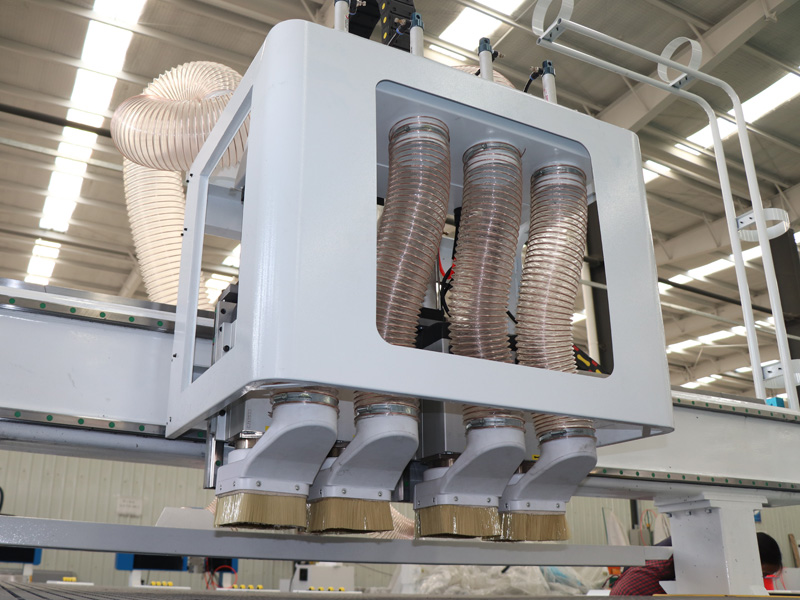
Manufacturing Insight: ATC CNC Machine Technology at Honyo Prototype
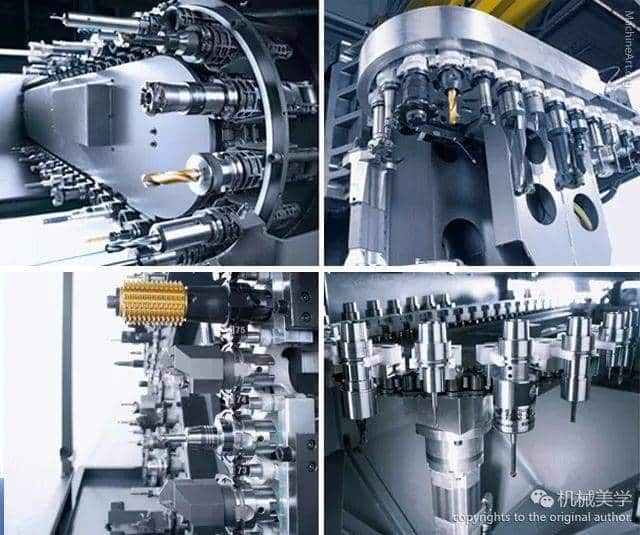
Automatic Tool Changer (ATC) CNC machining represents a fundamental advancement in precision manufacturing, enabling complex, high-integrity part production with minimal human intervention. At Shenzhen Honyo Prototype, we integrate ATC technology across our CNC fleet to deliver rapid, repeatable, and cost-effective prototyping and low-volume production. Unlike manual tool-change systems, ATC-equipped machines autonomously swap cutting tools from a predefined carousel or magazine during operation. This capability is critical for multi-operation workflows, eliminating manual setup delays and maintaining dimensional consistency across intricate geometries. For industries demanding tight tolerances and rapid iteration—such as aerospace, medical devices, and consumer electronics—ATC CNC is not merely advantageous; it is essential for meeting aggressive development timelines without compromising quality.
The core strength of ATC CNC lies in its ability to consolidate milling, drilling, tapping, and contouring operations into a single machining cycle. This reduces cumulative error from part repositioning, ensures thermal stability during extended runs, and optimizes machine utilization. At Honyo, our ATC systems support complex 3+2 axis and full 5-axis machining strategies, allowing us to tackle undercuts, deep cavities, and organic surfaces that would otherwise require costly secondary operations or specialized fixtures. Crucially, the automation inherent in ATC minimizes operator dependency, enhancing process repeatability for both one-off prototypes and bridge production batches.
Honyo Prototype leverages state-of-the-art ATC CNC platforms calibrated for the demanding requirements of rapid prototyping. Our machines feature high-speed spindles, rigid castings, and advanced coolant management to maintain precision across diverse materials—from aerospace-grade titanium and aluminum alloys to engineering plastics like PEEK and polycarbonate. Below are key specifications of our standard ATC CNC configuration:
| Specification | Value | Relevance to Prototyping |
|————————|—————————|—————————————|
| Tool Capacity | 24–30 tools | Supports complex multi-feature parts |
| Tool Change Time | ≤ 1.5 seconds | Maximizes machine uptime |
| Positioning Accuracy | ±0.005 mm | Ensures micron-level tolerances |
| Spindle Speed Range | 8,000–12,000 RPM | Optimized for metals & plastics |
| Max Work Envelope | 700 x 400 x 350 mm | Accommodates mid-size prototypes |
Our engineering team programs and validates all ATC sequences using industry-leading CAM software, including Fusion 360 and Mastercam, to optimize toolpaths for speed and surface finish. We rigorously validate tool life monitoring and probe-based in-process inspections to prevent scrap and ensure first-article correctness. This integrated approach allows Honyo to compress lead times by up to 40% compared to non-ATC alternatives while maintaining ISO 9001-certified quality standards.
For clients requiring functional prototypes or pre-production validation, Honyo’s ATC CNC capability translates to faster design iterations, reduced assembly steps, and higher-fidelity parts that accurately simulate end-use performance. By eliminating manual handling risks and enabling unattended machining of critical features, we deliver prototypes that accelerate your path from CAD model to physical validation—without hidden delays or quality trade-offs. Partner with Honyo to leverage ATC precision as a strategic advantage in your product development cycle.
Technical Capabilities
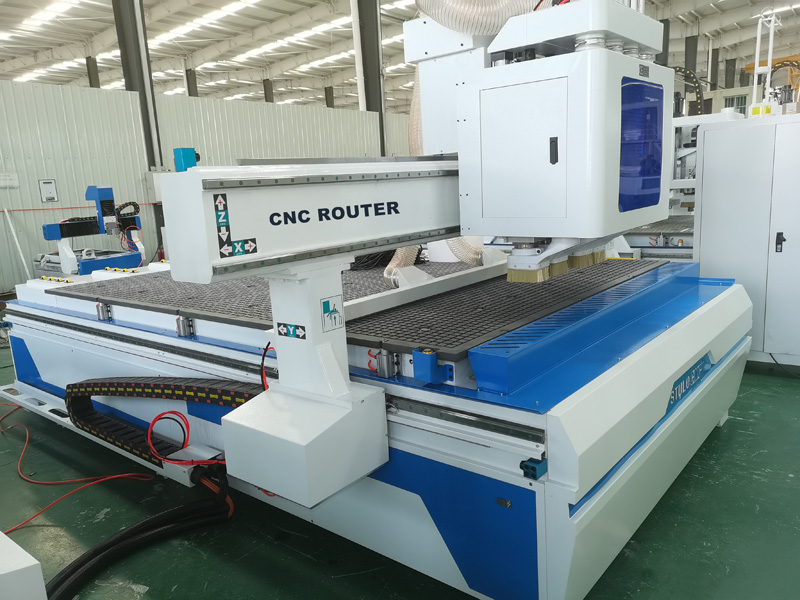
Shenzhen Honyo Prototype leverages advanced ATC (Automatic Tool Changer) CNC machining systems to deliver precision-engineered components across aerospace, medical, automotive, and industrial sectors. Our multi-axis CNC capabilities integrate high-speed milling, precision turning, and complex 5-axis contouring to produce intricate geometries with consistent accuracy and surface finish. The integration of an automatic tool changer enhances operational efficiency by minimizing downtime during tool transitions, enabling uninterrupted machining of complex parts requiring multiple tooling setups.
Our 3-axis CNC milling systems are ideal for prismatic components with planar features, delivering high repeatability and excellent surface quality. These machines support rapid material removal and are optimized for high-volume production runs with tight geometric control. Expanding to 4-axis configurations, we incorporate rotary indexing (A-axis) to access multiple faces of a workpiece without manual repositioning, significantly improving accuracy and throughput for parts requiring features on multiple sides.
The 5-axis simultaneous machining platform represents the pinnacle of our technical capability, enabling the production of highly complex organic shapes, impellers, turbine blades, and structural aerospace components. With full articulation of the spindle and worktable, our 5-axis ATC CNC machines eliminate the need for multiple setups, reduce cumulative error, and achieve superior surface finishes on contoured surfaces. This capability is particularly critical for components with undercuts, deep cavities, and non-orthogonal features.
In addition to milling, our CNC turning centers with ATC support live tooling and sub-spindle operations, allowing for complete turn-mill solutions in a single setup. This hybrid approach enables the production of complex cylindrical parts with radial and axial features, such as valve bodies, shafts, and connectors, all within tight tolerance envelopes.
Tight-tolerance machining is a core competency at Honyo Prototype, with standard capabilities held to ±0.005 mm (±0.0002″) and special processes achieving ±0.002 mm (±0.00008″) under controlled conditions. These tolerances are maintained through rigorous environmental controls, real-time tool wear compensation, in-process probing, and post-machining CMM validation.
The following table outlines our standard tolerance specifications and compatible materials:
| Process | Axis Configuration | Standard Tolerance | Typical Surface Finish (Ra) | Common Materials |
|———————–|——————–|——————–|—————————–|——————|
| 3-Axis Milling | XYZ | ±0.01 mm | 1.6 – 3.2 µm | Aluminum 6061, 7075, Stainless Steel 303, 316, Brass, PEEK, Delrin |
| 4-Axis Milling | XYZ + A (Indexing) | ±0.008 mm | 1.6 – 2.4 µm | Same as above, plus Titanium Grade 5 |
| 5-Axis Milling | XYZ + AB/BC (Full Simultaneous) | ±0.005 mm | 0.8 – 1.6 µm | Aluminum, SS, Titanium, Inconel 718, PEEK, Carbon Fiber Composites |
| CNC Turning with ATC | 2-Axis + Live Tooling | ±0.01 mm | 1.6 – 3.2 µm | Steel 1045, Stainless, Aluminum, Brass, Plastics |
All machining operations are supported by high-rigidity machine beds, thermal compensation systems, and FANUC or Siemens CNC controls, ensuring long-term stability and process repeatability. At Shenzhen Honyo Prototype, our ATC CNC infrastructure enables rapid, scalable, and precision-driven manufacturing tailored to demanding engineering specifications.
From CAD to Part: The Process
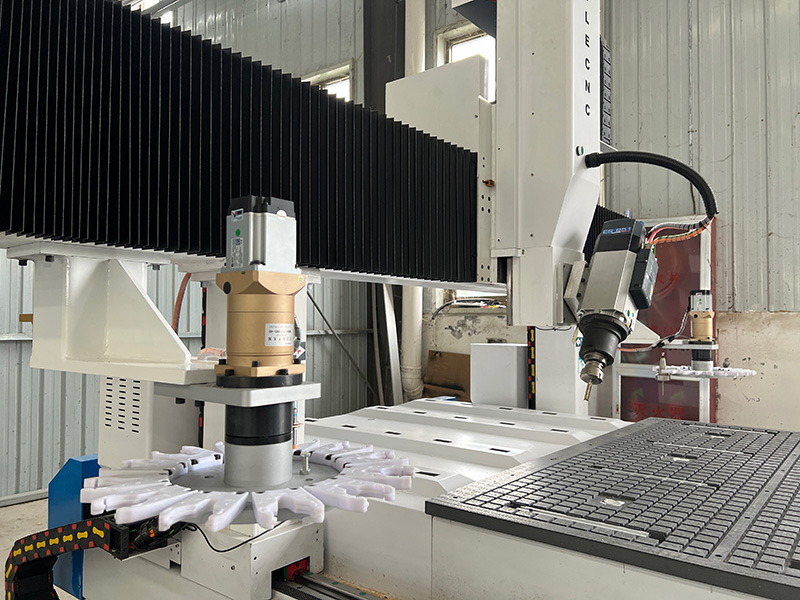
From CAD to Precision Part: Honyo Prototype’s ATC CNC Production Workflow
At Shenzhen Honyo Prototype, our ATC CNC machining process transforms client CAD models into high-accuracy prototypes and low-volume production parts through a rigorously defined, three-stage workflow. This integrated approach minimizes errors, accelerates turnaround, and ensures manufacturability from the initial quotation phase.
The process begins with AI-Powered Quotation and Feasibility Analysis. Upon receiving a CAD file (STEP, IGES, or native formats), our proprietary AI engine performs an instant preliminary assessment. It analyzes geometric complexity, material requirements, and critical dimensions against our machine capabilities and material inventory. This generates a preliminary quote within hours, including estimated lead time, material cost breakdown, and early flags for potential high-risk features. Crucially, the AI identifies immediate showstoppers—such as impossible undercuts or non-standard materials—preventing wasted engineering effort on non-viable projects.
Next, approved projects enter Engineering-Driven Design for Manufacturability (DFM) Review. Our senior manufacturing engineers conduct a hands-on DFM analysis, moving beyond the AI’s initial scan to optimize the design for CNC efficiency and part integrity. This collaborative phase involves direct consultation with the client to resolve nuanced issues. Key DFM focus areas include optimizing wall thickness for rigidity, adjusting internal corner radii to match standard tooling, verifying achievable tolerances, and suggesting feature modifications to reduce setups or prevent tool deflection.
Critical DFM Parameters Reviewed
| Parameter | Standard Capability | Typical Client Issue Addressed |
|——————–|———————|———————————–|
| Minimum Wall Thickness | 0.5 mm (Aluminum) | Vibration-induced chatter/failure |
| Internal Corner Radius | ≥0.5 x depth | Eliminates need for costly EDM |
| Positional Tolerance | ±0.025 mm | Prevents assembly stack-up errors |
| Max Hole Depth | 4x Diameter | Avoids chip evacuation failures |
Following DFM sign-off, parts proceed to ATC CNC Production. Our vertical machining centers with Automatic Tool Changers (ATC) execute the optimized workflow. The ATC system dynamically loads the precise sequence of end mills, drills, and taps required—minimizing manual tool changes and ensuring uninterrupted machining. Programs generated via Mastercam leverage optimized toolpaths for surface finish and cycle time reduction. Real-time in-process probing verifies critical features mid-machining, while our quality team performs first-article inspection against the original CAD using CMM and optical comparators.
Production System Specifications
| Machine Parameter | Value | Impact on Prototyping |
|————————-|—————————|——————————-|
| ATC Capacity | 24-30 Tools | Enables complex multi-feature parts in single setup |
| Positioning Accuracy | ±0.005 mm | Ensures tight-tolerance critical features |
| Max Work Envelope | 800 x 500 x 500 mm | Accommodates medium-sized assemblies |
| Surface Finish (Typical)| Ra 0.8 µm | Reduces or eliminates secondary polishing |
The final stage integrates comprehensive quality assurance. Dimensional reports, material certs, and surface finish data are compiled into a digital dossier. This closed-loop process—from AI-validated quotation through engineer-optimized DFM to ATC-precision production—ensures Honyo delivers CNC-machined parts that meet exact functional requirements while adhering to aggressive prototype timelines. Our workflow transforms design intent into physical reality with zero surprises.
Start Your Project
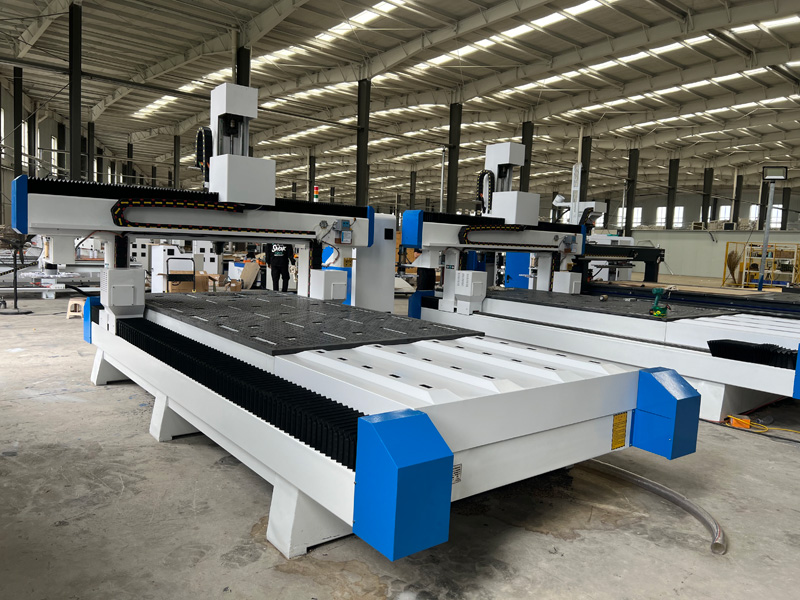
Start Your Project with Precision CNC Machining at Shenzhen Honyo Prototype
When it comes to prototyping and low-volume production, precision, speed, and reliability are non-negotiable. At Shenzhen Honyo Prototype, we specialize in advanced CNC machining services powered by state-of-the-art ATC (Automatic Tool Changer) CNC machines. These systems enable rapid tool switching, reduced cycle times, and exceptional accuracy—perfect for complex parts requiring tight tolerances and high repeatability. Whether you’re developing a new product, refining a prototype, or preparing for small-batch manufacturing, our capabilities are engineered to bring your designs to life with unmatched efficiency.
Our ATC CNC machining centers support a wide range of materials, including aluminum alloys, stainless steel, brass, titanium, engineering plastics, and composites. With multi-axis machining options and intelligent tool management, we ensure optimal toolpaths and surface finishes, minimizing manual intervention and maximizing consistency. This advanced automation allows us to deliver faster turnaround times without compromising on quality—ideal for industries such as aerospace, medical devices, robotics, and consumer electronics.
We understand that every project begins with a concept. That’s why our engineering team collaborates closely with clients from the initial design phase through final production. Our DFM (Design for Manufacturability) analysis identifies potential issues early, reducing costly revisions and accelerating time-to-market. Whether your part requires 3-axis, 4-axis, or full 5-axis CNC machining, our ATC-equipped systems provide the flexibility and precision needed to meet your specifications.
To ensure transparency and confidence, we maintain strict quality control protocols, including in-process inspections and final QA using precision measuring equipment such as CMMs and optical comparators. Every component we produce adheres to ISO 9001 standards, guaranteeing consistency and performance across all batches.
Below is an overview of our ATC CNC machining capabilities:
| Specification | Details |
|—————————-|————————————————————————-|
| Machine Types | 3-axis, 4-axis, 5-axis CNC with ATC |
| Spindle Speed | Up to 24,000 RPM |
| Tolerance | ±0.005 mm (standard), down to ±0.002 mm (tight tolerance) |
| Work Envelope (Max) | 1200 x 600 x 500 mm (custom setups available) |
| Materials | Aluminum, Steel, Stainless Steel, Titanium, Brass, Plastics (e.g., PEEK, ABS, PC) |
| Lead Time | As fast as 3–5 days for prototypes, 7–12 days for production batches |
| Finishing Options | As-machined, anodizing, powder coating, plating, sandblasting |
| Quality Standards | ISO 9001:2015 compliant, full inspection reporting |
Starting your project with Honyo Prototype is simple. Share your 3D CAD files, specify your material and finish requirements, and our team will provide a competitive quote within 12 hours. We support common file formats including STEP, IGES, STL, and native CAD formats.
Ready to move forward? Contact Susan Leo today at info@hy-proto.com to discuss your project requirements. Let us help you transform your ideas into high-precision components with the speed and reliability you demand.
🚀 Rapid Prototyping Estimator
Get a rough estimate for CNC/3D Printing costs.