
Contents
Manufacturing Insight: Machinable Plastic Materials
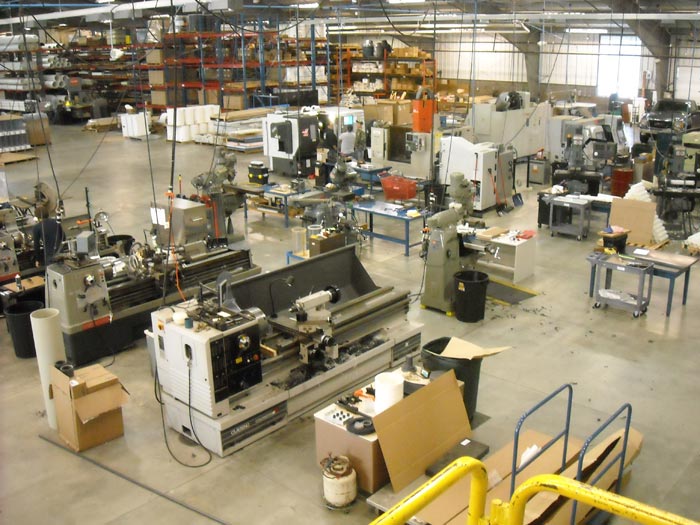
Manufacturing Insight: Machinable Plastic Materials for Precision CNC Applications
Precision plastic components demand careful material selection and specialized machining expertise to achieve functional performance and dimensional integrity. At Shenzhen Honyo Prototype, we understand that machinable plastics present unique challenges distinct from metals, including higher thermal expansion coefficients, lower thermal conductivity, and susceptibility to stress cracking or melting during cutting. Successfully navigating these properties is critical for applications in medical devices, semiconductor tooling, aerospace assemblies, and fluid handling systems where chemical resistance, electrical insulation, and lightweight durability are paramount. Our CNC machining process for plastics integrates deep material science knowledge with advanced manufacturing techniques to consistently deliver parts meeting stringent engineering requirements.
Honyo Prototype leverages state-of-the-art CNC milling and turning centers specifically optimized for plastic machining. We prioritize minimizing thermal input through precise toolpath strategies, specialized sharp cutting tools with polished flutes, and controlled feed/speed parameters tailored to each polymer’s characteristics. This approach prevents common issues like burring, delamination, or dimensional drift caused by heat buildup. Our engineering team collaborates closely with clients during the design phase to recommend optimal materials and manufacturability improvements, ensuring the final component achieves its intended function without unnecessary cost or lead time. Rigorous in-process inspection using calibrated CMMs and surface roughness testers guarantees adherence to tolerances as tight as ±0.025mm and surface finishes down to Ra 0.1μm where required. All operations comply with ISO 9001 quality management standards, providing documented traceability and consistent repeatability for both prototypes and low-volume production runs.
Material selection is foundational to project success. The table below outlines key machinable plastics we routinely process, highlighting critical properties influencing CNC performance and application suitability. Understanding these characteristics allows our engineers to match material behavior to your design’s functional demands and environmental exposure.
| Material | Machinability Rating | Typical Tolerance Capability (mm) | Key Thermal Limit (°C) | Common Applications |
| :—————- | :——————- | :—————————— | :——————— | :————————————– |
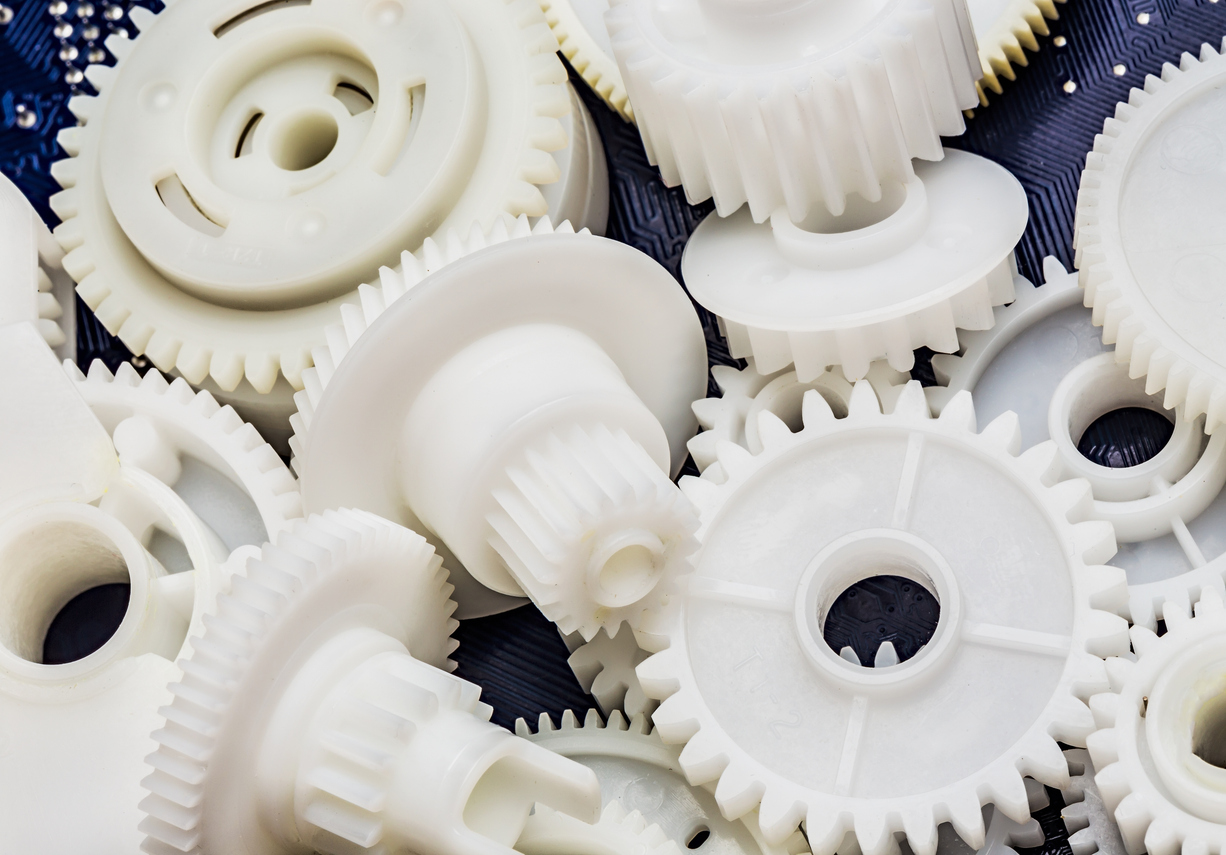
| Acetal (POM) | Excellent | ±0.025 | 175 | Gears, bearings, precision fasteners |
| Nylon 6/6 | Very Good | ±0.05 | 150 | Insulators, wear strips, fluid fittings |
| Polycarbonate | Good | ±0.05 | 135 | Enclosures, sight glasses, lenses |
| PTFE (Teflon) | Fair | ±0.075 | 260 | Seals, linings, chemical handling |
| PEEK | Moderate | ±0.05 | 250 | Aerospace, medical implants, valve parts |
Beyond material expertise, Honyo Prototype excels in managing the entire workflow for complex plastic components. We handle secondary operations such as precision drilling, tapping, knurling, and solvent bonding in-house, reducing supply chain complexity. Our technical staff proactively addresses plastic-specific concerns like internal stress relief through controlled annealing cycles and strategic part orientation to minimize warpage. Whether you require a single high-precision prototype for validation or a batch of 500 functional end-use parts, our integrated CNC capabilities and material knowledge ensure your plastic components perform reliably in the most demanding environments. Partner with Honyo to transform your plastic part designs into reality with engineering-grade precision and material confidence.
Technical Capabilities
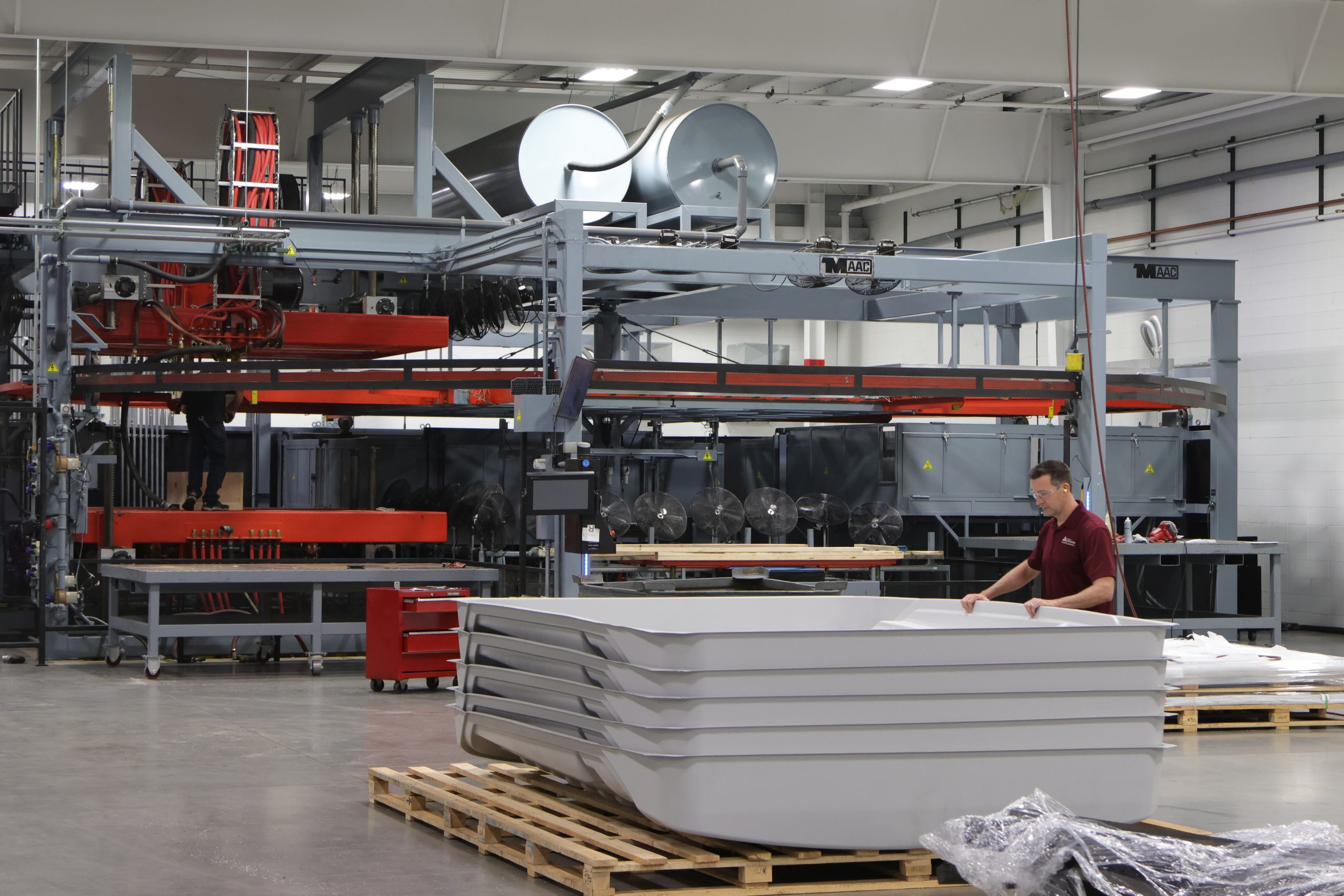
Shenzhen Honyo Prototype specializes in high-precision CNC machining of machinable plastic materials, delivering consistent quality and tight-tolerance components for industries including aerospace, medical, electronics, and automation. Our advanced 3-axis, 4-axis, and 5-axis milling capabilities, combined with precision turning on multi-axis lathes, enable us to produce complex geometries with excellent surface finishes and dimensional accuracy. We are equipped with state-of-the-art CNC systems, in-process inspection tools, and environmental controls to maintain stability during extended production runs, ensuring repeatability and conformance to stringent engineering requirements.
Our technical expertise spans a broad range of engineering-grade thermoplastics and thermosets, each selected for machinability, thermal stability, mechanical performance, and chemical resistance. Materials such as PEEK, Delrin (POM), Ultem (PEI), Polycarbonate, Nylon (PA6/PA66), PTFE, and acrylic are routinely processed under controlled conditions to minimize warpage and internal stress. We apply optimized cutting strategies, including high-speed machining (HSM), adaptive toolpaths, and cryogenic cooling where necessary, to preserve material integrity and achieve fine surface finishes down to Ra 0.8 µm.
Tight-tolerance machining is a core strength, with standard capabilities reaching ±0.005 mm on critical dimensions. For features requiring higher precision, our inspection-controlled processes support tolerances as tight as ±0.002 mm, verified using coordinate measuring machines (CMM), optical comparators, and laser scanning systems. We also conduct first-article inspections and PPAP documentation upon request to support production validation.
The following table outlines typical material options and achievable tolerances across our CNC milling and turning platforms:
| Material | Form | Typical Applications | Standard Tolerance (mm) | Tight Tolerance (mm) | Max Part Size (mm) | Notes |
|——————–|————-|—————————————–|————————–|————————|——————–|—————————————-|
| PEEK | Rod/Sheet | Aerospace, Medical, Semiconductor | ±0.005 | ±0.002 | 500 x 300 x 200 | High temp, chemical resistant |
| Delrin (POM) | Rod/Sheet | Gears, Bearings, Precision Components | ±0.005 | ±0.003 | 600 x 400 x 250 | Low friction, excellent dimensional stability |
| Ultem (PEI) | Rod/Sheet | Electrical Insulators, Medical Devices | ±0.005 | ±0.003 | 550 x 350 x 200 | Flame retardant, high strength-to-weight |
| Polycarbonate | Sheet/Rod | Transparent Enclosures, Lenses | ±0.010 | ±0.005 | 800 x 600 x 150 | Impact resistant, optical clarity |
| Nylon (PA6/PA66) | Rod/Sheet | Wear Strips, Bushings, Structural Parts | ±0.010 | ±0.005 | 700 x 500 x 200 | High toughness, moisture absorption |
| PTFE | Rod/Sheet | Seals, Liners, Low-Friction Parts | ±0.010 | ±0.005 | 400 x 300 x 150 | Chemically inert, soft material |
| Acrylic (PMMA) | Sheet | Displays, Light Guides, Covers | ±0.010 | ±0.005 | 1000 x 700 x 50 | Excellent clarity, scratch sensitive |
All machined components undergo rigorous quality control, including post-machining stress relief when required and final dimensional verification. Shenzhen Honyo Prototype is committed to delivering precision plastic components that meet or exceed customer engineering specifications, supporting rapid prototyping through low-to-mid volume production.
From CAD to Part: The Process
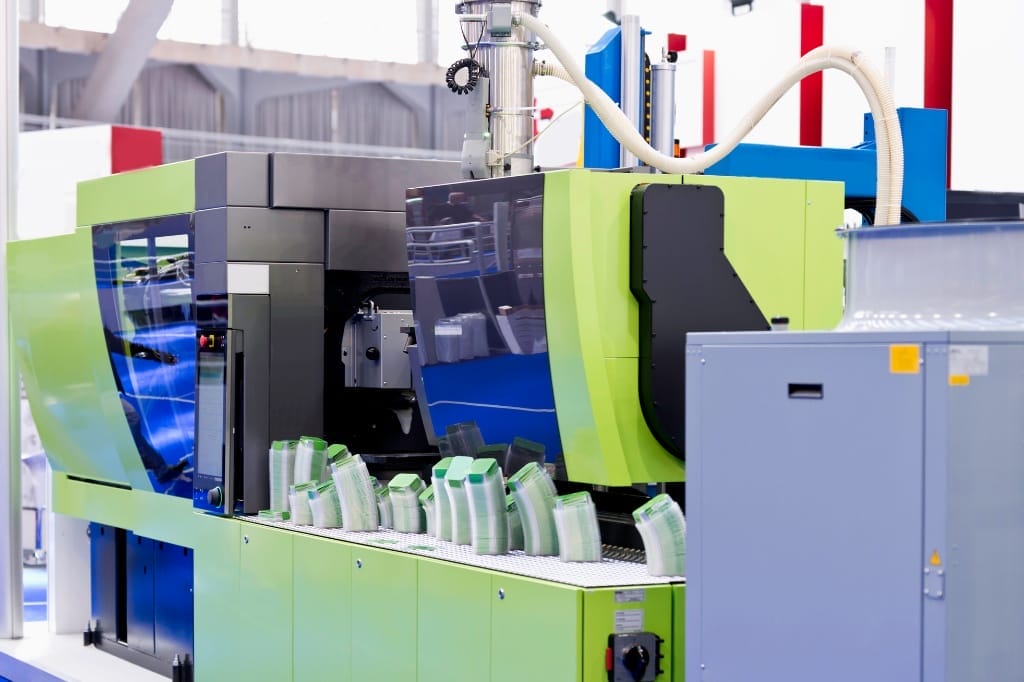
From CAD to Precision Plastic Part: Honyo Prototype’s CNC Machining Workflow
At Shenzhen Honyo Prototype, our CNC machining process for machinable plastics transforms digital designs into high-integrity components through a rigorously controlled sequence. This workflow minimizes errors, optimizes cost, and ensures dimensional stability—critical for plastics prone to thermal deformation and stress relaxation. The journey begins with AI-driven quoting, advances through expert Design for Manufacturability (DFM) analysis, and culminates in precision production.
AI-Powered Quoting for Technical Accuracy
Upon receiving a CAD file (STEP, IGES, or native formats), our proprietary AI engine performs an instant technical assessment. It analyzes geometric complexity, feature tolerances, material removal rates, and machine time requirements. Unlike generic quoting systems, Honyo’s AI cross-references historical machining data for plastics like POM, ABS, and PEEK, identifying potential pitfalls such as thin-wall deflection or deep cavity tool access early. This generates a technically validated quote within hours, including realistic lead times and material-cost breakdowns, setting clear expectations before order placement.
Engineering-Driven DFM: Mitigating Plastic-Specific Risks
Post-approval, our manufacturing engineers conduct a deep-dive DFM review focused on plastic behavior. We scrutinize wall thickness uniformity to prevent sink marks, evaluate draft angles for stress-free ejection from fixtures, and adjust tolerances to account for thermal expansion. Crucially, we assess clamping strategies to avoid part distortion—a common failure point in plastics machining. Clients receive actionable feedback within 24 hours, such as recommendations to increase radii at sharp corners or modify hole depths to reduce chip evacuation issues. This phase reduces rework by up to 70% for complex polymer components.
Precision Production: Controlled Machining of Sensitive Materials
With DFM sign-off, parts enter production on our HAAS and DMG MORI CNC centers, equipped with high-speed spindles and precision coolant systems. Machining parameters are material-specific: slower feed rates for brittle plastics like PMMA, optimized step-downs for fibrous composites, and strict thermal management for PEEK to prevent melting. All operations use sharp carbide tooling with positive rake angles to minimize cutting forces. In-process inspections at critical stages verify dimensions per ISO 2768-mK, while final CMM reports validate compliance with client-specified GD&T. Parts undergo stress-relief annealing if required, followed by edge deburring and visual inspection for surface integrity.
Key Plastic Material Specifications for CNC Machining
| Material | Key Properties | Machining Notes |
|———-|—————-|—————–|
| POM (Acetal) | Low friction, high stiffness, moisture resistance | Use sharp tools; avoid excessive heat; prone to chatter in thin walls |
| ABS | Impact-resistant, easy to machine, moderate temp resistance | Requires aggressive chip evacuation; sensitive to prolonged tool contact |
| PEEK | Exceptional thermal/chemical resistance, high strength | Controlled cutting temps (≤150°C); slow feeds; annealing critical post-machining |
This integrated workflow—AI quoting, plastic-optimized DFM, and material-aware production—ensures Honyo delivers machined plastic components with repeatable precision, on time and within budget. By addressing the unique physics of polymers at every stage, we eliminate guesswork and maximize first-pass yield for your prototypes and low-volume production runs.
Start Your Project
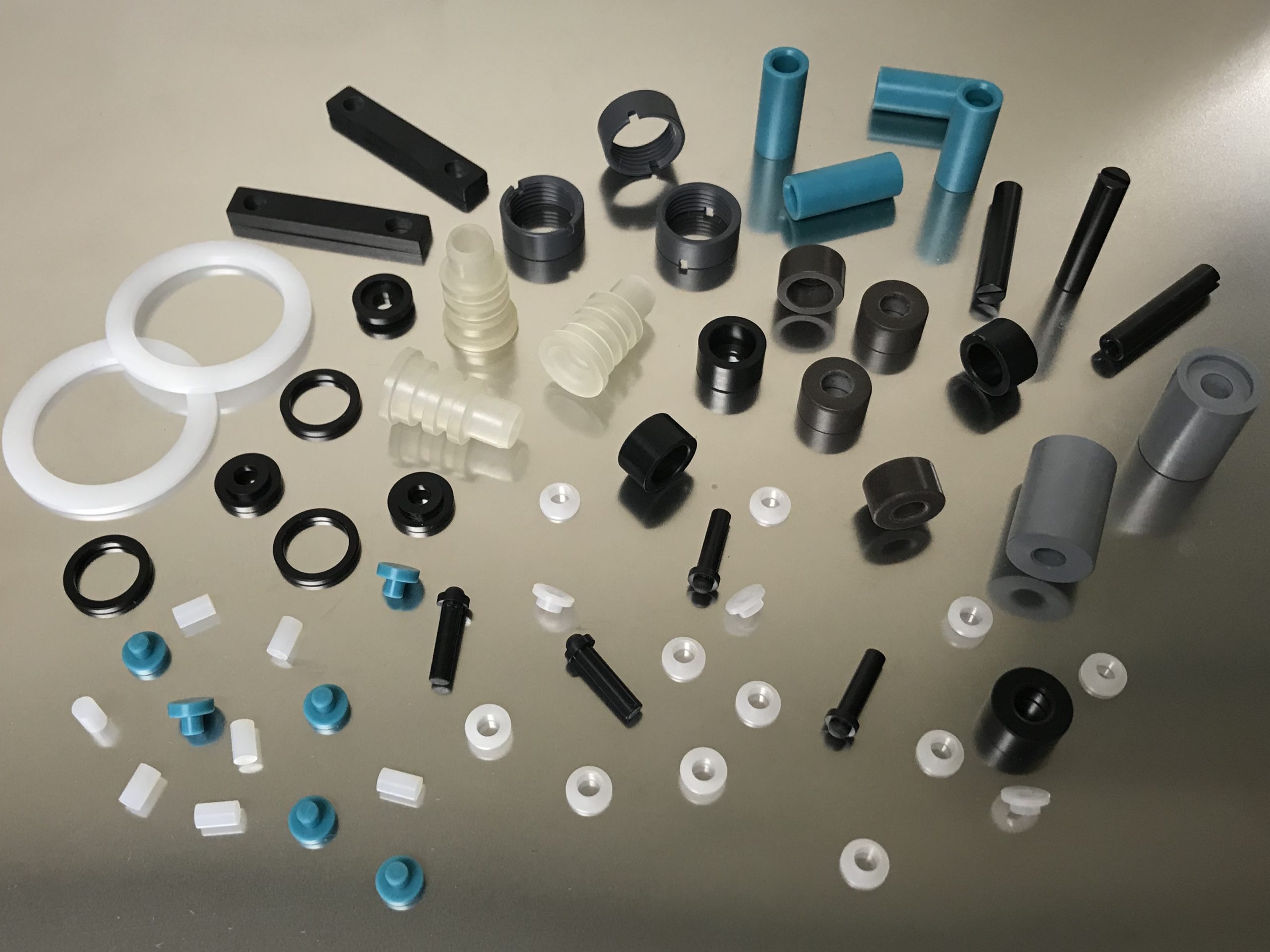
Start Your CNC Machining Project with Honyo Prototype – Expertise in Machinable Plastic Materials
When it comes to precision CNC machining of plastic materials, selecting the right partner is critical to achieving high-quality, repeatable, and functional prototypes or production parts. At Shenzhen Honyo Prototype, we specialize in transforming engineering concepts into reality using advanced CNC technology and a deep understanding of machinable plastics. Whether you’re developing components for medical devices, electronics, aerospace systems, or industrial equipment, our expertise ensures your project meets exact specifications with tight tolerances and superior surface finishes.
Our team is equipped to handle a wide range of thermoplastics and thermosets, including but not limited to ABS, POM (Delrin), PC, PA (Nylon), PEEK, PMMA (acrylic), PTFE, and PEI (Ultem). Each material offers unique mechanical, thermal, and chemical resistance properties, and our engineers work closely with clients to recommend the optimal material based on application requirements such as load-bearing capacity, environmental exposure, or sterilization needs.
We understand that every project begins with a vision. That’s why we offer a seamless onboarding process designed to minimize lead times and maximize accuracy. Simply provide your 3D CAD file, specify your material and finish preferences, and our team will generate a detailed quote within 12 hours. Our state-of-the-art 3-, 4-, and 5-axis CNC machining centers ensure complex geometries are produced with micron-level precision, while our quality control protocols—including CMM inspection and first-article reporting—guarantee consistency across batches.
Below is an overview of commonly machined plastic materials and their key properties to help guide your selection:
| Material | Tensile Strength (MPa) | Heat Deflection Temp (°C) | Key Characteristics |
|—————|————————|—————————-|———————————————-|
| ABS | 40–45 | 95 | Impact-resistant, easily machined, low cost |
| POM (Delrin) | 65–75 | 110 | High stiffness, low friction, excellent wear resistance |
| PC | 55–75 | 135 | High impact strength, transparent options |
| PA6/PA66 | 70–85 | 210 | Tough, abrasion-resistant, good fatigue performance |
| PEEK | 90–100 | 260 | Exceptional thermal stability, chemical resistance |
| PTFE | 15–25 | 260 | Low friction, excellent dielectric properties |
| PMMA | 60–75 | 90 | Optical clarity, UV resistance |
| PEI (Ultem) | 100–110 | 200 | High strength-to-weight ratio, flame resistant |
Starting your project with Honyo Prototype is simple and efficient. We support rapid turnaround times, with standard lead times as fast as 3–5 working days depending on complexity and volume. All parts are machined in-house at our ISO 9001-certified facility in Shenzhen, ensuring full traceability and adherence to international quality standards.
For expert guidance on material selection, design for manufacturability (DFM), or to request a quote, contact Susan Leo directly at info@hy-proto.com. Let Honyo Prototype be your trusted partner in precision plastic machining—where engineering excellence meets manufacturing reliability.
🚀 Rapid Prototyping Estimator
Get a rough estimate for CNC/3D Printing costs.