
Contents
Manufacturing Insight: Brass Vs Aluminum Hardness
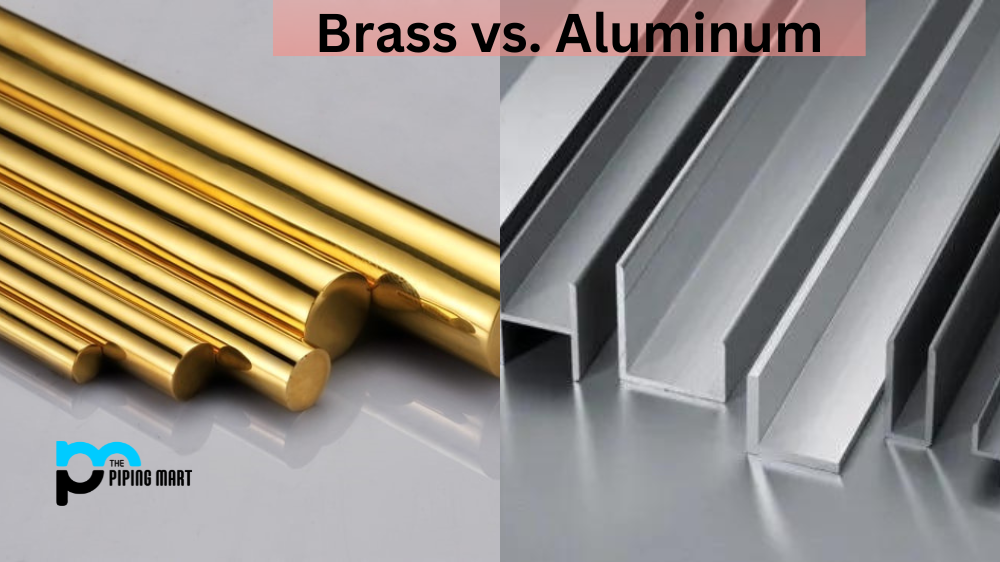
Manufacturing Insight: Brass vs Aluminum Hardness in Precision CNC Machining
Understanding material hardness is fundamental to achieving optimal results in CNC machining. At Honyo Prototype, we recognize that hardness directly influences tool selection, cutting parameters, surface finish quality, dimensional stability, and overall production efficiency. This insight compares the critical hardness characteristics of brass and aluminum alloys, two of the most frequently requested materials for rapid prototyping and low-volume production, highlighting how Honyo leverages this knowledge to deliver superior components.
Brass, particularly free-machining grades like C36000, generally exhibits higher hardness than common aluminum alloys used in prototyping. This inherent property impacts the machining process significantly. Brass’s higher hardness contributes to excellent chip formation and exceptional dimensional stability during cutting, often resulting in smoother surface finishes with minimal burring. However, it also increases cutting forces and accelerates tool wear compared to softer materials, demanding precise tool geometry and optimized speeds/feeds. Aluminum alloys, such as the widely used 6061-T6, possess lower hardness. While this makes them easier to cut with reduced force, it introduces challenges like material “gumminess,” potential for built-up edge on tools, and greater susceptibility to deflection or chatter during aggressive machining, especially in thin-walled features. Managing heat dissipation is also more critical with aluminum due to its higher thermal conductivity compared to brass.
The specific hardness values and their machining implications are critical for process planning. The table below summarizes key comparative properties relevant to CNC operations:
| Material | Typical Hardness Range (HB) | Machinability Rating (Relative) | Key Thermal Conductivity (W/m·K) | Primary Machining Challenge |
| :—————- | :————————– | :—————————— | :—————————– | :———————————————- |
| Brass (C36000) | 90 – 110 | Excellent (100-160) | 115 – 125 | Accelerated tool wear, higher cutting forces |
| Aluminum (6061-T6)| 95 – 105 | Very Good (90-110) | 160 – 200 | Chatter/deflection, built-up edge, heat management |
Honyo Prototype’s engineering team utilizes this material-specific understanding to tailor every CNC program. For brass components, we implement specialized carbide tooling with appropriate coatings, conservative depth of cuts, and elevated spindle speeds to manage heat and tool wear while maximizing surface integrity. When machining aluminum, our focus shifts to rigid setups, optimized toolpath strategies to minimize vibration, high feed rates to prevent rubbing, and effective coolant application to control thermal expansion and evacuate chips efficiently. Our in-house metrology lab, equipped with calibrated Rockwell and Vickers testers, verifies material hardness pre-machining to ensure process parameters align precisely with the specific batch properties, guaranteeing consistent part quality and performance.
Selecting between brass and aluminum involves balancing hardness-driven factors like machinability, strength requirements, corrosion resistance, and cost. Honyo Prototype’s deep expertise in the nuances of both materials allows us to guide clients toward the optimal choice and execute the machining process with precision, ensuring prototypes and production parts meet the most stringent functional and dimensional specifications. We transform material science into manufacturing excellence.
Technical Capabilities
Brass vs Aluminum Hardness in CNC Machining: Technical Capabilities at Shenzhen Honyo Prototype
At Shenzhen Honyo Prototype, our expertise in precision CNC machining extends to a comprehensive understanding of material properties, particularly the comparative hardness of brass and aluminum. This knowledge directly informs our approach to 3-axis, 4-axis, and 5-axis milling, as well as CNC turning operations, ensuring optimal toolpath strategies, tool life, and dimensional accuracy, especially in tight tolerance applications.
Brass, an alloy primarily composed of copper and zinc, typically exhibits higher hardness than most aluminum alloys. Common brass grades such as C36000 (free-cutting brass) have a Brinell hardness ranging from 90 to 110 HB, while 6061-T6 aluminum, a widely used structural alloy, measures approximately 95 HB. Despite their similar hardness values, the mechanical behavior under machining conditions differs significantly. Brass is denser and more abrasive due to its composition, leading to increased tool wear, particularly when using uncoated carbide tools. However, its excellent machinability allows for high feed rates and superior surface finishes, making it ideal for complex turned components and milled parts requiring cosmetic quality.
Aluminum, especially grades like 6061-T6 and 7075-T6, offers lower density and higher thermal conductivity. While 7075-T6 can reach hardness levels up to 150 HB—surpassing many brass alloys—it remains easier to machine due to its softer microstructure and reduced abrasive nature. This enables faster material removal rates in multi-axis milling operations and extended tool life. Aluminum’s lower hardness also reduces cutting forces, minimizing deflection and enhancing dimensional stability in thin-walled or intricate geometries.
In tight tolerance machining—where tolerances as tight as ±0.005 mm are required—material stability and thermal behavior become critical. Brass exhibits lower thermal expansion compared to aluminum, providing dimensional consistency during prolonged machining cycles. However, aluminum’s high thermal conductivity helps dissipate heat quickly, reducing the risk of localized deformation during high-speed operations.
Our CNC machining centers, equipped for 3, 4, and 5-axis configurations, leverage adaptive tooling and coolant strategies tailored to each material. For brass, we employ sharp, polished tools with protective coatings to mitigate galling and wear. For aluminum, high-helix end mills with polished flutes prevent built-up edge and ensure smooth chip evacuation.
The following table outlines key material and tolerance specifications supported at Shenzhen Honyo Prototype:
| Material | Typical Hardness (HB) | Max Tolerance (Standard) | Max Tolerance (Tight) | Recommended Processes |
|—————–|————————|—————————|————————|————————————-|
| C36000 Brass | 90–110 | ±0.025 mm | ±0.005 mm | Turning, 3/4-Axis Milling |
| 6061-T6 Aluminum| 95 | ±0.025 mm | ±0.005 mm | 3/4/5-Axis Milling, Turning |
| 7075-T6 Aluminum| 130–150 | ±0.025 mm | ±0.008 mm | 5-Axis Milling, High-Performance Turning |
Understanding the interplay between hardness, machinability, and thermal response allows Shenzhen Honyo Prototype to deliver precision components across diverse industries, from aerospace to consumer electronics.
From CAD to Part: The Process
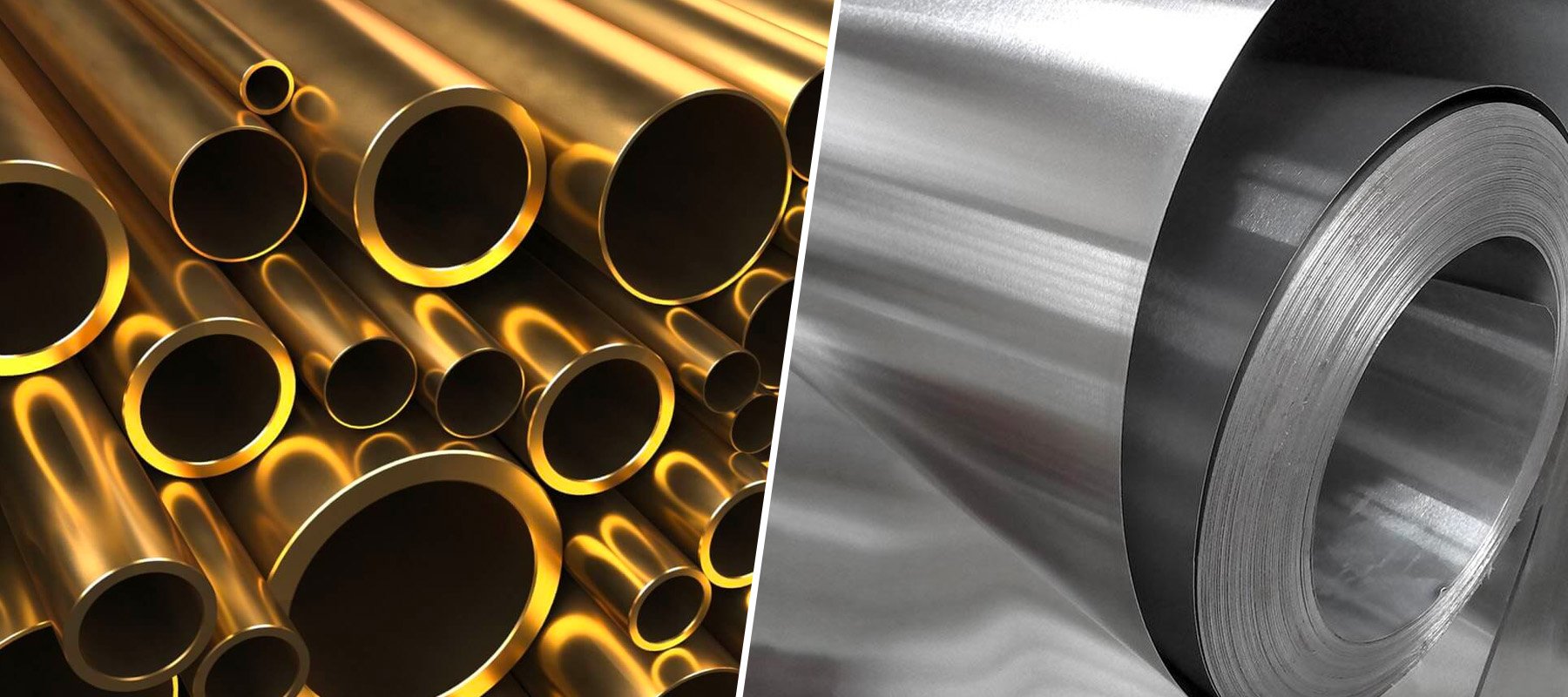
Material Hardness Impact on CNC Workflow: Brass vs Aluminum
Understanding material hardness is critical when transitioning from CAD design to finished prototype, particularly for brass and aluminum alloys common in precision CNC machining. At Shenzhen Honyo Prototype, our workflow integrates material-specific properties at every stage—from initial quoting through production—to ensure optimal part integrity, cost efficiency, and delivery timelines. Hardness directly influences machining parameters, tool selection, and geometric feasibility, making it a cornerstone of our production planning.
The process begins with the AI Quote phase, where material hardness data drives time and cost estimation. Brass (typically C36000) exhibits a Brinell hardness of 100–130 HB, while common aluminum alloys like 6061-T6 range from 95–105 HB. Despite similar nominal values, brass’s free-machining properties reduce cycle times by 15–20% compared to aluminum under identical geometries. Our AI system cross-references these hardness ranges with part complexity to predict toolpath efficiency, spindle load, and potential scrap rates. For instance, brass’s lower shear strength allows higher feed rates, directly lowering machine-hour costs in the quote.
Next, Design for Manufacturability (DFM) analysis rigorously evaluates hardness-driven constraints. Thin walls, tight tolerances, or fine details require distinct approaches: brass’s self-lubricating nature minimizes deflection risks but increases galling potential in threaded features, while aluminum’s lower modulus demands slower feeds to prevent chatter in deep cavities. Our DFM review flags critical zones where hardness impacts surface finish or dimensional stability, such as aluminum’s susceptibility to thermal warping during high-speed cutting.
Production execution then applies material-specific protocols. Brass machining prioritizes sharp carbide tools at moderate speeds (600–1000 SFM) to avoid built-up edge, whereas aluminum requires high-speed strategies (800–2500 SFM) with aggressive coolant flow to evacuate chips and manage heat. Hardness variations within alloy batches necessitate real-time spindle load monitoring; deviations beyond ±5 HB trigger automatic parameter adjustments to maintain ±0.025mm tolerances.
Key material properties guiding our workflow include:
| Material Property | Brass C36000 | Aluminum 6061-T6 | CNC Impact |
|————————-|———————-|———————-|—————————————————————————-|
| Hardness Range (HB) | 100–130 | 95–105 | Brass allows 20% faster feeds but requires stricter tool geometry control. |
| Thermal Conductivity | 115 W/m·K | 167 W/m·K | Aluminum demands superior chip evacuation to prevent heat-induced warping. |
| Machinability Rating | 100% (Reference) | 90–95% | Brass reduces tool wear; aluminum increases cutter replacement frequency. |
Throughout this workflow—from CAD file receipt to final inspection—hardness data informs dynamic decision-making. By embedding material science into our AI quoting, DFM protocols, and production controls, Honyo ensures brass and aluminum prototypes meet exacting functional requirements without compromising speed or cost targets. This systematic approach eliminates rework, delivering precision parts in 3–7 days for 95% of client projects.
Start Your Project
Understanding the differences in material hardness between brass and aluminum is essential when planning a CNC machining project. At Shenzhen Honyo Prototype, we specialize in precision manufacturing and material optimization to ensure your prototypes and production parts meet exact performance and durability standards. Whether you’re designing components for aerospace, electronics, or industrial machinery, selecting the right material based on hardness, machinability, and application environment can significantly impact both function and cost-efficiency.
Brass and aluminum differ notably in their mechanical properties. Brass, an alloy primarily composed of copper and zinc, typically exhibits higher hardness compared to most aluminum alloys. This inherent hardness gives brass superior wear resistance and dimensional stability, making it ideal for applications such as bushings, connectors, and threaded components. Its excellent machinability allows for tight tolerances and smooth surface finishes, reducing tool wear and cycle times during CNC operations.
Aluminum, on the other hand, is valued for its lightweight nature and good strength-to-weight ratio. While generally softer than brass, certain heat-treated aluminum alloys—such as 7075-T6—can achieve hardness levels suitable for structural applications. Aluminum’s lower density makes it a preferred choice in industries where weight reduction is critical, including automotive and aerospace. Additionally, aluminum’s high thermal and electrical conductivity, combined with strong corrosion resistance, makes it suitable for heat sinks, enclosures, and electrical housings.
When comparing hardness values using standard measurement scales, the differences become clear. Below is a reference table showing typical hardness ranges for common brass and aluminum alloys:
| Material | Alloy Type | Hardness (Brinell HB) | Hardness (Rockwell B) | Typical Applications |
|——————|—————-|————————|————————|————————————-|
| Brass | C36000 (Free-Cutting) | 95–110 HB | 65–75 HRB | Precision shafts, fittings, valves |
| Brass | C26000 (Cartridge) | 100–130 HB | 70–80 HRB | Fasteners, plumbing components |
| Aluminum | 6061-T6 | 95–105 HB | — | Brackets, structural frames |
| Aluminum | 7075-T6 | 150–170 HB | — | Aerospace components, high-stress parts |
Choosing between brass and aluminum involves balancing hardness with other factors such as weight, corrosion resistance, electrical properties, and cost. At Honyo Prototype, our engineering team works closely with clients to evaluate these parameters and recommend the optimal material for their specific design and functional requirements.
Starting your next CNC machining project with the right material selection sets the foundation for success. If you’re evaluating brass versus aluminum for hardness, durability, or manufacturability, we invite you to consult with our experts. Contact Susan Leo directly at info@hy-proto.com to discuss your project specifications. Our team at Shenzhen Honyo Prototype is ready to support you from design review to final production, ensuring precision, quality, and timely delivery. Reach out today to begin the conversation and take the first step toward high-performance manufacturing solutions tailored to your needs.
🚀 Rapid Prototyping Estimator
Get a rough estimate for CNC/3D Printing costs.