
Contents
Manufacturing Insight: Citric Passivation Of Stainless Steel
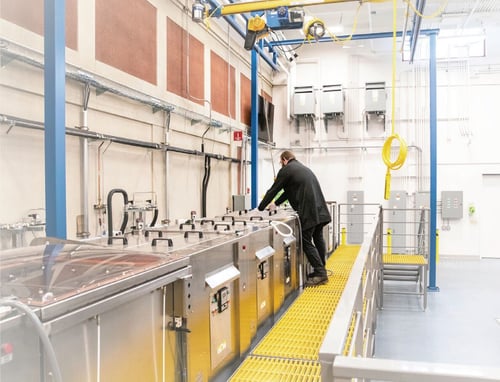
Manufacturing Insight: Citric Passivation of Stainless Steel
Citric passivation represents a significant advancement in the surface treatment of stainless steel components, particularly within high-precision CNC machining environments. This chemical process removes exogenous iron particles and other contaminants introduced during machining, grinding, or handling, while simultaneously enriching the chromium oxide layer naturally present on stainless steel surfaces. Unlike traditional nitric acid passivation, citric acid formulations offer a safer, more environmentally sustainable alternative without compromising corrosion resistance—a critical factor for medical, aerospace, and semiconductor applications where part integrity is non-negotiable. At Shenzhen Honyo Prototype, we deploy citric passivation as a standard post-machining step to ensure our stainless steel prototypes and low-volume production parts meet stringent industry performance benchmarks.
The shift toward citric-based systems addresses key limitations of nitric methods, including hazardous fume generation, regulatory complexities, and potential for chromium reduction in certain stainless grades. Citric acid operates effectively at lower concentrations and temperatures, reducing energy consumption and workplace safety risks. Crucially, it achieves equivalent or superior corrosion resistance per ASTM A967 and AMS 2700 standards while eliminating heavy metal waste streams. This aligns with global environmental regulations and simplifies waste disposal for our clients, particularly those in EU and North American supply chains.
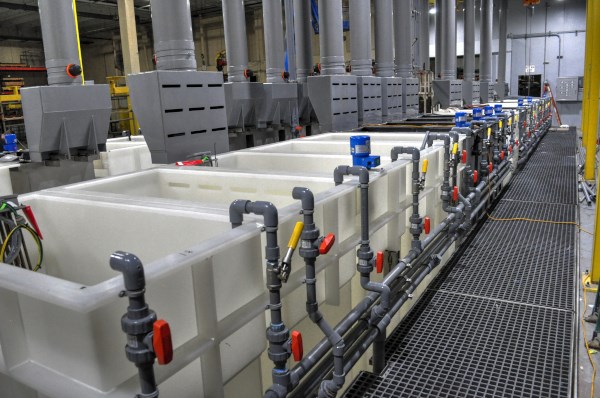
Honyo Prototype’s citric passivation process is engineered for consistency across complex geometries typical of CNC-machined components. We utilize automated immersion systems with precise control over critical parameters, ensuring uniform treatment even on intricate features like internal threads, thin walls, and micro-channels. Our standard operating ranges are validated through rigorous in-house testing:
| Parameter | Honyo Standard Range | Measurement Tolerance |
|——————–|———————-|————————|
| Citric Acid Concentration | 4-10% by weight | ±0.5% |
| Process Temperature | 50-70°C (122-158°F) | ±2°C |
| Immersion Time | 20-45 minutes | ±1 minute |
| Rinse Conductivity | < 50 µS/cm | Verified per batch |
Quality assurance is embedded at every stage. Pre-treatment cleaning removes oils and particulates that could shield contaminants from the passivation chemistry. Post-process validation includes nitric acid-free copper sulfate testing per ASTM A967 Method C and ferroxyl testing to detect residual free iron. We further verify results via salt spray (ASTM B117) for client-critical applications, typically achieving >1,000 hours to first red rust on 304/316 stainless steel. All parameters are documented in our ISO 9001-certified workflow, with material-specific protocols adjusted for grade (e.g., 17-4PH, 440C) and part geometry.
For CNC-machined prototypes, citric passivation is not merely a finishing step—it is integral to functional reliability. Surface integrity directly impacts fatigue life, biocompatibility, and weldability in downstream processes. Honyo’s integration of this technology within our Shenzhen facility ensures rapid turnaround without compromising on metallurgical excellence. By prioritizing both performance and sustainability, we deliver stainless steel components that perform predictably in the most demanding operational environments, reinforcing our commitment to engineering precision from prototype to production.
Technical Capabilities
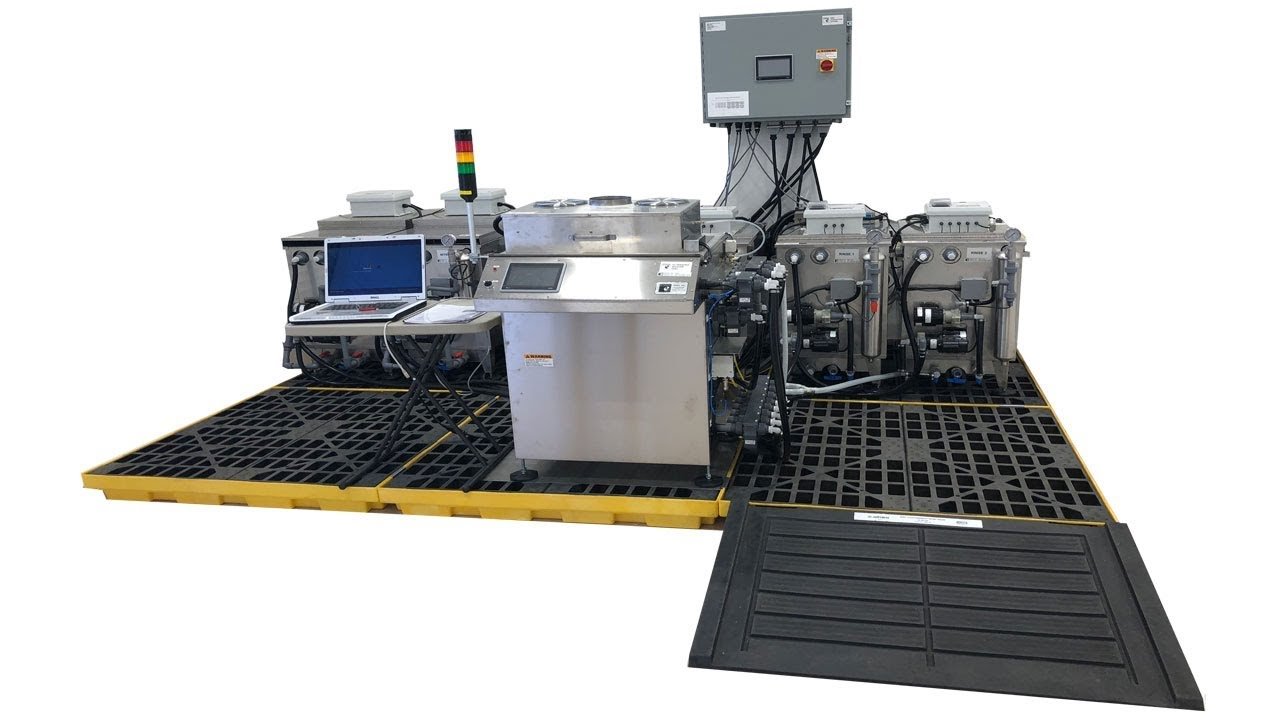
Citric Passivation of Stainless Steel – Manufacturing Guide
Shenzhen Honyo Prototype offers precision citric acid passivation as a post-machining surface treatment for stainless steel components produced through 3-axis, 4-axis, and 5-axis CNC milling, as well as CNC turning operations. This environmentally responsible process enhances corrosion resistance by removing free iron contamination from the surface of stainless steel parts without altering dimensional tolerances or surface finish. Our citric passivation is ideal for components requiring tight tolerances, high reliability, and compliance with medical, aerospace, and food-grade industry standards.
Citric passivation at Honyo Prototype is performed in accordance with ASTM A967 and AMS 2700 Type 7 specifications. The process utilizes a controlled citric acid solution, typically between 4% and 10% concentration, with temperature and immersion time optimized based on alloy composition and part geometry. Compared to traditional nitric acid passivation, citric passivation is safer, more sustainable, and equally effective, eliminating hazardous fumes and reducing waste disposal concerns.
All stainless steel parts undergo thorough pre-cleaning to remove oils, coolants, and particulates before immersion in the citric acid bath. The process selectively removes surface iron without attacking the chromium-nickel matrix, promoting the formation of a uniform, chromium-rich passive oxide layer. Post-treatment, parts are rinsed with deionized water and dried using clean, filtered air to prevent water spotting and recontamination.
The following table outlines the key technical parameters and capabilities for citric passivation at Honyo Prototype:
| Parameter | Specification |
|——————————-|——————————————————————————-|
| Compatible Materials | 303, 304, 304L, 316, 316L, 17-4 PH, 410, 416, 420, 430, 440C |
| Maximum Part Size | 1200 mm × 800 mm × 600 mm (L × W × H) |
| Tolerance Maintenance | ±0.005 mm (no dimensional change expected) |
| Surface Roughness Preservation| Ra 0.1 µm to Ra 3.2 µm (as machined) |
| Passivation Standard | ASTM A967, AMS 2700 Type 7 |
| Acid Concentration | 4% – 10% citric acid (by weight) |
| Process Temperature | 50°C – 70°C |
| Immersion Time | 20 – 60 minutes (based on alloy and part complexity) |
| Rinsing Method | Deionized water spray and immersion, followed by filtered hot-air drying |
| Testing Method | Water break test, copper sulfate test (optional), and ferroxyl test (optional)|
| Typical Applications | Medical devices, aerospace components, food processing equipment, fluid systems|
Citric passivation is particularly recommended for high-precision components where surface integrity and long-term corrosion resistance are critical. At Honyo Prototype, the process is integrated into our end-to-end CNC manufacturing workflow, ensuring seamless transition from machining to surface treatment. Our quality control team performs batch verification to confirm passivation efficacy, ensuring each component meets the required performance criteria.
By combining advanced CNC machining with eco-friendly citric passivation, Shenzhen Honyo Prototype delivers stainless steel parts with superior surface quality, dimensional accuracy, and environmental compliance.
From CAD to Part: The Process
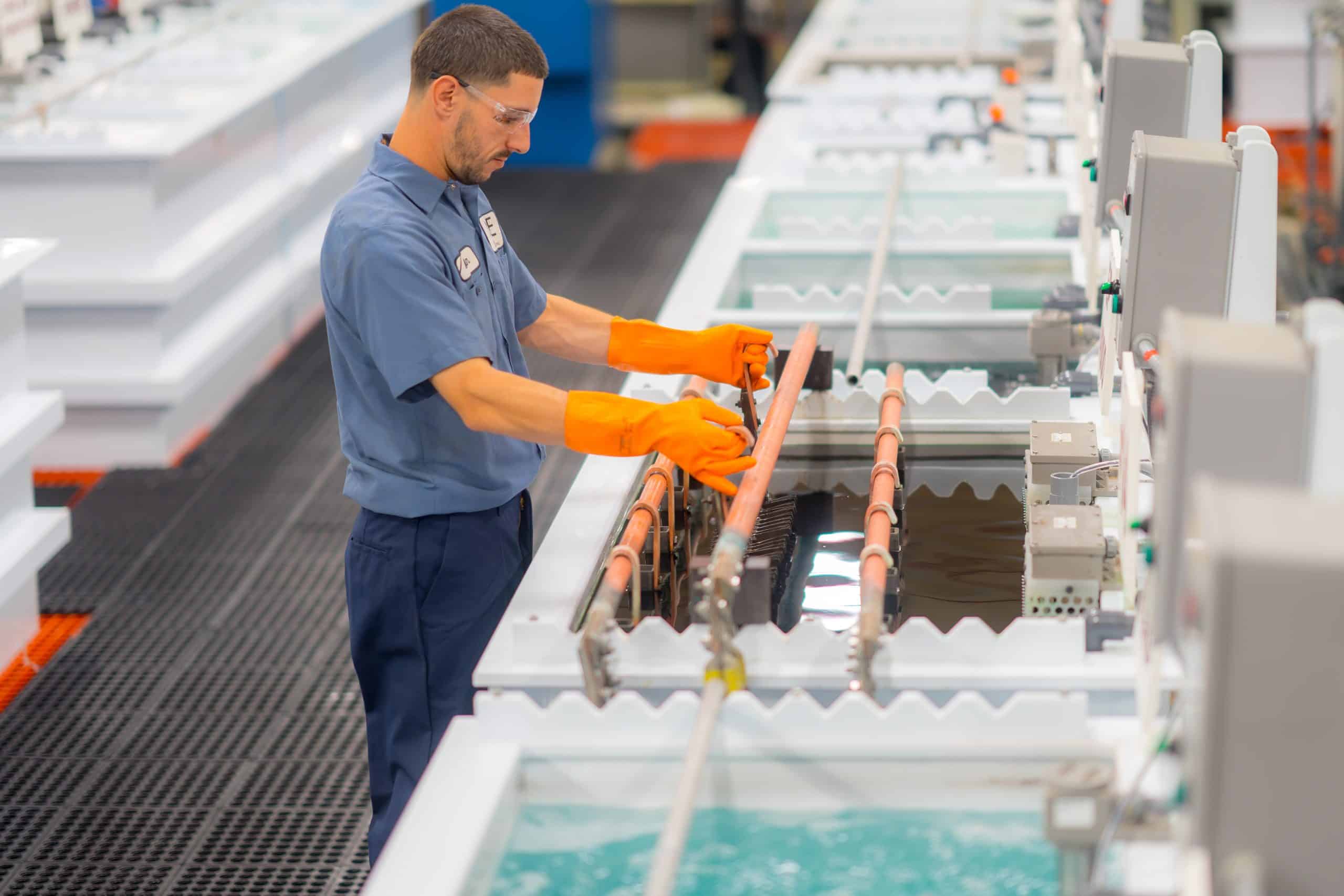
Citric Passivation Production Workflow: From CAD to Certified Component
At Shenzhen Honyo Prototype, our citric passivation process for stainless steel CNC machined parts integrates seamlessly within a rigorous, AI-optimized manufacturing workflow. This ensures superior corrosion resistance while meeting stringent environmental and industry standards like ASTM A967. The journey begins the moment a CAD file is submitted through our proprietary AI Quote system. This platform instantly analyzes geometry, material grade (typically 304, 316, or 17-4PH), and surface finish requirements, generating an accurate cost and timeline estimate while pre-identifying potential manufacturability constraints relevant to post-machining chemical treatment. This initial AI assessment significantly accelerates project initiation and sets precise expectations.
Following quote acceptance, the design enters our mandatory Design for Manufacturability (DFM) review. Our engineering team conducts a deep-dive analysis, specifically scrutinizing factors critical to effective citric passivation. This includes evaluating part geometry for adequate drainage to prevent solution pooling, identifying sharp edges or tight crevices where passive layer formation might be compromised, and verifying surface roughness (Ra) is within optimal ranges (typically ≤ 1.6 µm) to ensure uniform treatment. Any DFM flags, such as insufficient venting holes or inadequate access for cleaning, are communicated to the client with actionable recommendations before cutting metal. This proactive step is vital; inadequate cleaning prior to passivation or poor part design directly causes passivation failure.
Production commences only after DFM sign-off. Precision CNC machining creates the near-net shape. Crucially, the part then undergoes meticulous pre-treatment: ultrasonic alkaline cleaning removes oils and particulates, followed by thorough DI water rinsing. This clean surface is essential for the citric acid to react uniformly with free iron. The part is then immersed in the citric acid bath under strictly controlled parameters. Honyo utilizes a proprietary, environmentally compliant citric solution, avoiding hazardous nitric acid. Key process parameters are rigorously monitored and documented:
| Parameter | Standard Value | Tolerance | Verification Method |
| :—————– | :————- | :———— | :———————– |
| Citric Concentration | 4% – 10% w/w | ±0.5% | Titration |
| Temperature | 120°F – 160°F | ±5°F | Calibrated Thermocouple |
| Immersion Time | 20 – 45 min | ±2 min | Automated Timer |
| Agitation | Moderate | Consistent | Visual/Observation |
| Rinse Water Conductivity | < 50 µS/cm | Continuous | In-line Monitor |
Post-passivation, parts undergo multiple DI water rinses and a final air-dry cycle. Comprehensive quality verification follows, including the copper sulfate test per ASTM A967 to confirm the absence of free iron and the integrity of the chromium oxide layer. Only components passing all visual, dimensional, and chemical tests are certified and shipped. This integrated AI Quote -> DFM -> Precision Production workflow guarantees that every citric-passivated stainless steel part from Honyo delivers maximum corrosion resistance, environmental compliance, and reliability for demanding applications in medical, aerospace, and semiconductor industries.
Start Your Project
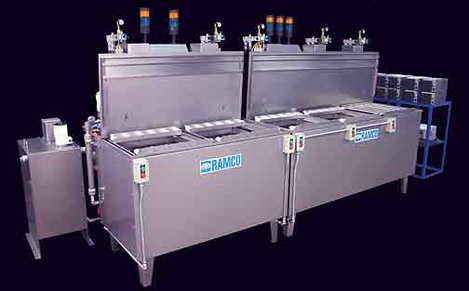
Citric Passivation of Stainless Steel: A Precision Manufacturing Guide
At Shenzhen Honyo Prototype, we specialize in advanced CNC machining solutions that ensure superior performance, durability, and compliance for your stainless steel components. One of the critical finishing processes we offer—citric acid passivation—plays a pivotal role in enhancing corrosion resistance and ensuring long-term reliability in demanding environments. As industries ranging from medical devices to aerospace continue to demand higher material integrity, citric passivation has emerged as the preferred method for achieving clean, oxide-free surfaces without the environmental and safety concerns associated with traditional nitric acid passivation.
Citric passivation removes free iron contamination from the surface of stainless steel parts introduced during machining, grinding, or handling. By dissolving these contaminants, the process promotes the formation of a uniform, chromium-rich passive layer that naturally protects the underlying metal. Unlike nitric acid methods, citric passivation is environmentally safe, non-hazardous, and fully compliant with increasingly strict regulatory standards such as RoHS and REACH. It is particularly well-suited for complex geometries produced via CNC machining, where thorough rinsing and residue control are essential.
Our engineered approach integrates citric passivation seamlessly into your production workflow. We tailor bath concentration, temperature, and dwell time based on your specific alloy type and component design. Whether you’re working with 304, 316, 17-4 PH, or other stainless grades, our process ensures consistent results validated through rigorous post-treatment testing.
Below are the standard specifications we follow for citric acid passivation:
| Parameter | Standard Range |
|————————-|————————————|
| Citric Acid Concentration | 4–10% by weight |
| Temperature | 60–70°C (140–160°F) |
| Process Time | 20–30 minutes |
| Rinse Water Quality | Deionized (DI) water, ≤5 µS/cm |
| Drying Method | Hot air or oven drying |
| Acceptance Criteria | Water Break Test, Copper Sulfate Test, or Ferroxyl Test |
All passivated parts undergo full traceability documentation and quality inspection to meet ASTM A967, AMS 2700, and customer-specific requirements. We also support batch processing with NIST-traceable process monitoring for high-volume production runs.
If you are designing or manufacturing precision stainless steel components and require a reliable, eco-friendly passivation solution, partner with Honyo Prototype. Our engineering team is ready to support your project from concept to completion.
Start Your Project Today
Contact Susan Leo at info@hy-proto.com to discuss your citric passivation needs. Provide your material specifications, part drawings, and applicable standards—we’ll deliver a customized processing plan with fast turnaround and full technical documentation. At Shenzhen Honyo Prototype, we don’t just manufacture parts; we engineer performance. Reach out now and ensure your components meet the highest standards in surface integrity and corrosion resistance.
🚀 Rapid Prototyping Estimator
Get a rough estimate for CNC/3D Printing costs.