
Contents
Manufacturing Insight: Cnc Milling Machine For Aluminium

Manufacturing Insight: CNC Milling for Aluminum
Aluminum remains a cornerstone material in rapid prototyping and low-volume production due to its exceptional strength-to-weight ratio, thermal conductivity, and machinability. However, optimizing CNC milling processes for aluminum alloys—such as 6061-T6, 7075-T6, and 5052—demands specialized machine capabilities and process expertise to overcome inherent challenges. Aluminum’s softness and low melting point can lead to built-up edge (BUE), chatter, and thermal deformation if not managed precisely. At Shenzhen Honyo Prototype, we leverage advanced CNC milling infrastructure and decades of material-specific experience to deliver dimensionally accurate, surface-finish-optimized aluminum components for aerospace, automotive, and medical applications.
Critical considerations for aluminum milling include high spindle speeds to minimize heat accumulation and prevent material adhesion to cutting tools, rigid machine structures to counteract vibration during aggressive feed rates, and strategic coolant application to evacuate chips and stabilize workpiece temperatures. Aluminum’s tendency to gall requires optimized tool geometries—such as polished flutes and variable helix angles—and non-stick coatings like TiAlN. Our facility employs dedicated high-speed machining centers with thermal compensation systems to maintain tolerances within ±0.005 mm, even during extended operations.
Honyo Prototype’s CNC milling capabilities for aluminum are anchored in purpose-built machinery and process controls. The table below outlines key specifications of our primary milling platforms:
| Specification | Value | Relevance to Aluminum Machining |
|————————|—————————|———————————————–|
| Max Spindle Speed | 24,000 RPM | Prevents BUE and ensures clean chip evacuation |
| Positioning Accuracy | ±0.002 mm | Critical for tight-tolerance aerospace features |
| Machine Rigidity | Cast iron frame + linear guides | Minimizes chatter during deep pocket milling |
| Tool Capacity | 30+ tool ATC | Enables complex multi-operation setups |
| Coolant System | High-pressure through-spindle | Flushes fine chips and controls thermal growth |
Our process workflow integrates material-specific strategies: pre-programmed ramping entry paths to reduce tool shock, adaptive clearing cycles that maintain constant chip load, and in-process probing for real-time thermal drift correction. For thin-walled or complex geometries, we utilize vacuum fixtures and low-force clamping to prevent distortion. Surface finishes as fine as Ra 0.8 μm are routinely achieved without secondary polishing, leveraging optimized feed/speed parameters and sharp carbide tooling.
Shenzhen Honyo Prototype combines this technical infrastructure with material science expertise to address aluminum’s unique demands. Every project undergoes a manufacturability review focused on minimizing residual stress and maximizing yield—whether producing single prototypes or batches of 50+ units. By aligning machine capabilities with alloy-specific machining protocols, we ensure components meet stringent functional and aesthetic requirements while accelerating time-to-test for our clients. Partner with Honyo to transform aluminum designs into high-integrity prototypes with engineering-grade precision.
Technical Capabilities
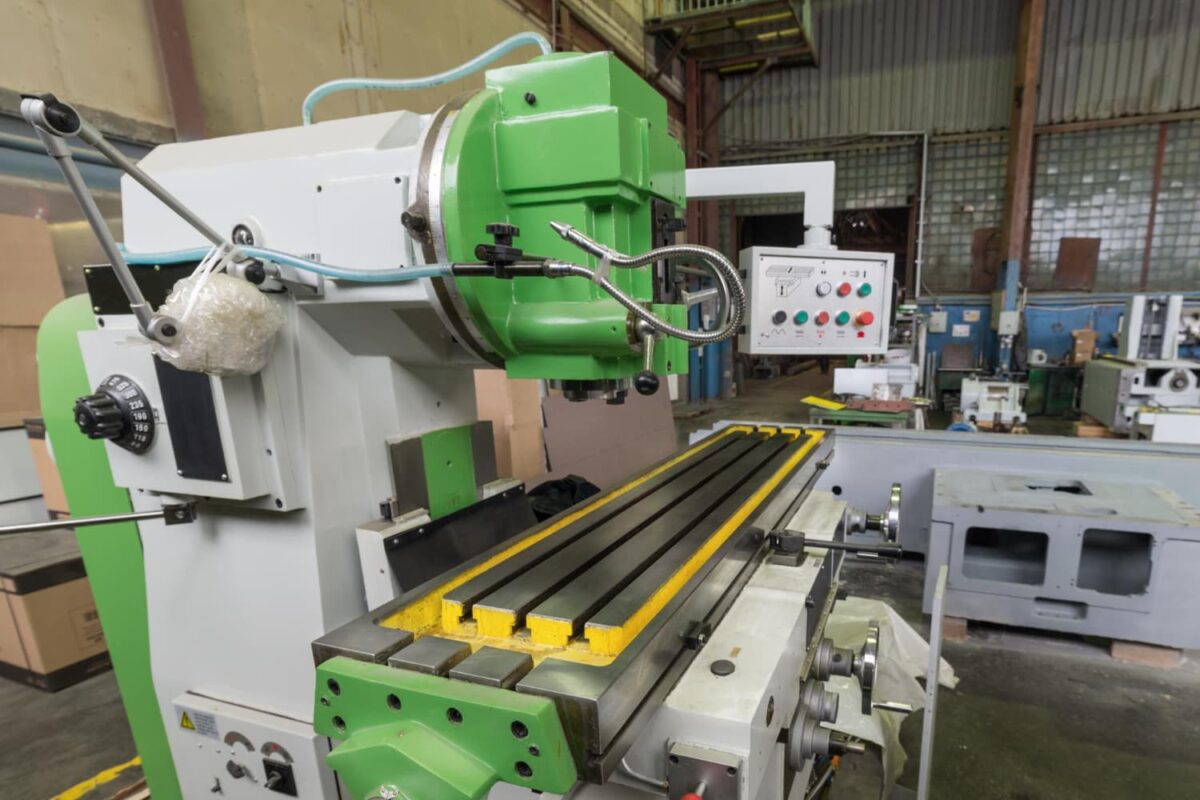
CNC Milling Capabilities for Aluminum at Shenzhen Honyo Prototype
At Shenzhen Honyo Prototype, our CNC milling capabilities are specifically optimized for high-precision aluminum components, serving industries such as aerospace, automotive, electronics, and medical devices. Our advanced 3-axis, 4-axis, and 5-axis CNC milling machines deliver superior accuracy, surface finish, and geometric complexity, enabling the production of intricate aluminum parts with tight tolerances and consistent repeatability. These machines are integrated with high-speed spindles, rigid tooling systems, and real-time monitoring to ensure optimal performance when machining aluminum alloys, including 6061, 7075, 2024, and 5052.
Our 3-axis milling centers are ideal for prismatic and flat-surfaced aluminum components, offering fast material removal rates and excellent dimensional control. For more complex geometries requiring indexing or multi-sided machining, our 4-axis systems provide rotational capability around the X-axis, enabling efficient undercut machining and improved feature alignment. For the most demanding projects, our 5-axis simultaneous milling platforms allow for continuous tool engagement from multiple angles, minimizing setup changes and maximizing precision on freeform surfaces, deep cavities, and organic shapes commonly found in lightweight structural components.
In addition to milling, we offer CNC turning for aluminum, combining precision live tooling with high spindle speeds to produce complex turned-milled parts in a single setup. This hybrid capability supports the manufacture of shafts, housings, connectors, and other rotational components with minimal lead time and superior concentricity.
Tight tolerance machining is a core strength at Honyo Prototype. Our machines are maintained under strict calibration schedules, and our process includes in-process inspections using coordinate measuring machines (CMM) and optical comparators. We consistently achieve tolerances down to ±0.005 mm (±0.0002″) for critical dimensions, with surface finishes as fine as Ra 0.8 µm (32 µin) achievable through optimized tool paths and finishing cycles.
Below is an overview of our standard tolerances and compatible aluminum materials:
| Feature | Standard Tolerance | Precision Capability |
|——–|———————|————————-|
| Linear Dimensions | ±0.05 mm | ±0.005 mm |
| Hole Diameter | ±0.025 mm | ±0.01 mm |
| Positional Tolerance | ±0.05 mm | ±0.012 mm |
| Flatness | 0.05 mm per 100 mm | 0.01 mm per 100 mm |
| Surface Roughness (Ra) | 3.2 µm (125 µin) | 0.8 µm (32 µin) |
| Aluminum Alloy | Common Applications | Machinability Rating | Max Part Size (mm) |
|—————-|———————-|————————|———————|
| 6061-T6 | Enclosures, brackets, structural frames | Excellent | 600 × 400 × 300 |
| 7075-T6 | Aerospace components, high-stress parts | Good | 500 × 350 × 250 |
| 2024-T3 | Aircraft fittings, military hardware | Moderate | 450 × 300 × 200 |
| 5052-H32 | Marine and chemical environment parts | Very Good | 600 × 400 × 250 |
All aluminum machining operations are supported by optimized coolant systems and chip management to prevent material welding and thermal distortion. Our engineering team collaborates with clients during the design phase to ensure manufacturability, recommend appropriate alloys, and identify opportunities for cost reduction without compromising performance. With a focus on speed, precision, and quality, Shenzhen Honyo Prototype delivers reliable CNC-machined aluminum solutions for both prototypes and low-to-mid volume production runs.
From CAD to Part: The Process
From CAD to Finished Part: Aluminum CNC Milling Workflow at Honyo Prototype
At Shenzhen Honyo Prototype, our CNC milling process for aluminum components is engineered for precision, efficiency, and seamless integration from initial concept to final delivery. We utilize a structured three-phase workflow—AI Quote, Design for Manufacturability (DFM), and Production—to minimize lead times, optimize costs, and ensure exceptional part quality. This disciplined approach is critical for aluminum, which demands specific machining strategies to manage thermal expansion, chip evacuation, and surface finish requirements.
The process begins with our AI-Powered Quoting System. Upon receiving a client’s 3D CAD model (STEP, IGES, or native formats), our proprietary AI engine rapidly analyzes geometric complexity, material volume, feature tolerances, and surface finish specifications. It cross-references this data against real-time machine capabilities, tooling libraries, and historical production metrics for aluminum alloys like 6061-T6 and 7075-T6. This generates an accurate, data-driven cost and lead time estimate within hours, not days, providing immediate project feasibility insight while highlighting potential high-risk features requiring DFM review.
Design for Manufacturability (DFM) Analysis is the cornerstone of our value-add service. Our senior manufacturing engineers conduct a rigorous technical review before programming begins. We scrutinize wall thicknesses, internal corner radii, deep cavity aspect ratios, and tolerance callouts against aluminum’s material behavior. Key considerations include preventing chatter during high-speed machining, ensuring adequate chip clearance to avoid re-cutting, and mitigating thermal distortion through strategic toolpath sequencing. We provide actionable feedback—such as suggesting slight radius adjustments or tolerance relaxation—enabling significant cost reduction (typically 15-25%) and lead time compression without compromising functional intent. Client approval of the DFM report is mandatory prior to production release, ensuring alignment and eliminating costly revisions.
Production Execution leverages our Haas and DMG MORI 3- and 5-axis mills dedicated to aluminum. Rigorous fixturing—using vacuum tables for thin sheets or precision mechanical clamps for complex geometries—ensures stability. Critical process parameters are meticulously controlled as shown below:
| Parameter | Typical Range for Aluminum | Rationale |
|——————–|—————————-|—————————————————————————|
| Spindle Speed | 8,000 – 20,000 RPM | High speeds prevent built-up edge and improve surface finish |
| Feed Rate | 500 – 2,500 mm/min | Optimized for chip thinning and heat dissipation |
| Tool Type | Carbide, 2-4 flute, ZrN/PVD coated | Sharp edges for clean cutting; coatings reduce adhesion |
| Coolant Strategy | Flood coolant or high-pressure air | Prevents work hardening; air blast preferred for fine finishes |
Machining employs adaptive high-speed toolpaths: aggressive roughing with trochoidal motion to manage heat, followed by precise semi-finishing and finishing passes. In-process inspections at critical stages verify dimensions and surface integrity. Final parts undergo 100% dimensional validation via CMM against the original CAD model, with first-article reports provided. Our integrated workflow ensures every aluminum component meets aerospace, medical, or industrial-grade specifications with repeatability and traceability. This end-to-end control transforms client designs into high-integrity prototypes and low-volume production parts reliably.
Start Your Project
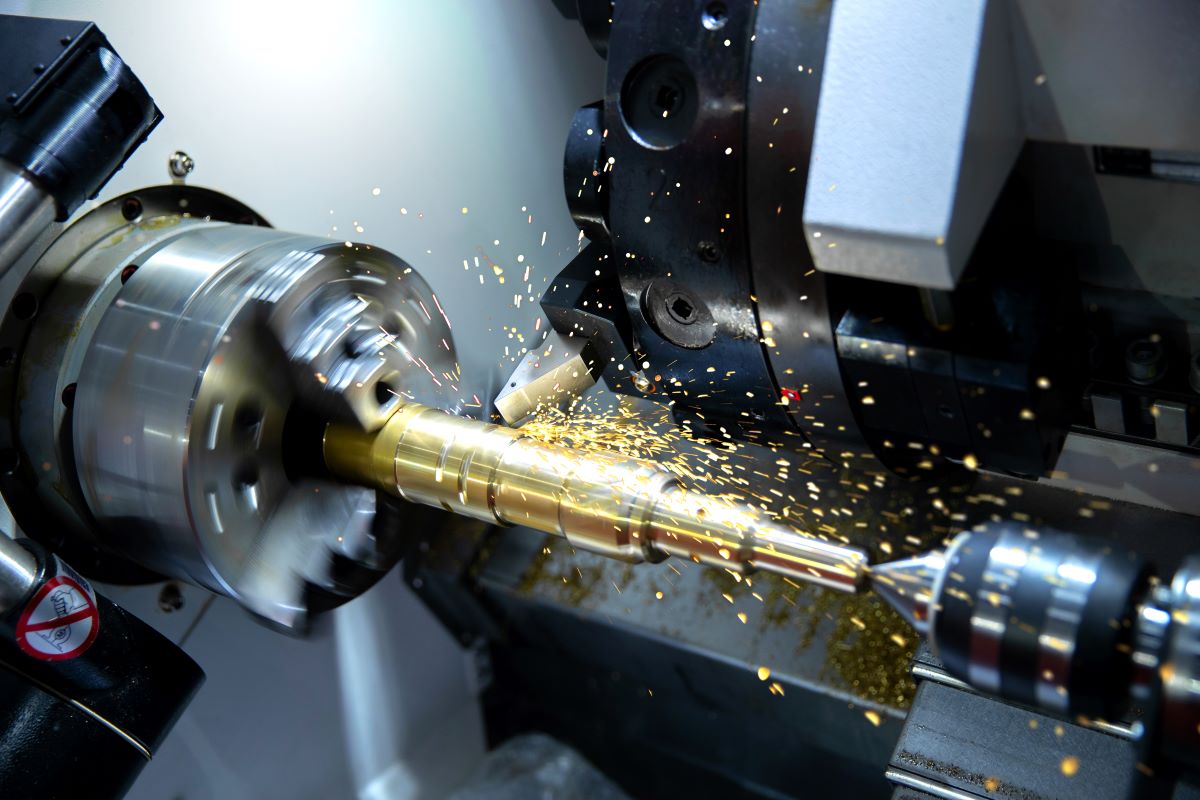
Start Your CNC Milling Project for Aluminium with Precision and Confidence
When it comes to prototyping and low-to-mid volume production in aluminium, CNC milling remains one of the most reliable and precise manufacturing methods available. At Shenzhen Honyo Prototype, we specialize in high-accuracy CNC milling services tailored specifically for aluminium components, ensuring your designs are transformed into functional, dimensionally accurate parts with excellent surface finish and structural integrity.
Whether you’re developing aerospace components, automotive prototypes, electronic enclosures, or custom industrial parts, our advanced 3-axis, 4-axis, and 5-axis CNC milling capabilities provide the flexibility and precision needed to meet even the most demanding specifications. Our engineering team works closely with clients from concept to delivery, offering design for manufacturability (DFM) feedback, material selection guidance, and rapid turnaround times—without compromising on quality.
We understand that every project starts with a vision. That’s why we make it easy to move from idea to reality. Simply share your 3D CAD file or technical drawings, and our team will provide a detailed quotation within 12 hours. From there, we handle everything—material procurement, CNC programming, precision milling, deburring, surface treatment (such as anodizing or powder coating), and quality inspection—under one roof.
Our facility is equipped with state-of-the-art CNC machines, coordinate measuring machines (CMM), and optical inspection systems to ensure tight tolerances down to ±0.005 mm. We process a wide range of aluminium alloys, including 6061, 7075, 2024, and 5052, allowing us to match material properties to your application requirements.
To ensure consistency and repeatability, all processes follow strict ISO 9001-certified quality standards. Every part undergoes thorough in-process and final inspections, with full traceability and inspection reports available upon request.
Below is an overview of our standard CNC milling capabilities for aluminium:
| Specification | Detail |
|————–|——–|
| Machine Types | 3-axis, 4-axis, 5-axis CNC milling centers |
| Maximum Work Envelope | 1200 × 800 × 600 mm |
| Tolerance | ±0.005 mm (standard), tighter upon request |
| Surface Finish | As-machined, bead blasting, anodizing (Type II & III), powder coating |
| Supported Aluminium Alloys | 6061-T6, 7075-T6, 2024-T4, 5052-H32, and custom alloys |
| Lead Time | 3–7 days (standard), expedited options available |
| File Formats Accepted | STEP, IGES, SolidWorks, DWG, DXF, PDF |
Starting your project is simple. Just reach out to Susan Leo, our dedicated project manager, who will guide you through the onboarding process, answer technical questions, and ensure your project runs smoothly from start to finish.
Contact Susan Leo today at info@hy-proto.com to request a quote, discuss your design, or schedule a technical consultation. Let Shenzhen Honyo Prototype be your trusted partner in precision aluminium CNC milling—where innovation meets accuracy.
🚀 Rapid Prototyping Estimator
Get a rough estimate for CNC/3D Printing costs.