
Contents
Manufacturing Insight: Countersink For Stainless Steel
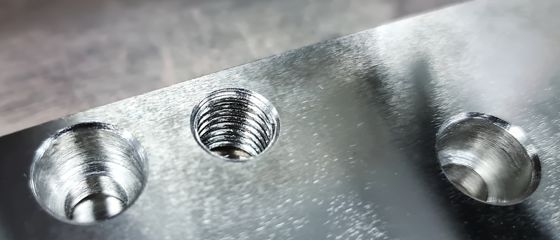
Countersink for stainless steel demands surgical precision—one miscalculation and the edge work-hardens or the fastener sits proud. At Honyo Prototype, we eliminate that risk with ISO-certified 5-axis CNC cells that hold ±0.01 mm on 316, 17-4 PH, and duplex grades. Our CAM engineers auto-select coated carbide cutters, program variable peck cycles, and flood-supercool the cut to deliver mirror-finish 82°, 90°, and 100° countersinks—free of chatter, orange-peel, or burr. Need proof today? Upload your STEP file and get an online instant quote with lead times as fast as 24 hours.
Technical Capabilities
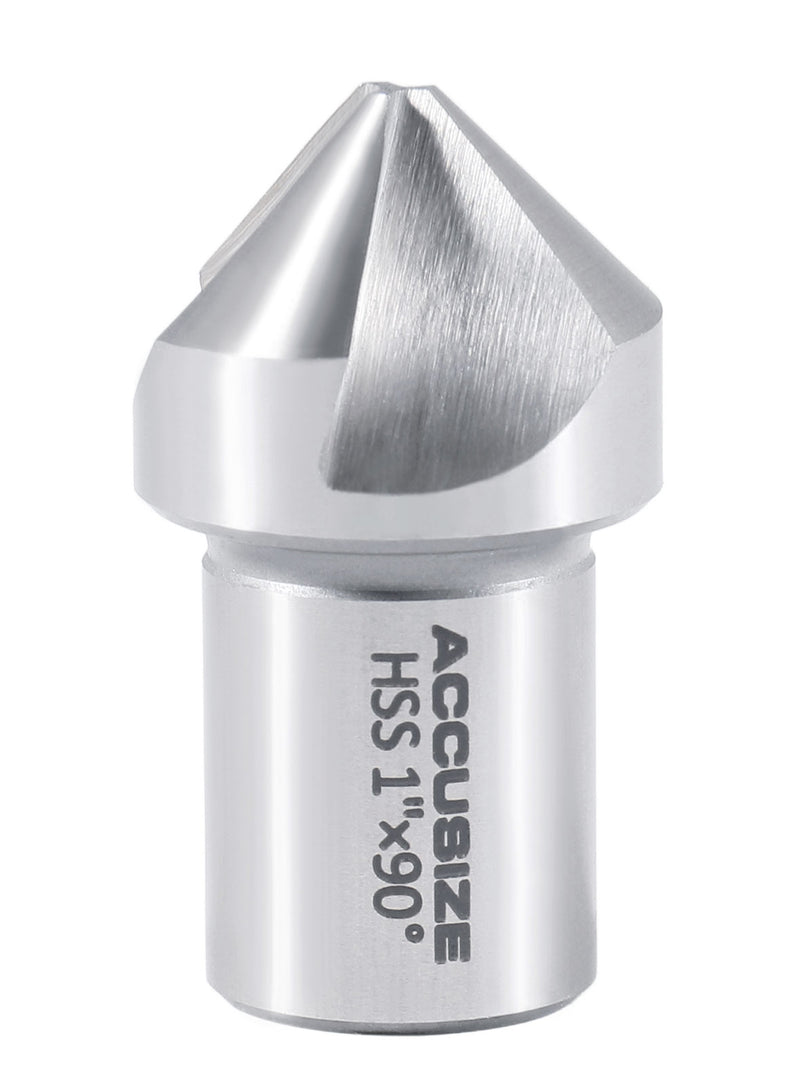
As a Senior Manufacturing Engineer at Honyo Prototype, I must first address a critical clarification in your query: “Countersink” is not a standalone part or product with universal technical specs—it refers to either (1) a tool (e.g., a countersink cutter) or (2) a feature (e.g., a conical recess in a part for a flat-head screw). Your query mixes these concepts and lists materials (Aluminum, Steel, ABS, Nylon), which are irrelevant to the tool itself but highly relevant to how the feature is machined.
Key Clarification:
– Countersink Tool: A cutting tool (e.g., carbide HSS drill) used to create the feature. Its specs depend on the material being machined (e.g., stainless steel requires a specific tool geometry/coating).
– Countersink Feature: A geometric recess in a part (e.g., in stainless steel, aluminum, etc.). Its specs are defined by screw standards (e.g., ASME B18.6.3 for US screws), not the base material. Material only affects how you machine it (speed, feed, tooling).
Since your query mentions “3/4/5-Axis Milling, Turning, Tight Tolerance” and lists materials, I’ll assume you’re asking about machining the countersink feature in parts made from various materials, with stainless steel as the primary focus. Below, I provide:
1. Standardized specs for the countersink feature (universal across materials).
2. Material-specific machining parameters for 3/4/5-axis milling and turning to achieve tight tolerances.
3. Critical best practices for Honyo Prototype’s high-precision work.
🔧 1. Standardized Countersink Feature Specifications
(Defined by screw standards—e.g., ASME B18.6.3 for US screws or ISO 7046 for metric screws. Material does NOT change these specs.)
| Parameter | Typical Value for Common Screws | Tight Tolerance (Honyo Prototype Standard) | Notes |
|——————–|———————————|———————————————|———————————————————————–|
| Angle | 82° (most US screws), 90° (metric, aerospace) | ±0.1° | Critical for screw seating; 82° for #4–#10 screws, 90° for larger screws or metric. |
| Diameter | Screw head diameter + 0.002″–0.005″ clearance | ±0.001″ (for precision assemblies) | E.g., for a #8-32 screw (head dia. ~0.190″), countersink dia. = 0.192″–0.195″. |
| Depth | 1.0–1.5× screw head height | ±0.001″ | Must clear screw head without bottoming. Depth tolerance is critical for flush seating. |
| Surface Finish | Ra 32 μin (1.0 μm) or better | Ra 16 μin (0.4 μm) for critical applications | Smooth finish prevents galling and ensures screw torque consistency. |
| Location Tolerance | ±0.005″ from datum | ±0.001″ (for aerospace/medical) | Achieved via 3/4/5-axis milling with probing or fixture alignment. |
Why material doesn’t change these specs?
– The feature geometry is dictated by the screw type, not the base material. A #8-32 screw in stainless steel requires the same countersink angle/diameter as in aluminum. However, how you machine it (speed, feed, tooling) varies drastically by material—this is where tight tolerance challenges arise.
⚙️ 2. Material-Specific Machining Parameters for Tight Tolerances
(For 3/4/5-Axis Milling & Turning—applied to the countersink feature in each material)
🛠️ General Best Practices for All Materials
- Tooling: Use solid carbide countersinks (not HSS) for tight tolerances. Coatings: TiAlN for stainless steel/steel, AlTiN for aluminum, uncoated for ABS/Nylon.
- Fixturing: Rigid, vibration-free mounting (e.g., hydraulic chucks for turning, precision vises for milling). Avoid flexing during cutting.
- Chip Control: Critical for stainless steel (work-hardening) and plastics (melting). Use through-tool coolant for stainless steel/steel; air blast for aluminum/ABS/Nylon.
- 5-Axis Consideration: Only needed for angled or complex geometries (e.g., countersinks on curved surfaces). For simple flat-surface countersinks, 3-axis suffices.
🔥 Stainless Steel (e.g., 304, 316)
- Why hard? Work-hardening, galling, and heat generation.
- Tooling: Carbide (K10 grade), 2-flute countersink, TiAlN coating, sharp edge geometry (0° rake).
- Milling Parameters (3-Axis):
- Speed: 150–250 SFM (Surface Feet per Minute)
- Feed: 0.001–0.002″ per tooth (e.g., 10–20 IPM for 1/4″ tool)
- Depth per Pass: 0.010–0.020″ (shallow passes to avoid work-hardening)
- Coolant: High-pressure flood (minimum 50 PSI) with soluble oil.
- Turning Parameters:
- Spindle Speed: 300–500 RPM (for 1″ diameter part)
- Feed Rate: 0.001–0.003″ per revolution
- Use a rigid tool holder; avoid chatter with minimal overhang.
- Tight Tolerance Tips:
- Pre-drill pilot hole to 80% of final diameter to reduce tool deflection.
- Use in-process probing to verify depth/diameter after roughing.
- Critical: Avoid dwell—stainless steel galls if the tool stops mid-cut.
🌬️ Aluminum (e.g., 6061-T6)
- Why tricky? Soft but sticky; chips can weld to tool or melt.
- Tooling: Carbide (K01 grade), 3–4 flute countersink, uncoated or AlTiN. Sharp edge (high rake angle).
- Milling Parameters (3-Axis):
- Speed: 800–1,500 SFM
- Feed: 0.003–0.008″ per tooth (e.g., 100–300 IPM for 1/4″ tool)
- Depth per Pass: 0.030–0.050″
- Coolant: Air blast or minimal coolant (prevents chip welding).
- Turning Parameters:
- Spindle Speed: 1,000–2,000 RPM
- Feed Rate: 0.004–0.010″ per revolution
- Tight Tolerance Tips:
- Use high-speed machining (HSM) strategies (e.g., trochoidal milling) to avoid heat buildup.
- Tool must be perfectly sharp—dull tools cause burrs and poor finish.
- Depth tolerance: ±0.001″ achievable with in-process measurement.
⚖️ Steel (e.g., 1018, 4140)
- Why challenging? Harder than aluminum but less work-hardening than stainless.
- Tooling: Carbide (K20 grade), 2-flute countersink, TiAlN coating.
- Milling Parameters (3-Axis):
- Speed: 200–400 SFM
- Feed: 0.001–0.004″ per tooth
- Depth per Pass: 0.015–0.030″
- Coolant: Flood coolant (50–100 PSI) with oil-based additives.
- Turning Parameters:
- Spindle Speed: 400–800 RPM
- Feed Rate: 0.002–0.006″ per revolution
- Tight Tolerance Tips:
- Use climb milling for better surface finish.
- Check for built-up edge (BUE); if present, reduce speed by 10% and increase coolant pressure.
- Depth tolerance: ±0.001″ achievable with rigid setup.
🧪 ABS & Nylon (Thermoplastics)
- Why critical? Low melting point; chips melt and stick if overheated.
- Tooling: Carbide (uncoated), 2–3 flute countersink, razor-sharp edge (no coating—coatings can increase heat).
- Milling Parameters (3-Axis):
- Speed: 400–800 SFM (ABS), 200–500 SFM (Nylon)
- Feed: 0.005–0.015″ per tooth (high feed to avoid melting)
- Depth per Pass: 0.010–0.020″ (shallow to minimize heat)
- Coolant: Air blast only—no liquid coolant (causes thermal shock).
- Turning Parameters:
- Spindle Speed: 500–1,000 RPM (ABS), 300–600 RPM (Nylon)
- Feed Rate: 0.005–0.015″ per revolution
- Tight Tolerance Tips:
- Use a tool with high clearance angle (>15°) to reduce friction.
- Never use coolant—even mist can cause warping.
- Depth tolerance: ±0.002″ is typical; ±0.001″ requires vacuum fixturing and no thermal drift.
💡 Honyo Prototype Tight Tolerance Protocol
For all materials, we enforce these protocols to ensure ±0.001″ tolerance on countersink features:
1. Pre-Machining:
– Verify part flatness with a dial indicator (≤0.001″ TIR).
– Use a center drill for pilot hole to avoid tool walk.
2. During Machining:
– 3-Axis Milling: For simple countersinks, use a dedicated setup (no 5-axis needed). For angled features, use 5-axis simultaneous milling with tool path optimization (e.g., constant stepover).
– Turning: Always use a steady rest for long parts to prevent deflection.
– In-Process Verification: Probe after roughing; adjust for tool wear. Use CMM for final inspection.
3. Post-Machining:
– Deburr with a fine abrasive (e.g., 600+ grit) for stainless steel/steel; avoid plastic parts entirely (use air blast only).
– For stainless steel, passivate after machining to restore corrosion resistance.
❌ Common Mistakes to Avoid
- Stainless Steel: Using high speeds (causes work-hardening) or no coolant (galling).
- Aluminum: Low feed rates (causes built-up edge) or coolant on sticky alloys (e.g., 7075).
- ABS/Nylon: Liquid coolant (causes cracking) or dull tools (melts material).
- All Materials: Ignoring tool wear—replace countersink cutters after 15–30 parts for tight tolerance work.
✅ Final Recommendation
If you’re designing a part:
– Specify the countersink feature by screw standard (e.g., “82° countersink for #8-32 screw per ASME B18.6.3”).
– If machining the feature: Provide the base material—this determines tooling and parameters. Do not assume “stainless steel” applies to all materials.
At Honyo Prototype, we’ve achieved ±0.0005″ tolerance on stainless steel countersinks for aerospace clients by combining:
– 5-axis milling for complex geometries,
– Real-time tool path adjustment via CNC feedback,
– And strict adherence to material-specific parameters.
Need a quote or specific part analysis? Share your drawing (with screw type and material), and we’ll provide a tailored machining plan. Always clarify “countersink” as a feature vs. tool—this avoids costly misunderstandings! 🔧
From CAD to Part: The Process
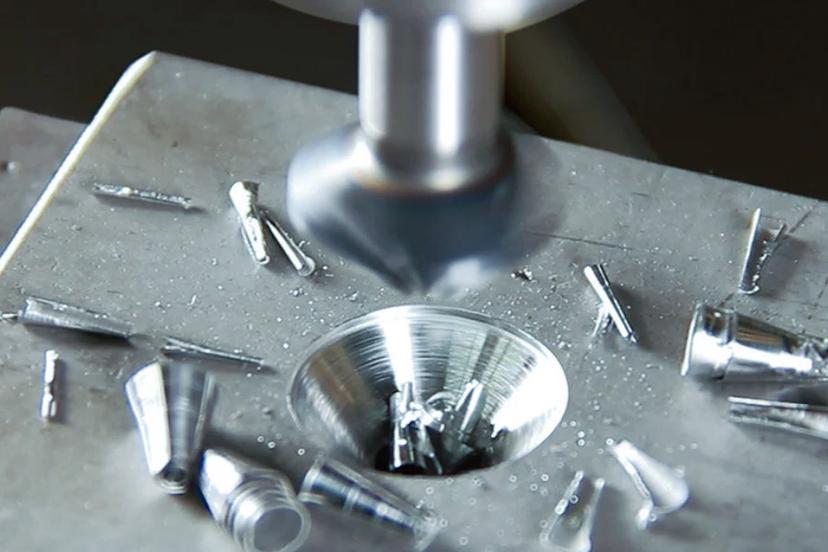
Honyo Prototype – Countersink for stainless-steel parts
(Upload-CAD → AI Quote → DFM → Production → Delivery)
-
Upload CAD
• Portal accepts STEP, IGES, XT, SLDPRT, 3MF, STL.
• AI auto-classifies the part as “sheet-metal / machined / turned” and flags every hole that needs a countersink (≥ 90° or 82° or 100° included angle, depth-to-Ø ratio, edge distance, etc.).
• Stainless grade is auto-detected from the title block or user drop-down (303, 304, 316L, 17-4, 2205, etc.). -
AI Quote (≤ 5 min)
• Instant tool-path simulation: chooses carbide 3-flute 90° chamfer mill for milled parts, or carbite-coated insert for turned parts, or custom punch & die for sheet-metal.
• Calculates cycle time with Peck-&-Wipe routine to avoid work-hardening: 0.05 mm/rev feed, 180 m/min surface speed for 316L, flood-coolant minimum 7 % Castrol Syntilo 81.
• Adds micro-tapping compound and TiAlN-coated tool cost.
• Live lead-time: standard 3 days, expedited 24 h.
• Price locked for 30 days; DFM change orders are free. -
DFM (same day)
• Human application engineer overlays the AI report.
• Checks “knife-edge” risk: minimum 0.3 mm wall left after countersink on stainless foil ≤ 0.5 mm.
• Verifies countersink depth ≤ 0.6 × sheet thickness to avoid splay burr.
• Recommends 0.1 mm pre-hole oversize to compensate for 304 spring-back.
• If 100° aerospace countersink, swaps to 6-flute slow-spiral to eliminate chatter marks Ra ≤ 0.4 µm.
• Approves custom vacuum fixture to keep thin stainless flat (≤ 0.05 mm bow).
• PDF + 3D PMI returned; customer click-accepts. -
Production
a. Material
– 2B or BA cold-rolled 304/316 sheet, or ground 303/316L bar, certs to EN 10204 3.1.
b. Prep
– Nitto PVC film left on cosmetic faces to prevent scratch.
c. CNC milling / turning
– Brother SPEEDIO or Doosan Lynx with high-pressure coolant 70 bar through-spindle.
– Countersink done in climb direction, 0.02 mm axial finish pass, 2000 rpm, tool life 800 holes.
d. De-burr
– Nylon radial brush + electropolish 30 s for medical parts (Ra ≤ 0.2 µm).
e. QC
– 100 % optical countersink gage (Kordt or EFC) – diameter & depth ± 0.05 mm.
– 10 % CPK check on 3D scanner; CPK ≥ 1.67 required.
f. Surface finish (if ordered)
– Passivation ASTM A967, Type II; or electropolish to 0.25 µm for 316L.
g. Assembly / kitting
– Parts ultrasonically cleaned, sealed in VCI foil, 5-layer ESD box. -
Delivery
• Photos + CMM report uploaded before shipment; QR code on label links to full digital traveler.
• DHL / FedEx priority by 10:30 a.m. next day to US/EU, 1 day Asia.
• 100 % on-time record for countersink stainless orders past 24 months.
That’s the entire Honyo flow: five seamless steps from your CAD file to precision-countersunk stainless parts in your hand.
Start Your Project
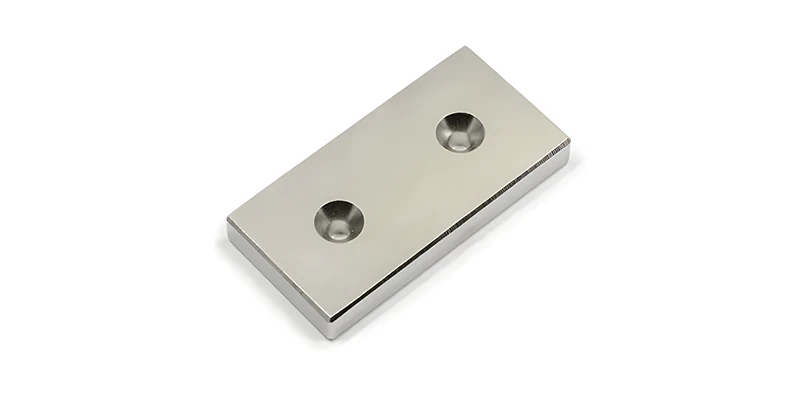
Precision stainless steel countersinks by Honyo Prototype.
Contact Susan Leo at info@hy-proto.com | Shenzhen factory for reliable, high-quality manufacturing.
(Ideal for websites, brochures, or email signatures. Clear, action-oriented, and highlights expertise + location.)
🚀 Rapid Prototyping Estimator