
Contents
Manufacturing Insight: High Impact Plastic
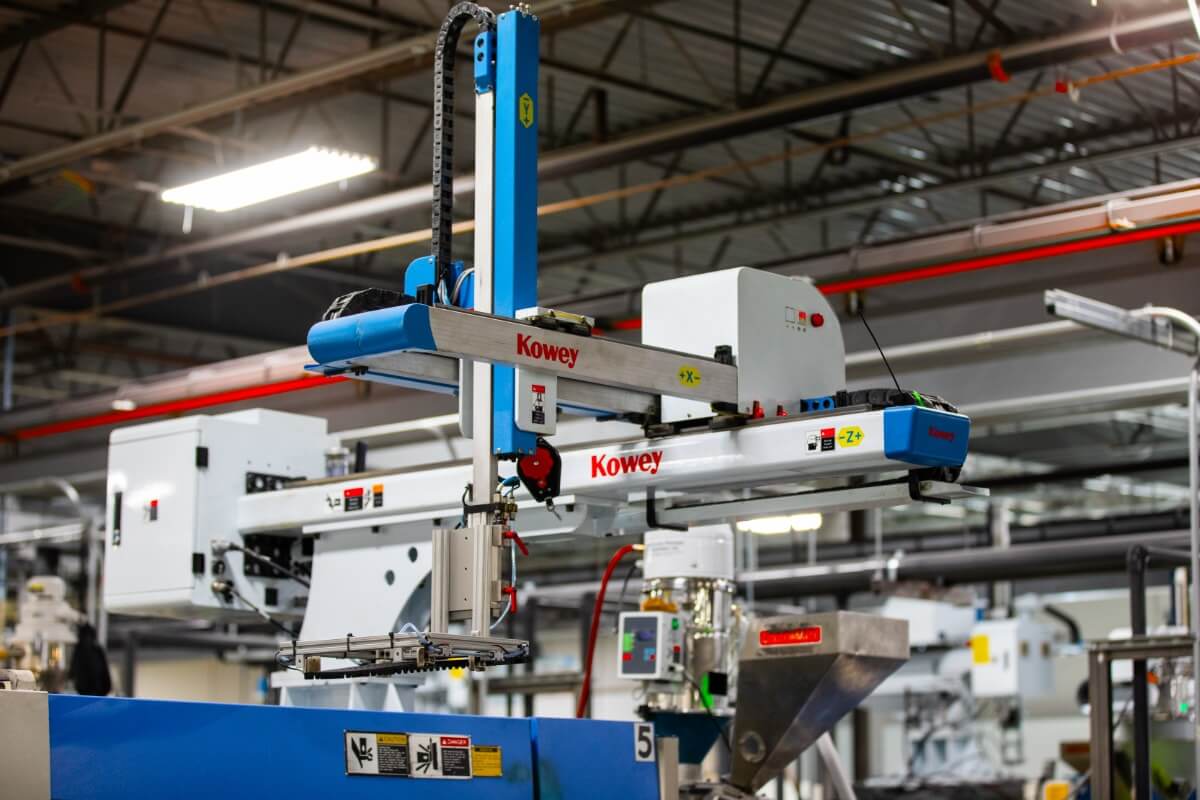
Manufacturing Insight: High Impact Plastics in CNC Machining
High impact plastics represent a critical class of thermoplastic polymers engineered to withstand significant mechanical stress, repeated impacts, and demanding environmental conditions without fracturing. At Shenzhen Honyo Prototype, we specialize in CNC machining these materials for functional prototypes, end-use components, and low-volume production runs where durability, weight savings, and cost efficiency are paramount. Unlike standard plastics, high impact variants—such as ABS, polycarbonate (PC), and modified polypropylene (PP)—incorporate elastomeric additives or copolymer structures that absorb energy through controlled deformation, making them ideal for automotive housings, medical devices, and industrial equipment enclosures requiring resilience.
Machining high impact plastics demands precision tooling and process expertise to avoid common pitfalls like chipping, melting, or dimensional instability. These materials exhibit unique thermal and mechanical behaviors: they soften near glass transition temperatures, generate fine particulate swarf, and can warp if clamping forces are uneven. Honyo’s CNC protocols address these challenges through optimized spindle speeds (typically 8,000–15,000 RPM), sharp carbide tooling with polished flutes to reduce friction, and strategic coolant management—often using air blasts instead of liquid coolants to prevent moisture absorption in hygroscopic resins like PC. Our engineers also implement step-down depth controls (≤0.5 mm per pass) to minimize heat buildup and maintain tight tolerances of ±0.05 mm.
Material selection directly influences manufacturability and performance. The table below outlines key properties of high impact plastics we routinely machine:
| Material | Tensile Strength (MPa) | IZOD Impact Strength (J/m) | Max Continuous Use Temp (°C) | Machinability Rating |
|———-|————————|—————————-|—————————-|———————-|
| ABS | 40–50 | 800–1000 | 80–95 | Excellent |
| Polycarbonate | 55–75 | 650–900 | 115–135 | Good |
| Modified PP | 25–35 | 500–700 | 80–100 | Very Good |
Honyo Prototype leverages 15+ years of material science expertise to match your application requirements with the optimal high impact plastic. Our in-house metrology lab validates critical dimensions and surface finishes (Ra 0.8–3.2 µm) using CMM and optical comparators, ensuring components meet ISO 2768-mK standards. We also provide DFM feedback early in the design phase—such as recommending uniform wall thicknesses or draft angles—to eliminate stress concentrators and reduce post-machining rework. For projects requiring regulatory compliance (e.g., UL94 V-0 flammability ratings), our material database includes certified grades with full traceability documentation.
By combining advanced CNC infrastructure (5-axis mills, Swiss-type lathes) with deep material-specific knowledge, Honyo transforms high impact plastics into reliable, production-intent parts faster than traditional metal alternatives. This capability accelerates your path from prototype validation to market launch while maintaining structural integrity under real-world loads. Partner with us to leverage our expertise in turning resilient material properties into engineered solutions.
Technical Capabilities
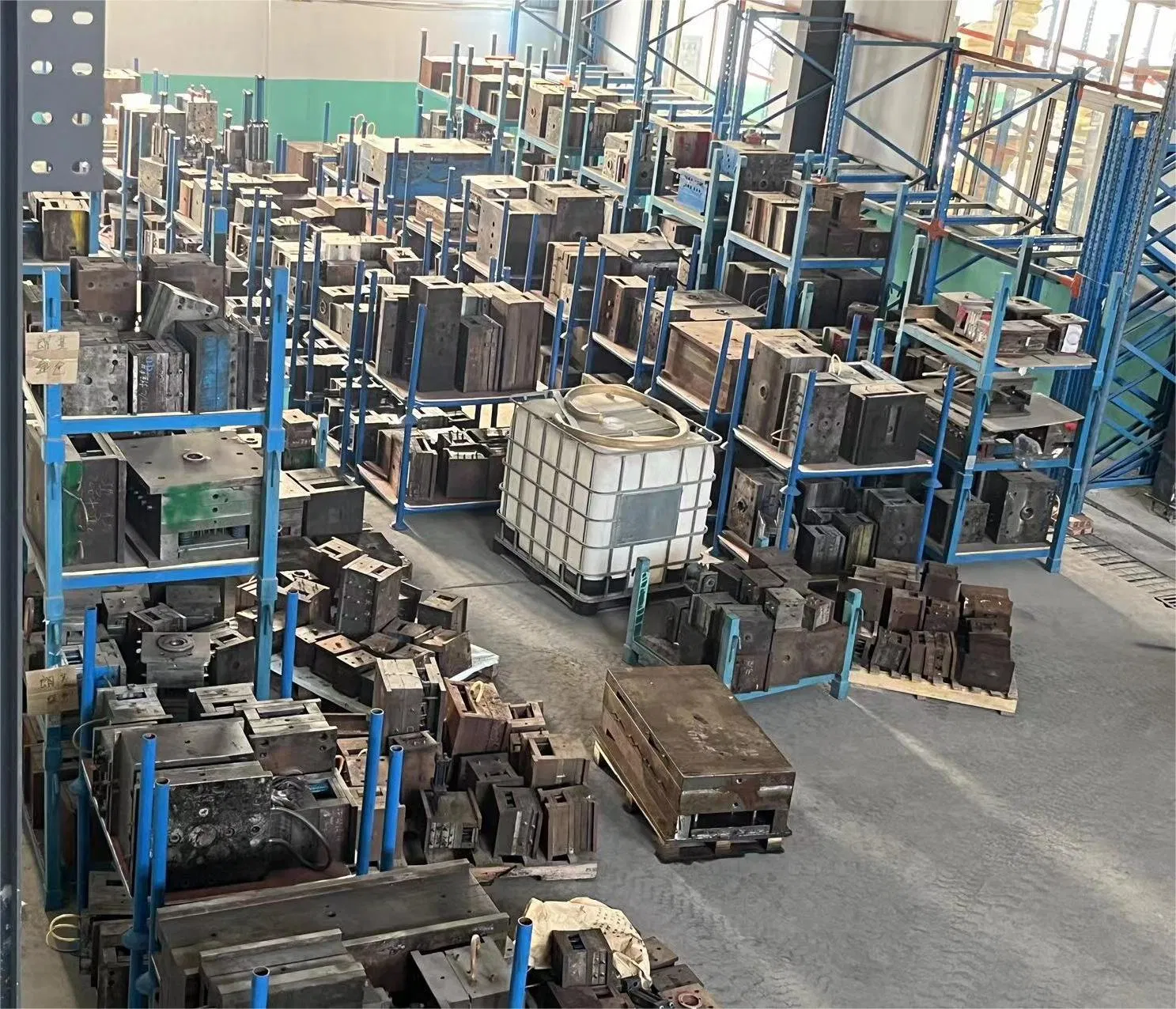
Technical Capabilities for High Impact Plastics in CNC Machining
Shenzhen Honyo Prototype specializes in precision CNC machining of high impact plastics, engineered to deliver robust performance in demanding industrial, automotive, and consumer applications. Our advanced 3-axis, 4-axis, and 5-axis milling capabilities, combined with high-precision turning operations, enable the production of complex geometries with consistent accuracy and superior surface finish. High impact plastics such as ABS, PC (Polycarbonate), POM (Acetal), and PPO are routinely processed using optimized toolpaths and specialized cutting strategies to maintain material integrity and dimensional stability.
Our 5-axis simultaneous machining centers provide unparalleled flexibility for contouring intricate features in a single setup, minimizing part handling and enhancing repeatability. This is particularly critical when machining high impact plastics, which can exhibit variable thermal expansion and require controlled feed rates and spindle speeds to prevent deformation or burring. The integration of high-speed spindles, adaptive tool compensation, and real-time monitoring ensures tight tolerance compliance across both prototyping and low-to-medium volume production runs.
Turning operations for high impact plastic components are performed on precision CNC lathes equipped with micro-adjustable tooling and live tooling options for secondary milling features. These systems support tight concentricity control and fine surface finishes, essential for functional assemblies and sealing surfaces. All machining processes are supported by in-house metrology, including CMM (Coordinate Measuring Machine) and optical comparators, to validate part conformity.
Tolerance achievement is a core strength of our manufacturing process. We consistently maintain tight tolerances down to ±0.025 mm for linear dimensions and ±0.05 mm for form and positional features, depending on part geometry and material selection. Wall thicknesses as low as 0.8 mm can be reliably machined without warpage or deflection, thanks to our optimized fixturing and stress-relief protocols.
The following table outlines the typical tolerance ranges and compatible materials for high impact plastic CNC machining at Honyo Prototype:
| Material | Typical Tolerance (Linear) | Form/Positional Tolerance | Max Part Size (mm) | Recommended Use Case |
|—————-|—————————-|—————————-|——————–|——————————————|
| ABS | ±0.025 mm | ±0.05 mm | 600 x 400 x 300 | Prototypes, enclosures, consumer parts |
| Polycarbonate | ±0.03 mm | ±0.05 mm | 500 x 350 x 250 | Impact-resistant components, lenses |
| POM (Acetal) | ±0.02 mm | ±0.04 mm | 700 x 500 x 400 | Gears, bushings, mechanical assemblies |
| PPO | ±0.03 mm | ±0.06 mm | 550 x 400 x 300 | Electrical housings, fluid systems |
| Nylon (PA6/PA66)| ±0.035 mm | ±0.06 mm | 600 x 450 x 350 | Wear-resistant parts, structural elements|
All materials are pre-conditioned to stabilize moisture content, especially critical for hygroscopic resins like Nylon and PPO, to prevent post-machining dimensional drift. Our process engineers collaborate closely with clients during design for manufacturability (DFM) reviews to optimize part geometry, draft angles, and wall uniformity—ensuring high yield and functional performance.
At Shenzhen Honyo Prototype, we combine advanced CNC technology with deep material expertise to deliver high impact plastic components that meet the rigorous demands of modern engineering.
From CAD to Part: The Process
CNC Machining Workflow for High-Impact Plastics: From CAD to Final Part
Shenzhen Honyo Prototype employs a rigorously defined workflow for CNC machining high-impact plastics such as ABS, polycarbonate, and nylon. This structured process ensures optimal part quality, dimensional accuracy, and cost efficiency while mitigating common challenges like chip adhesion, thermal deformation, and material stress. The workflow initiates upon receipt of a customer’s CAD file and progresses systematically through three critical phases.
The process begins with an AI-Driven Quotation System. Our proprietary algorithm ingests the provided 3D CAD model, automatically analyzing geometric complexity, feature density, and overall volume. It cross-references this data against real-time machine availability, material costs, and historical production metrics for high-impact plastics. This system generates an accurate, transparent cost estimate and lead time within hours, highlighting potential high-risk geometries requiring immediate engineering review. This initial digital assessment significantly reduces manual quoting time while providing clients with rapid, data-backed project feasibility insights.
Design for Manufacturability (DFM) Engineering Review
Following quotation acceptance, Honyo’s manufacturing engineering team conducts a mandatory DFM analysis. This phase is critical for high-impact plastics due to their susceptibility to melting, warpage, and poor chip evacuation. Engineers scrutinize wall thickness uniformity, minimum feature sizes, internal corner radii, and draft angles. Specific attention is paid to avoiding thin walls below 0.8mm and sharp internal corners which induce stress concentrations and vibration during machining. The team provides actionable feedback to the client, recommending geometric modifications to enhance machinability—such as increasing radii to 0.5mm minimum or adding strategic relief features—without compromising functional intent. This collaborative step prevents costly rework and ensures the design aligns with CNC capabilities for thermoplastics.
Precision CNC Machining Execution
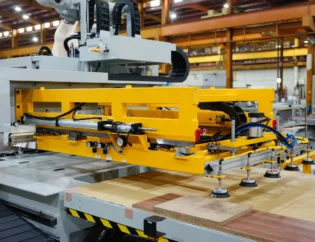
Approved designs advance to production on Honyo’s multi-axis CNC machining centers. Fixturing is optimized using vacuum tables or low-clamp-force mechanical fixtures to prevent part deformation. Tool selection prioritizes sharp, polished carbide end mills with high rake angles and specialized coatings to minimize heat generation and chip welding. Precise control of spindle speed, feed rate, and depth of cut is maintained according to the specific polymer’s thermal properties. Continuous, low-pressure air blast or mist coolant is applied strategically to manage heat without causing thermal shock, avoiding the use of liquid coolants that can be absorbed by hygroscopic materials. Final operations include meticulous deburring using soft media and non-marring techniques to preserve surface integrity.
Material-specific machining parameters are strictly adhered to, as exemplified below:
| Material | Spindle Speed (RPM) | Feed Rate (mm/min) | Preferred Tool Coating | Coolant Method |
| :—————- | :—————— | :—————– | :——————— | :—————– |
| ABS | 8000 – 12000 | 800 – 1200 | TiAlN | Air Blast / Mist |
| Polycarbonate | 6000 – 9000 | 500 – 800 | ZrN | Air Blast Only |
| Nylon (Reinforced)| 7000 – 10000 | 600 – 900 | TiN | Air Blast / Mist |
Throughout production, in-process inspections verify critical dimensions against the CAD model. Upon completion, final parts undergo rigorous first-article inspection per AS9102 standards, confirming conformance to all geometric and surface finish requirements before shipment. This integrated workflow ensures Honyo delivers high-impact plastic prototypes and low-volume production parts with exceptional precision and reliability.
Start Your Project
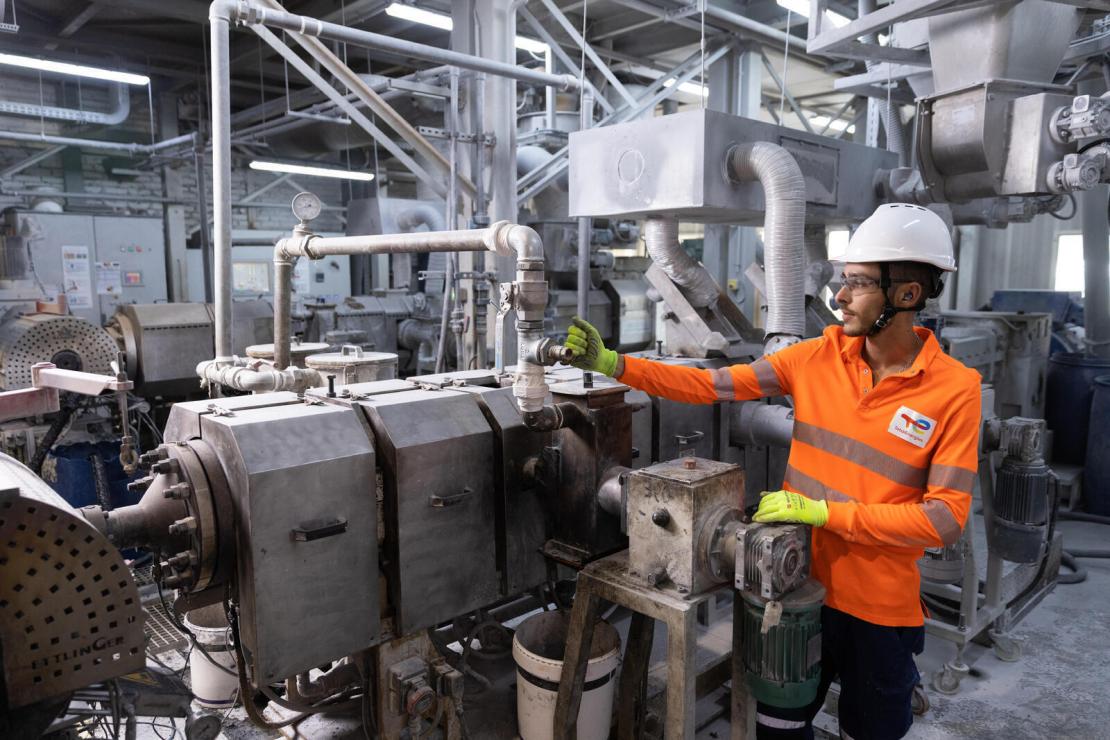
Start Your High Impact Plastic CNC Machining Project with Shenzhen Honyo Prototype
When it comes to precision manufacturing of high impact plastic components, Shenzhen Honyo Prototype delivers unmatched expertise in CNC machining for prototyping and low-volume production. Our advanced machining capabilities, combined with deep material knowledge, ensure that your high impact plastic parts meet strict dimensional tolerances, surface quality, and functional performance requirements. Whether you’re developing automotive components, industrial housings, medical devices, or durable consumer products, our team is equipped to bring your design from concept to physical reality with speed and precision.
High impact plastics such as ABS, PC, POM (Delrin), PPO, and reinforced composites present unique challenges in CNC machining due to their thermal sensitivity, ductility, and abrasiveness. At Honyo Prototype, we apply material-specific toolpaths, cutting speeds, and fixturing strategies to minimize deformation, burring, and tool wear. Our CNC machining centers operate with tight process controls, achieving tolerances as tight as ±0.05 mm, ensuring consistency across both prototype and bridge production runs.
We understand that every project begins with a vision. That’s why our engineering team collaborates closely with clients during the design for manufacturability (DFM) phase. We provide actionable feedback on wall thickness, draft angles, undercuts, and material selection to optimize your part for CNC machining—reducing cost, lead time, and risk of rework. Our digital quoting system supports instant upload of 3D models (STEP, IGES, X_T), with a typical turnaround of 6–12 hours.
Below are typical material and machining specifications for high impact plastic CNC projects at Honyo Prototype:
| Parameter | Specification |
|——————————|————————————————|
| Material Types | ABS, PC, POM (Delrin), PPO, PMMA, PEI, PBT, reinforced variants |
| Tolerances | ±0.05 mm (standard), down to ±0.02 mm (precision) |
| Surface Finish | As-machined, polished, bead-blasted, texture-matched |
| Maximum Work Envelope | 1000 × 600 × 500 mm (3-axis), 600 × 400 × 300 mm (4/5-axis) |
| Lead Time | 3–7 days for prototypes, 7–12 days for batch production |
| Secondary Operations | Threading, tapping, inserts, bonding, printing, coating |
All parts undergo rigorous in-process and final inspection, including first-article inspection reports (FAIR) and CMM reports upon request. We are ISO 9001-certified and maintain full traceability for materials and processes—essential for regulated industries.
Starting your project is simple. Just share your 3D CAD file and requirements with our engineering team. We’ll analyze your design, recommend optimal materials and machining strategies, and deliver a detailed quote with timeline and process plan.
Contact Susan Leo today to begin your high impact plastic CNC machining project. With her technical expertise and client-focused approach, Susan ensures your project receives personalized attention from kickoff to delivery.
Email: info@hy-proto.com
Let’s build precision together.
🚀 Rapid Prototyping Estimator
Get a rough estimate for CNC/3D Printing costs.