
Contents
Manufacturing Insight: Is Cnc Machinist A Good Career
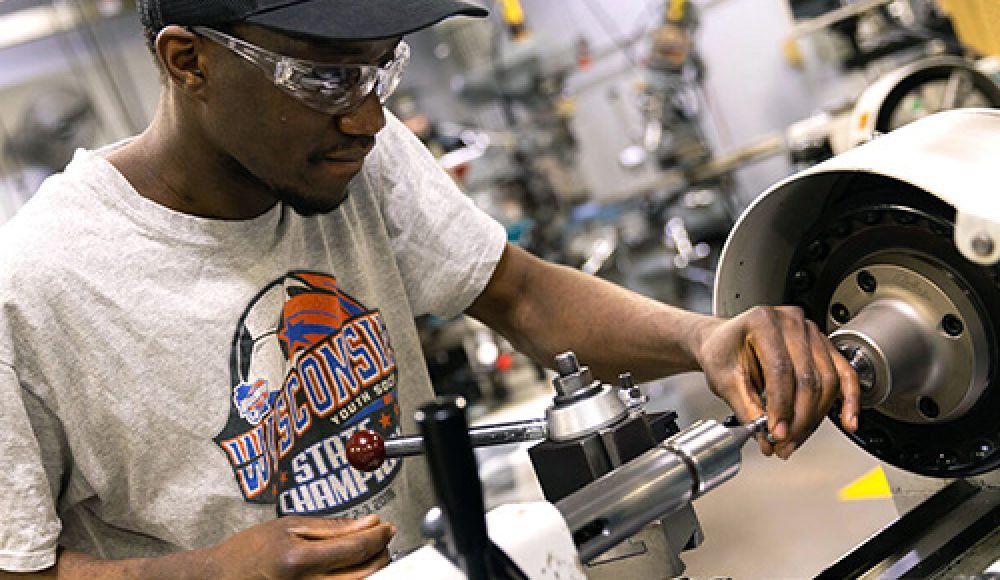
Manufacturing Insight: Is CNC Machinist a Good Career Path in Modern Prototyping?
For professionals evaluating long-term technical careers, CNC machining remains a compelling and resilient choice, particularly within the advanced prototyping sector. The role has evolved significantly from its manual origins, transforming into a high-skill discipline requiring deep understanding of computer-aided manufacturing (CAM), precision metrology, materials science, and complex machine control systems. This evolution directly addresses common concerns about automation replacing jobs; modern CNC machinists are orchestrators of sophisticated manufacturing ecosystems, not merely operators. Demand is sustained by the irreplaceable need for physical, functional prototypes across aerospace, medical device development, and consumer electronics – sectors where Shenzhen Honyo Prototype operates at the forefront. Unlike mass production environments, prototyping demands exceptional problem-solving agility, tolerance of complex geometries, and rapid iteration, creating a dynamic work environment where skilled machinists are critical innovation partners.
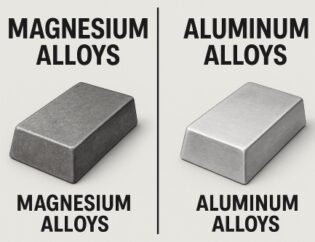
The career offers strong stability rooted in tangible output. Physical product development cycles consistently require precision-machined components where 3D printing cannot yet match the material properties, surface finishes, or tight tolerances demanded by engineering validation. At Honyo, our focus on low-volume, high-mix prototyping and bridge production necessitates machinists who excel in setups for one-off or small batches, managing diverse materials from aerospace-grade titanium and aluminum alloys to engineering plastics like PEEK. This variety prevents monotony and continuously builds versatile expertise. Furthermore, the path supports clear progression: from operating 3-axis vertical mills and lathes to mastering multi-axis simultaneous machining (4-axis, 5-axis), programming complex toolpaths, and ultimately moving into process engineering or quality assurance leadership roles. Continuous learning is inherent and valued.
Honyo Prototype invests in the advanced equipment that defines the future of the profession, ensuring our machinists work with industry-leading technology. This commitment directly enhances career value and growth potential:
| Key Capability | Specification at Honyo Prototype | Career Impact for Machinists |
| :———————- | :—————————————- | :———————————————– |
| Machine Precision | ±0.001 mm (±0.00004″) Tolerance Capability | Develops mastery in ultra-precision techniques |
| Core Machine Types | 3-Axis Mills, 4-Axis Mills, Live-Tool CNC Lathes, 5-Axis Milling Centers | Broadens skill set across critical platforms |
| Material Expertise | Aluminum Alloys (6061, 7075), Stainless Steels (303, 316), Titanium (Grade 5), Engineering Plastics | Builds deep knowledge of material behavior |
| Process Integration | In-house CAD/CAM (Mastercam, Fusion 360), CMM Inspection, Surface Finish Control | Fosters holistic understanding of the workflow |
| Automation Level | Robotic Pallet Systems for Lights-Out Machining (Selected Processes) | Provides exposure to Industry 4.0 integration |
Choosing CNC machining within a specialized prototyping environment like Honyo offers more than job security; it provides engagement with cutting-edge engineering challenges from day one. Machinists directly contribute to bringing innovative concepts to physical reality, working alongside design engineers on projects where precision directly impacts product success. The continuous demand for skilled talent, coupled with the opportunity to master increasingly sophisticated technologies and processes, makes this a career path with substantial long-term viability, intellectual reward, and clear advancement trajectories for those committed to technical excellence. The future belongs to machinists who embrace the blend of hands-on skill and digital proficiency that defines advanced manufacturing today.
Technical Capabilities

CNC Machinist as a Career: Technical Capabilities at Shenzhen Honyo Prototype
At Shenzhen Honyo Prototype, CNC machining is the backbone of our precision manufacturing capabilities, offering skilled machinists a stable, technically demanding, and rewarding career path. Our operations focus on advanced 3-axis, 4-axis, and 5-axis milling, precision CNC turning, and tight-tolerance production, enabling us to serve industries such as aerospace, medical devices, automotive, and industrial automation. For professionals considering a career as a CNC machinist, mastery of these technologies offers long-term growth, high demand, and opportunities for specialization.
Our 3-axis milling systems handle standard prismatic parts with high accuracy and repeatability, ideal for prototypes and low-volume production runs. When geometric complexity increases, our 4-axis and 5-axis CNC milling centers provide rotational capability, allowing for multi-sided machining in a single setup. This reduces human error, improves surface finish, and enables the production of complex contours, turbine blades, and ergonomic enclosures. The ability to program and operate multi-axis machines is a high-value skill, making machinists with this expertise particularly sought after in advanced manufacturing sectors.
In parallel, our CNC turning centers support both bar-fed and chucking operations for cylindrical and near-net-shape components. These machines are integrated with live tooling for mill-turn operations, allowing us to produce fully finished parts without secondary operations. This hybrid capability increases efficiency and expands the range of components we can produce, from simple shafts to complex valve bodies.
A key differentiator in our operations is our commitment to tight-tolerance machining. We consistently hold tolerances down to ±0.005 mm (±0.0002″) across a range of materials, with critical features often maintained within ±0.002 mm (±0.0001″). This level of precision demands not only advanced equipment but also skilled machinists who understand thermal compensation, tool deflection, and in-process measurement techniques. Metrology-grade inspection using CMMs, optical comparators, and laser probes ensures every part meets stringent quality standards.
The table below outlines our standard tolerance capabilities and compatible materials:
| Process | Typical Tolerance | Maximum Tolerance | Common Materials |
|———————-|——————-|——————-|——————|
| 3-Axis Milling | ±0.01 mm | ±0.005 mm | Aluminum 6061, 7075; Steel 1018, 4140; Stainless 303, 316; PEEK, Delrin |
| 4-Axis Milling | ±0.01 mm | ±0.005 mm | Same as above, plus titanium alloys |
| 5-Axis Milling | ±0.008 mm | ±0.002 mm | Aluminum, titanium, Inconel, stainless steel, engineering plastics |
| CNC Turning | ±0.01 mm | ±0.005 mm | Aluminum, brass, steel, stainless, PEEK |
| Mill-Turn (Live Tooling) | ±0.008 mm | ±0.003 mm | Steel, stainless, titanium, brass |
A career as a CNC machinist at a high-precision facility like Shenzhen Honyo Prototype offers continuous technical development, exposure to cutting-edge machinery, and the satisfaction of producing mission-critical components. With automation and Industry 4.0 integration on the rise, machinists who combine hands-on skill with programming knowledge (e.g., G-code, CAM software) are well-positioned for advancement into lead technician, programming, or engineering roles.
From CAD to Part: The Process
From CAD to Precision Part: The CNC Production Workflow at Honyo Prototype
At Shenzhen Honyo Prototype, delivering high-fidelity CNC machined prototypes demands a rigorously defined workflow. This process transforms a client’s digital CAD model into a tangible, functional component, ensuring quality, efficiency, and manufacturability from the outset. The journey begins immediately upon project initiation and follows a critical sequence: AI-Powered Quoting, Comprehensive Design for Manufacturability (DFM) Analysis, and finally, Precision Production. Understanding this integrated flow is fundamental to appreciating the modern CNC machinist’s role and the career’s technical depth.
The initial phase leverages our proprietary AI quoting engine. Upon receiving a CAD file (STEP, IGES, or native formats preferred), the system rapidly analyzes geometric complexity, material requirements, tolerances, and surface finish specifications. This AI assessment generates an accurate preliminary cost and lead time estimate within minutes, far surpassing manual methods. Crucially, it identifies potential high-cost features or severe manufacturability red flags early, allowing for immediate client consultation. This speed and insight are vital in the competitive prototyping market, where rapid iteration is key, and positions the machinist to engage strategically from day one.
Following client approval of the quote, the project enters the mandatory DFM analysis stage. Our experienced manufacturing engineers meticulously review the CAD model, focusing on optimizing it for CNC production. We assess tool accessibility, minimum wall thicknesses, internal radii feasibility, tolerance stack-ups, and optimal stock size selection. This is not a critique but a collaborative engineering step. We provide actionable feedback and suggestions – such as modifying a sharp internal corner to a machinable radius or adjusting non-critical tolerances – to enhance part quality, reduce machining time, and lower costs. Successful navigation of DFM requires deep machining knowledge, directly linking the engineer’s expertise to the project’s viability and cost-effectiveness.
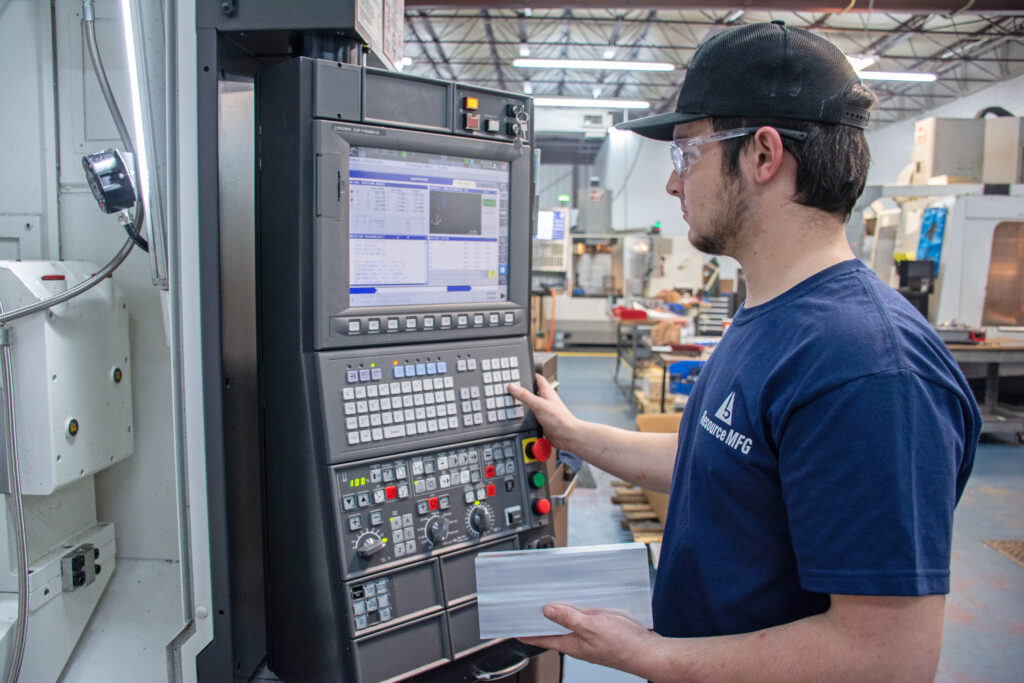
Only after DFM sign-off does the project move to the CNC production floor. Here, the CNC machinist’s skill becomes paramount. They interpret the finalized engineering drawings and CAM-generated toolpaths, meticulously setting up the machine with the correct workholding, tools, and offsets. During machining, the operator constantly monitors the process, verifying dimensions via in-process inspection (using CMMs or high-precision calipers), adjusting feeds and speeds for optimal surface finish and tool life, and troubleshooting any unforeseen issues. This phase demands not only technical proficiency with complex multi-axis machines but also critical thinking and problem-solving abilities to maintain the tight tolerances required for functional prototypes.
The specific machine capabilities directly impact the production phase’s efficiency and outcome. Honyo Prototype utilizes a range of advanced equipment:
| Machine Type | Max Work Envelope (mm) | Typical Tolerance (mm) | Best For Applications |
| :—————– | :——————— | :——————— | :—————————————- |
| 3-Axis Vertical Mill | 1000 x 500 x 500 | ±0.010 | Simple prismatic parts, housings, plates |
| 4-Axis Mill | 800 x 400 x 400 | ±0.008 | Parts requiring indexed rotational features |
| 5-Axis Mill | 600 x 450 x 400 | ±0.005 | Complex organic shapes, aerospace components, intricate molds |
| Precision Lathe | Ø300 x 500 | ±0.005 | High-accuracy shafts, bushings, rotational parts |
Mastering this end-to-end workflow – from interpreting AI feedback and DFM insights to executing precise machining operations – defines the value of a skilled CNC professional at Honyo Prototype. It’s a career grounded in tangible results, continuous technical learning, and direct impact on bringing innovative designs to life, offering significant professional growth within advanced manufacturing.
Start Your Project
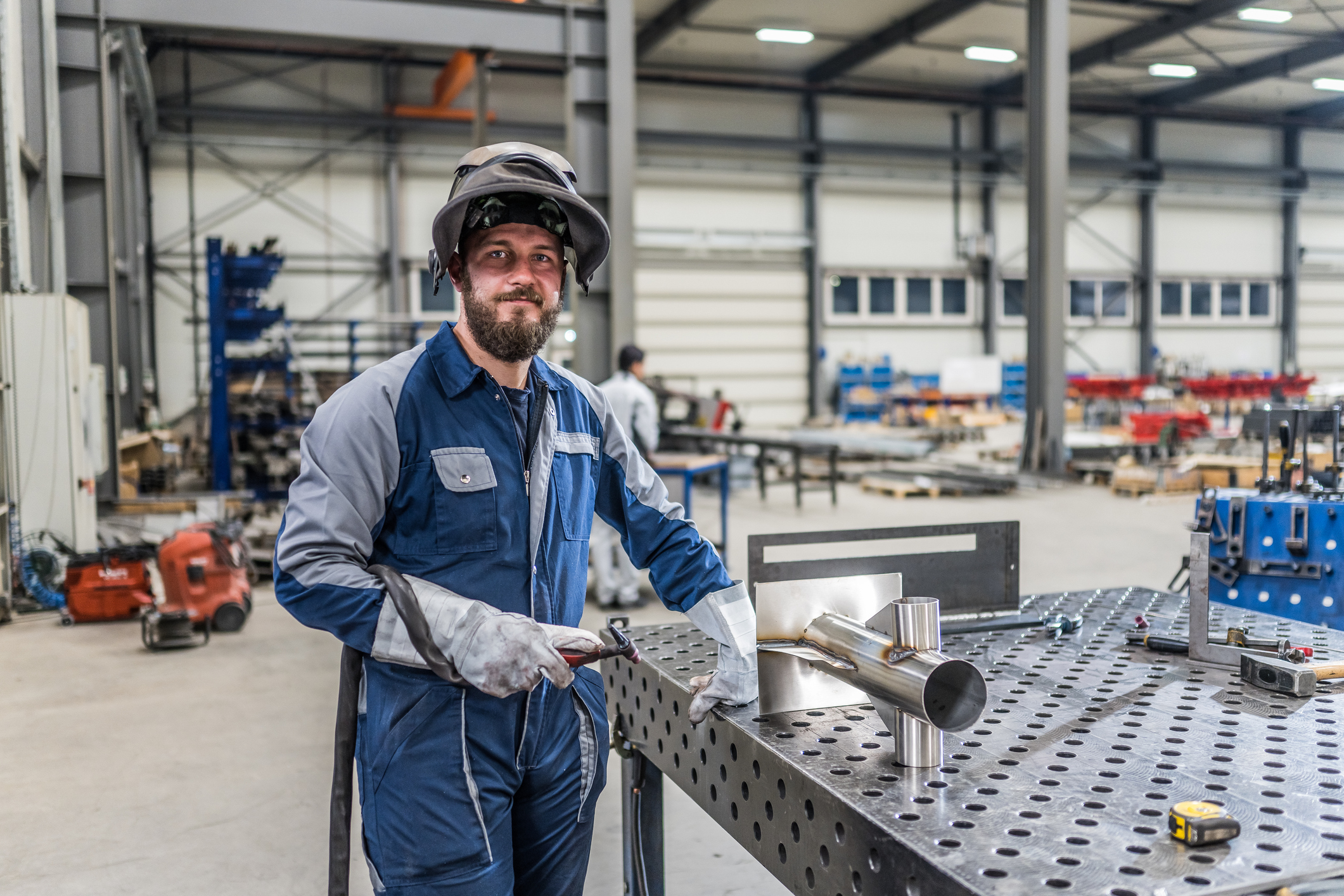
Is CNC Machinist a Good Career? Build Your Future with Precision Manufacturing at Shenzhen Honyo Prototype
In today’s advanced manufacturing landscape, the role of a CNC machinist has evolved into a high-demand, technically rewarding career path. At Shenzhen Honyo Prototype, we recognize that skilled machinists are the backbone of precision engineering and rapid prototyping. If you’re considering a career in CNC machining or are already on this path, aligning with a forward-thinking company like Honyo offers unmatched opportunities for growth, innovation, and professional development.
CNC machining combines computer-aided design (CAD) with computer numerical control (CNC) technology to produce highly accurate parts across industries such as aerospace, medical devices, automotive, and consumer electronics. As automation and smart manufacturing continue to advance, CNC machinists who understand both the technical and operational aspects of the process are more valuable than ever. This career is not just about operating machines—it’s about mastering a blend of programming, precision measurement, materials science, and problem-solving.
At Honyo, we invest in cutting-edge 3-, 4-, and 5-axis CNC milling and turning centers, enabling our team to deliver complex prototypes and low-volume production parts with tight tolerances and exceptional surface finishes. Our machinists work with a wide range of materials, including aluminum, stainless steel, titanium, brass, and engineering plastics, ensuring diverse and challenging projects that foster continuous learning.
Beyond the technical work, a career in CNC machining offers stability, competitive compensation, and clear pathways to advancement—whether into programming, quality control, process engineering, or project management. With global demand for precision components rising, skilled machinists are positioned at the forefront of manufacturing innovation.
If you’re passionate about precision, technology, and building tangible solutions, CNC machining is not just a good career—it’s a future-proof one.
Start Your Project or Career Journey with Honyo Today
Whether you’re an engineer looking to prototype a new design or an aspiring machinist seeking hands-on experience in a dynamic environment, Shenzhen Honyo Prototype is your trusted partner in precision manufacturing.
We offer fast turnaround times, rigorous quality control, and expert technical support from concept to delivery. Our team is equipped to handle complex geometries, tight tolerances, and custom finishing requirements with consistency and reliability.
For immediate assistance or to discuss your next project, contact Susan Leo, Customer Project Manager, at info@hy-proto.com. We respond within 12 hours and provide free DFM (Design for Manufacturability) feedback to optimize your designs for CNC machining.
| Specification | Capability at Honyo |
|—————|——————–|
| Machine Types | 3-axis, 4-axis, 5-axis CNC milling; CNC turning |
| Materials | Aluminum, Steel, Stainless Steel, Titanium, Brass, Plastics (e.g., PEEK, ABS, PC) |
| Tolerances | As tight as ±0.005 mm |
| Max Work Envelope | 1200 x 600 x 500 mm |
| Lead Time | As fast as 3–7 days for prototypes |
| Finishes | As-machined, Anodizing, Plating, Powder Coating, Sandblasting |
Reach out to Susan Leo today at info@hy-proto.com to start your project or explore career opportunities in precision CNC machining.
🚀 Rapid Prototyping Estimator
Get a rough estimate for CNC/3D Printing costs.