
Contents
Manufacturing Insight: 5052 H32 Aluminum Sheet
Manufacturing Insight: 5052-H32 Aluminum Sheet
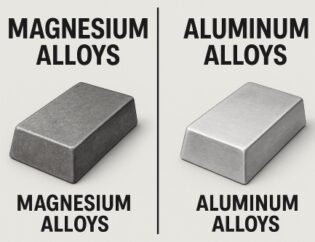
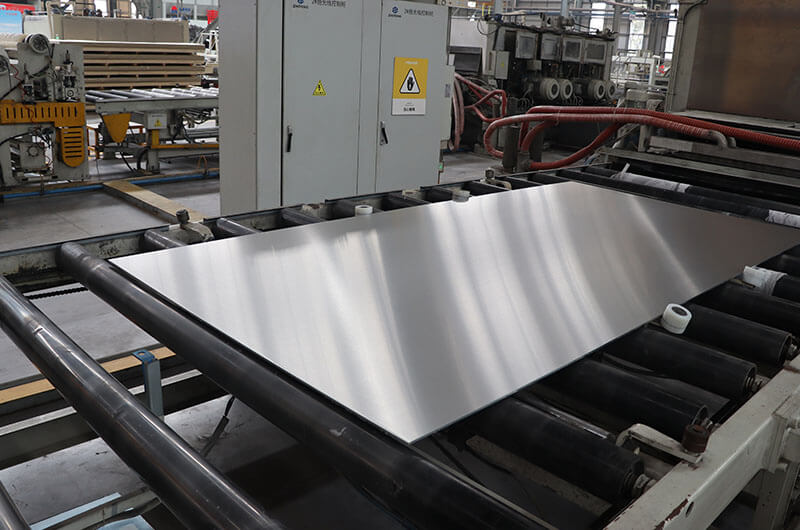
5052-H32 aluminum sheet represents a cornerstone material within precision sheet metal prototyping and low-volume production, particularly valued for its exceptional combination of formability, corrosion resistance, and weldability. At Shenzhen Honyo Prototype, we recognize that successful fabrication of this specific temper hinges on a deep understanding of its unique mechanical behavior and processing requirements. 5052 alloy, primarily strengthened by magnesium, achieves the H32 temper through strain hardening and partial annealing, resulting in a material significantly more formable than common 6061-T6 while maintaining superior resistance to marine and chemical environments. This makes it an optimal choice for prototypes requiring complex bends, deep draws, or exposure to corrosive elements where 3003 or 5052-O might lack sufficient strength, and 6061-T6 would be prone to cracking during forming.
The H32 temper delivers a critical balance between yield strength and ductility essential for intricate prototype geometries. Key mechanical properties governing manufacturability are summarized below:
| Property | Value | Unit |
|——————-|———–|———|
| Tensile Strength | 228 | MPa |
| Yield Strength | 193 | MPa |
| Elongation (50mm) | 12 | % |
| Typical Bend Radius | 0.8 x T | (T=Thickness) |
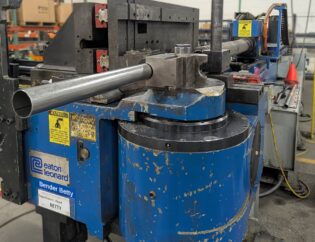
This moderate yield strength relative to ultimate tensile strength minimizes springback compared to higher-strength tempers, yet precise compensation remains necessary for tight-tolerance bends. The minimum recommended inside bend radius of 0.8 times material thickness (T) is critical; exceeding this significantly increases the risk of surface cracking, especially when bending perpendicular to the grain direction. Honyo’s advanced CNC press brakes feature real-time springback prediction algorithms calibrated specifically for 5052-H32 across thicknesses from 0.5mm to 6.0mm, ensuring dimensional accuracy on the first prototype iteration. Furthermore, our operators meticulously control grain orientation during layout and bending sequences to maximize formability and prevent edge fractures.
Welding 5052-H32 demands specific expertise due to its susceptibility to stress corrosion cracking (SCC) in the heat-affected zone (HAZ) if not processed correctly. While highly weldable using TIG or MIG methods, improper post-weld heat treatment or residual stresses can compromise integrity. Honyo mitigates this risk through stringent weld procedure specifications (WPS), including precise heat input control and, where design permits, post-weld annealing protocols validated through destructive testing on witness coupons for critical prototypes. Surface finishing also requires attention; 5052 anodizes well but yields a darker, more muted finish than 6061, and chemical film treatments are often preferred for optimal corrosion resistance without dimensional change. Our integrated finishing lines ensure consistent, defect-free surface preparation and coating application tailored to the alloy’s response.
Shenzhen Honyo Prototype leverages this nuanced understanding of 5052-H32 throughout our sheet metal workflow. From initial DFM analysis identifying potential forming or welding pitfalls, through precision laser cutting with optimized kerf compensation, to controlled bending and certified welding, our processes are engineered for this material’s specific characteristics. We utilize in-process metrology, including optical comparators for bend angle verification and salt spray testing for corrosion validation, ensuring prototype performance mirrors final production intent. Partner with Honyo to transform your 5052-H32 designs into high-fidelity, functionally validated prototypes, minimizing iteration cycles and accelerating your path to market.
Technical Capabilities
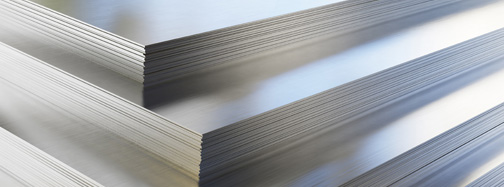
Technical Capabilities: 5052-H32 Aluminum Sheet Fabrication
Shenzhen Honyo Prototype specializes in precision sheet metal fabrication using 5052-H32 aluminum, a non-heat-treatable alloy known for excellent corrosion resistance, moderate strength, and superior workability in forming operations. This alloy is particularly well-suited for applications requiring good weldability and resistance to marine environments, making it ideal for automotive components, enclosures, marine hardware, and electronic housings.
Our manufacturing capabilities for 5052-H32 aluminum include high-precision laser cutting, CNC bending, and TIG/MIG welding. The H32 temper designation indicates that the material has been strain hardened and partially annealed, providing a balanced combination of strength and formability. With a typical ultimate tensile strength of 220–260 MPa and yield strength of approximately 190 MPa, 5052-H32 supports reliable performance across a range of industrial applications.
Laser cutting of 5052-H32 aluminum is performed using fiber laser technology, enabling clean, burr-free edges with minimal heat-affected zones. This process supports intricate geometries and tight tolerances, essential for prototyping and low-to-medium volume production. The material’s consistent mechanical properties allow for high repeatability and edge quality, particularly in thicknesses ranging from 0.5 mm to 6.0 mm.
CNC press braking is used for bending operations, with tooling selected based on material thickness and bend radius requirements. 5052-H32 exhibits excellent bendability with a minimum bend radius of 0.8t (where t = material thickness) for sharp bends without cracking. Our bending processes incorporate springback compensation algorithms to maintain angular accuracy across complex profiles.
Welding is performed using TIG (GTAW) and MIG (GMAW) methods, both of which are compatible with 5052-H32 due to its magnesium content and low hot-cracking susceptibility. We recommend using 5356 or 5183 series filler alloys to maintain corrosion resistance and mechanical strength in the weld zone. Post-weld inspection includes visual and penetrant testing to ensure integrity, especially for structural or pressure-containing components.
All fabricated parts undergo in-process and final inspection to ensure compliance with customer specifications and industry standards. Surface treatments such as anodizing, powder coating, or chemical conversion coating can be applied post-fabrication to enhance durability and aesthetic finish.
The following table outlines key fabrication tolerances and material specifications for 5052-H32 aluminum sheet processing at Shenzhen Honyo Prototype:
| Parameter | Specification |
|—————————-|———————————————–|
| Material Grade | 5052-H32 |
| Thickness Range | 0.5 mm – 6.0 mm |
| Tensile Strength | 220–260 MPa |
| Yield Strength | ≥ 190 MPa |
| Elongation (min) | 12% (in 50 mm) |
| Laser Cutting Tolerance | ±0.1 mm (up to 3 mm), ±0.2 mm (>3 mm) |
| Bending Tolerance | ±0.2° angular, ±0.3 mm linear |
| Dimensional Tolerance (CNC)| ±0.1 mm (holes/piercings), ±0.3 mm (overall) |
| Minimum Bend Radius | 0.8 × material thickness |
| Welding Processes | TIG (GTAW), MIG (GMAW) |
| Recommended Fillers | ER5356, ER5183 |
| Surface Roughness (cut) | Ra ≤ 6.3 µm |
Shenzhen Honyo Prototype maintains strict process controls and material traceability to ensure consistent quality in every 5052-H32 aluminum fabrication project.
From CAD to Part: The Process
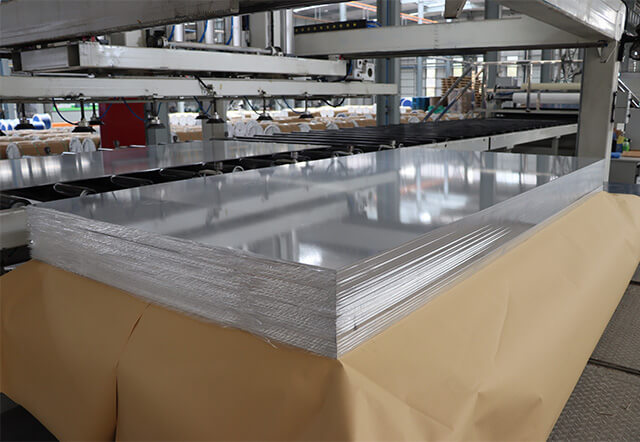
Manufacturing Guide: 5052 H32 Aluminum Sheet Fabrication Workflow
Shenzhen Honyo Prototype delivers precision sheet metal fabrication for 5052 H32 aluminum, leveraging a streamlined workflow from initial inquiry to finished component. This grade, renowned for its excellent corrosion resistance, weldability, and moderate strength, requires specific handling to maintain dimensional integrity and surface quality. Our process ensures optimal results while minimizing lead times and non-conformances.
Phase 1: AI-Powered Quoting & CAD Validation
Upon receiving a client’s CAD file (STEP, IGES, or native formats), our AI-driven quoting system performs an initial technical assessment. This phase verifies file completeness, identifies potential geometric conflicts, and cross-references 5052 H32 material specifications against design intent. Critical checks include minimum feature sizes, hole-to-edge distances, and flat pattern feasibility. The AI estimates material utilization, machine time, and secondary operations, generating a preliminary quote within 2 hours. This step prevents downstream delays by flagging incompatible design elements early, such as features below the alloy’s practical manufacturability threshold.
Phase 2: Comprehensive DFM Analysis
All 5052 H32 projects undergo mandatory Design for Manufacturability (DFM) review by our engineering team. Unlike generic alloys, 5052 H32 exhibits unique springback characteristics and sensitivity to excessive bending stresses. Our DFM focuses on optimizing bend radii, avoiding sharp internal corners that induce cracking, and ensuring proper grain orientation for formed parts. We validate weld joint designs to prevent distortion and recommend anodizing considerations if specified. Clients receive a detailed DFM report with actionable suggestions—such as adjusting flange lengths or modifying cutouts—before production commences. This phase reduces prototyping iterations by up to 70% and eliminates costly rework.
Phase 3: Precision Production Execution
Once DFM is approved, fabrication begins using Honyo’s calibrated equipment. 5052 H32 sheets are processed via CNC turret punching (for high-speed feature integration) or fiber laser cutting (for complex contours), with parameters tuned to minimize heat-affected zones and dross. Critical production parameters for this alloy are strictly controlled as shown below:
| Parameter | Specification for 5052 H32 | Industry Standard |
|——————–|———————————-|——————-|
| Minimum Bend Radius | ≥ 1.5 x Material Thickness | ≥ 2.0 x Thickness |
| Tolerance (Cutting) | ±0.1 mm | ±0.2 mm |
| Surface Roughness | Ra ≤ 1.6 µm (after deburring) | Ra ≤ 3.2 µm |
| Welding Process | TIG with 5356 filler rod | Varied |
Forming occurs on CNC press brakes with urethane tooling to prevent surface marring. All parts undergo rigorous in-process inspection for flatness (≤0.5 mm/m) and burr control. Final deburring uses vibratory finishing to maintain edge integrity without compromising corrosion resistance. Each batch includes material certification traceable to ASTM B209 standards.
Honyo’s integrated workflow—from AI validation through alloy-specific DFM to precision production—ensures 5052 H32 components meet stringent aerospace, marine, and electronics requirements. By addressing the material’s temper-specific behaviors upfront, we deliver prototypes and low-volume runs with repeatable accuracy, typically reducing time-to-part by 30% versus industry averages. This disciplined approach underscores our commitment to engineering excellence in aluminum fabrication.
Start Your Project
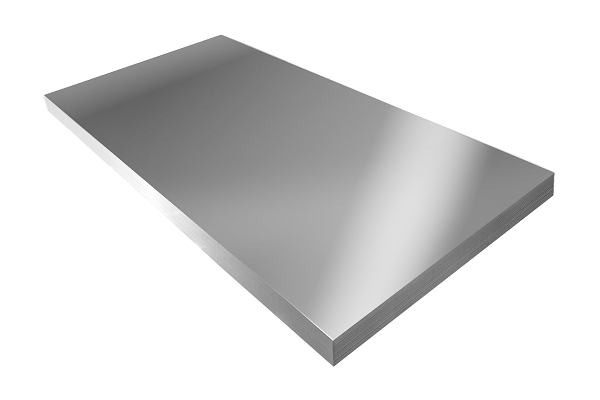
Start Your Project with Precision: Choose 5052 H32 Aluminum Sheet for Superior Sheet Metal Fabrication
When it comes to high-performance sheet metal fabrication, the selection of material plays a pivotal role in determining the durability, workability, and overall success of your project. At Shenzhen Honyo Prototype, we specialize in precision manufacturing using 5052 H32 aluminum sheet — a premier alloy known for its excellent corrosion resistance, moderate strength, and superior formability. Whether you’re developing components for marine applications, transportation systems, or industrial enclosures, 5052 H32 aluminum delivers consistent results under demanding conditions.
This non-heat-treatable alloy combines magnesium as its primary alloying element, providing enhanced structural integrity without sacrificing weldability or machinability. Its H32 temper designation indicates strain-hardened and stabilized conditions, ensuring uniform mechanical properties across batches. This consistency is critical for clients requiring tight tolerances and repeatable performance in high-volume or prototype production runs.
We understand that every engineering project begins with a vision — one that demands not only the right material but also a manufacturing partner with technical expertise and responsive service. At Honyo Prototype, our advanced CNC turret punching, laser cutting, bending, and welding capabilities are fully optimized for 5052 H32 aluminum sheet. Our quality control processes adhere to international standards, guaranteeing dimensional accuracy and surface integrity from raw material to finished part.
To help you get started, we’ve compiled key technical specifications for 5052 H32 aluminum sheet commonly used in our fabrication processes:
| Property | Value |
|——–|——-|
| Alloy | 5052 |
| Temper | H32 |
| Tensile Strength | 228 MPa (min) |
| Yield Strength | 193 MPa (min) |
| Elongation | 12% (min) |
| Hardness (Brinell) | 60 HB |
| Density | 2.68 g/cm³ |
| Melting Range | 579–638°C |
| Thermal Conductivity | 138 W/m·K |
| Electrical Conductivity | 35% IACS |
| Common Thickness Range | 0.5 mm – 6.0 mm |
| Surface Finish | Mill finish, can be anodized or painted |
Our team supports custom cutting, bending profiles up to 3 mm offset, and precision welding using MIG and TIG methods tailored to aluminum’s thermal characteristics. We also offer value-added services including deburring, hardware insertion, and assembly to reduce your downstream processing time.
Now is the time to bring your design to life with a material and manufacturer you can trust. For technical consultations, material recommendations, or project quotations, contact Susan Leo at info@hy-proto.com. With years of experience in prototyping and low-to-mid volume production, Susan will guide you through every step — from DFM analysis to on-time delivery.
Partner with Shenzhen Honyo Prototype and experience seamless fabrication with 5052 H32 aluminum sheet. Your next innovation is just an email away.
🚀 Rapid Prototyping Estimator
Get a rough estimate for CNC/3D Printing costs.