
Contents
Manufacturing Insight: Nylon Water Absorption
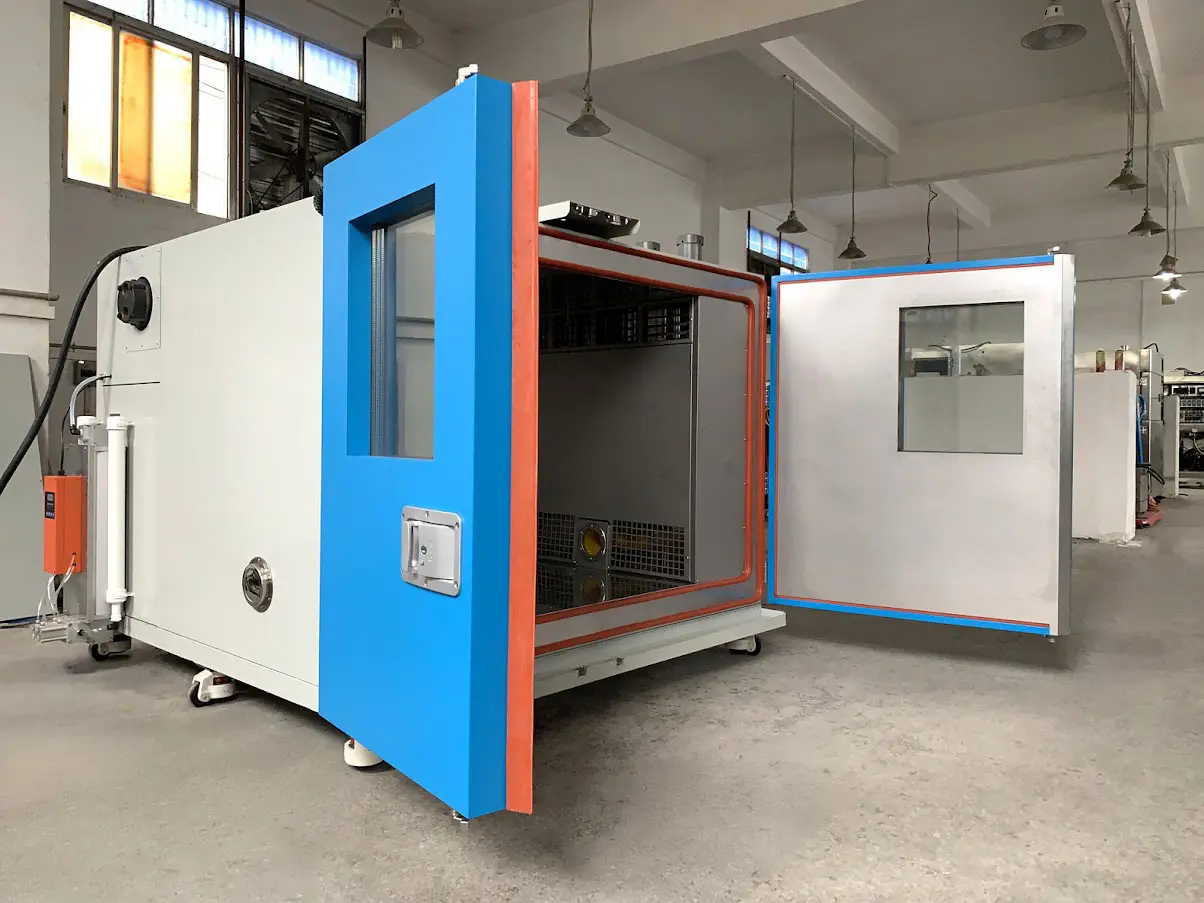
Manufacturing Insight: Managing Nylon Water Absorption in Precision CNC Machining
Nylon’s hygroscopic nature presents a critical challenge in precision CNC machining, where dimensional stability directly impacts part functionality and assembly. As a polymer that readily absorbs moisture from ambient environments, nylon undergoes reversible dimensional changes—swelling upon absorption and contracting during drying. This behavior is not merely a material curiosity; it fundamentally affects tolerance adherence, mechanical properties, and long-term performance in end-use applications. Uncontrolled moisture content can lead to post-machining distortion, interference fits, or functional failure in high-precision components, particularly in aerospace, medical, and automotive sectors where Honyo Prototype operates. Understanding and mitigating this phenomenon is non-negotiable for reliable production.
The absorption mechanism stems from nylon’s polar amide groups, which form hydrogen bonds with water molecules. This process accelerates with temperature and humidity, with saturation levels varying significantly by nylon type. While moisture absorption enhances toughness and reduces brittleness—beneficial in service—it introduces unpredictability during machining and post-processing. Parts machined in a dry state may absorb moisture in standard workshop environments (typically 40-60% RH), causing expansion that violates tight tolerances. Conversely, parts stabilized at equilibrium moisture content can shrink if deployed in arid conditions. Critical dimensions, especially in thin-walled features or press-fit interfaces, are highly susceptible. At Honyo Prototype, we treat moisture management as an integral phase of the manufacturing workflow, not an afterthought.
We implement rigorous material conditioning protocols prior to machining. All nylon stock undergoes controlled humidity exposure (23°C, 50% RH) for 72+ hours to reach equilibrium moisture content (EMC), ensuring dimensional predictability during cutting. Our CNC processes utilize real-time environmental monitoring, with machining cells maintained at 22±1°C and 50±5% RH. Post-machining, parts enter climate-stabilized storage before final inspection, eliminating humidity-induced measurement drift. This approach guarantees that tolerances specified at drawing release—down to ±0.025mm for critical features—are maintained through shipment.
Key material behaviors under standard conditions are summarized below:
| Nylon Type | Equilibrium Moisture Content (50% RH) | Saturation Moisture Content (100% RH) | Dimensional Change per 1% Moisture | Critical Tolerance Threshold |
|——————|————————————–|—————————————|———————————–|——————————|
| Nylon 6 | 2.4% | 9.5% | +0.25% | ±0.05mm |
| Nylon 66 | 2.2% | 8.5% | +0.20% | ±0.03mm |
| 30% Glass-Filled | 0.6% | 2.0% | +0.05% | ±0.02mm |
Honyo Prototype’s capability extends beyond machining to collaborative design for manufacturability (DFM). We advise clients on moisture-sensitive geometries, recommend optimal nylon grades for operational environments, and validate final part stability through accelerated conditioning tests. Our metrology lab employs CMMs with temperature-compensated probes and humidity-controlled inspection chambers, ensuring measurements reflect true as-machined dimensions. By integrating material science with precision manufacturing, we transform nylon’s hygroscopic challenge into a controlled variable—delivering components that perform consistently from the workshop floor to the end application. Partner with us to eliminate moisture-related rework and ensure first-time-right production for your critical nylon components.
Technical Capabilities
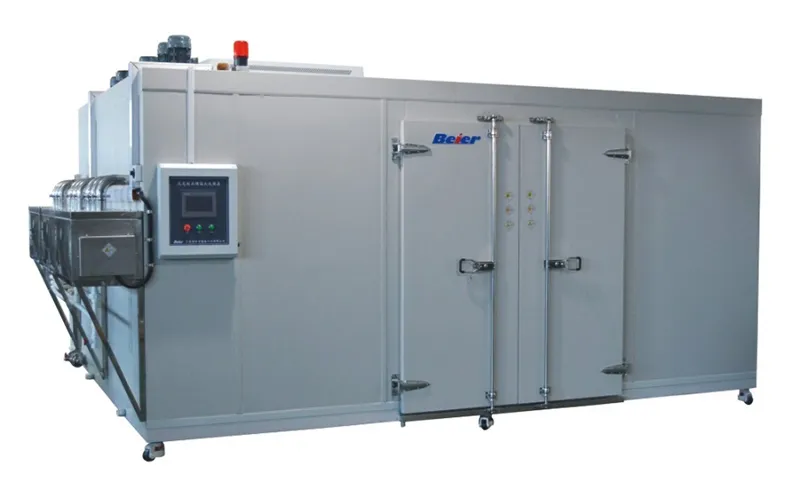
Nylon Water Absorption and Dimensional Stability in Precision CNC Machining
At Shenzhen Honyo Prototype, we specialize in high-precision CNC machining of engineering thermoplastics, with nylon (polyamide) being one of the most widely used materials due to its excellent mechanical strength, wear resistance, and low friction. However, a critical factor affecting the machinability and post-processing stability of nylon is its hygroscopic nature—specifically, its tendency to absorb moisture from the environment. Understanding and managing nylon water absorption is essential when producing tight-tolerance components via 3-axis, 4-axis, and 5-axis milling, as well as precision turning operations.
Nylon, particularly grades such as PA6 and PA66, can absorb up to 2.5–3.0% of its weight in water under standard atmospheric conditions (23°C, 50% RH). This absorption leads to dimensional changes, typically resulting in part expansion. For precision-machined components with tight geometric tolerances, unaccounted moisture uptake can compromise fit, function, and long-term reliability. The rate and extent of absorption depend on ambient humidity, part geometry, wall thickness, and the specific nylon formulation (e.g., unreinforced, glass-filled, or mineral-filled variants).
To mitigate dimensional instability, Honyo Prototype employs a controlled post-machining conditioning process. Machined nylon parts are stabilized at standard laboratory conditions (23°C, 50% RH) for a minimum of 48 hours before final inspection. This ensures that equilibrium moisture content is reached, minimizing further dimensional drift in service. For applications requiring immediate use or extreme precision, we recommend dry machining followed by moisture conditioning, or the use of modified nylon grades with reduced hygroscopic properties (e.g., PA12 or stabilized PA6).
Our 3-, 4-, and 5-axis CNC milling capabilities allow for complex geometries with high accuracy, while our precision turning centers ensure concentricity and surface finish consistency. All nylon components are machined with allowance for post-absorption growth, based on predictive modeling derived from material datasheets and in-house empirical data.
The following table outlines the typical water absorption rates and achievable tolerances for common nylon materials under controlled machining and conditioning protocols:
| Material Grade | Water Absorption (23°C, 50% RH, 24h) | Saturation (Max, in Water) | Typical Tolerance (Machined) | Post-Conditioning Tolerance | Recommended Use Case |
|—————-|—————————————-|—————————–|——————————-|——————————|———————-|
| PA6 | 1.5% – 1.8% | ~9.5% | ±0.05 mm | ±0.03 mm | Gears, bushings, structural |
| PA66 | 1.0% – 1.4% | ~8.5% | ±0.05 mm | ±0.03 mm | High-stress mechanical parts |
| PA12 | 0.5% – 0.8% | ~2.0% | ±0.03 mm | ±0.02 mm | Precision fittings, pneumatic |
| PA6 + 30% GF | 0.4% – 0.6% | ~2.5% | ±0.03 mm | ±0.02 mm | Structural, low-drift components |
| PA66 + 30% GF | 0.3% – 0.5% | ~2.0% | ±0.03 mm | ±0.02 mm | High-precision industrial |
Our engineering team works closely with clients to select the optimal nylon variant and machining strategy based on functional requirements, environmental exposure, and tolerance demands. By integrating moisture management into our manufacturing workflow, Shenzhen Honyo Prototype ensures that every nylon component meets stringent quality and performance standards.
From CAD to Part: The Process
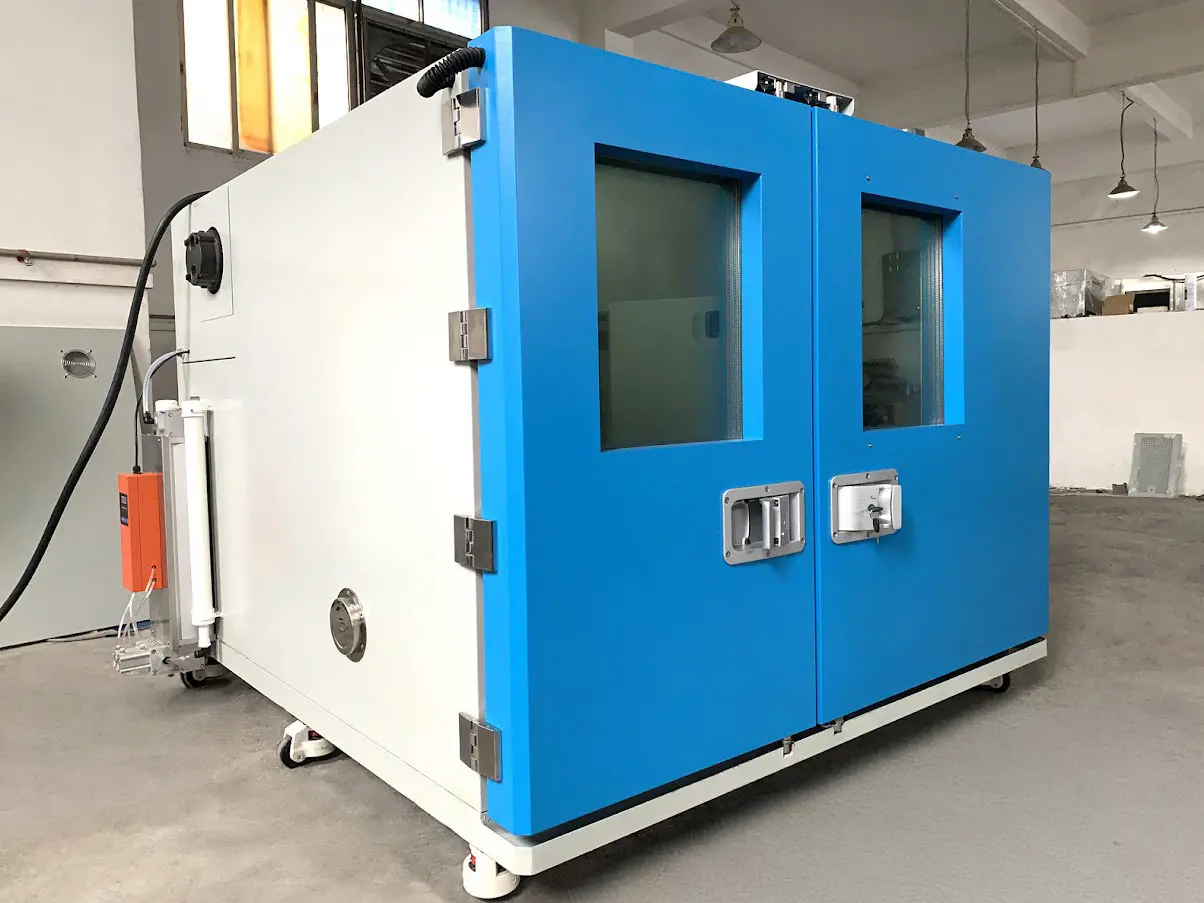
Nylon Water Absorption: CNC Machining Production Workflow Guide
Shenzhen Honyo Prototype strictly manages nylon’s hygroscopic behavior throughout CNC production to ensure dimensional stability and part functionality. Our workflow integrates moisture control from initial quotation to final inspection, addressing nylon’s tendency to absorb atmospheric moisture (up to 8–10% by weight), which directly impacts machining tolerances and post-production performance.
AI-Powered Quotation & Material Specification
During quoting, our AI system cross-references CAD geometry with nylon grade specifications (e.g., PA6, PA66, or glass-filled variants) and environmental exposure requirements. Critical moisture-related parameters are auto-flagged: dry-as-molded (DAM) versus equilibrium moisture content (EMC) states, required post-machining conditioning, and tolerance sensitivity. For instance, a part destined for underwater applications necessitates EMC conditioning per ISO 11403-2:2016, while precision gears may require DAM machining with strict humidity-controlled storage. Material certificates verifying pre-dry moisture levels (<0.2%) are mandatory before order acceptance.
DFM Analysis: Moisture-Driven Tolerance Adjustments
Our DFM phase explicitly evaluates moisture-induced dimensional risks. Engineers apply predictive swelling coefficients (typically 0.1–0.3% per 1% moisture uptake) to critical features. If CAD tolerances fall within nylon’s absorption-induced drift range (e.g., ±0.05mm for a 50mm feature at 2% moisture), we mandate one of three actions:
1. Tightening machining tolerances to compensate for post-absorption growth
2. Specifying mandatory pre-machining conditioning cycles
3. Recommending alternative materials (e.g., moisture-stable PEEK) for ultra-precision applications
Key conditioning protocols are defined here, ensuring alignment with downstream production.
Production Execution: Moisture-Controlled Machining
Production adheres to rigorously controlled environmental parameters. All nylon stock undergoes mandatory pre-machining conditioning in climate-controlled ovens (23°C ±2°C, 50% RH) for 72 hours or accelerated baking (80°C for 4 hours) to achieve target moisture content. Machining occurs in a humidity-stabilized CNC cell (45–55% RH), with real-time moisture verification via halogen analyzers. Critical allowances are applied per DFM directives:
| Parameter | Standard Value | Critical Tolerance Adjustment |
|——————–|—————-|——————————-|
| Moisture Content | <0.2% pre-mach | +0.15mm on X/Y dimensions |
| Dimensional Stability | ±0.05mm @ 2% MC | Hold tolerances to ±0.02mm |
| Machining Allowance | N/A | +0.10–0.25mm based on wall thickness |
Post-machining, parts undergo immediate EMC conditioning per application requirements (e.g., 23°C/50% RH for 96 hours) before final CMM inspection. Unconditioned parts are never shipped; dimensional validation occurs only after moisture equilibrium. All reports include moisture content at inspection (typically 2.0–2.5% for standard nylon), ensuring clients receive parts calibrated for real-world service conditions. This closed-loop process eliminates field failures due to unmanaged hygroscopic expansion, delivering consistent performance for fluid-handling components and precision assemblies.
Start Your Project
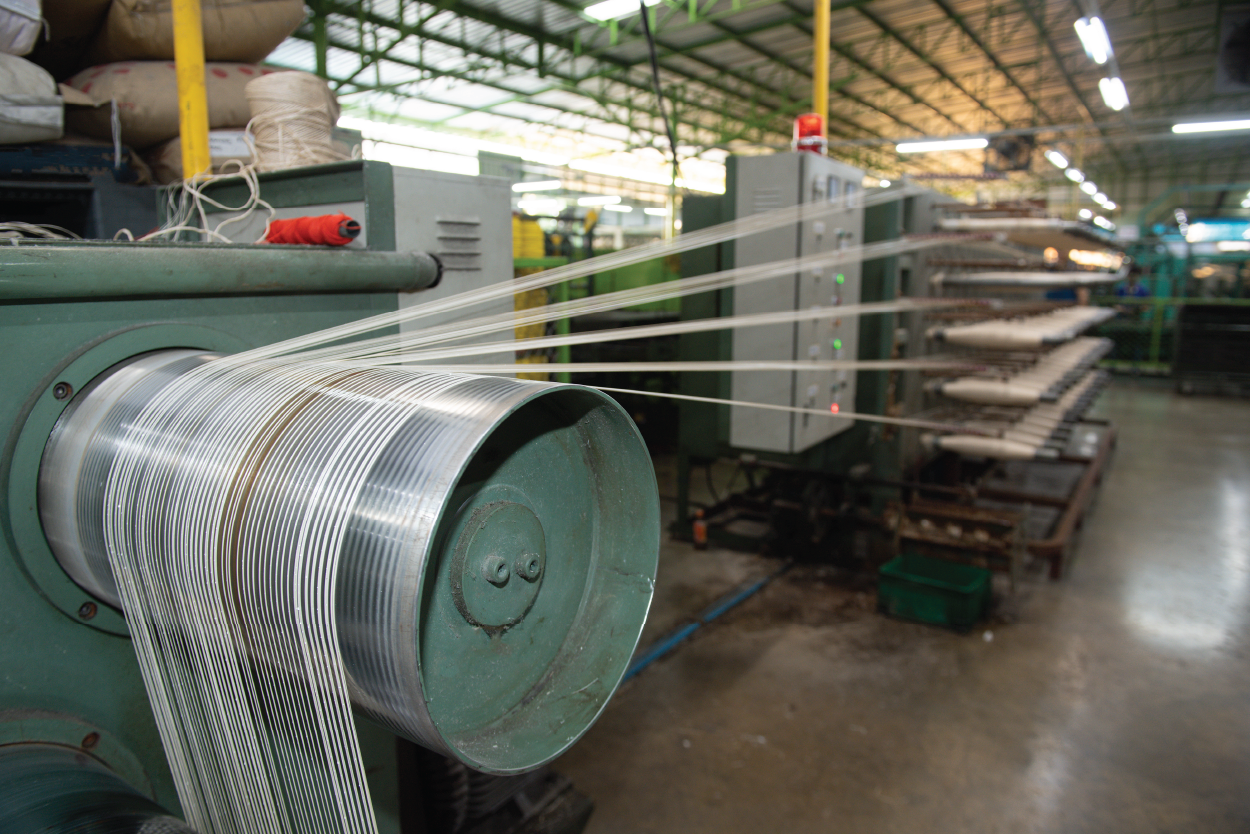
Understanding Nylon Water Absorption in CNC Machining: A Critical Factor for Precision
When machining nylon components using CNC technology, one of the most critical material behaviors to account for is water absorption. Nylon, particularly grades such as PA6 and PA66, is inherently hygroscopic—meaning it naturally absorbs moisture from the surrounding environment. This characteristic significantly impacts dimensional stability, mechanical performance, and long-term reliability of machined parts, especially in precision applications.
At Shenzhen Honyo Prototype, we specialize in high-accuracy CNC machining of engineering plastics, including various nylon formulations. Our manufacturing experience has shown that uncontrolled moisture uptake can lead to post-machining swelling, warping, or fitment issues in assemblies. For example, nylon can absorb up to 8–10% of its weight in water under humid conditions, resulting in measurable dimensional changes—particularly in parts with tight tolerances (±0.05 mm or tighter).
To mitigate these effects, we recommend several best practices during the design and manufacturing phases. First, consider specifying stabilized or moisture-resistant nylon variants such as PA6+30% glass fiber or pre-stabilized PA12, which exhibit reduced water absorption. Second, if the final application involves exposure to humidity or water immersion, perform moisture conditioning before final machining or conduct stress-relief annealing post-machining. We also advise clients to communicate expected operating environments so we can adjust machining parameters and tolerances accordingly.
Below are typical water absorption values for common nylon types used in our CNC machining services:
| Nylon Grade | Water Absorption (23°C, 50% RH, 24 hrs) | Saturation (in water, 23°C) | Dimensional Change (approx.) |
|——————-|—————————————-|——————————|——————————-|
| PA6 | 1.5% – 2.0% | 8.5% – 9.5% | +0.7% to +1.0% |
| PA66 | 1.0% – 1.5% | 7.0% – 8.0% | +0.6% to +0.8% |
| PA12 | 0.5% – 0.8% | 1.5% – 2.0% | +0.2% to +0.3% |
| PA6 + 30% GF | 0.3% – 0.6% | 1.0% – 1.5% | +0.1% to +0.2% |
These values illustrate why material selection and environmental planning are essential. At Honyo Prototype, we work closely with engineers and designers to ensure that nylon components meet functional requirements throughout their lifecycle.
If your project involves nylon CNC machining and you need guidance on material choice, moisture management, or tolerance planning, contact Susan Leo at info@hy-proto.com. With over a decade of experience in precision prototyping and low-volume production, our team provides tailored manufacturing solutions that account for real-world material behavior.
Start your project with confidence—partner with a team that understands the technical nuances of engineering plastics. Reach out today to discuss your design, request material recommendations, or obtain a fast turnaround quote. Let Honyo Prototype be your trusted manufacturing partner in bringing high-performance nylon components to life.
🚀 Rapid Prototyping Estimator
Get a rough estimate for CNC/3D Printing costs.