
Contents
Manufacturing Insight: Parting Line In Injection Molding

Manufacturing Insight: Parting Line in Injection Molding
The parting line represents a fundamental feature in injection molding, defined as the critical interface where the two primary mold halves – the cavity and core – meet and separate during the manufacturing cycle. This seam line is inherently present on every molded component and directly influences part aesthetics, dimensional accuracy, functional performance, and post-processing requirements. Precise management of the parting line is paramount, as misalignment or inadequate mold design can lead to excessive flash (unwanted material seepage), parting line mismatch (visible step-offs), compromised sealing surfaces, or difficulties in ejection. For demanding applications in consumer electronics, medical devices, and automotive components, the visibility and quality of the parting line are often critical acceptance criteria specified by end customers.
At Shenzhen Honyo Prototype, we recognize that optimizing the parting line is not merely a tolerancing exercise but a core element of robust mold design and process control, especially within rapid tooling environments where speed-to-market is essential. Our engineering approach integrates advanced CAD/CAM analysis during the initial mold design phase to strategically position the parting line away from critical cosmetic surfaces or functional zones whenever possible. We leverage high-precision CNC machining and meticulous mold assembly techniques using premium mold steels to achieve exceptional parallelism and alignment between cavity and core blocks. This foundation, combined with proprietary process parameter optimization during molding trials, ensures minimal flash generation and consistent parting line definition across production runs. Our rapid tooling capabilities specifically target tight parting line tolerances without sacrificing the accelerated timelines our clients require for prototyping and low-volume production.
Honyo’s commitment to parting line excellence translates into tangible benefits for our clients, including reduced scrap rates, minimized need for secondary deflashing operations, and parts that consistently meet stringent cosmetic and dimensional specifications straight from the mold. This precision directly supports faster design validation cycles and smoother transitions to full-scale manufacturing.
Our standard capabilities for parting line control in rapid tooling projects are summarized below:
| Parameter | Industry Standard (Typical Rapid Tooling) | Honyo Prototype Standard |
| :———————- | :—————————————- | :—————————– |
| Flash Thickness Control | ≤ 0.10 mm | ≤ 0.05 mm (Routinely ≤ 0.02 mm) |
| Parting Line Step Tolerance | ± 0.05 mm | ± 0.02 mm |
| Mold Steel Hardness (Core/Cavity) | Pre-hardened (e.g., P20 ~28-32 HRC) | H13 Tool Steel (48-52 HRC) |
| Typical Lead Time (Mold) | 2-4 Weeks | 10-15 Working Days |
| Critical Surface Finish | Often requires secondary polishing | Mold Finish Direct to Part |
Achieving this level of parting line fidelity requires seamless integration between design intent, mold fabrication precision, and scientific molding practices. Honyo Prototype’s vertically integrated facility in Shenzhen provides the necessary control over all these stages. Our engineers work collaboratively with clients during the Design for Manufacturing (DFM) review to proactively address parting line implications, ensuring the final component meets both functional requirements and aesthetic expectations efficiently. By mastering this essential molding feature, we deliver prototypes and production parts that accelerate your product development and enhance market readiness.
Technical Capabilities

Parting Line in Injection Molding – Technical Capabilities
At Shenzhen Honyo Prototype, precision in parting line execution is a cornerstone of our rapid injection molding services. The parting line—the interface where the two mold halves meet—directly influences part aesthetics, dimensional accuracy, and functionality. Our expertise in both steel and aluminum mold tooling ensures minimal flash, tight tolerances, and repeatable part quality, even during rapid production cycles.
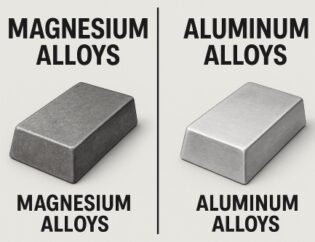
We specialize in delivering T1 samples within 7 days using high-precision CNC-machined molds, supporting both prototyping and low-volume production. Our mold materials are selected based on project requirements, balancing durability, cycle life, and cost-efficiency. Aluminum molds (typically 7075-T6 or 6061) are ideal for rapid tooling, offering fast lead times and up to 10,000 shots, while steel molds (P20, 718H, or S136) provide extended durability for production runs exceeding 100,000 cycles.
Our mold design process integrates advanced mold flow analysis and 3D simulation to optimize parting line placement, ensuring even material distribution and minimizing warpage. All molds are manufactured with tight control over parting line alignment, utilizing coordinate measuring machines (CMM) and optical inspection systems to verify flatness and fit. This precision reduces the risk of flash formation and ensures consistent parting line definition across all production stages.
The following table outlines our standard capabilities and tolerances for parting line control in injection molding:
| Parameter | Aluminum Molds | Steel Molds | Notes |
|———|—————-|————-|——-|
| Parting Line Flatness Tolerance | ±0.02 mm | ±0.01 mm | Measured across mold interface |
| Flash Control Limit | ≤ 0.05 mm | ≤ 0.03 mm | Maximum allowable flash on T1 sample |
| Mold Material Options | 7075-T6, 6061 | P20, 718H, S136 | Custom alloys on request |
| Typical Mold Life | 5,000 – 10,000 shots | 50,000 – 100,000+ shots | Depends on resin and geometry |
| Surface Finish at Parting Line | SPI A2, B2, or custom | SPI A1, A2, B1 | Polishing available across parting line |
| Lead Time for T1 Sample | 7 days | 7–10 days | From CAD approval to first article |
| Compatible Resins | ABS, PC, PP, PMMA, Nylon, POM | Same + high-temp resins (PPS, PEEK) | Material-dependent mold treatment |
All molds undergo rigorous pre-T1 inspection, including parting line gap measurement and ejection system validation. We apply precision lapping techniques to ensure seamless mold closure, particularly critical for cosmetic parts or those requiring hermetic seals. For complex geometries, we utilize side-actions and lifters designed to minimize parting line interference while maintaining structural integrity.
Shenzhen Honyo Prototype’s rapid tooling capabilities combine speed with precision, enabling clients to validate parting line performance early in the development cycle. Whether using aluminum for fast iteration or steel for long-term production, our process ensures that the parting line meets functional and aesthetic requirements without compromising lead time.
From CAD to Part: The Process

Parting Line Management in Injection Molding: From CAD to Final Part
The parting line, where the two mold halves meet, is a critical feature in injection molded parts, directly influencing aesthetics, functionality, and manufacturability. At Shenzhen Honyo Prototype, precise parting line definition and management are integral to our rapid tooling and injection molding workflow, ensuring parts meet specifications while minimizing cost and lead time. Our structured process transitions seamlessly from initial design through production, with the parting line as a key focus point.
The workflow begins with the AI-Powered Quoting Phase. Upon receiving a CAD model, our proprietary AI engine performs an initial geometric analysis. It identifies potential parting line locations based on part symmetry, undercuts, and draft analysis. The AI flags complex geometries where parting line placement significantly impacts mold complexity or part quality, providing an immediate preliminary assessment of manufacturability risks and cost drivers. This rapid analysis forms the foundation for an accurate, data-driven quote delivered within hours, setting clear expectations.
This transitions directly into the Engineer-Led DFM (Design for Manufacturability) Review. Our senior manufacturing engineers conduct a detailed manual review, collaborating closely with the client. We refine the AI’s suggestions, optimizing the parting line location to balance part function, cosmetic requirements, and mold cost. Critical factors are evaluated systematically:
| Factor | Impact on Parting Line | Honyo’s Approach |
| :—————– | :—————————————– | :—————————————- |
| Part Geometry | Dictates feasible split locations | Analyze symmetry, undercuts, wall thickness |
| Draft Angles | Affects ejection, surface finish | Verify minimum 1° draft, adjust split line |
| Cosmetic Surfaces | Determines visible witness line placement | Prioritize non-critical surfaces for split |
| Gate Location | Influences flow, weld lines, pressure | Align with parting line for optimal fill |
| Ejector Pin Marks | Placement constrained by cavity/core | Position pins away from critical surfaces |
The DFM report provides specific recommendations for parting line adjustment, draft correction, or minor design tweaks, often resolving 95% of potential issues before tooling begins. This collaborative step prevents costly mold modifications later.
Finally, the Precision Production Phase executes the validated plan. Our mold makers utilize the finalized CAD data, incorporating the approved parting line definition into the steel. Advanced CNC machining and EDM ensure the cavity and core halves align with micron-level accuracy at the parting line. During initial production runs, we rigorously inspect parts for flash, witness line prominence, and dimensional consistency directly related to the parting line interface. Real-time process monitoring and first-article inspection confirm the parting line meets all functional and aesthetic criteria before full production release.
This integrated approach—leveraging AI speed, engineering expertise, and precision manufacturing—ensures optimal parting line execution. By addressing this critical feature systematically from quote through production, Honyo Prototype delivers injection molded parts that consistently meet quality standards while maximizing efficiency for rapid tooling projects. The result is reduced time-to-market and minimized risk for our clients.
Start Your Project

Understanding Parting Lines in Injection Molding: A Critical Factor in Precision Manufacturing
At Shenzhen Honyo Prototype, we recognize that precision in injection molding begins with meticulous design and engineering insight—particularly when it comes to the parting line. The parting line is the visible seam formed where two halves of a mold meet during the injection process. While seemingly minor, its placement and execution directly influence part aesthetics, functionality, and structural integrity. For engineers, designers, and product developers engaged in rapid tooling and low-volume production, understanding how the parting line impacts final part quality is essential for achieving optimal results.
In injection molding, the mold is typically composed of two primary components: the cavity (A-side) and the core (B-side). The parting line runs along the perimeter where these two mold halves converge. When molten plastic is injected under high pressure, any misalignment, wear, or design oversight can lead to flash, mismatched features, or inconsistent wall thickness. At Honyo Prototype, we employ advanced mold design software and precision CNC machining to ensure parting lines are accurately positioned and smoothly finished—minimizing post-processing and enhancing part consistency.
Strategic placement of the parting line is crucial. It should ideally be located in areas that are less visible or functionally critical, such as along a part’s outer edge or beneath a snap-fit feature. Our engineering team evaluates draft angles, undercuts, and ejection forces during the design-for-manufacturability (DFM) phase to optimize parting line location. This proactive approach reduces the risk of defects and supports faster cycle times, a key advantage in rapid tooling applications.
Below is a summary of key specifications and capabilities we offer for injection molding projects involving precise parting line control:
| Feature | Specification |
|——–|—————|
| Mold Material | NAK80, S136, 718H, P20 |
| Tolerance | ±0.05 mm (standard), ±0.02 mm (tight-tolerance) |
| Surface Finish | SPI A1–B2, textured, polished, or as per sample |
| Parting Line Control | < 0.1 mm mismatch, flash-free under 0.05 mm |
| Lead Time (Prototype Tooling) | 7–15 days, depending on complexity |
| Production Volume | 100–10,000+ parts per mold |
| Resins Available | ABS, PC, PP, PA6, POM, PMMA, and custom blends |
Our rapid tooling solutions are engineered for speed without sacrificing quality. Whether you’re validating a new design or preparing for small-batch production, Honyo Prototype ensures your parts meet both aesthetic and mechanical requirements—with special attention to detail at the parting line.
Ready to start your next injection molding project with precision-engineered molds and expert support? Contact Susan Leo today at info@hy-proto.com. Let our team guide you through material selection, mold design, and parting line optimization to bring your concept to life efficiently and reliably.
🚀 Rapid Prototyping Estimator
Get a rough estimate for CNC/3D Printing costs.