
Contents
Manufacturing Insight: Ph Stainless Steel
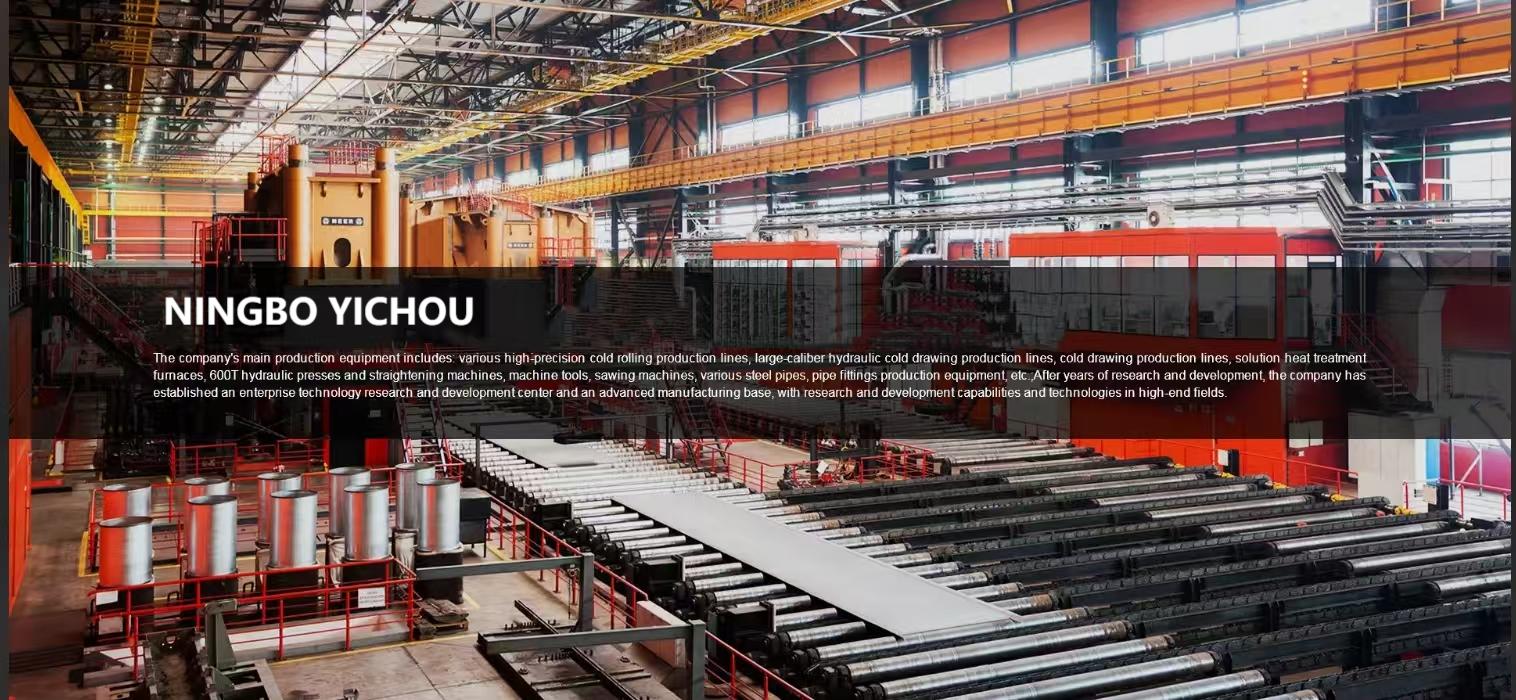
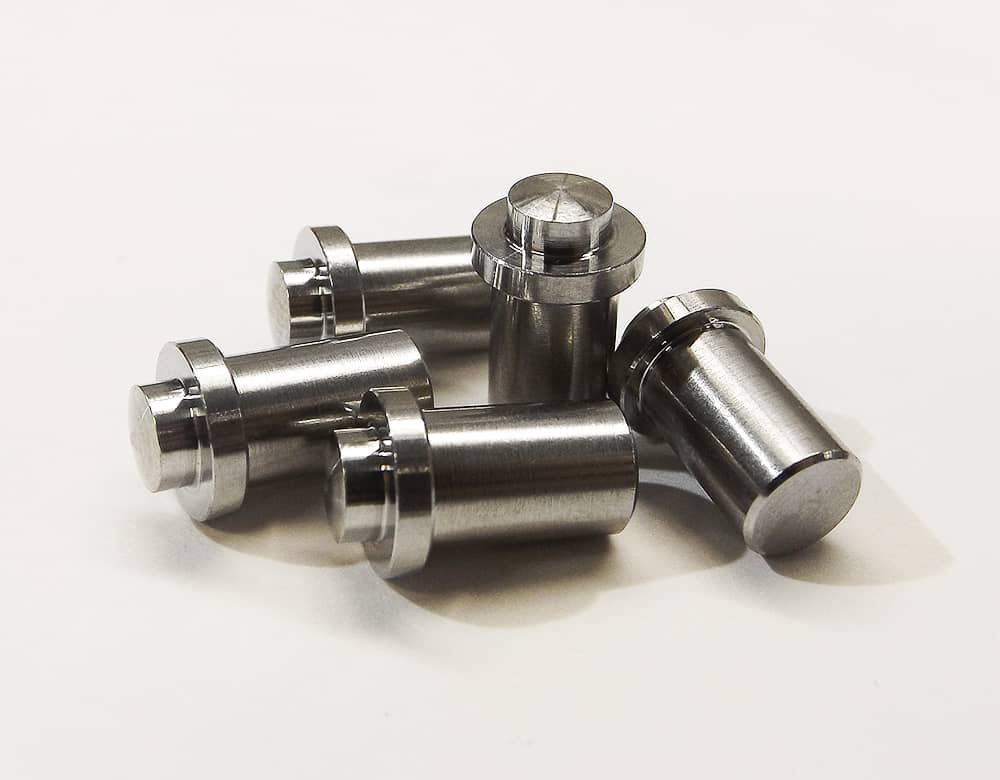
Precision-machining precipitation-hardening (PH) stainless steel is no longer a waiting game. At Honyo Prototype, our 5-axis CNC cells are dialed-in for 15-5 PH, 17-4 PH and custom grades—delivering aerospace-certified tolerances, mirror finishes and production-grade repeatability in as fast as 3 days. Upload your STEP file now for an Online Instant Quote and watch the cycle time, cost and lead-time lock in within seconds.
Technical Capabilities
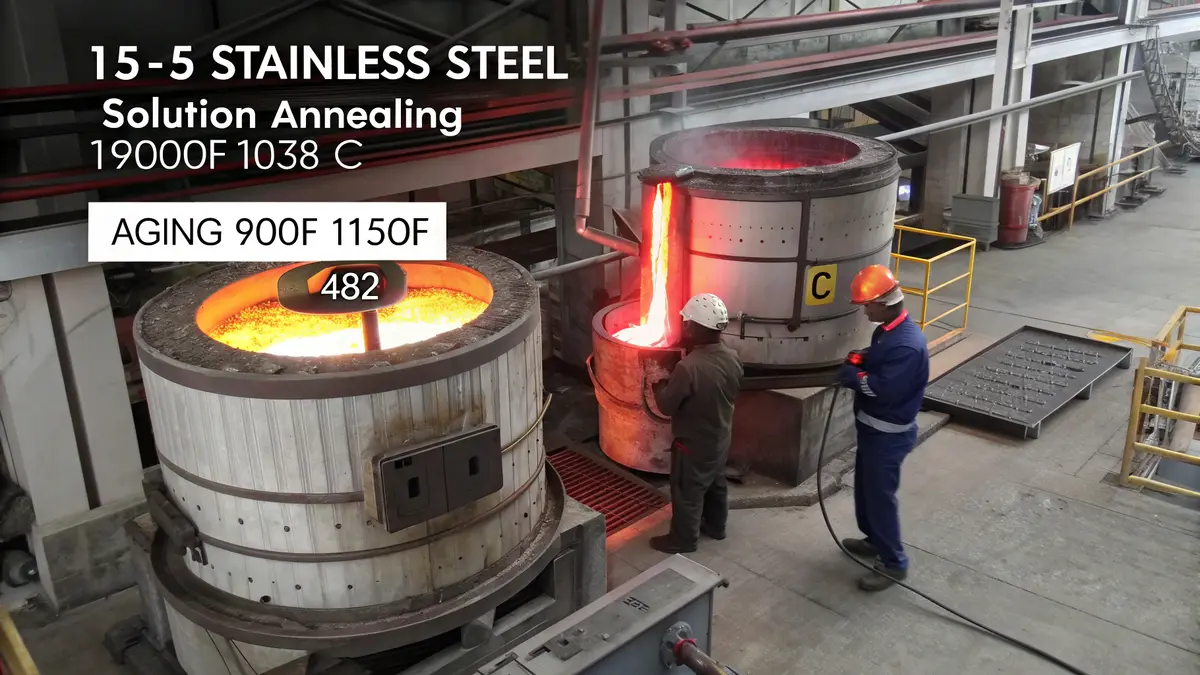
Clarification: There is no material called “ph stainless steel.” This appears to be a common typo/misnomer. The correct term is “PH Stainless Steel” (Precipitation Hardening Stainless Steel). This is a critical distinction – PH stainless steels are a specific family of high-strength, corrosion-resistant alloys that harden via heat treatment (precipitation hardening), not a generic term. I’ll address this upfront and provide precise technical specs for PH Stainless Steels (e.g., 17-4PH, 15-5PH, 13-8PH) alongside the other materials you listed (Aluminum, Steel, ABS, Nylon), focusing on 3/4/5-Axis Milling, Turning, and Tight Tolerance capabilities at Honyo Prototype.
I. PH Stainless Steel (Precipitation Hardening) – Key Technical Specs
- Common Grades: 17-4PH (S17400), 15-5PH (S15500), 13-8PH (S13800), Custom 450, Custom 455.
- Critical Machining Considerations:
- State Matters: Machining is HIGHLY dependent on the material condition:
- Annealed (H900/H1000): Softest state (HRC ~25-30). Easiest to machine but prone to work hardening. Preferred for roughing.
- Precipitation Hardened (H900/H1100/H1150): High strength (HRC 35-45+). Very abrasive, requires specialized tooling and slower speeds. Only for finish machining or critical features requiring hardness.
- Work Hardening: Extremely sensitive to low feeds/slow speeds. Must maintain sufficient chip load (0.002-0.005″ per tooth for roughing) to avoid rubbing and work hardening.
- Heat Generation: Poor thermal conductivity. Requires effective coolant (flood or high-pressure MQL) to prevent tool wear and thermal distortion. Avoid dry machining.
- Chip Control: Chips are tough and stringy. Chip breakers essential on inserts/bits. High-pressure coolant critical for chip evacuation.
- State Matters: Machining is HIGHLY dependent on the material condition:
Precision Machining Specs for PH Stainless Steel
| Parameter | 3/4/5-Axis Milling (Annealed State) | 3/4/5-Axis Milling (Hardened State) | Turning (Annealed State) | Turning (Hardened State) |
| :—————– | :———————————- | :———————————- | :———————– | :———————– |
| Typical Tolerance (Unstressed) | ±0.0005″ (0.013 mm) | ±0.001″ (0.025 mm) | ±0.0005″ (0.013 mm) | ±0.001″ (0.025 mm) |
| Achievable Tight Tolerance (With Care) | ±0.0002″ (0.005 mm) | ±0.0005″ (0.013 mm) | ±0.0002″ (0.005 mm) | ±0.0005″ (0.013 mm) |
| Tooling Material | C4/C5 Carbide (TiAlN, AlTiN, or Diamond-like coating) | C4/C5 Carbide (AlTiN, CVD Diamond, or PCD) | C4/C5 Carbide (TiAlN, AlTiN) | C4/C5 Carbide (AlTiN, CVD Diamond, or PCD) |
| Cutting Speed (SFM) | 150-250 SFM | 75-125 SFM | 150-250 SFM | 75-125 SFM |
| Feed Rate (IPM) | 15-40 IPM (per tooth dependent) | 8-20 IPM (per tooth dependent) | 10-30 IPM | 5-15 IPM |
| Coolant | High-Pressure Flood (500+ PSI) or MQL | High-Pressure Flood (500+ PSI) or MQL | High-Pressure Flood (500+ PSI) or MQL | High-Pressure Flood (500+ PSI) or MQL |
| Critical Notes | • Use sharp, polished edges.
• Avoid dwell times.
• Minimize tool deflection (short tools, rigid fixturing).
• Stress relief after roughing if high precision required. | • Grinding often preferred over milling for final tolerance.
• Very high tool wear rate.
• Thermal distortion control critical (coolant temp control, slow ramping). | • Similar to milling but lower speeds.
• Use positive rake inserts for smoother finish.
• Avoid chatter (rigid setup). | • Often requires grinding for tight tolerances.
• Extreme tool wear – short tool life.
• Thermal management paramount. |
Why Tight Tolerances are Challenging for PH Steel
- Thermal Expansion: Poor thermal conductivity causes localized heating, leading to dimensional drift during machining.
- Residual Stresses: Annealed PH steel has internal stresses; machining releases them, causing warpage. Stress relief annealing between roughing/finishing is often mandatory for sub-±0.0005″ tolerances.
- Work Hardening: If feeds/speeds aren’t optimized, the surface hardens, increasing tool wear and causing dimensional inaccuracies.
- Hardened State: Machining hardened PH steel is abrasive; tool wear directly impacts dimensional control. Grinding is typically required for tolerances tighter than ±0.0005″.
II. Comparison with Other Materials (Honyo Prototype Capabilities)
Note: Tolerances assume standard industrial-grade CNC equipment (e.g., 5-axis Haas, DMG Mori, Okuma), proper fixturing, and material condition.
| Parameter | Aluminum (6061-T6, 7075-T6) | Steel (4140 Pre-Hardened, 1018 HR) | ABS (Injection Molded/Extruded) | Nylon (6/66, Glass-Filled) |
| :—————– | :————————– | :——————————– | :—————————– | :————————- |
| Typical Tolerance (Unstressed) | ±0.001″ (0.025 mm) | ±0.001″ (0.025 mm) | ±0.002″ (0.05 mm) | ±0.002″ (0.05 mm) |
| Achievable Tight Tolerance (With Care) | ±0.0002″ (0.005 mm) | ±0.0005″ (0.013 mm) | ±0.0005″ (0.013 mm) | ±0.0005″ (0.013 mm) |
| Tooling Material | Uncoated Carbide (C1/C2), PCD (for high-volume) | C4/C5 Carbide (TiAlN, AlTiN) | Sharp, Polished Carbide (Uncoated or TiCN) | Sharp, Polished Carbide (Uncoated) |
| Cutting Speed (SFM) | 800-1200 SFM | 200-400 SFM | 300-600 SFM | 200-400 SFM |
| Feed Rate (IPM) | 50-150 IPM | 15-40 IPM | 20-60 IPM | 15-40 IPM |
| Coolant | Flood (water-soluble) or Dry (for high-speed) | Flood or MQL | MQL or Dry (Avoid flood coolant) | MQL or Dry (Avoid flood coolant) |
| Critical Notes | • Low heat generation.
• Prone to built-up edge (BUE) – sharp tools critical.
• Thermal expansion manageable.
• Very stable for tight tolerances. | • Moderate heat generation.
• Good chip control.
• Stable for tight tolerances with proper stress relief.
• 4140 pre-hardened (HRC 28-32) is common for precision parts. | • Low melting point (~220°C/428°F).
• MUST avoid excessive heat (slow speeds, sharp tools, no flood coolant).
• Low clamping force (warps easily).
• Dimensional stability good if stress-relieved before machining. | • Low melting point (~250°C/482°F).
• Extremely sensitive to heat (MQL/dry only).
• Glass-filled: Highly abrasive (requires PCD/cubic boron nitride).
• Hygroscopic – must be dried before machining.
• Low clamping force critical. |
III. Honyo Prototype Best Practices for Tight Tolerances Across All Materials
- Material State Control: Always specify material condition (e.g., “17-4PH Annealed H900,” “6061-T6,” “4140 Pre-Hardened HRC 28-32,” “Dried Nylon 6/66”).
- Thermal Management:
- Metals: Use coolant (flood/MQL) to control temperature. Monitor part temperature during machining.
- Plastics (ABS/Nylon): Avoid flood coolant. Use MQL or dry machining with high spindle speeds, sharp tools, and minimal engagement. Use thermal compensation in CNC program.
- Fixturing & Rigidity:
- Maximize contact area, minimize overhang.
- Use precision vises, magnetic chucks (for steel), or vacuum tables (for plastics).
- For tight tolerances on PH steel or hardened steels, stress relief annealing between operations is non-negotiable.
- Tooling Strategy:
- PH Steel: Use coated carbide for annealed state; diamond-coated or PCD for hardened state. Short tools, high rigidity.
- Aluminum: Uncoated or TiCN-coated carbide; high flute count for chip evacuation.
- Plastics: Single-flute or 2-flute carbide with high rake angles; no coatings (coatings can cause sticking).
- Tolerance Realism:
- ±0.0002″ (0.005 mm) is achievable on aluminum, steel, and PH steel (annealed) with 5-axis machining, but requires dedicated setup, thermal control, and often post-machining inspection (CMM).
- ±0.0005″ (0.013 mm) is standard for tight-tolerance work across all materials with proper process control.
- Plastics (ABS/Nylon): Tighter than ±0.0005″ is possible but requires extreme care with temperature, fixturing, and material stability (hygroscopicity for nylon).
- Post-Processing:
- PH Steel & Hardened Steels: Often require grinding for final tolerance/finish.
- Plastics: May require secondary operations (e.g., laser cutting for edges) to avoid heat distortion from machining.
Key Takeaway for Honyo Prototype Engineers
“PH Stainless Steel” is a specific alloy family (e.g., 17-4PH), not a generic term. Machining it to tight tolerances requires strict control of material condition (annealed vs. hardened), thermal management, and chip control – far more demanding than aluminum or plastics. ABS and Nylon demand low-heat, dry/MQL machining to prevent melting. Always specify material condition and tolerance requirements upfront; Honyo Prototype will optimize the process based on these critical parameters.
Let me know if you need specific process sheets for a particular PH grade (e.g., 17-4PH H1150) or part geometry!
From CAD to Part: The Process
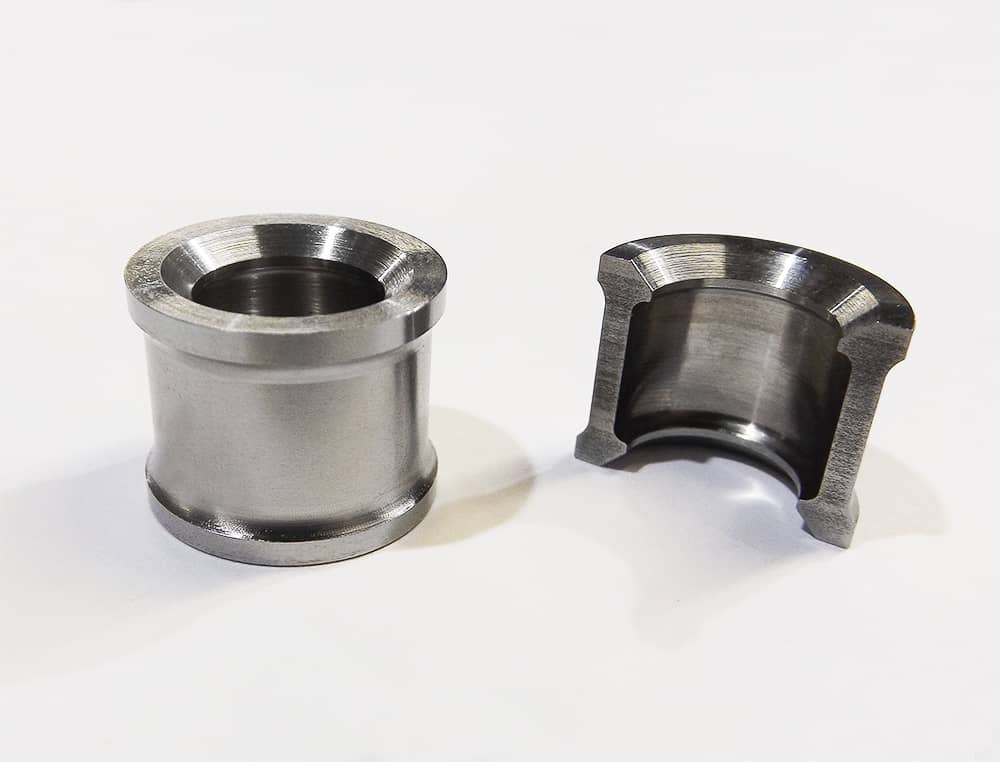
Honyo Prototype – 17-4 PH & 15-5 PH Stainless-Steel Workflow
(Upload-CAD → AI Quote → DFM → Production → Delivery)
-
Upload CAD
• Portal accepts STEP, IGES, Parasolid, STL, 3MF, native SolidWorks/Creo/Catia.
• Automatic geometry healing & version control; customer gets a visual diff report in <30 s.
• NDA is auto-generated if the part number is tagged “confidential”. -
AI Quote (target ≤5 min)
• Machine-learning model trained on 1.2 M PH-steel jobs predicts:
– Raw 17-4 or 15-5 bar/plate cost index (LME + mill surcharge).
– CNC hours (rough/finish) based on 5-axis tool-path simulation.
– Heat-treat distortion risk score → adds 0–0.3 mm grind stock.
– Passivation, H900/H1025/H1150, NDT, laser marking, serialization.
• Quote outputs: unit price, 3 lead-time options (Express 3-day, Standard 7-day, Economy 12-day), and a “cost-driver” Pareto so the designer can iterate instantly. -
DFM (24 h engineering package)
• Tolerance stack-up: PH steel shrinks ~0.08 % in H900; model is pre-scaled.
• Min wall/rib: 0.5 mm for machined, 3 mm for printed or cast.
• Support strategies: low-melting-point alloy or 3D-printed dissolvable fixtures to avoid clamping distortion during solution treat.
• Weld-preparation: if secondary welding is required, we switch to 15-5 (lower Cu) and specify AMS 5672 filler.
• Final review meeting (Zoom/Teams) recorded; sign-off triggers BOM lock. -
Production
4.1 Material & traceability
– 17-4 bar per ASTM A564, solution-A, grain size 5 or finer.
– MTR imported to blockchain ledger; customer QR code generated.
4.2 Roughing (Day 0)
– 5-axis Mazak or DMG; ceramic-mill rough at 250 m/min, 0.2 mm/tooth to keep white-layer <5 µm.
4.3 Solution treat (Day 0 night shift)
– 1040 °C ±10 °C, 30 min, high-purity N₂ quench to <30 °C in 3 min; AMS 2750F type-C furnace, SAT ≤ ±3 °C.
4.4 Semi-finish & stress-relieve (Day 1)
– 620 °C, 2 h, air cool; removes 75 % of machining residual stress before final geometry is cut.
4.5 Hardening (Day 1 night)
– Choice of H900, H1025, H1100, or H1150 per customer spec; vacuum furnace to prevent scale.
– Flatness checked on laser scanner; if >0.1 mm/100 mm, parts go to cryo (-73 °C, 8 h) before re-age.
4.6 Finishing (Day 2)
– Hard-turning with CBN inserts (Ra 0.4 µm typical), or grinding to ±5 µm.
– Threads roll-formed after hardening to increase fatigue life 2–3×.
4.7 Value-added
– Passivation ASTM A967, type II; nitric-1 bath 25 vol %, 45 °C, 30 min.
– Laser mark (1 µm fiber laser) adds DataMatrix with heat-number & serial.
– NDT: penetrant inspection per ASTM E1417, or X-ray if weldments.
4.8 In-process data capture
– All cutting parameters, heat-treat graphs, CMM point clouds uploaded to customer dashboard in real time; alarm triggers automatic containment if any parameter drifts.
- Delivery
• Vacuum-sealed with VCI paper + desiccant; moisture indicator card.
• Certificate of Compliance includes: MTR, heat-treat chart, NDT report, RoHS/REACH, material passport (QR).
• Express option: DHL/UPS same-day pickup; Standard: 2-day air; Economy: ocean freight + local truck.
• Feedback loop: customer scans QR, enters functional-test data; AI updates quoting model for next RFQ.
Typical timeline for 50 pieces, 100 mm × 60 mm × 25 mm, ±0.05 mm, H900:
Upload → AI quote (5 min) → DFM approval (24 h) → 3-day Express production → 1-day ship → total 5 calendar days door-to-door.
Start Your Project
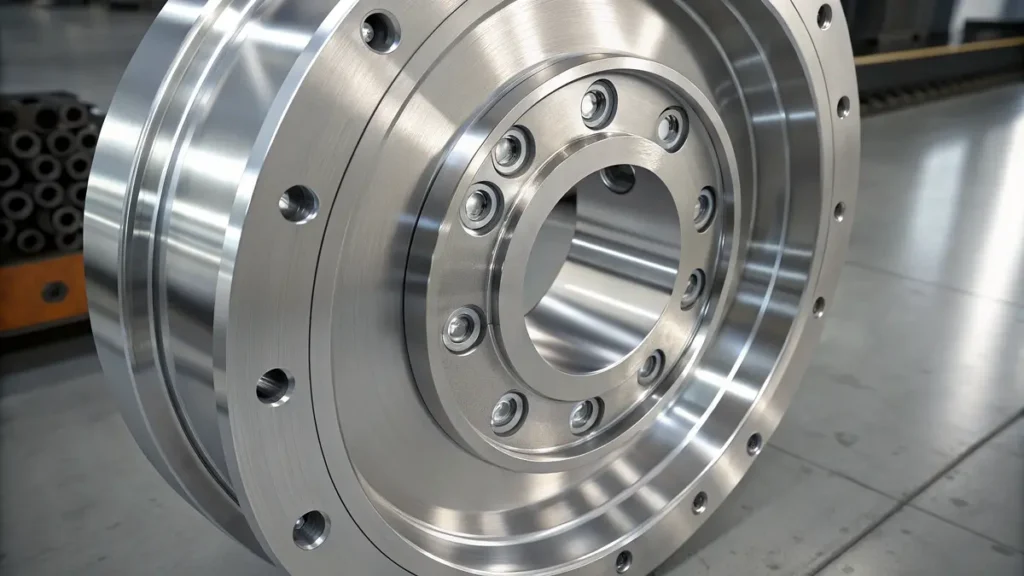
Request Precision PH Stainless Steel Solutions Today!
Contact Susan Leo at info@hy-proto.com for expert manufacturing of high-strength, corrosion-resistant components.
Honyo Prototype’s Shenzhen factory ensures unmatched quality, precision, and on-time delivery for aerospace, medical, and industrial applications.
🔧 Your trusted partner for mission-critical stainless steel solutions.
🚀 Rapid Prototyping Estimator