
Contents
Manufacturing Insight: 303 Steel
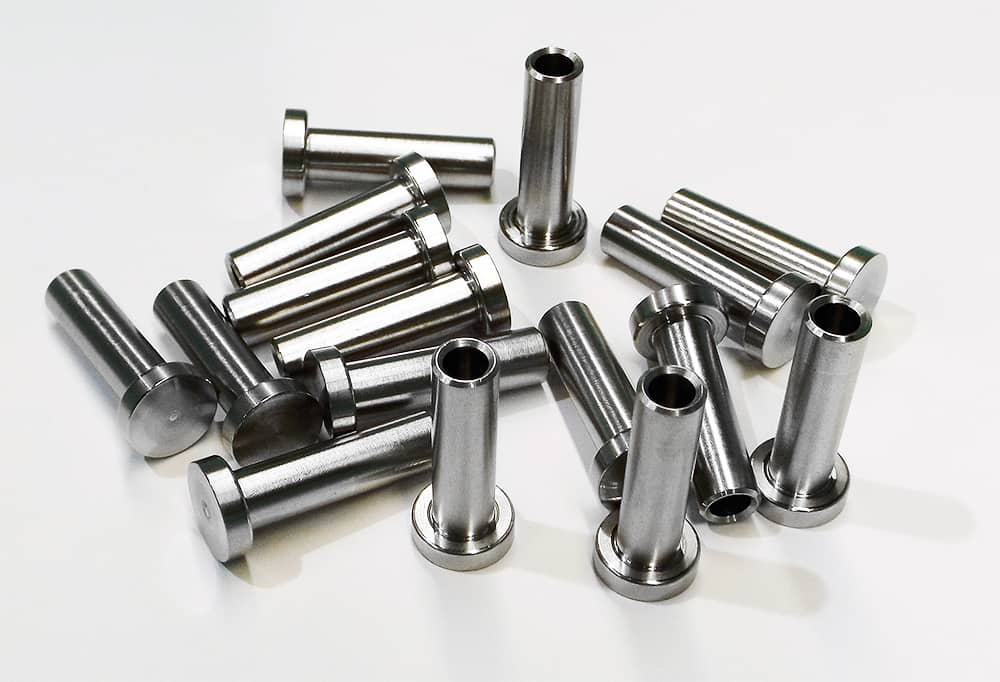
Manufacturing Insight: 303 Stainless Steel for Precision CNC Machining
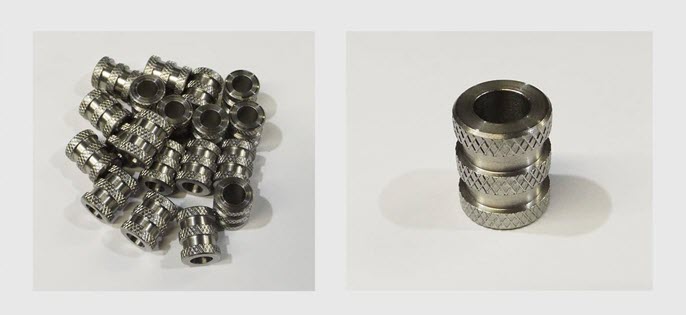
303 stainless steel is a free-machining austenitic alloy specifically engineered for high-efficiency CNC machining operations. Its defining characteristic is the controlled addition of sulfur (typically 0.15–0.35%), which significantly enhances chip breakability and reduces tool wear compared to non-sulfurized grades like 304. This makes 303 an optimal choice for high-volume production of complex, precision-turned or milled components where cycle time reduction and surface finish consistency are critical. While it sacrifices some corrosion resistance and weldability relative to 304 due to sulfur inclusions, its machinability quotient is approximately 78%—nearly double that of standard 304 stainless. At Shenzhen Honyo Prototype, we leverage this material’s unique properties to deliver rapid, cost-effective prototypes and low-to-mid-volume production runs for industries demanding tight tolerances and excellent as-machined surfaces, such as automotive sensors, valve components, and electrical connectors.
Key Material Properties of 303 Stainless Steel
| Property | Typical Value | Significance for CNC Machining |
|—————————|———————|—————————————————-|
| Sulfur Content | 0.15–0.35% | Enables superior chip breakage, reducing snarling and tool adhesion |
| Tensile Strength | 515–725 MPa | Maintains structural integrity in thin-walled features |
| Hardness (Brinell) | 149–269 HB | Balances machinability with wear resistance |
| Corrosion Resistance | Moderate (vs. 304) | Suitable for non-marine, non-acidic environments |
| Machinability Rating | 78% (100% = B1112) | 2x faster machining than 304 under identical parameters |
Honyo Prototype’s CNC machining expertise with 303 steel centers on optimizing toolpath strategies and cutting parameters to maximize the sulfur-induced machinability advantage while mitigating inherent challenges. Our process begins with rigid CNC turning and milling centers equipped with high-pressure coolant delivery systems, essential for flushing sulfur-rich chips away from the cutting zone and preventing surface smearing. We utilize sub-micron carbide tooling with specialized PVD coatings (e.g., TiAlN) to withstand the abrasive sulfide inclusions, extending tool life by up to 30% versus uncoated alternatives. Crucially, our engineers adjust feed rates aggressively—often 25–40% higher than 304 stainless—without compromising dimensional accuracy, directly translating to reduced cycle times and lower unit costs. For critical applications, we implement post-machining passivation to restore surface oxide layer integrity, counteracting sulfur’s minor impact on localized corrosion resistance.
Understanding 303’s limitations is equally vital to our process excellence. We proactively advise clients against its use in welded assemblies or highly corrosive environments, redirecting them toward 304 or 316L when necessary. Our quoting engineers evaluate every 303 project for feature complexity, volume requirements, and end-use conditions to confirm material suitability before machining commences. This disciplined approach ensures clients receive not only fast, precise parts but also confidence in long-term performance. For high-mix prototyping or bridge production where speed-to-part is paramount, 303 stainless remains a cornerstone material in Honyo’s capability portfolio—delivered with the process control and material science insight expected from a leader in precision CNC manufacturing. Contact our engineering team to discuss how 303 steel can accelerate your next component program.
Technical Capabilities
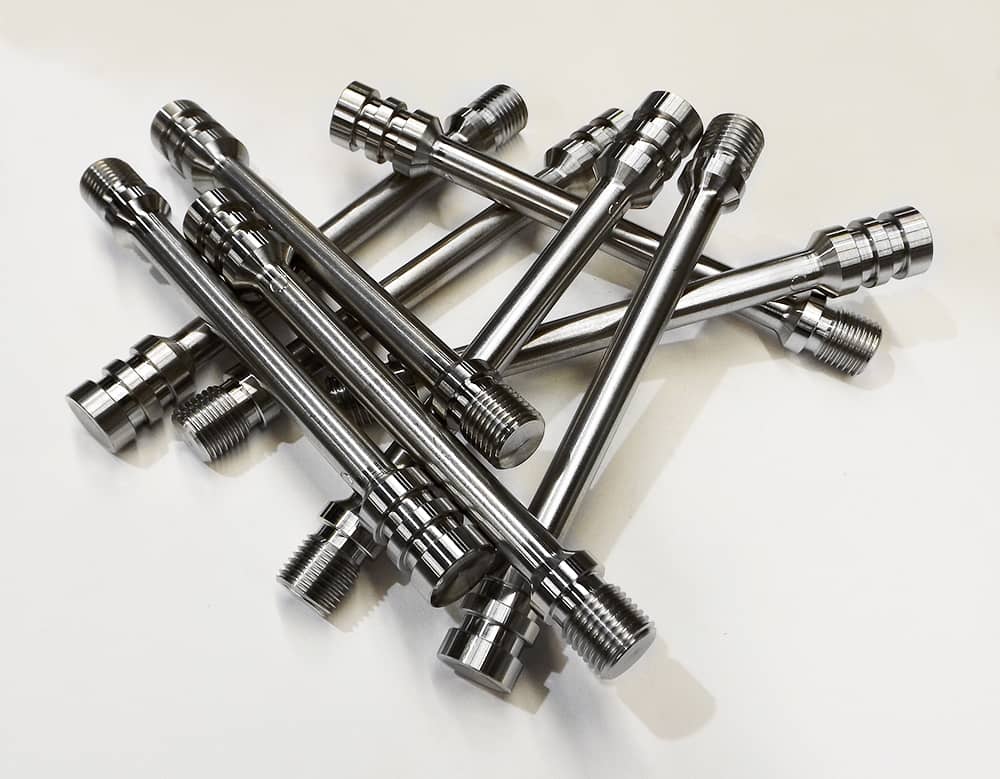
303 Stainless Steel CNC Machining Capabilities at Shenzhen Honyo Prototype
At Shenzhen Honyo Prototype, we specialize in high-precision CNC machining of 303 stainless steel, leveraging advanced 3-axis, 4-axis, and 5-axis milling systems alongside precision turning centers to deliver complex components with exceptional surface finish and dimensional accuracy. Type 303 stainless steel is an austenitic chromium-nickel alloy formulated for free-machining performance due to controlled additions of sulfur and phosphorus. This composition significantly enhances chip breakability and reduces tool wear, making it ideal for high-volume production runs and intricate geometries commonly required in automation, aerospace actuators, electrical components, and medical devices.
Our 3-axis CNC milling platforms are optimized for prismatic parts with straightforward features, ensuring rapid turnaround and tight adherence to geometric tolerances. When components require multi-sided access or complex contours, our 4-axis and 5-axis machining centers provide the necessary flexibility to minimize setups, maintain alignment accuracy, and produce highly complex forms such as cams, valve bodies, and sensor housings. The integration of simultaneous 5-axis motion allows for superior tool engagement angles, reduced cycle times, and improved surface integrity on contoured surfaces.
For turning operations, our CNC lathes with live tooling support complete fabrication of cylindrical and near-net-shape components in a single setup. This includes precision threading, slotting, cross-hole drilling, and contouring, all executed with sub-micron repeatability. The free-machining nature of 303 stainless steel complements our high-speed cutting strategies, enabling consistent production of parts with excellent finish quality (Ra ≤ 1.6 µm typical) and minimal burring.
We maintain strict process controls to achieve tight tolerances across all machining modalities. Below is a summary of our standard and precision capability ranges for 303 stainless steel:
| Operation | Standard Tolerance (mm) | Precision Tolerance (mm) | Typical Surface Finish (Ra) |
|———————|————————-|—————————|—————————–|
| 3-Axis Milling | ±0.05 | ±0.012 | 1.6 – 3.2 µm |
| 4-Axis Milling | ±0.05 | ±0.012 | 1.6 – 3.2 µm |
| 5-Axis Milling | ±0.05 | ±0.010 | 1.6 – 2.0 µm |
| CNC Turning | ±0.05 | ±0.012 | 1.6 – 3.2 µm |
| Drilling / Boring | ±0.05 | ±0.012 (bore) | 1.6 – 3.2 µm |
| Threading (CNC) | ±0.05 | ±0.015 (pitch) | 3.2 µm |
Dimensional stability is further ensured through in-process CMM inspections, thermal compensation systems, and final first-article inspection reports. All 303 stainless steel stock is certified and traceable, supporting full material compliance documentation upon request.
Shenzhen Honyo Prototype’s combined expertise in free-machining stainless steel and advanced CNC technology enables reliable, repeatable production of mission-critical components, whether in prototype, bridge, or low-to-mid volume manufacturing runs.
From CAD to Part: The Process
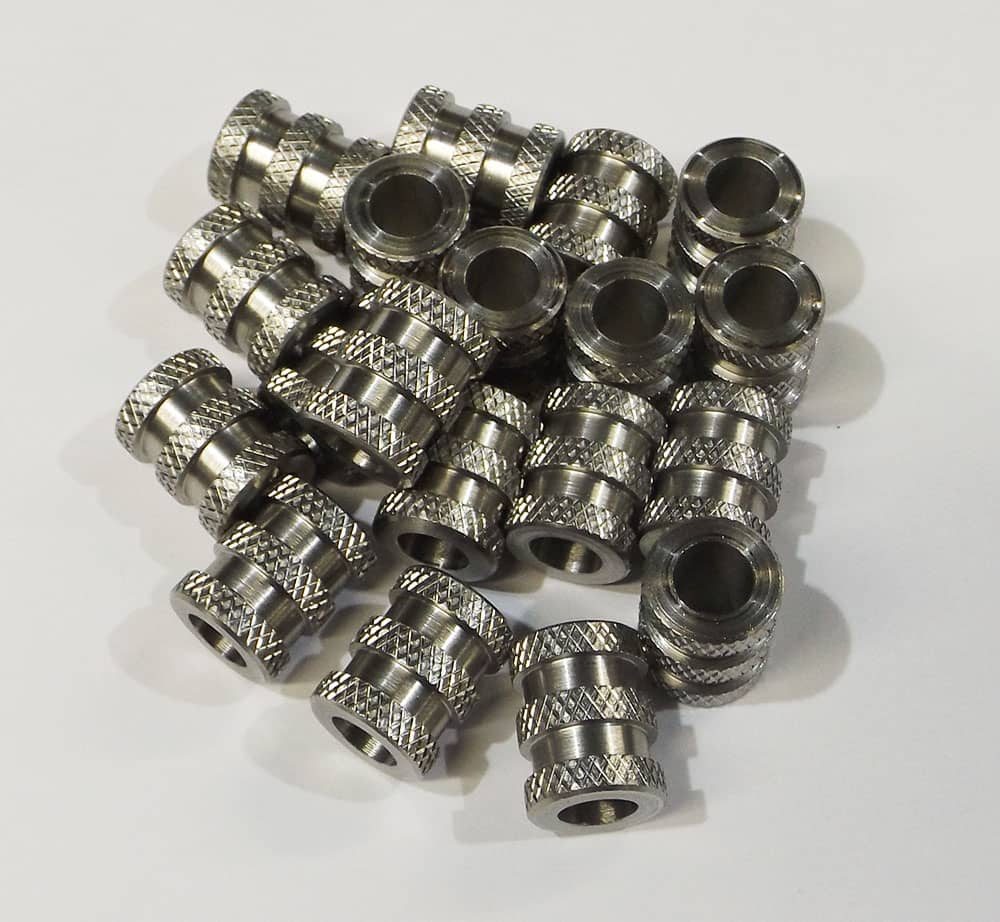
CNC Machining Workflow for 303 Stainless Steel: From CAD to Final Part
At Shenzhen Honyo Prototype, our CNC machining process for 303 stainless steel prioritizes precision, efficiency, and material-specific optimization. This free-machining austenitic grade contains sulfur additions that enhance chip breakability but require tailored handling to maintain dimensional accuracy and surface integrity. The workflow begins with seamless integration of digital systems and concludes with rigorous quality validation, ensuring client designs translate into high-performance prototypes or low-volume production parts.
AI-Powered Quoting System
Upon receiving a CAD model, Honyo’s proprietary AI quoting engine instantly analyzes geometric complexity, material utilization, and machine time requirements specific to 303 steel. The system cross-references historical data on sulfur-induced tool wear and thermal sensitivity, generating accurate lead times and cost estimates within minutes. This eliminates manual interpretation delays while accounting for 303 steel’s unique machining characteristics, such as accelerated tool degradation during deep cavity milling. Clients receive transparent feedback on potential cost drivers, like thin-wall features prone to chatter under standard feeds.
Material-Specific DFM Analysis
All designs undergo mandatory Design for Manufacturability (DFM) review before production. For 303 steel, our engineers focus on mitigating sulfur-related challenges: verifying adequate draft angles to prevent galling in tapped holes, adjusting tolerances for thermal expansion during prolonged cuts, and flagging sharp internal corners where sulfur inclusions could initiate micro-cracks. We collaborate with clients to optimize wall thicknesses—recommending minimums of 0.8mm for stability—and suggest alternative radii to reduce tool deflection. This phase typically reduces post-machining rework by 35% by resolving conflicts between design intent and 303 steel’s free-machining behavior.
Precision CNC Production
Production leverages multi-axis CNC centers with rigid toolholding and high-pressure coolant systems essential for 303 steel. Machining parameters are pre-validated against our material database:
| Parameter | Typical Value for 303 Steel | Rationale |
|——————–|—————————–|————————————|
| Spindle Speed | 80-120 m/min | Minimizes heat buildup from sulfur |
| Feed Rate | 0.1-0.25 mm/rev | Ensures chip breakability |
| Depth of Cut | ≤ 1.5 mm | Prevents work hardening |
| Coolant Pressure | ≥ 1,000 psi | Flushes sulfur-rich chips |
Parts progress through sequential operations—roughing, semi-finishing, and finishing—with in-process CMM checks after critical features. Final deburring uses vibratory finishing with non-abrasive media to avoid surface contamination. Every batch includes material certification and first-article inspection reports per ISO 9001 standards, confirming compliance with specified tolerances (typically ±0.025mm) and surface finishes (Ra 0.8 µm).
This integrated workflow ensures 303 steel components meet functional requirements while maximizing yield. By embedding material science into each phase—from AI quoting through precision machining—Honyo Prototype delivers prototypes that accurately reflect production intent, reducing time-to-market for client applications in aerospace, medical devices, and fluid control systems.
Start Your Project
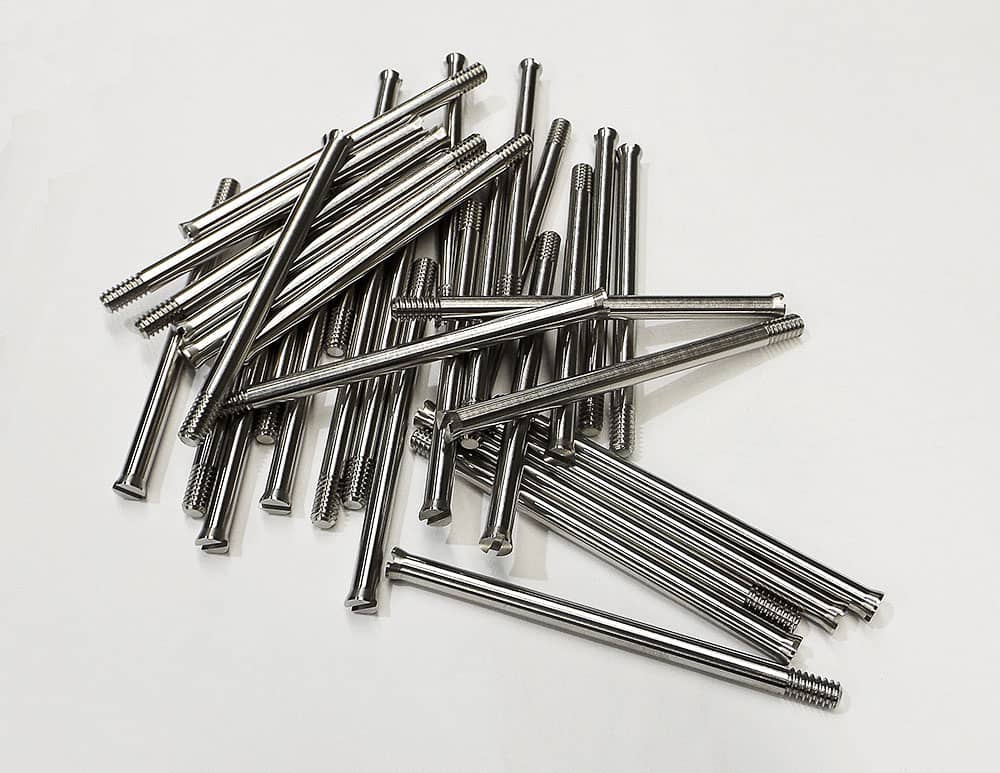
Optimize Your CNC Machining Projects with 303 Stainless Steel – Partner with Honyo Prototype
When precision, corrosion resistance, and machinability are critical to your prototype or production run, 303 stainless steel stands out as a premier choice in CNC machining applications. At Shenzhen Honyo Prototype, we specialize in transforming high-grade 303 stainless steel into tight-tolerance components tailored to your exact specifications. Whether you’re developing intricate medical devices, aerospace components, or precision instrumentation, our advanced CNC capabilities ensure consistent quality and rapid turnaround.
303 stainless steel is an austenitic chromium-nickel alloy enhanced with sulfur to improve machinability. This makes it ideal for high-speed CNC turning, milling, and drilling operations where excellent surface finish and dimensional accuracy are required. While maintaining good corrosion resistance and mechanical properties, 303 steel reduces tool wear and cycle times—key advantages in reducing production costs without sacrificing performance.
At Honyo Prototype, we combine state-of-the-art CNC machining centers with rigorous quality control protocols to deliver parts that meet or exceed industry standards. Our team of manufacturing engineers evaluates each project for optimal toolpath strategies, material utilization, and post-processing requirements, ensuring your components are not only precise but also cost-effective to produce.
We understand that every project begins with a vision. That’s why we offer expert consultation from the earliest stages—helping you assess material suitability, refine design for manufacturability (DFM), and select the right finishing processes such as passivation, polishing, or laser marking.
To help you make an informed decision, the table below outlines key mechanical and physical properties of 303 stainless steel commonly leveraged in CNC machining:
| Property | Value |
|—————————–|———————————–|
| Material Standard | ASTM A582, AISI 303 |
| Density | 8.03 g/cm³ |
| Tensile Strength (Ultimate) | ≥515 MPa |
| Yield Strength (0.2% offset)| ≥205 MPa |
| Elongation at Break | ≥40% (in 50 mm) |
| Hardness (Brinell) | ≤241 HB |
| Machinability Rating | 70% (relative to B1112 steel) |
| Corrosion Resistance | Good (less than 304 due to S content) |
| Typical Applications | Valves, gears, bushings, fittings, screws |
If your next project demands reliable performance, tight tolerances, and fast lead times in 303 stainless steel, we invite you to start the conversation today. Reach out to Susan Leo, your dedicated project liaison at Shenzhen Honyo Prototype, for a personalized consultation and quotation.
Contact Susan Leo at info@hy-proto.com to discuss your design requirements, material selection, and production goals. With our expertise in CNC-machined 303 steel components, we’re ready to support your innovation from concept to completion—efficiently, accurately, and with the highest standards in manufacturing excellence.
🚀 Rapid Prototyping Estimator
Get a rough estimate for CNC/3D Printing costs.