
Contents
Manufacturing Insight: 6061 T6 Aluminum Vs 7075 T6
Manufacturing Insight: 6061-T6 Aluminum vs 7075-T6 for Precision CNC Machining
Selecting the optimal aluminum alloy is critical for balancing performance, manufacturability, and cost in CNC-machined prototypes and low-volume production. At Shenzhen Honyo Prototype, our expertise in processing both 6061-T6 and 7075-T6 aluminum ensures clients achieve the required mechanical properties and dimensional accuracy while minimizing lead times and tooling expenses. Understanding the fundamental differences between these two prevalent T6-tempered alloys is essential for informed design and manufacturing decisions.
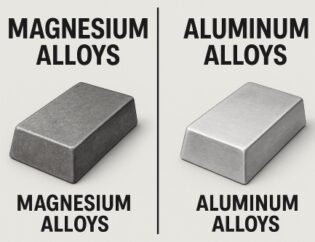
6061-T6, a magnesium-silicon alloy, offers an excellent balance of moderate strength, superior corrosion resistance, and exceptional weldability. It machines cleanly with good surface finishes and experiences lower tool wear rates compared to higher-strength alloys. This makes it ideal for structural components, marine fittings, and general-purpose applications where environmental exposure or post-machining fabrication is anticipated. Conversely, 7075-T6, a zinc-copper alloy, delivers significantly higher strength and hardness, approaching some steel alloys, making it the preferred choice for highly stressed aerospace, defense, and motorsport components where weight savings are paramount. However, this enhanced strength comes with trade-offs: notably reduced corrosion resistance, very poor weldability, and increased difficulty during machining due to higher abrasiveness and heat generation.
Key mechanical and machining properties are compared below for rapid reference:
| Property | 6061-T6 Aluminum | 7075-T6 Aluminum |
| :———————- | :——————— | :——————— |
| Tensile Strength (MPa) | 310 | 572 |
| Yield Strength (MPa) | 276 | 503 |
| Elongation at Break (%) | 12 | 11 |
| Brinell Hardness | 95 | 150 |
| Machinability Rating | Excellent (Good chips) | Fair (Gummy, abrasive) |
| Corrosion Resistance | Very Good | Poor (Requires coating)|
| Weldability | Excellent | Very Poor |
| Typical CNC Tool Wear | Low to Moderate | High |
Machining 7075-T6 demands specialized process parameters to mitigate its challenges. Higher cutting forces and heat generation necessitate rigid setups, reduced feed rates during aggressive roughing, and the use of premium coated carbide tooling with optimized geometries. Effective high-pressure coolant application is non-negotiable to manage heat and evacuate fine, stringy chips that can cause re-cutting and surface defects. While 6061-T6 is more forgiving, achieving optimal surface finishes on complex geometries still requires precise toolpath strategies and spindle speed control.
Shenzhen Honyo Prototype leverages deep material science knowledge and advanced CNC capabilities to maximize output quality for both alloys. Our Haas and DMG MORI machining centers are equipped with high-torque spindles, through-spindle coolant, and automated tool measurement systems specifically calibrated for aluminum’s thermal behavior. For 7075-T6 projects, our engineering team implements customized toolpath sequences, specialized cutting tools, and in-process inspection protocols to ensure dimensional stability and surface integrity despite the material’s abrasiveness. For 6061-T6, we optimize cycle times without sacrificing finish quality, providing rapid turnaround for high-complexity prototypes. Partnering with Honyo ensures your material selection translates into a manufacturable, high-performance component through precise process control and metallurgical expertise.
Technical Capabilities
Shenzhen Honyo Prototype delivers high-precision CNC machining services tailored to meet the demanding requirements of modern engineering applications. Our expertise in 3-axis, 4-axis, and 5-axis milling, as well as CNC turning, enables us to handle complex geometries and tight-tolerance components with consistency and accuracy. When selecting aluminum alloys for prototyping and low-to-mid volume production, two of the most widely used materials are 6061-T6 and 7075-T6. Understanding the mechanical properties, machinability, and dimensional capabilities of each is critical for optimal part performance and manufacturability.
6061-T6 aluminum is a versatile, heat-treated alloy known for its excellent weldability, corrosion resistance, and moderate strength. It is commonly used in structural, automotive, and aerospace applications where a balance of strength and processability is required. This alloy machines smoothly, producing consistent surface finishes and minimal tool wear, making it ideal for complex 5-axis milling operations and high-volume turning runs. Its dimensional stability supports tight-tolerance machining down to ±0.005 mm under controlled conditions.
7075-T6, in contrast, is a high-strength aerospace-grade alloy with superior strength-to-density ratio, often selected for critical load-bearing components. While it offers nearly double the tensile strength of 6061-T6, it is more challenging to machine due to increased tool wear and sensitivity to heat buildup. Specialized toolpaths, optimized feed rates, and rigorous coolant management are employed during milling and turning to maintain precision and surface integrity. Despite these challenges, 7075-T6 can achieve comparable tolerances when processed with advanced CNC strategies and invariance-controlled workflows.
At Honyo Prototype, we maintain strict environmental and process controls to ensure repeatable accuracy across both materials. Our 5-axis machining centers are equipped with high-resolution probing systems and thermal compensation technology, enabling us to hold tight tolerances on intricate features. Whether producing lightweight enclosures from 6061-T6 or high-performance structural components from 7075-T6, our team applies material-specific cutting parameters and inspection protocols to guarantee compliance with technical specifications.
The following table outlines key material properties and achievable tolerances across our CNC machining platforms:
| Parameter | 6061-T6 Aluminum | 7075-T6 Aluminum |
|——————————-|——————————|——————————|
| Tensile Strength (MPa) | 310 | 572 |
| Yield Strength (MPa) | 276 | 503 |
| Elongation at Break (%) | 12 | 5.5 |
| Hardness (Brinell) | 95 | 150 |
| Density (g/cm³) | 2.70 | 2.81 |
| Machinability Rating | Excellent | Good (with precautions) |
| Typical Surface Finish (Ra) | 0.8 – 3.2 µm | 0.8 – 3.2 µm |
| Standard Tolerance (mm) | ±0.025 | ±0.025 |
| Tight Tolerance Capability | ±0.005 | ±0.005 |
| Recommended for 5-Axis Milling| Yes | Yes (with optimized tooling) |
Both alloys are compatible with post-machining treatments such as anodizing, passivation, and bead blasting to enhance durability and aesthetics. Our engineering team collaborates closely with clients to recommend the optimal material and machining strategy based on functional requirements, environmental exposure, and lifecycle demands.
From CAD to Part: The Process
Production Process: From CAD to Part Execution for 6061-T6 vs. 7075-T6 Aluminum
Selecting between 6061-T6 and 7075-T6 aluminum significantly impacts the CNC machining workflow at Shenzhen Honyo Prototype. Our streamlined process ensures optimal results for both alloys, starting immediately upon receipt of your CAD model. The journey begins with the AI-Powered Quoting Engine. This system rapidly analyzes the geometric complexity, dimensional tolerances, and specified material. Crucially, it factors in the inherent properties of 6061-T6 or 7075-T6. While 6061-T6 generally offers lower machining costs due to its superior machinability and reduced tool wear, 7075-T6 necessitates higher cost factors for specialized tooling, slower feed rates, and potential secondary operations to manage its higher strength and susceptibility to stress cracking during machining. The AI provides an initial, data-driven cost and timeline estimate reflecting these material-specific variables.
This quote triggers the essential Design for Manufacturability (DFM) Review by our senior engineering team. Here, the material choice undergoes rigorous scrutiny. For 7075-T6 parts, engineers specifically check for thin walls, deep pockets, or intricate features prone to deflection or vibration due to the alloy’s higher stiffness and lower thermal conductivity compared to 6061-T6. They assess if critical tolerances can be realistically held without excessive cost, considering 7075-T6’s greater tendency for work hardening and potential for chatter. Recommendations might include slight geometry modifications, strategic tolerance relaxation on non-critical features, or explicit confirmation that the strength requirement of 7075-T6 justifies the machining challenges. For 6061-T6, the focus shifts towards optimizing for speed and surface finish, though thermal management during high-speed machining remains a consideration. Client collaboration during DFM is vital to validate material necessity and finalize the manufacturable design.
Upon DFM approval and order placement, Production Execution commences. Material procurement is stage-specific; 7075-T6 often requires tighter mill certification verification due to its critical aerospace/defense applications. Machining parameters are meticulously tailored: 6061-T6 allows for higher spindle speeds and feed rates with standard carbide tooling, while 7075-T6 demands lower speeds, controlled feeds, specialized high-performance coatings (like AlTiN), and potentially more frequent tool changes to combat accelerated wear and built-up edge. Fixturing strategies are adjusted – 7075-T6’s higher strength may permit lighter clamping forces for some features, but its sensitivity to stress requires careful fixture layout to avoid distortion, especially in complex geometries. Both alloys undergo identical rigorous in-process and final inspection protocols per your specifications. The key difference lies in the process parameters and vigilance required during the machining phase itself to handle 7075-T6’s demanding characteristics.
Critical Material Properties Influencing CNC Machining at Honyo Prototype
| Property | 6061-T6 Aluminum | 7075-T6 Aluminum | Machining Impact |
| :——————– | :——————— | :——————— | :——————————————————————————- |
| Ultimate Tensile Strength | 45,000 psi (310 MPa) | 83,000 psi (572 MPa) | 7075-T6 requires more robust fixturing and generates higher cutting forces. |
| Yield Strength | 40,000 psi (276 MPa) | 73,000 psi (503 MPa) | Higher risk of part deflection during machining for 7075-T6 on thin features. |
| Elongation at Break| 12% | 10% | 7075-T6 is less ductile, increasing chip breakability but also risk of edge chipping. |
| Machinability Rating| 95% (Excellent) | 75% (Good) | 6061-T6 allows faster speeds/feeds, longer tool life, better surface finishes. |
| Thermal Conductivity| 167 W/m·K | 130 W/m·K | 7075-T6 retains more heat at the cut, requiring optimized coolant and parameters. |
Honyo Prototype’s integrated workflow, from AI estimation through expert DFM to precision production, ensures the inherent advantages of your chosen aluminum alloy—whether the weldability and machinability of 6061-T6 or the high strength of 7075-T6—are fully realized in the final prototype or low-volume production part. Understanding these material-driven process nuances is fundamental to delivering quality, on time, and within budget.
Start Your Project
Choosing Between 6061-T6 and 7075-T6 Aluminum for CNC Machining: Make the Right Decision for Your Project
When developing high-precision prototypes or production parts through CNC machining, selecting the appropriate aluminum alloy is critical to achieving optimal performance, durability, and cost-efficiency. At Shenzhen Honyo Prototype, we specialize in delivering precision-machined components using both 6061-T6 and 7075-T6 aluminum alloys. Understanding the mechanical, thermal, and machinability differences between these two materials enables engineers and product designers to make informed decisions tailored to their application requirements.
6061-T6 aluminum is one of the most widely used alloys in the manufacturing industry due to its excellent balance of strength, corrosion resistance, and weldability. It contains magnesium and silicon as its major alloying elements, providing good formability and surface finish after machining. This makes 6061-T6 ideal for structural components, automotive parts, marine fixtures, and consumer electronics enclosures where moderate strength and long-term reliability are essential.
In contrast, 7075-T6 aluminum is a high-strength aerospace-grade alloy, primarily alloyed with zinc. It offers superior strength-to-density ratio, making it suitable for applications subjected to high stress and fatigue loads. However, this increased strength comes at the cost of reduced corrosion resistance and more challenging weldability. 7075-T6 is commonly used in aircraft components, defense systems, and high-performance sporting equipment where ultimate strength and lightweight design are paramount.
Below is a comparative overview of key mechanical properties for both alloys in the T6 temper condition:
| Property | 6061-T6 Aluminum | 7075-T6 Aluminum |
|—————————–|————————-|————————-|
| Tensile Strength (Ultimate) | 45,000 psi (310 MPa) | 83,000 psi (572 MPa) |
| Yield Strength | 40,000 psi (276 MPa) | 73,000 psi (503 MPa) |
| Elongation at Break | 8% | 3–5% |
| Hardness (Brinell) | 95 HB | 150 HB |
| Density | 2.70 g/cm³ | 2.81 g/cm³ |
| Machinability Rating | Excellent | Good |
| Corrosion Resistance | Very Good | Fair |
| Typical Applications | Frames, brackets, housings | Aerospace, military, racing parts |
While both alloys are CNC-machinable, 6061-T6 generally offers smoother chip evacuation, better tool life, and tighter tolerance capabilities, especially in complex geometries. 7075-T6, though harder on cutting tools, maintains dimensional stability under load and is preferred when strength outweighs other concerns.
At Shenzhen Honyo Prototype, we support your material selection with expert consultation and rapid prototyping services. Our CNC machining center ensures tight tolerances, superior surface finishes, and fast turnaround times—whether you’re evaluating 6061-T6 for cost-effective scalability or 7075-T6 for mission-critical performance.
Ready to move forward with your next project? Contact Susan Leo today at info@hy-proto.com for personalized guidance on material selection, DFM feedback, and competitive quoting. Let Honyo Prototype be your trusted partner in precision manufacturing.
🚀 Rapid Prototyping Estimator
Get a rough estimate for CNC/3D Printing costs.