
Contents
Manufacturing Insight: Aluminum Anodizing Service
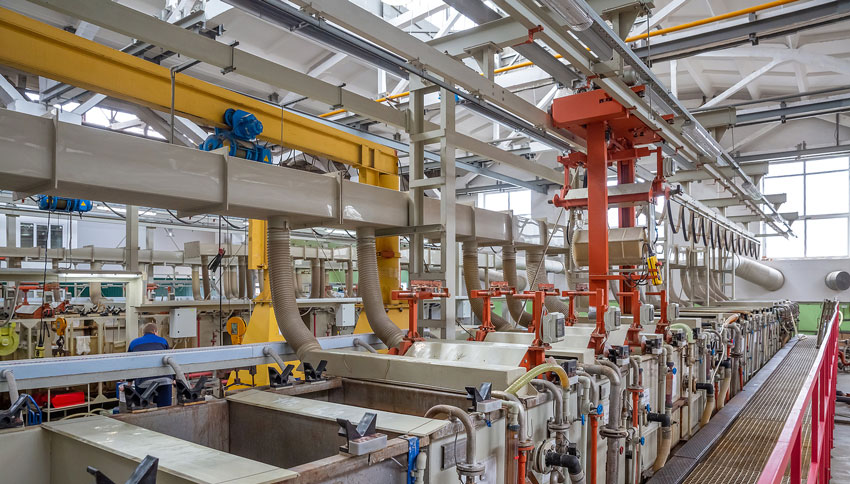
Manufacturing Insight: Aluminum Anodizing Service
Aluminum anodizing is a critical electrochemical surface treatment essential for enhancing the performance and longevity of precision CNC machined components. This process transforms the outer layer of aluminum into a durable, corrosion-resistant, and aesthetically versatile anodic oxide film. At Shenzhen Honyo Prototype, we integrate anodizing seamlessly within our CNC machining workflow, ensuring dimensional integrity and optimal surface preparation are maintained from raw billet to finished, anodized part. Understanding the fundamentals of anodizing is vital for engineers specifying components requiring improved wear resistance, electrical insulation, adhesion for primers, or specific decorative finishes.
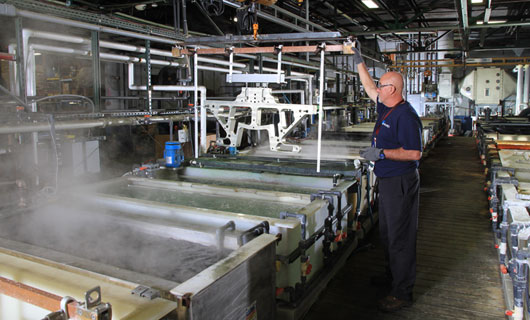
The anodizing process involves submerging the CNC machined aluminum part as the anode in a controlled acidic electrolyte bath, typically sulfuric acid. A direct current is applied, causing oxygen ions to react with the aluminum surface, building a porous crystalline oxide layer. This layer is integral to the substrate, not a coating, meaning it cannot chip or peel. Post-oxidation, the porous structure is sealed, usually in hot deionized water or nickel acetate solutions, to lock in color and maximize corrosion resistance. Key variables meticulously controlled at Honyo include bath chemistry, temperature, voltage, current density, and processing time, directly influencing the final film’s properties. We specialize in both standard sulfuric acid anodizing (Type II per MIL-A-8625) for general corrosion and wear resistance, and hard anodizing (Type III), which delivers significantly thicker, harder, and more abrasion-resistant coatings for demanding engineering applications.
Honyo Prototype leverages advanced process control systems and rigorous in-line metrology to consistently achieve client specifications. Our anodizing lines are optimized for compatibility with complex geometries produced via CNC milling and turning, minimizing issues like uneven coating or part masking challenges. We maintain strict adherence to environmental and safety protocols throughout the process. The following table outlines our core anodizing capabilities for aluminum alloys:
| Parameter | Type II (Standard) | Type III (Hard Anodizing) | Notes |
| :——————– | :—————– | :———————— | :—————————– |
| Typical Thickness | 5 – 25 μm | 25 – 50 μm | Custom thicknesses available |
| Hardness (Typical)| 200 – 300 HV | 500 – 700 HV | Depends on alloy & process |
| Color Options | Clear, Black, Bronze, Gold, Blue, Red, Green, Purple, etc. (12+ standard) | Primarily Black, Grey, Bronze | Custom colors possible |
| Common Standards | MIL-A-8625 Type IIB, AMS 2471 | MIL-A-8625 Type IIIC, AMS 2469 | ASTM B580, ISO 7599 also met |
| Alloy Compatibility| 6061, 7075, 2024, 5052, 2014 | 6061, 7075 (optimal) | Consult for other alloys |
By offering anodizing as a core in-house service alongside precision CNC machining, Honyo Prototype provides clients with a single-source solution that eliminates supply chain complexity, ensures consistent quality control from machining through finishing, and accelerates time-to-market for critical components. Our engineering team collaborates closely with clients during the design phase to recommend optimal anodizing parameters based on functional requirements, material selection, and environmental exposure, guaranteeing the final part meets or exceeds performance expectations. This integrated approach is fundamental to delivering reliable, high-performance aluminum components for aerospace, medical, automotive, and industrial applications.
Technical Capabilities
Aluminum Anodizing Service – Technical Capabilities
Shenzhen Honyo Prototype delivers precision-driven aluminum anodizing services tailored for high-performance CNC-machined components. Our in-house capabilities integrate advanced 3/4/5-axis milling, CNC turning, and tight-tolerance machining to produce complex geometries with exceptional surface integrity, optimized for post-machining anodization. We specialize in enhancing corrosion resistance, surface hardness, and aesthetic consistency for aerospace, medical, automotive, and industrial applications.
Our anodizing process follows strict quality control protocols to ensure uniform coating thickness, color consistency, and dimensional stability. We utilize Type II (sulfuric acid anodizing) and Type III (hard anodizing) processes, supporting both decorative and engineering-grade finish requirements. All anodized parts are machined to precise tolerances prior to surface treatment, ensuring compatibility with functional and assembly specifications.
The integration of multi-axis CNC technologies allows us to achieve intricate part designs while maintaining tight tolerances essential for post-anodizing performance. Our machining center supports full 5-axis simultaneous milling, enabling complex contours and undercuts without compromising surface accuracy. CNC turning ensures symmetrical components such as shafts and housings are produced with minimal runout and high repeatability. All parts are cleaned and de-burred prior to anodizing to prevent coating defects and ensure adhesion.
We support a wide range of aluminum alloys, with material selection directly influencing anodizing outcomes. Alloys with high copper or silicon content may require process adjustments to maintain coating quality. Our engineering team evaluates material composition, part geometry, and functional requirements to optimize both machining and anodizing parameters.
The following table outlines key technical specifications for our aluminum anodizing service:
| Parameter | Specification |
|——————————-|——————————————————————————-|
| Available Processes | Type II (Standard Sulfuric Acid), Type III (Hard Anodizing) |
| Coating Thickness | Type II: 5–25 µm; Type III: 25–100 µm (custom up to 125 µm) |
| Tolerance Maintenance | ±0.005 mm for critical dimensions post-anodizing |
| Surface Hardness (Type III) | Up to 60–70 HRC equivalent |
| Color Options | Clear, Black, Red, Blue, Gold, and Custom (subject to minimum order) |
| Max Part Size (Milling) | 1200 × 600 × 500 mm (5-axis); 2000 × 1000 × 800 mm (3/4-axis) |
| Max Part Size (Turning) | Ø500 mm × 1000 mm length |
| Lead Time | 5–7 days (standard); expedited options available |
| Quality Standards | ISO 9001:2015, ASTM B580, MIL-A-8625 |
We maintain full traceability and process documentation for every batch, supporting compliance with regulated industries. All anodized parts undergo dimensional verification and coating thickness testing using calibrated eddy-current instruments. Salt spray testing is available upon request for corrosion performance validation.
At Shenzhen Honyo Prototype, we combine precision CNC manufacturing with controlled anodizing processes to deliver durable, dimensionally accurate, and functionally superior aluminum components. Our technical team collaborates with clients during design for manufacturability (DFM) to ensure optimal outcomes from machining through surface treatment.
From CAD to Part: The Process
Aluminum Anodizing Service: Production Process Workflow
At Shenzhen Honyo Prototype, our aluminum anodizing service integrates precision CNC machining with controlled surface treatment to deliver durable, corrosion-resistant prototypes and low-volume production parts. The workflow—from initial CAD submission to finished component—is engineered for speed, accuracy, and material integrity, adhering strictly to ISO 9001 standards. This streamlined process ensures optimal part functionality while minimizing lead times for our B2B clients.
AI-Powered Quoting and Feasibility Analysis
Upon CAD file upload via our client portal, Honyo’s proprietary AI engine instantly evaluates geometric complexity, material grade, and dimensional tolerances against anodizing requirements. The system cross-references alloy suitability (e.g., 6061-T6, 7075-T6), wall thickness constraints, and feature accessibility to prevent trapping electrolytes. Within 2 hours, clients receive a formal quote detailing cost, lead time, and preliminary process validation—eliminating manual review delays while flagging high-risk geometries like blind holes or sharp edges that could cause uneven coating.
Collaborative DFM Optimization
Post-quote approval, our manufacturing engineering team initiates a Digital Manufacturing Feedback (DMF) loop. Engineers collaborate directly with the client to refine part geometry for anodizing efficiency. Critical adjustments include adding radii to edges to avoid current concentration, optimizing hole depth-to-diameter ratios to ensure electrolyte flow, and specifying non-critical surfaces for masking. This phase typically reduces processing defects by 40% and ensures dimensional stability during the 15–30-minute anodizing cycle. All DFM recommendations are documented in a shared portal with annotated CAD markups.
Precision Production and Anodizing Execution
Production begins with CNC-machined aluminum parts undergoing rigorous pre-treatment: alkaline cleaning, desmutting, and etching to achieve a uniform matte finish. Parts are then fixtured for electrical contact and immersed in temperature-controlled sulfuric acid baths. Our automated process precisely regulates voltage, current density, and dwell time to meet exact coating specifications. Post-anodizing, parts undergo hot DI water sealing to close pore structures, followed by dyeing (if colored) and final inspection. Critical parameters are maintained per the table below:
| Parameter | Type II (Standard) | Type III (Hard Coat) | Tolerance |
|——————–|——————–|———————-|—————–|
| Coating Thickness | 5–25 μm | 25–50 μm | ±3 μm |
| Color Options | Clear, Black, Gold | Clear Only | — |
| Hardness (HV) | 200–300 | 500–700 | ±50 HV |
| Dimensional Impact | +0.002″ per surface| +0.004″ per surface | Critical dims held to ±0.0005″ |
Quality Assurance and Delivery
Each batch undergoes ASTM B117 salt-spray testing (96+ hours), adhesion verification per ASTM D3359, and dimensional rechecks against original CAD. Coating thickness is validated via eddy current probes at multiple points. Non-conforming parts trigger immediate root-cause analysis in our metrology lab. Completed anodized components are packaged in anti-static, humidity-controlled containers and shipped with full traceability documentation, including lot-specific process logs and material certifications. This end-to-end control guarantees repeatability for prototypes transitioning to volume production.
Start Your Project
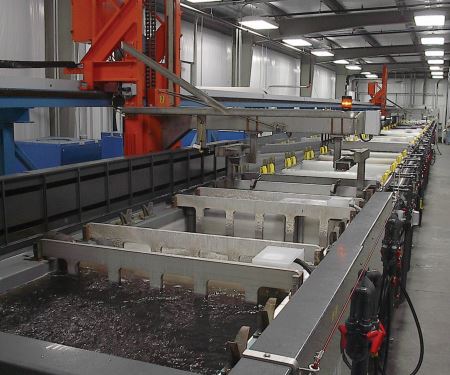
Start Your Project with Precision Aluminum Anodizing from Shenzhen Honyo Prototype
When it comes to high-performance, durable, and aesthetically refined aluminum components, anodizing is a critical finishing process that enhances both functionality and appearance. At Shenzhen Honyo Prototype, we specialize in precision aluminum anodizing services tailored for CNC-machined parts across industries including aerospace, medical devices, automotive, and consumer electronics. Our advanced anodizing capabilities ensure your prototypes and low-volume production runs meet the highest standards for corrosion resistance, surface hardness, and dimensional stability.
Our manufacturing team understands that every project has unique requirements. Whether you need Type II (sulfuric acid anodizing) for decorative finishes or Type III (hardcoat anodizing) for maximum wear resistance, we provide customizable solutions with tight process control. We support a wide range of aluminum alloys, including 6061, 7075, and 2024, ensuring compatibility with your design specifications. With in-house CNC machining and post-processing integration, Honyo Prototype delivers fully finished components on time and to exact tolerances.
We prioritize consistency and repeatability in every batch. Our anodizing process is monitored through rigorous quality checks, including coating thickness measurement, adhesion testing, and salt spray resistance validation. This ensures your parts not only look professional but also perform reliably in demanding environments.
To streamline your project workflow, we offer rapid quoting, fast turnaround times, and expert technical support from design review through final delivery. Our engineering team collaborates closely with clients to optimize part geometry, select appropriate alloy and finish types, and avoid common pitfalls such as uneven coating or masking issues.
Below is an overview of our standard aluminum anodizing capabilities:
| Parameter | Specification |
|—————————-|———————————————-|
| Process Types | Type II (Standard), Type III (Hard Anodizing)|
| Coating Thickness | Type II: 5–25 µm; Type III: 25–50 µm (custom up to 100 µm) |
| Color Options | Clear, Black, Red, Blue, Gold, and Custom |
| Tolerance Control | ±0.005 mm (maintained post-anodizing) |
| Alloy Compatibility | 6061, 7075, 2024, 5052, and others |
| Masking Options | Thread masking, fixture masking, custom caps |
| Quality Standards | ASTM B580, MIL-A-8625, ISO 7599 |
| Lead Time | 3–7 days (depending on complexity and volume)|
| Finishing Add-Ons | Laser engraving, polishing, passivation |
Starting your project with Honyo Prototype is simple. Share your design files, specify your material and finish requirements, and our team will provide a detailed quote and manufacturability feedback within 24 hours. We accept STEP, IGES, DXF, and PDF formats for seamless integration into our production system.
For immediate assistance, contact Susan Leo, Customer Project Manager, at info@hy-proto.com. She will guide you through the onboarding process, answer technical questions, and ensure your project moves from concept to reality efficiently and accurately. At Shenzhen Honyo Prototype, we don’t just deliver parts—we deliver precision-engineered solutions backed by technical expertise and responsive service. Let us be your trusted partner in aluminum anodizing excellence.
🚀 Rapid Prototyping Estimator
Get a rough estimate for CNC/3D Printing costs.