
Contents
Manufacturing Insight: Machining Fundamentals
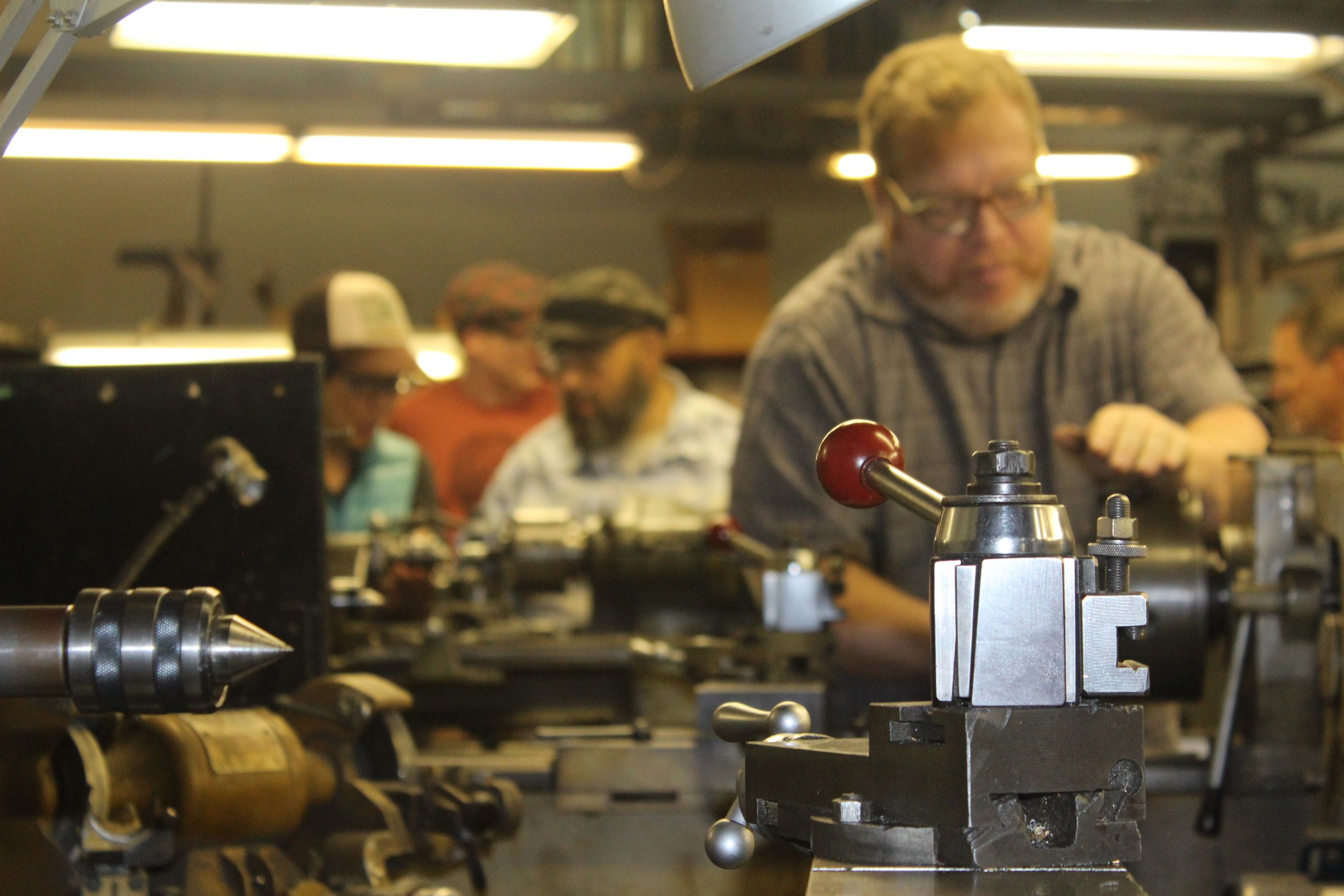
Manufacturing Insight: CNC Machining Fundamentals at Honyo Prototype
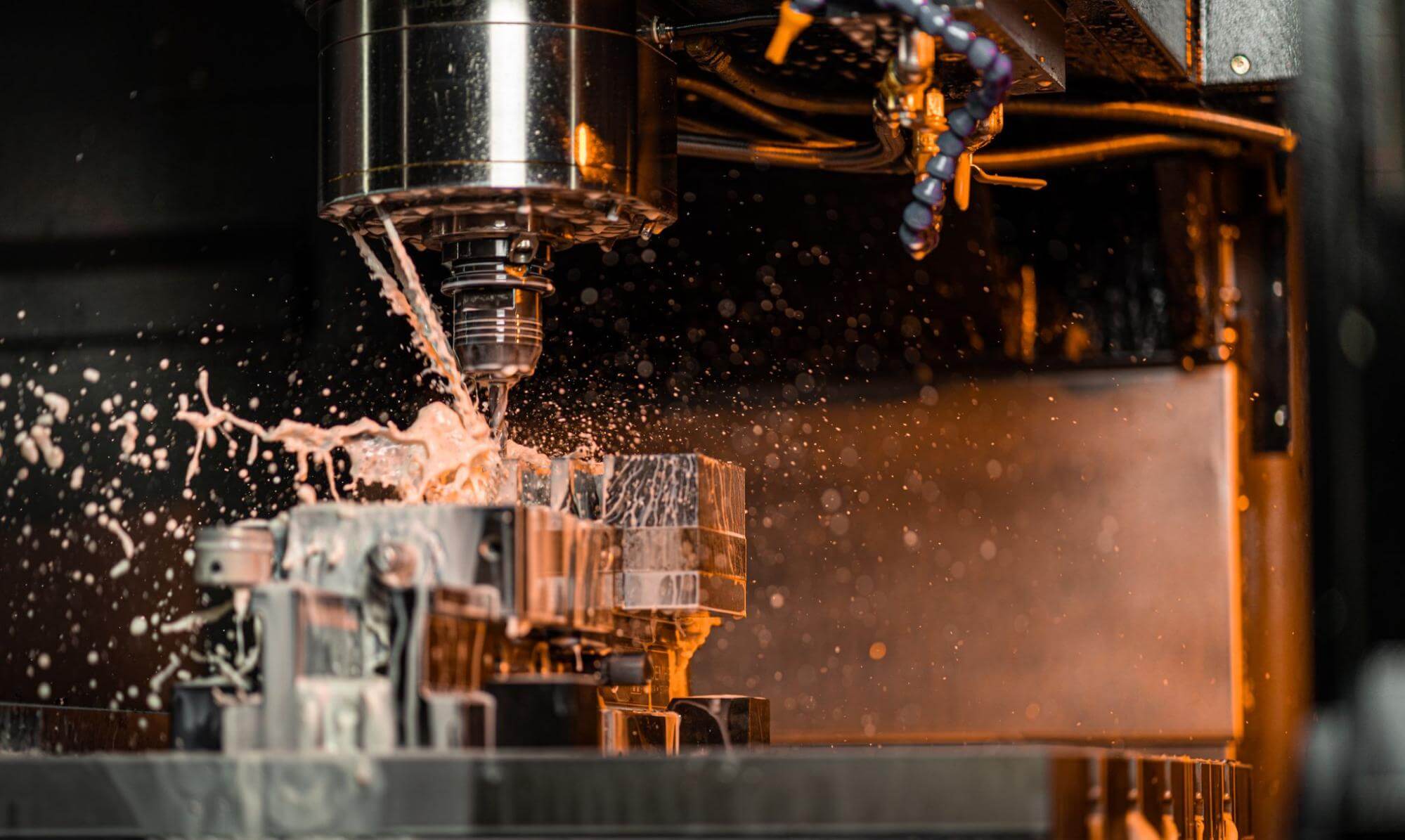
Computer Numerical Control (CNC) machining represents the cornerstone of modern precision manufacturing, particularly for rapid prototyping and low-to-medium volume production. This subtractive manufacturing process utilizes computer-controlled machine tools to remove material from a solid workpiece, transforming digital CAD models into highly accurate physical components. The fundamental principle involves precise coordination of multi-axis motion guided by G-code, enabling the creation of complex geometries, tight tolerances, and superior surface finishes unattainable through manual methods. For engineers and product developers, understanding CNC’s capabilities is essential for designing manufacturable parts and accelerating time-to-market.
At Shenzhen Honyo Prototype, we leverage CNC machining as our primary technology for delivering functional prototypes and bridge production parts across demanding industries including aerospace, medical devices, and advanced robotics. Our expertise lies in translating intricate designs into reality with exceptional speed and fidelity. We operate a comprehensive fleet of state-of-the-art CNC equipment, encompassing high-precision 3-axis, 4-axis, and 5-axis milling centers alongside advanced turning centers. This strategic investment allows us to handle diverse part complexities and material requirements inherent in the prototyping phase. Our core strength is achieving production-grade quality within rapid turnaround times, critical for iterative design validation and early-stage testing.
Honyo Prototype’s machining capabilities are defined by stringent technical specifications and a commitment to material versatility. We consistently achieve tight tolerances essential for functional performance and assembly integration. Key operational parameters are detailed below:
| Capability | Specification | Typical Application Context |
| :—————— | :—————— | :———————————– |
| Positional Accuracy | ±0.005 mm (0.0002″) | Critical interfaces, bearing seats |
| Repeatability | ±0.002 mm (0.00008″)| Multi-part assemblies, fixtures |
| Surface Finish (Ra) | 0.8 – 3.2 μm (32-125 μin) | Functional surfaces, aesthetic parts |
| Max Work Envelope | 1000 x 600 x 500 mm | Large-scale structural prototypes |
| Material Range | Metals, Plastics, Composites | Aluminum 6061/7075, Stainless 303/316, Titanium, PEEK, ABS, Delrin |
Material selection significantly impacts machinability, final part properties, and cost. Honyo maintains extensive experience with engineering-grade metals such as aluminum alloys, stainless steels, and titanium, alongside high-performance thermoplastics like PEEK and PTFE. Our engineering team provides proactive Design for Manufacturability (DFM) feedback during quotation, optimizing designs for efficient CNC production while meeting functional requirements. This collaborative approach minimizes iteration cycles and ensures prototypes accurately reflect the intended production part behavior.
Quality assurance is systematically integrated throughout our machining process. We employ calibrated CMMs, optical comparators, and surface roughness testers for in-process and final inspection against customer drawings. Statistical process control (SPC) methodologies are applied to critical dimensions, guaranteeing consistent output. By mastering these machining fundamentals and coupling them with our rapid manufacturing infrastructure, Shenzhen Honyo Prototype delivers prototypes that exceed expectations for accuracy, functionality, and speed, empowering our clients’ innovation cycles from concept to validation.
Technical Capabilities

Machining Fundamentals – Technical Capabilities
Shenzhen Honyo Prototype delivers precision CNC machining services tailored for prototyping and low-to-medium volume production. Our technical capabilities span 3-axis, 4-axis, and 5-axis milling, CNC turning, and tight-tolerance machining, enabling us to produce complex geometries with high accuracy and repeatability. With state-of-the-art machining centers and a team of experienced manufacturing engineers, we support a wide range of materials and tight engineering specifications across industries including aerospace, medical, robotics, and industrial automation.
Our 3-axis milling capabilities serve standard prismatic parts with excellent surface finish and dimensional control. For components requiring access to multiple faces or complex contours, we utilize 4-axis and 5-axis simultaneous machining, reducing setup time and improving positional accuracy. 5-axis machining allows for the production of organic shapes, deep cavities, and intricate features that are otherwise unattainable with conventional setups. All milling operations are supported by high-speed spindles, precision probing, and in-process inspection to ensure compliance with design intent.
CNC turning is optimized for rotational parts such as shafts, bushings, and connectors. We operate multi-axis turning centers with live tooling, enabling mill-turn operations that combine turning with off-center milling and drilling in a single setup. This integrated approach enhances accuracy and reduces lead times for complex turned components.
A core strength at Honyo Prototype is our ability to consistently achieve tight tolerances. We routinely hold ±0.005 mm (±0.0002″) on critical dimensions, with selective features machined to ±0.002 mm (±0.00008″) under controlled conditions. These tolerances are maintained through thermal stability, precision tooling, and rigorous process validation. Our quality management system includes first-article inspection (FAI), CMM verification, and real-time tool wear compensation.
The table below outlines our standard machining tolerances and compatible materials:
| Operation | Standard Tolerance | Tight Tolerance Capability | Typical Surface Finish (Ra) | Compatible Materials |
|——————-|——————–|—————————-|—————————–|————————|
| 3-Axis Milling | ±0.01 mm | ±0.005 mm | 1.6 – 3.2 µm | Aluminum (6061, 7075), Steel (1018, 4140), Stainless Steel (303, 304, 316), Titanium (Gr2, Gr5), Plastics (POM, Nylon, PEEK) |
| 4-Axis Milling | ±0.01 mm | ±0.005 mm | 1.6 – 3.2 µm | Same as above |
| 5-Axis Milling | ±0.01 mm | ±0.005 mm (±0.002 mm achievable) | 1.6 – 2.4 µm | Same as above |
| CNC Turning | ±0.01 mm | ±0.005 mm | 1.6 – 3.2 µm | Same as above |
| Mill-Turn (Live Tooling) | ±0.01 mm | ±0.005 mm | 1.6 – 3.2 µm | Same as above |
All materials are sourced to certified standards, and we support secondary operations including anodizing, passivation, media blasting, and precision grinding. Our digital workflow integrates CAD/CAM and GD&T analysis to ensure manufacturability and conformance to engineering requirements. At Honyo Prototype, we combine technical precision with agile manufacturing to deliver machined parts that meet the highest standards of quality and performance.
From CAD to Part: The Process
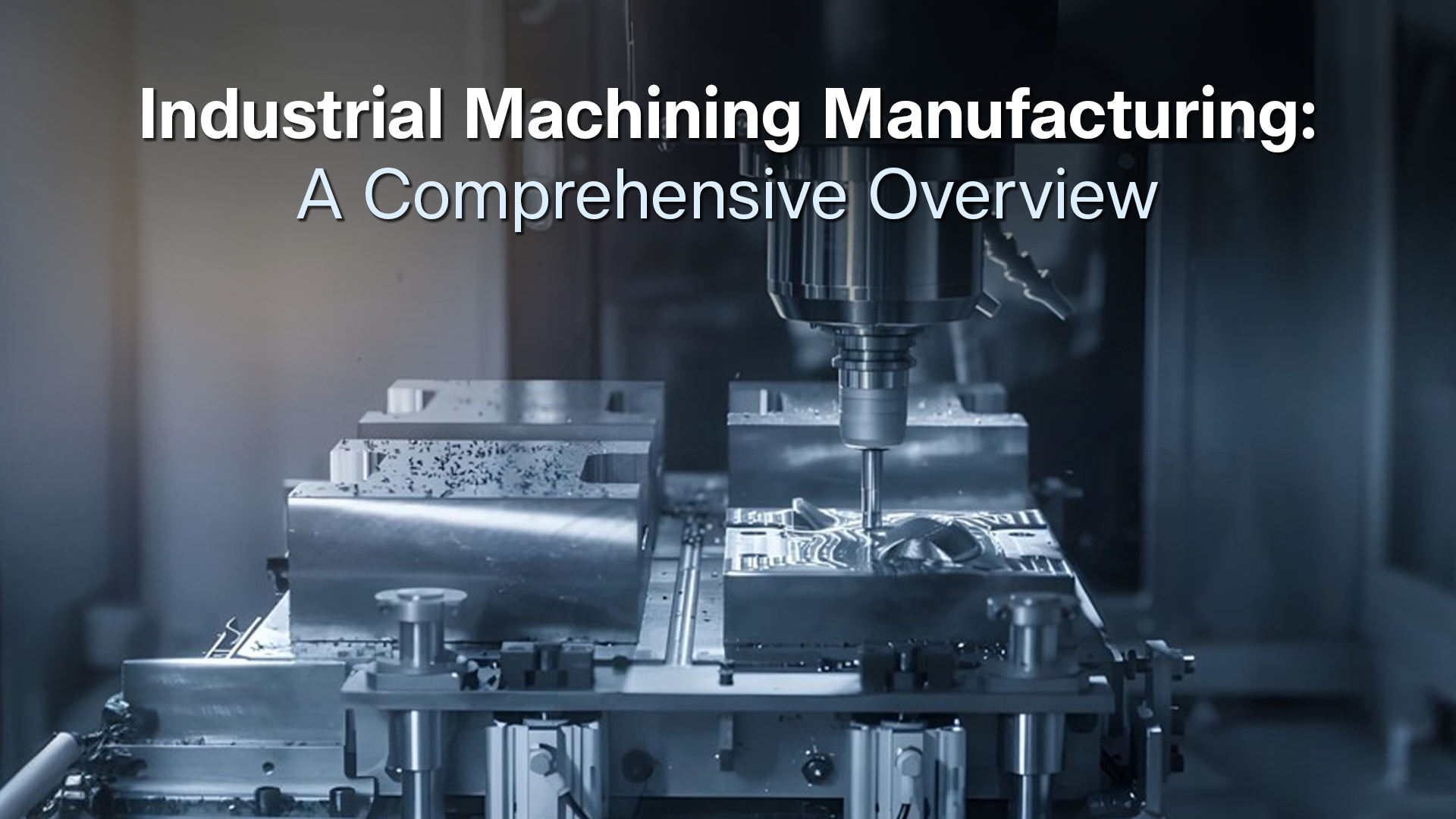
From CAD to Finished Part: The CNC Machining Workflow at Honyo Prototype
At Shenzhen Honyo Prototype, transforming a digital CAD model into a precise physical component relies on a rigorously defined workflow. This process ensures efficiency, cost-effectiveness, and uncompromising quality from initial inquiry through final inspection. Our standardized path—AI-Powered Quoting, Design for Manufacturability (DFM) Analysis, and Production Execution—minimizes delays and maximizes part integrity for our clients.
The workflow initiates immediately upon receipt of a client’s 3D CAD file. Our proprietary AI-driven quoting system rapidly analyzes the geometry, material specifications, tolerances, and surface finish requirements embedded within the model. This system cross-references vast databases of machine capabilities, material costs, tooling requirements, and historical production data to generate an accurate, detailed cost estimate and lead time projection within minutes. This instantaneous feedback allows clients to make informed decisions early in the procurement cycle, significantly accelerating project initiation compared to traditional manual quoting methods.
Following client approval of the quote, the CAD model enters our critical DFM analysis phase. Experienced manufacturing engineers conduct a thorough review, identifying potential manufacturability challenges before any metal is cut. This proactive step is essential for avoiding costly revisions or production failures later. Key aspects scrutinized include geometric complexity, feature accessibility for standard tooling, minimum wall thicknesses, internal corner radii, aspect ratios for deep cavities or thin walls, and the feasibility of specified tolerances relative to the chosen material and process. Addressing these issues collaboratively with the client at this stage optimizes the design for CNC machining, reducing cycle times, minimizing scrap, and ensuring the final part meets all functional requirements.
Once DFM clearance is achieved and final approval granted, the project moves to production. Our CAM programmers utilize the approved CAD model to generate optimized toolpaths, selecting appropriate cutting tools, speeds, feeds, and machining sequences. This digital program, translated into machine-specific G-code, is rigorously simulated to verify collision avoidance and process efficiency. During physical machining, skilled operators load the programmed CNC mill or lathe, secure the raw material stock, and perform initial setup checks. The machine then executes the program with micron-level precision. Throughout the run, in-process inspections verify critical dimensions, and upon completion, the part undergoes full First Article Inspection (FAI) against the original CAD model and drawing specifications using calibrated CMMs and optical comparators. This comprehensive QC protocol ensures every component shipped meets Honyo’s stringent quality standards and the client’s exact requirements, typically within our industry-leading 72-hour rapid prototyping window.
Key DFM parameters routinely evaluated for CNC machined parts are summarized below:
| Parameter Category | Critical Thresholds/Considerations | Impact of Non-Compliance |
| :———————– | :—————————————————– | :——————————————- |
| Wall Thickness | Minimum 0.8mm for metals; 1.5mm for plastics (typical) | Vibration, deflection, breakage during cut |
| Internal Corners | Radius ≥ 1/3 wall thickness; prefer larger radii | Stress concentration, tool breakage |
| Hole Depth | Max depth ≤ 4x hole diameter (standard drills) | Poor hole straightness, chip evacuation issues |
| Tolerance Feasibility| Standard: ±0.1mm; Precision: ±0.025mm; Tight: ±0.01mm | Excessive machining time, scrap, cost increase |
| Feature Accessibility| Clearance for standard tool lengths & diameters | Requirement for custom/expensive tooling |
This integrated workflow—leveraging AI for speed, expert DFM for robustness, and precision production with rigorous QC—forms the cornerstone of Honyo Prototype’s ability to deliver high-quality CNC machined parts reliably and rapidly for demanding industrial applications.
Start Your Project
Start Your CNC Machining Project with Confidence at Shenzhen Honyo Prototype
At Shenzhen Honyo Prototype, we understand that the success of your product development cycle begins with precision, speed, and reliability in manufacturing. Whether you’re an engineer, designer, or product manager, launching a new prototype requires a partner who combines advanced CNC machining capabilities with responsive customer support. Our state-of-the-art facility in Shenzhen is equipped to handle complex geometries, tight tolerances, and rapid turnaround times—ensuring your design transitions seamlessly from concept to physical part.
CNC machining remains one of the most versatile and accurate manufacturing processes for producing high-quality prototypes and low-volume production parts. At Honyo, we specialize in 3-axis, 4-axis, and 5-axis milling, turning, and mill-turn operations, supporting a wide range of engineering-grade materials including aluminum, stainless steel, brass, titanium, and high-performance plastics such as PEEK and Delrin. Our machines operate with tolerances as tight as ±0.005 mm, ensuring that every component meets your exact specifications.
We also integrate rigorous quality control protocols across every stage of production. Each machined part undergoes dimensional inspection using coordinate measuring machines (CMM) and optical comparators, guaranteeing consistency and compliance with international standards. With in-house programming, tooling, and finishing services—including anodizing, powder coating, and bead blasting—we provide a complete turnkey solution tailored to your project’s needs.
Below is an overview of our core CNC machining capabilities:
| Parameter | Specification |
|————————-|———————————————-|
| Machine Types | 3-axis, 4-axis, 5-axis CNC milling, CNC turning |
| Maximum Work Envelope | 1200 × 600 × 500 mm (47 × 23.6 × 19.7 in) |
| Positioning Accuracy | ±0.005 mm |
| Repeatability | ±0.003 mm |
| Supported Materials | Aluminum (6061, 7075), Steel (4140, 1018), Stainless Steel (303, 304, 316), Brass (C360), Titanium, Plastics (ABS, Nylon, PEEK, PC) |
| Lead Times | As fast as 3–5 business days for prototypes |
| Finishing Options | As-machined, Anodizing (Type II & III), Powder Coating, Bead Blasting, Passivation, Plating |
Starting your project with Honyo is simple. Just upload your 3D CAD file in STEP, IGES, or native SolidWorks format, and our engineering team will provide a comprehensive design for manufacturability (DFM) analysis—free of charge. We’ll identify potential issues early, suggest cost-saving modifications, and help optimize your design for faster production.
Your success is our priority. Let us help you bring precision, durability, and innovation to life through advanced CNC machining.
Contact Susan Leo today at info@hy-proto.com to begin your next project. With responsive communication, technical expertise, and a commitment to excellence, we’re ready to support your prototyping and production goals—on time and to specification.
🚀 Rapid Prototyping Estimator
Get a rough estimate for CNC/3D Printing costs.