
Contents
Manufacturing Insight: Anodizing Aluminum Process
Manufacturing Insight: Anodizing Aluminum Process
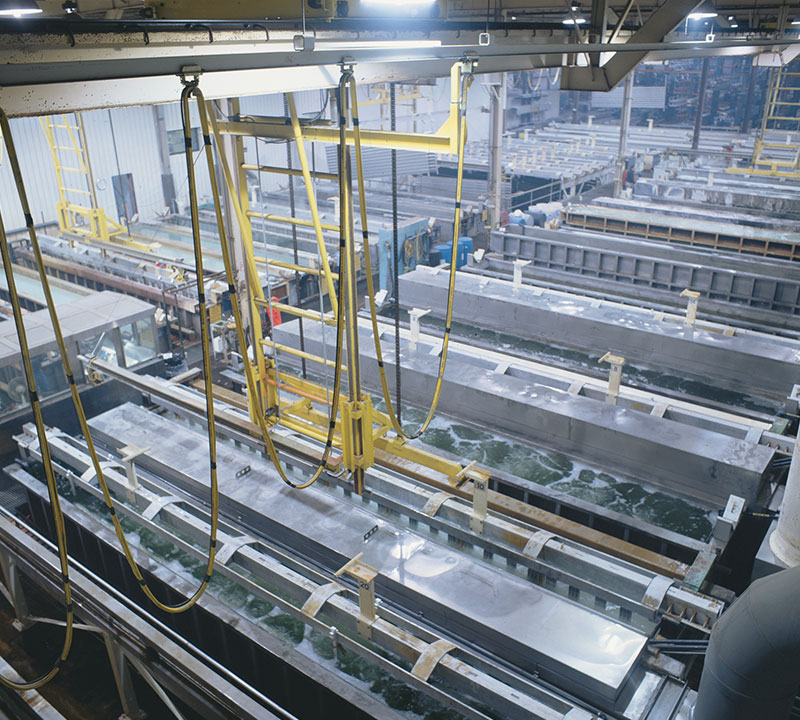
Anodizing is a critical electrochemical surface treatment for aluminum components, transforming the base metal into a durable, corrosion-resistant, and aesthetically versatile finish. This process leverages controlled oxidation, where the aluminum part acts as the anode in an electrolytic cell, typically using sulfuric acid. A direct current is applied, causing oxygen ions to react with the aluminum surface. This reaction forms a dense, hard, porous aluminum oxide layer that is integral to the substrate, not merely a coating. The inherent porosity of this layer allows for secondary processes like dyeing and sealing, which are essential for achieving specific functional and visual properties required in demanding applications. Anodizing significantly enhances surface hardness, wear resistance, and electrical insulation compared to bare aluminum, while providing superior protection against environmental degradation and corrosion. It is a foundational process for functional prototypes and low-volume production parts where surface integrity and longevity are paramount.
At Shenzhen Honyo Prototype, we integrate precision anodizing directly within our comprehensive CNC machining workflow, ensuring seamless transition from fabrication to surface enhancement. Our dedicated anodizing facility is engineered for prototyping and low-to-medium volume production demands, prioritizing consistency, dimensional stability, and rapid turnaround. We strictly control critical parameters including electrolyte concentration, temperature, current density, and processing time to achieve uniform, high-integrity oxide layers tailored to specific application requirements. Our process is optimized to minimize dimensional change on precisely machined features, a critical consideration for tight-tolerance prototypes. Honyo offers both standard sulfuric acid anodizing (Type II) for general corrosion resistance and aesthetics, and hardcoat anodizing (Type III) for applications demanding maximum abrasion resistance and thickness. All processes adhere to stringent environmental regulations, utilizing closed-loop systems for waste treatment and water conservation.
Honyo provides extensive customization options to meet diverse client specifications. Our standard capabilities encompass a wide spectrum of dye colors and clear finishes, with precise color matching available. Sealing is performed using hot deionized water or nickel acetate processes to ensure optimal corrosion resistance and dye retention. The table below outlines our core anodizing specifications for aluminum alloys commonly processed through our CNC services.
| Parameter | Standard Sulfuric (Type II) | Hardcoat (Type III) | Notes |
| :—————– | :———————— | :—————— | :————————————- |
| Thickness Range | 5 – 25 µm | 25 – 75+ µm | Custom thicknesses within range |
| Hardness (HV) | 300 – 500 | 500 – 700+ | Depends on alloy & thickness |
| Standard Colors | Clear, Black, Red, Blue, Gold, Green | Clear, Black | Custom RAL/Pantone matching available |
| Typical Lead Time | 3-5 Working Days | 5-7 Working Days | After part completion & approval |
| Key Alloys | 6061, 7075, 2024, 5052 | 6061, 7075, 2024 | Other alloys evaluated per project |
This integrated capability allows Honyo Prototype to deliver fully finished, production-intent aluminum components from a single source. Our engineering team collaborates closely with clients during the design phase to recommend optimal anodizing parameters, ensuring the final surface finish meets both functional performance criteria and aesthetic expectations for prototypes destined for validation testing or direct end-use.
Technical Capabilities
Anodizing Aluminum Process – Technical Capabilities
At Shenzhen Honyo Prototype, precision anodizing of aluminum components is an integral part of our CNC machining services, designed to enhance both the durability and aesthetic quality of machined parts. Our in-house anodizing capabilities support high-performance applications across aerospace, medical, automotive, and industrial sectors. We specialize in 3-axis, 4-axis, and 5-axis CNC milling, as well as precision turning, enabling us to produce complex geometries with tight tolerances prior to surface treatment.
Anodizing is an electrochemical process that converts the aluminum surface into a durable, corrosion-resistant, and decorative oxide layer. Honyo Prototype offers both Type II (sulfuric acid anodizing) and Type III (hardcoat anodizing), with precise control over coating thickness, hardness, and appearance. Our process is optimized for aluminum alloys commonly used in precision manufacturing, including 6061, 7075, 2024, and 5052.
All anodized parts undergo stringent quality control, with dimensional verification before and after treatment to ensure compliance with tight tolerance requirements. Our CNC machining centers maintain tolerances down to ±0.005 mm, and we account for anodic layer growth during the design and machining phases to preserve critical dimensions. The anodizing process is performed in temperature-controlled baths with real-time monitoring of voltage, current density, and electrolyte composition to ensure consistency and repeatability.
We support custom masking of threads, sealing surfaces, and critical features to maintain functional tolerances and ensure proper fit and assembly. Sealing is performed in deionized water or nickel acetate solutions, depending on the application’s environmental exposure requirements. Color options include clear (natural), black, red, blue, and custom shades upon request.
Our anodizing line is integrated directly within our CNC facility, allowing for rapid turnaround and full process traceability. This vertical integration ensures that every component meets exacting standards for surface finish, coating uniformity, and dimensional accuracy.
Anodizing Specifications and Material Compatibility
| Parameter | Specification |
|——————————-|——————————————————————————-|
| Process Types | Type II (Standard Sulfuric Acid), Type III (Hardcoat Anodizing) |
| Coating Thickness – Type II | 5–25 µm (standard), customizable |
| Coating Thickness – Type III | 25–50 µm (standard), up to 75 µm on request |
| Surface Hardness (Type III) | Up to 60–70 HRC equivalent |
| Color Options | Clear, Black, Red, Blue, Gold, Custom (dyed) |
| Sealing Method | Hot Deionized Water, Nickel Acetate (for enhanced corrosion resistance) |
| Masking Capability | Threads, bores, datum surfaces, custom features |
| Lead Time | 3–5 days (standard), expedited options available |
Compatible Aluminum Alloys and Tolerances
| Aluminum Alloy | Typical Applications | Machining Tolerance (± mm) | Anodizing Compatibility |
|—————-|———————————-|—————————–|————————–|
| 6061-T6 | Structural, Automotive, Jigs | 0.005 | Excellent |
| 7075-T6 | Aerospace, High-Stress Parts | 0.010 | Good (risk of staining) |
| 2024-T3 | Aircraft Components | 0.010 | Moderate (requires care) |
| 5052-H32 | Marine, Chemical Equipment | 0.015 | Good |
| 6082-T6 | Industrial Machinery | 0.008 | Excellent |
Shenzhen Honyo Prototype combines advanced CNC machining with controlled anodizing processes to deliver high-integrity aluminum components ready for demanding operational environments. Our technical team works closely with clients to optimize part design for manufacturability and surface performance, ensuring that every component meets both functional and aesthetic requirements.
From CAD to Part: The Process
Aluminum Anodizing Production Workflow at Shenzhen Honyo Prototype
At Shenzhen Honyo Prototype, anodizing is a critical surface enhancement process applied to precision CNC machined aluminum components, providing superior corrosion resistance, wear protection, and aesthetic finish. Our integrated workflow ensures seamless transition from digital design to finished anodized part, optimizing quality and efficiency within the CNC machining category. This process begins with the AI Quote phase, where our proprietary system analyzes the provided CAD model. Key parameters including aluminum alloy grade (e.g., 6061-T6, 7075-T6), specified anodizing type (Type II sulfuric acid standard or Type III hardcoat), desired thickness, color requirement, and critical dimensions are automatically assessed. This initial analysis determines material suitability, process feasibility, and generates the foundational quotation, highlighting any potential challenges requiring early resolution.
The Design for Manufacturability (DFM) review is the pivotal next step, conducted by our senior engineering team. Here, the CAD model undergoes rigorous scrutiny specifically for anodizing compatibility. We verify edge geometries to prevent excessive current density at sharp corners, confirm adequate hole diameters and depths for proper electrolyte flow and masking, assess surface finish requirements post-anodizing, and identify areas needing custom masking to preserve mechanical or electrical functionality. Any design features risking uneven coating, burning, or excessive dimensional change due to the anodic layer growth are flagged, and collaborative recommendations are provided to the client before tooling or machining commences. This proactive DFM stage is essential for preventing rework and ensuring the final anodized part meets all functional and cosmetic specifications.
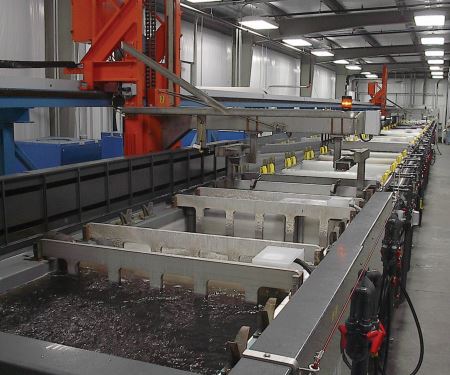
Following DFM approval and client sign-off, physical production initiates. Precision CNC machining creates the base aluminum component to tight tolerances. Parts then move to our dedicated anodizing line. The standardized production sequence includes thorough alkaline cleaning, etching for matte finishes if specified, desmutting, anodizing in controlled electrolytic baths according to the pre-defined parameters, optional dyeing for color, and finally, sealing—typically in hot deionized water or nickel acetate—to close the porous oxide layer. Critical process parameters are strictly monitored throughout. The table below summarizes standard anodizing specifications we commonly implement.
| Parameter | Type II Standard Anodizing | Type III Hardcoat Anodizing | Standard Reference |
| :—————– | :————————- | :————————– | :—————– |
| Typical Thickness | 5 – 25 µm | 25 – 50+ µm | ASTM B580, MIL-A-8625 |
| Common Colors | Clear, Black, Gold, Blue, Red, etc. | Typically Clear or Black | – |
| Dimensional Change | Approx. +50% of coating thickness per surface | Approx. +50% of coating thickness per surface | – |
| Tolerance Impact | Must be accounted for in critical dimensions | Significant impact; requires strict DFM allowance | ISO 230-2 |
Rigorous in-process inspections and final QA checks verify coating thickness (per ASTM B244), adhesion, color consistency, and corrosion resistance (e.g., ASTM B117 salt spray). This closed-loop workflow, from AI-driven quoting through collaborative DFM to controlled production, ensures Shenzhen Honyo Prototype delivers consistently high-quality anodized aluminum prototypes and low-volume production parts that meet exacting client requirements.
Start Your Project
Precision Anodizing for Aluminum: Elevate Your CNC Machined Components
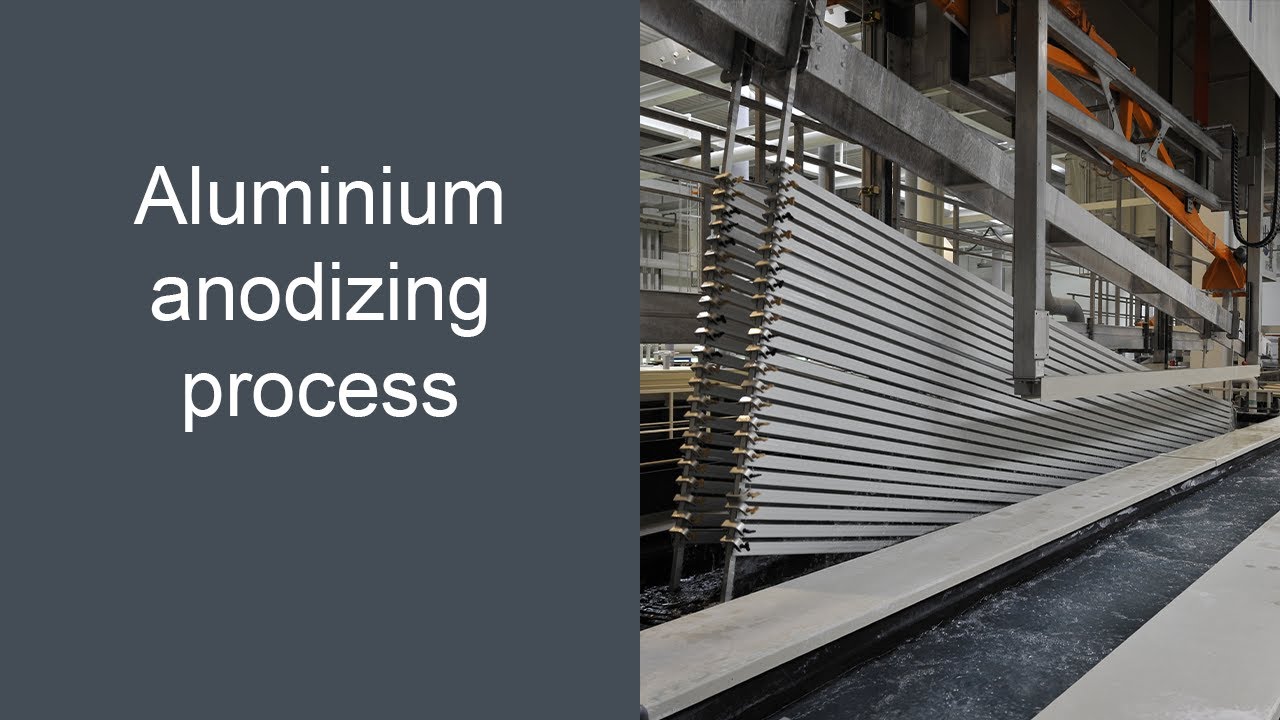
At Shenzhen Honyo Prototype, we specialize in delivering high-performance surface finishing solutions for CNC machined aluminum parts through precision anodizing. Whether you’re developing aerospace components, medical devices, automotive prototypes, or consumer electronics, our anodizing process enhances durability, corrosion resistance, and aesthetic quality—ensuring your parts meet both functional and visual specifications.
Anodizing transforms the surface of aluminum into a durable, corrosion-resistant oxide layer while allowing for custom coloring and improved adhesion for paints and primers. Our in-house capabilities support both Type II (sulfuric acid anodizing) and Type III (hard coat anodizing), tailored to your project’s performance demands. With strict process controls and quality assurance at every stage, Honyo Prototype ensures consistent, repeatable results across prototypes and low-volume production runs.
We understand that precision begins with collaboration. That’s why every project starts with a technical review led by our manufacturing engineering team. We evaluate material selection, part geometry, tolerances, and finish requirements to recommend the optimal anodizing method—maximizing performance while minimizing lead time and cost.
Our facility in Shenzhen is equipped with automated process lines that maintain tight control over voltage, temperature, and electrolyte composition. This ensures uniform coating thickness, excellent wear resistance, and adherence to international standards including MIL-A-8625, ASTM B580, and ISO 12673.
Below are the key technical specifications we support:
| Parameter | Type II Anodizing | Type III Hard Anodizing |
|—————————-|————————-|————————–|
| Coating Thickness | 5–25 µm | 25–100+ µm |
| Electrolyte | Sulfuric Acid | Sulfuric Acid (low temp) |
| Hardness (HV) | 200–400 HV | 500–700 HV |
| Color Options | Clear, Black, Red, Blue, Gold, etc. | Typically gray or black |
| Corrosion Resistance | Excellent | Superior |
| Wear Resistance | Good | Exceptional |
| Typical Applications | Enclosures, consumer parts, decorative elements | Hydraulic pistons, gears, military hardware |
All anodized components undergo rigorous post-treatment inspection, including coating thickness measurement via eddy current, dye penetration testing for sealing quality, and visual grading under controlled lighting conditions.
Starting your project with Honyo Prototype is simple. Share your design files, material specifications, and performance requirements, and our team will provide technical feedback, a detailed quote, and estimated turnaround—all within 24 hours.
For expert guidance on anodizing your CNC machined aluminum parts, contact Susan Leo, Customer Project Manager, directly at info@hy-proto.com. Let us help you achieve durable, high-quality finishes that meet the demands of your application.
🚀 Rapid Prototyping Estimator
Get a rough estimate for CNC/3D Printing costs.