
Contents
Manufacturing Insight: Best Steel For Welding
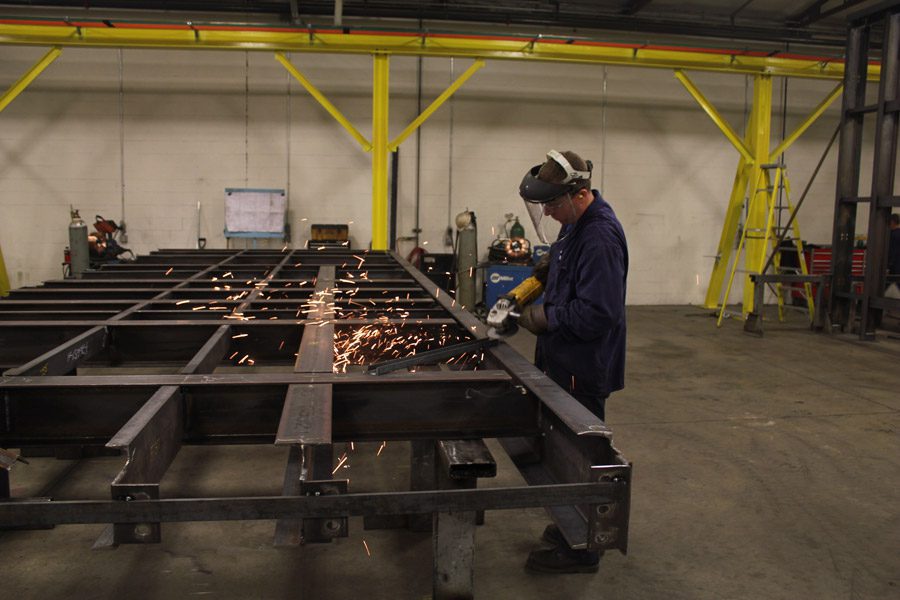
Manufacturing Insight: Optimal Steel Selection for Welding Applications
Selecting the appropriate steel grade is critical for achieving robust, defect-free welds while ensuring subsequent manufacturability. At Shenzhen Honyo Prototype, we recognize that welding performance directly impacts structural integrity, dimensional stability, and final part functionality—particularly when integrated with precision CNC machining workflows. Suboptimal material choices often lead to weld cracking, excessive distortion, or poor fusion, necessitating costly rework or part rejection. Our engineering team prioritizes steels balancing weldability, mechanical properties, and post-weld process compatibility to deliver reliable prototypes and low-volume production components.
Carbon content is the primary determinant of weldability. Steels exceeding 0.3% carbon require stringent preheat and post-weld heat treatment (PWHT) protocols to mitigate hydrogen-induced cracking and hardenability issues. Low-carbon structural steels (e.g., ASTM A36) offer excellent weldability without preheating for thicknesses under 25mm, making them ideal for general fabrication. For corrosion resistance, austenitic stainless steels like 304/304L provide superior weld performance due to their stabilized low-carbon variants (L-grades), minimizing sensitization and intergranular corrosion. When higher strength is essential, alloy steels such as 4140 demand controlled thermal cycles; improper welding can induce martensitic transformation in the heat-affected zone (HAZ), compromising toughness and complicating post-weld CNC operations.
Honyo integrates material science expertise with advanced manufacturing to address these challenges. Our CNC machining centers accommodate post-weld stress relief and precision finishing, ensuring dimensional accuracy even for complex welded assemblies. We leverage real-time weld parameter monitoring and qualified WPS (Welding Procedure Specifications) to maintain consistency across projects. Below is a comparative overview of commonly specified steels for welding applications:
| Steel Grade | Carbon Content (%) | Yield Strength (MPa) | Key Weldability Considerations | Typical Honyo Applications |
|——————|——————–|——————–|—————————————–|———————————-|
| ASTM A36 | ≤ 0.26 | 250 | Excellent; minimal preheat required | Structural frames, jigs, fixtures |
| AISI 304L | ≤ 0.03 | 170 | Excellent; low risk of sensitization | Chemical tanks, food processing |
| AISI 4140 | 0.38–0.43 | 655 | Moderate; requires preheat (150–200°C) | High-stress shafts, tooling |
| ASTM A572 Gr 50 | ≤ 0.21 | 345 | Good; preheat advised for thick sections | Bridge components, machinery |
Crucially, Honyo’s end-to-end process ensures welded components transition seamlessly into CNC machining. We account for residual stresses and potential distortion during welding by incorporating stress-relief annealing and strategic fixturing—key to holding tight tolerances (< ±0.05mm) on milled or turned features. Our metallurgical lab validates material certifications and conducts weld bead profiling to confirm fusion integrity prior to secondary operations.
For prototypes demanding both welded assembly and precision machining, we recommend initiating discussions during the design phase. Early collaboration allows us to optimize joint design, select compatible filler metals, and sequence manufacturing steps to minimize rework. Leverage Honyo’s integrated workflow to transform complex welded concepts into dimensionally accurate, functionally reliable components—delivered with the speed and expertise expected from a leader in rapid CNC prototyping and low-volume production.
Technical Capabilities
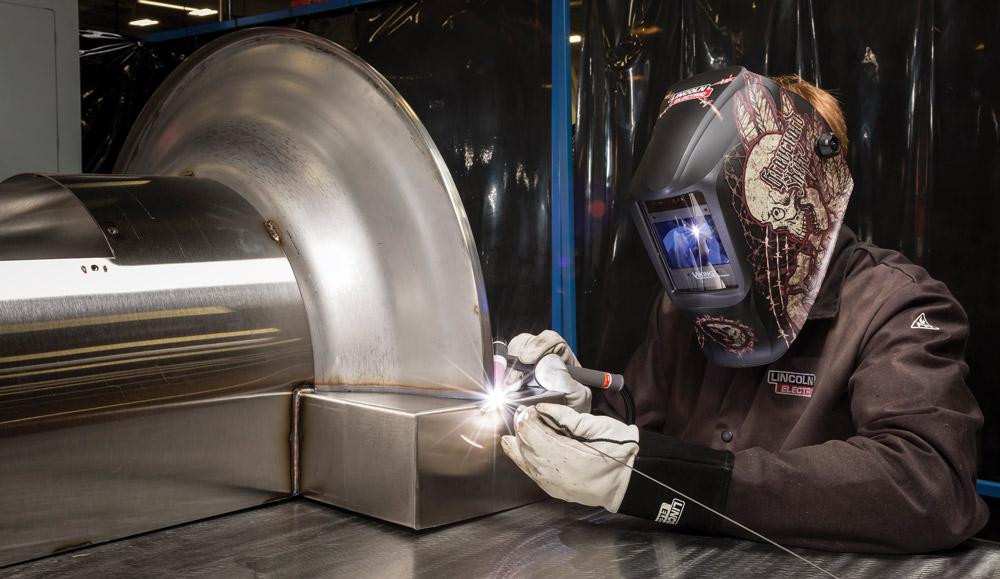
Optimizing Steel Selection for Welding in Precision CNC Machining
At Shenzhen Honyo Prototype, selecting the optimal steel for welding is critical to achieving robust structural integrity, dimensional accuracy, and performance in high-precision CNC machining applications. Our 3-axis, 4-axis, and 5-axis milling capabilities, combined with advanced CNC turning, enable us to process weld-compatible steels to tight tolerances, ensuring parts meet stringent engineering requirements. When choosing the best steel for welding, key factors include weldability, strength, machinability, and post-weld dimensional stability.
Low-carbon steels such as ASTM A36 and AISI 1018 are widely regarded as the best options for welding due to their minimal carbon content (typically below 0.25%), which reduces the risk of cracking in the heat-affected zone (HAZ). These materials are highly compatible with common welding processes, including MIG, TIG, and submerged arc welding. AISI 4140, a chromium-molybdenum alloy steel, is preferred for high-strength applications requiring post-weld heat treatment. While it has moderate weldability, preheating and controlled cooling are recommended to mitigate residual stresses. For applications demanding corrosion resistance, AISI 304 and 316 stainless steels offer excellent weld performance and environmental durability, particularly in marine or chemical processing environments.
Our CNC machining centers are optimized to handle these weld-friendly steels with precision. Utilizing 5-axis milling, we achieve complex geometries with minimal fixturing, preserving weld joint accessibility and ensuring alignment accuracy. Tight tolerance turning operations maintain critical diametrical and concentricity requirements on shafts, flanges, and weld prep features. All machined surfaces are finished to support consistent weld bead placement and penetration.
The table below outlines the key materials we recommend for welding applications, along with achievable tolerances using our CNC capabilities:
| Material | Common Name | Typical Use Case | Machining Tolerance (±) | Welding Recommendation |
|——————|——————-|————————————|————————–|——————————————–|
| AISI 1018 | Low-Carbon Steel | General fabrication, brackets | 0.010 mm | Excellent; no preheat required |
| ASTM A36 | Structural Steel | Frames, supports | 0.012 mm | Excellent; suitable for all arc processes |
| AISI 4140 | Alloy Steel | High-stress components | 0.008 mm | Good; preheat to 300–400°F recommended |
| AISI 304 | Stainless Steel | Corrosive environments | 0.010 mm | Excellent; low carbon variant preferred |
| AISI 316 | Marine Stainless | Saltwater, chemical exposure | 0.010 mm | Excellent; use low heat input |
Shenzhen Honyo Prototype maintains strict process controls to ensure dimensional stability after welding, including stress-relieving cycles and precision post-weld machining when required. Our engineering team collaborates with clients to select the optimal material and machining strategy for weld-integrated assemblies, ensuring performance and repeatability across production runs. With expertise in tight tolerance CNC machining and weldable steel processing, we deliver components that meet the highest standards in aerospace, automotive, and industrial manufacturing sectors.
From CAD to Part: The Process
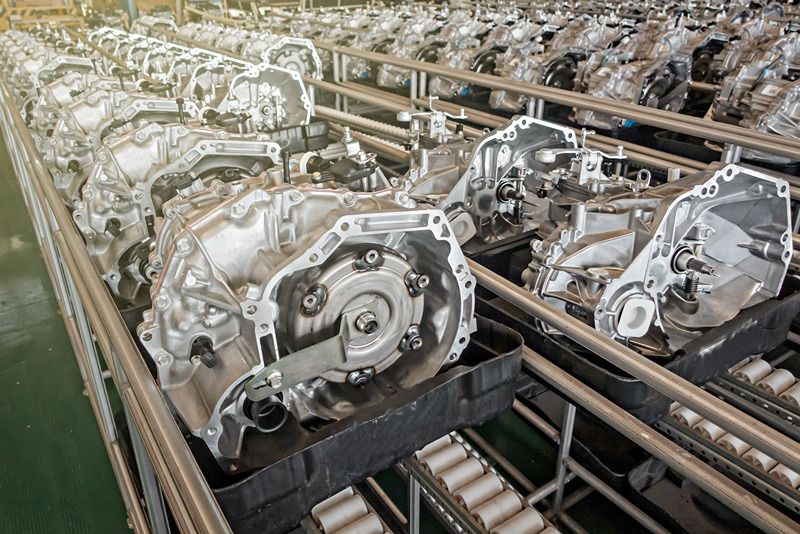
From CAD to Part: Optimized Steel Welding Workflow for CNC Machined Components
Selecting the optimal steel grade is critical for weld integrity in CNC-machined prototypes and low-volume production. At Honyo Prototype, our integrated workflow ensures material suitability is validated before cutting metal, minimizing rework and accelerating time-to-part. The process begins with the AI-Powered Quoting Phase, where engineers input CAD geometry, functional requirements, and environmental conditions. Our proprietary AI engine cross-references these parameters against metallurgical databases to recommend weld-compatible steels. Key factors analyzed include carbon equivalent (CE), hardenability, and susceptibility to hydrogen-induced cracking. For structural weldments requiring post-machining, low-carbon alloys like ASTM A36 or AISI 1018 are prioritized due to their forgiving weldability and machinability. High-strength applications may necessitate preheating protocols for grades like 4140, which the AI flags during quoting to prevent thermal stress defects.
DFM Integration for Weldability Validation
During Design for Manufacturability (DFM) review, Honyo engineers conduct a dedicated weldability assessment. This phase verifies joint accessibility for CNC-tapered weld preps, confirms compatible filler metals, and checks for geometric discontinuities that could concentrate stress in the heat-affected zone (HAZ). Critical DFM checks include:
Minimum bend radii to avoid cracking in welded assemblies
Tolerance stack-up analysis for post-weld machining
Thermal distortion mitigation strategies via sequencing simulation
Material-specific constraints are non-negotiable; for instance, austenitic stainless steels (e.g., 304) require interpass temperature control to prevent carbide precipitation, while low-alloy steels like 4130 mandate strict preheat temperatures. Our DFM report explicitly states weld procedure specifications (WPS) aligned with AWS D1.1 standards, ensuring compliance before production release.
Production Execution with Material-Centric Protocols
Upon DFM sign-off, production initiates with material certification verification. All steel stock undergoes incoming inspection for chemical composition traceability per mill test reports. CNC machining sequences are optimized to preserve weld joint integrity—for example, machining critical bearing surfaces after welding to correct for distortion. Welding parameters are dynamically adjusted based on real-time thermal monitoring:
| Steel Grade | Carbon Content (Max) | Preheat Requirement | Key Welding Consideration |
|————-|———————-|———————|—————————|
| ASTM A36 | 0.26% | None (<25mm) | Avoid high heat input to prevent coarse grain growth |
| AISI 4140 | 0.44% | 150-200°C | Strict interpass temp control <260°C to limit HAZ hardness |
| AISI 304 | 0.08% | None | Purge gas essential for backside to prevent oxidation |
| AISI 1018 | 0.21% | None (<50mm) | Susceptible to porosity; requires clean base metal |
Post-weld, CNC contouring corrects dimensional deviations, followed by NDT (VT/MT) and hardness testing in the HAZ. This closed-loop workflow—where material science informs every phase from AI quoting to final inspection—ensures Honyo delivers weld-integrated steel components with zero rework for aerospace, automotive, and industrial clients. By embedding metallurgical intelligence into our digital thread, we transform complex welding challenges into reliable, repeatable outcomes.
Start Your Project
Choosing the Best Steel for Welding in CNC Machining Projects
Selecting the appropriate steel grade is a critical decision in any CNC machining and fabrication project involving welding. The performance, durability, and structural integrity of the final component depend heavily on the steel’s weldability, strength, and response to thermal stress. At Shenzhen Honyo Prototype, we specialize in precision CNC machining and prototype fabrication, supporting engineers and product developers in making informed material decisions that align with both design intent and manufacturing efficiency.
When evaluating the best steel for welding, several factors must be considered: carbon content, alloying elements, hardenability, and the intended service environment. Low-carbon steels such as AISI 1018 and AISI 1020 are widely regarded as excellent choices for welding due to their minimal carbon content, which reduces the risk of cracking in the heat-affected zone (HAZ). These steels offer good ductility and are easily machined, making them ideal for prototyping and low-to-medium stress applications.
For higher strength requirements, alloy steels like AISI 4140 and AISI 4340 are frequently used. While these materials provide superior toughness and fatigue resistance, their higher hardenability necessitates preheating and post-weld heat treatment (PWHT) to prevent brittleness and cracking. Proper welding procedures, including controlled cooling rates and appropriate filler materials, are essential when working with such grades.
Stainless steels, particularly the austenitic grades like 304 and 316, offer excellent corrosion resistance and are inherently weldable using common methods such as TIG and MIG welding. These steels maintain their mechanical properties at elevated temperatures and are frequently selected for medical, food processing, and marine applications.
Below is a comparison of common steel types used in CNC machining and welding applications:
| Steel Grade | Carbon Content (%) | Weldability | Typical Applications | Notes |
|———–|——————–|———–|———————-|——-|
| AISI 1018 | 0.18 | Excellent | General fabrication, brackets, shafts | No preheat typically required |
| AISI 1045 | 0.45 | Moderate | Gears, axles, bolts | Preheating recommended |
| AISI 4140 | 0.40 | Fair (with precautions) | Aerospace, automotive components | Requires preheat and PWHT |
| AISI 4340 | 0.40 | Fair | High-stress structural parts | Sensitive to hydrogen cracking |
| AISI 304 | 0.08 (max) | Excellent | Chemical tanks, food equipment | Low thermal conductivity |
| AISI 316 | 0.08 (max) | Excellent | Marine, pharmaceutical | Enhanced chloride resistance |
At Honyo Prototype, we integrate material expertise with advanced CNC machining and welding capabilities to deliver high-precision prototypes and production parts. Our engineering team collaborates closely with clients to select the optimal steel grade based on functional requirements, environmental exposure, and fabrication complexity.
Starting your next project with the right material ensures not only weld integrity but also long-term performance and cost efficiency. Let our experts guide you through the selection process and help you avoid common pitfalls in material compatibility and joint design.
Contact Susan Leo today at info@hy-proto.com to discuss your project requirements and receive personalized support from our manufacturing team.
🚀 Rapid Prototyping Estimator
Get a rough estimate for CNC/3D Printing costs.