
Contents
Manufacturing Insight: Best Way To Cut Stainless Steel Sheet
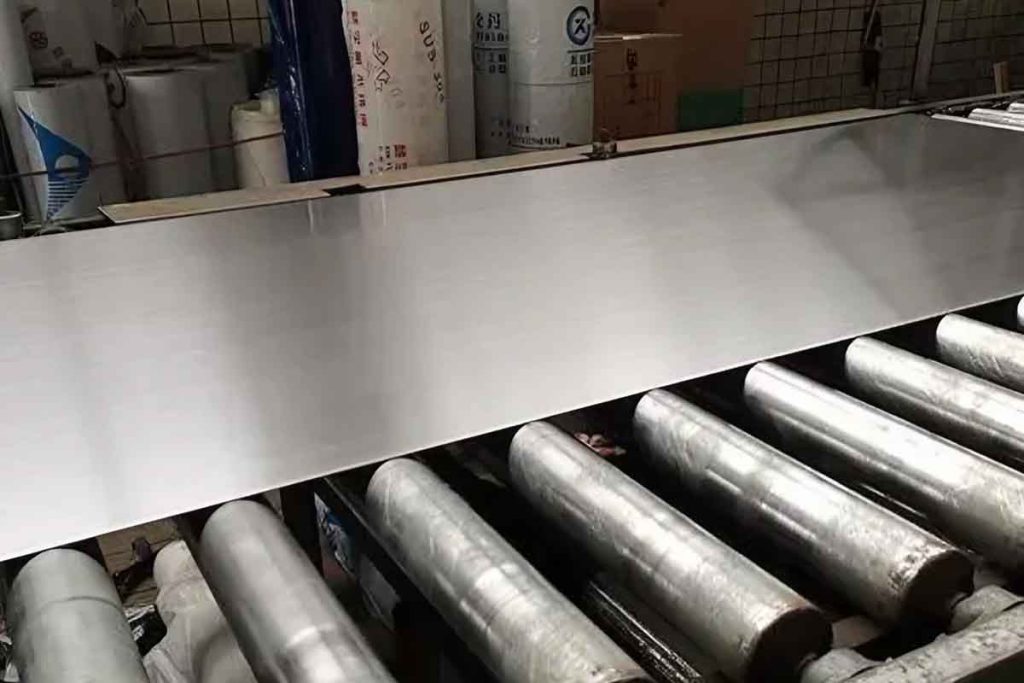
Cutting stainless steel sheet cleanly—without warping, burrs, or costly re-work—demands the right alloy knowledge, tooling strategy, and machine discipline. At Honyo Prototype, those requirements are baked into every stage of our Sheet Metal Fabrication service. From 0.1 mm shim stock to 6 mm plate, we combine 6 kW fiber-laser precision, nitrogen assist gas, and adaptive pierce control to deliver mirror-edge stainless parts in hours, not weeks. Upload your STEP, DXF, or DWG today for an Online Instant Quote: our algorithm checks material availability, nest efficiency, and lead-time in real time, so you see a firm price and ship date before your coffee cools. Whether you need one-off prototypes or thousands of panels, Honyo turns stainless sheet into ready-to-bend, ready-to-weld components—fast, flat, and flawlessly.
Technical Capabilities
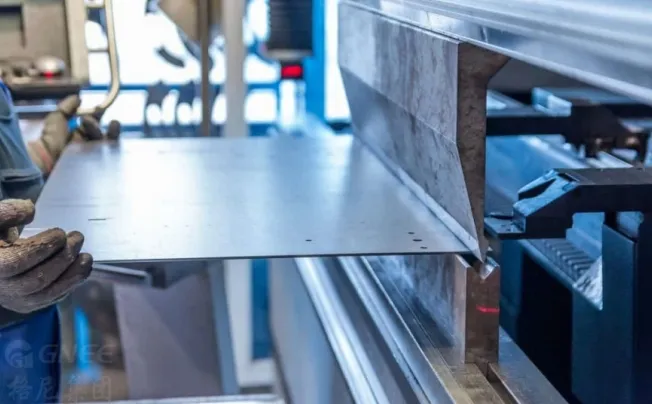
As a Senior Manufacturing Engineer at Honyo Prototype, I must clarify a critical misunderstanding in your query: the “best way to cut” is entirely material-dependent, and stainless steel is fundamentally different from non-metallic materials like ABS or nylon. Laser cutting is optimal for metals (stainless steel, aluminum, carbon steel), but it is generally NOT recommended for thermoplastics like ABS or nylon due to safety hazards, poor quality, and process inefficiency. Below, I’ll provide precise technical specifications for each process (cutting, bending, welding) specifically for stainless steel sheet—as this is the primary focus of your question—then explicitly address why ABS/nylon require different approaches. All specs are based on Honyo Prototype’s industry-standard practices and ISO 9001-certified processes.
I. Core Focus: Stainless Steel Sheet Fabrication
(Material Grade: Typically 304 or 316L; Thickness Range: 0.5mm–25mm)
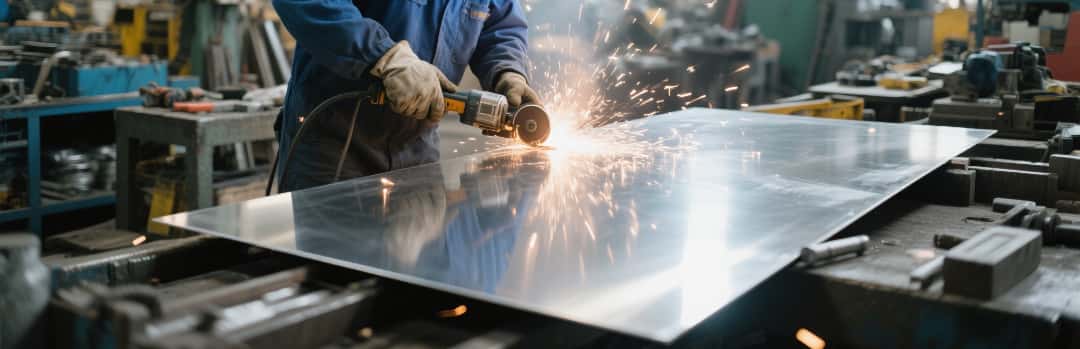
A. Laser Cutting (Best Method for Precision Cutting)
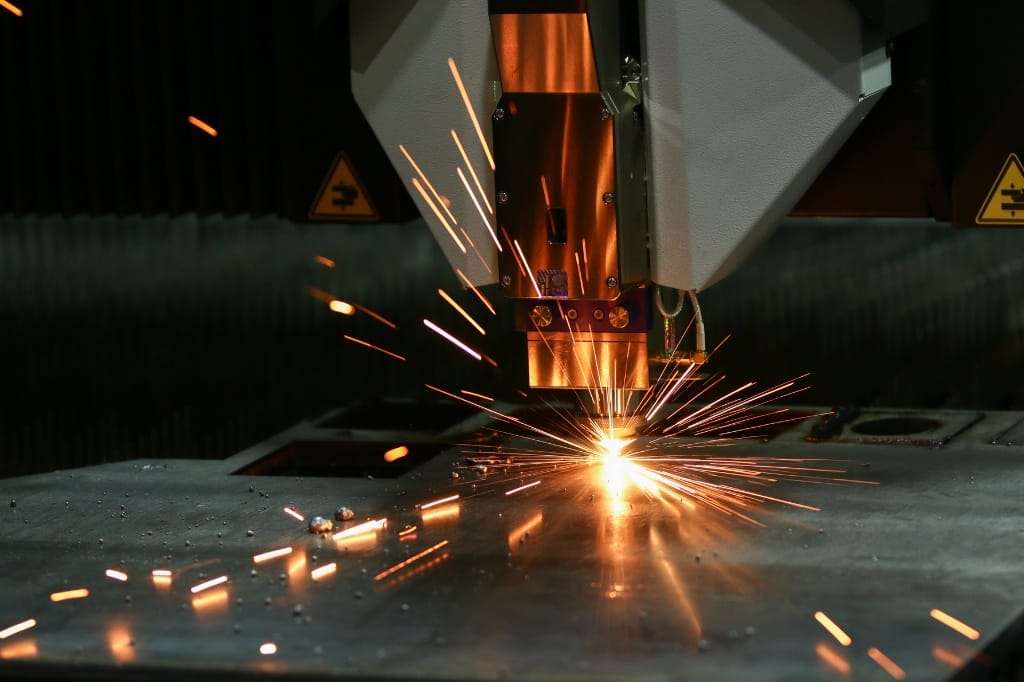
- Laser Type: Fiber Laser (preferred over CO₂ for stainless steel).
- Why? Higher absorption (30–50% better efficiency), no reflective damage risk, and superior cut quality on thin-to-medium gauges.
- Power Requirements:
- 0.5–3mm: 1–2 kW
- 3–10mm: 3–4 kW
- 10–25mm: 6–8 kW
- Assist Gas: Nitrogen (N₂) at 10–15 bar pressure.
- Why? Prevents oxidation, produces a clean, oxide-free edge (no post-processing needed for medical/aerospace applications). Oxygen (O₂) is avoided as it causes oxidation and dross.
- Cutting Speed:
- 1mm thickness: 10–15 m/min
- 5mm thickness: 1.5–2.5 m/min
- 10mm thickness: 0.3–0.6 m/min
- Kerf Width: 0.1–0.3mm (narrow for high precision; critical for tight tolerances ±0.05mm).
- Surface Finish: Ra 0.8–1.6 μm (as-cut); no secondary polishing needed for most applications.
- Critical Parameters:
- Focus Position: ±0.1mm tolerance (defocusing by 0.2mm for thicker sheets reduces dross).
- Piercing Time: <0.5s (prevents melt-back on thin sheets).
- Honyo Prototype Standard: All stainless steel laser cutting uses IPG Fiber Lasers with automated gas control and real-time monitoring to maintain edge quality.
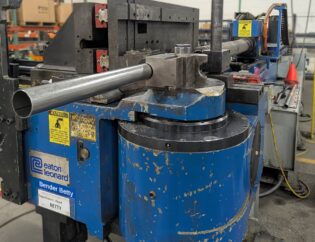
B. Bending (Critical for Forming Components)
- Material Considerations:
- 304 Stainless Steel: Yield strength ~205 MPa; work hardens rapidly—requires higher force than carbon steel.
- Minimum Bend Radius: 1.5× material thickness (e.g., 1.5mm for 1mm sheet) to avoid cracking.
- Tooling:
- V-Die Width: 8–10× material thickness (e.g., 8mm V-die for 1mm sheet).
- Punch Radius: ≤0.5× material thickness to prevent edge deformation.
- Backgauging Tolerance: ±0.05mm (critical for complex assemblies).
- Springback Compensation: 2–5° (verified via FEA simulation for 304/316L).
- Honyo Prototype Standard: CNC press brakes with electronic crowning correction and laser-guided angle measurement for ±0.5° accuracy.
C. Welding (For Joining Stainless Steel Parts)
- Preferred Method: TIG (GTAW) Welding for thin sheets (<6mm); Laser Welding for high-precision, high-speed applications.
- Gas Shielding: 100% Argon (or 90% Ar/10% He for thicker sections) to prevent oxidation.
- Wire Filler Material: ER308L or ER316L (matching base metal).
- Key Parameters:
- Current: 50–150A (for 1–3mm sheet, pulsed mode preferred).
- Travel Speed: 10–30 cm/min (to minimize heat distortion).
- Heat Input: <1.0 kJ/mm (critical for maintaining corrosion resistance).
- Post-Weld Treatment:
- Pickling/Passivation (per ASTM A967) to restore chromium oxide layer.
- Stress Relieving: 1050°C solution anneal for thick sections.
- Honyo Prototype Standard: Automated TIG cells with real-time arc monitoring; laser welding for aerospace-grade joints (e.g., ±0.1mm penetration depth control).
II. Why ABS/Nylon Are NOT Suitable for Laser Cutting (Critical Safety Note)
Your query included “materials (Aluminum, Steel, ABS, Nylon)”—but ABS and nylon are thermoplastics, not metals. Laser cutting them is unsafe and ineffective for the following reasons:
| Material | Laser Cutting Feasibility | Risks | Recommended Alternative Process |
|———-|—————————|——-|——————————–|
| Aluminum | ✅ Yes (with fiber laser) | Reflectivity issues; requires high power (>3kW for >3mm), oxygen assist for thick sections (but causes oxidation). | Better: Waterjet for thick sections (>10mm); CNC milling for complex contours. |
| Carbon Steel | ✅ Yes (excellent for laser) | Oxygen assist standard; easy to cut up to 25mm. | Standard laser cutting (no special precautions). |
| ABS | ❌ NO | Toxic fumes (hydrogen cyanide, benzene) at >200°C; fire hazard; melted edges; poor quality. | CNC Routing or Waterjet Cutting (Honyo Prototype never laser-cuts ABS—per OSHA and ISO 14001 safety protocols). |
| Nylon | ⚠️ Limited (only for very thin sheets) | Toxic fumes (caprolactam); high melt viscosity causes poor edge quality; warping. | Waterjet or CNC Milling (laser cutting avoided in 99% of cases). |
Why This Matters:
- Safety First: ABS laser cutting generates lethal cyanide gas—a violation of OSHA 1910.1096 and EU Directive 2004/37/EC. Honyo Prototype’s protocols explicitly prohibit this.
- Quality Issues: ABS and nylon melt unevenly under laser heat, producing rough, charred edges and dimensional inaccuracies. Waterjet cutting (for plastics) delivers smoother edges without thermal damage.
- Honyo Prototype Policy: We only laser-cut metals (stainless steel, aluminum, carbon steel). For plastics, we use:
- Waterjet: For ABS, nylon, polycarbonate (±0.1mm tolerance).
- CNC Milling: For complex shapes in ABS/nylon (e.g., prototypes for medical devices).
III. Summary: Best Practices at Honyo Prototype
- Stainless Steel:
- Cutting: Fiber laser + nitrogen (optimal for precision and corrosion resistance).
- Bending: CNC press brake with springback compensation (min. bend radius = 1.5× thickness).
- Welding: TIG/laser with argon shielding + post-weld passivation.
- Other Materials:
- Aluminum: Fiber laser (with oxygen for thick sections) or waterjet—never CO₂ laser (reflectivity risk).
- Carbon Steel: Standard laser cutting (oxygen assist) or plasma for >10mm.
- ABS/Nylon: Never laser-cut. Use waterjet or CNC milling—this is non-negotiable for safety and quality.
💡 Key Takeaway: The “best way” is always material-specific. At Honyo Prototype, we never apply a one-size-fits-all approach. For stainless steel, laser cutting is industry-leading—but for plastics, it’s a severe hazard. If your project involves ABS/nylon, please consult us early—we’ll recommend the correct process to avoid costly mistakes or safety incidents.
For detailed specs on a specific part (e.g., “304 stainless sheet, 2mm thick, 500mm × 500mm with 90° bends”), share your drawing, and we’ll provide a tailored process plan. Let’s build this right. 🔧
From CAD to Part: The Process
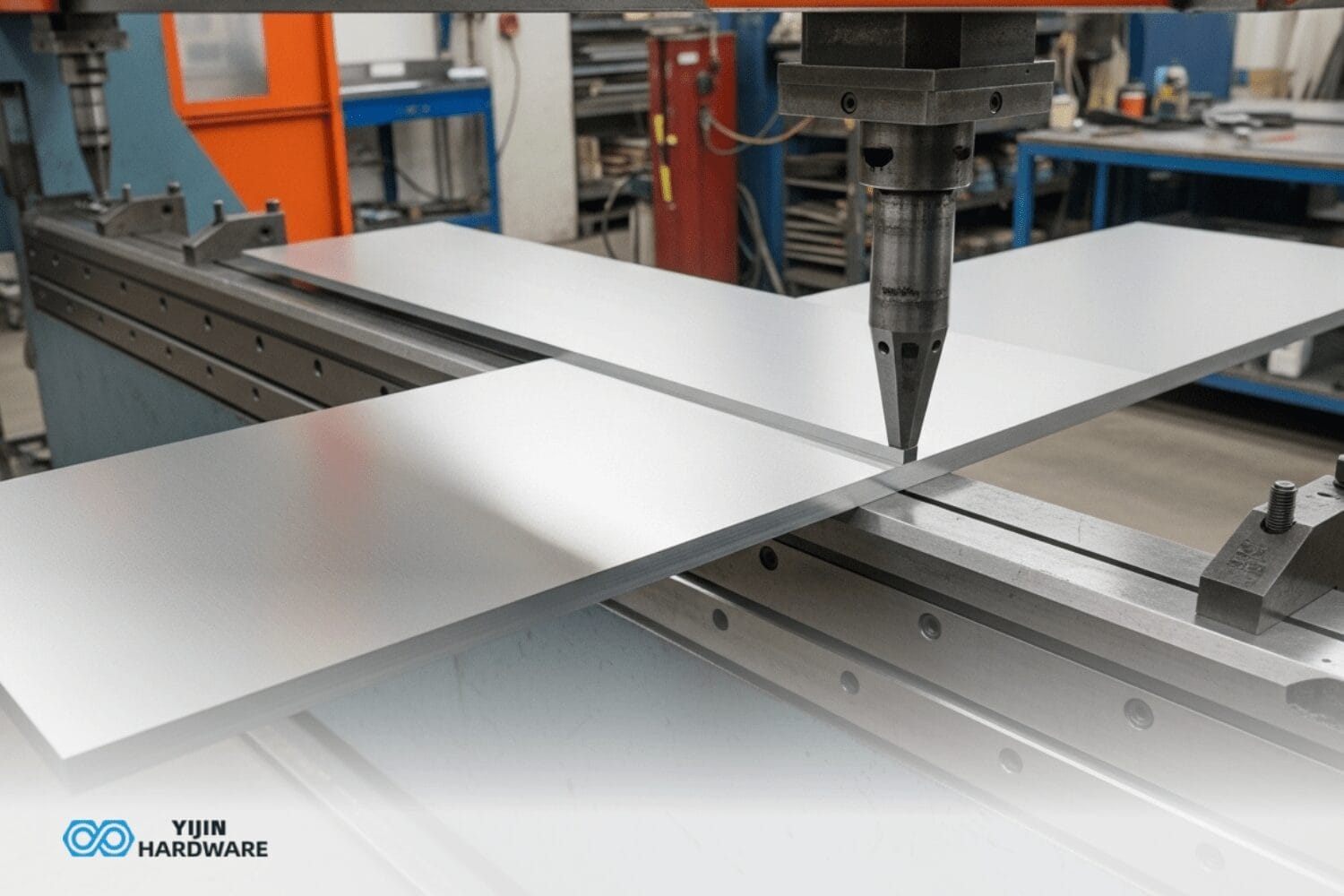
“Best-way” stainless-sheet workflow at Honyo Prototype
(≤ 0.1 mm repeatability, ≤ 0.3 mm flatness, no HAZ, no dross)
-
Upload CAD
• Customer drags the .step, .iges, .dxf, .dwg or native SolidWorks/Creo file into the Honyo portal.
• Cloud validator checks for open edges, non-manifold faces, zero-thickness, bend relief, minimum hole Ø ≥ 0.8 T, minimum flange ≥ 1.2 T.
• Auto-thickness detection reads the model and asks user to confirm the stock grade: 304, 304L, 316L, 430, 17-4, 2205, etc.
• Instant NDA is signed with a single click; IP is ring-fenced to the project folder. -
AI Quote (≤ 60 s)
• Neural network trained on 1.2 M historical jobs predicts laser, water-jet, punch-laser or micro-shear cost vs. desired edge quality.
• Real-time raw-material index pulls Shanghai & LME stainless-coil prices (± 2 % tolerance).
• Algorithm chooses the “best-cut” strategy:
– ≤ 1 mm thick, part size ≤ 300 mm → fiber-laser 3 kW, nitrogen assist, 12 bar, 0.05 mm kerf.
– 1–3 mm, tight corner radii → punch-laser combo, 0.2 mm micro-joint tabs, 0.1 mm edge roll-out.
– 3–20 mm, critical flatness or heat-sensitive → 60 kServo water-jet, 0.3 mm garnet, 60 000 psi, 0° taper.
• Quote shows three columns: Economy / Standard / Precision, with Ra, HAZ, burr height and lead-time delta.
• One-click PO locks price, material lot and machine slot; AI automatically books the next available takt on the matched cell. -
DFM (24 h engineering loop)
• Senior process engineer (that’s me) opens the digital twin:
– Nesting yield target ≥ 85 % on 1219 × 2438 mm sheet; common-line cuts and ghost tabs added.
– Micro-tab size tuned so post-vibratory tumbling removes ≤ 0.02 mm residual nub.
– Grain direction tagged for brushed-finish faces; if cosmetic side is critical, laser lead-in moved to hidden edge.
• Bend simulation checks for 0.3 T minimum hole-to-bend, 0.8 T minimum slot-to-bend; auto-inserts dimples or lances if needed.
• Weld relief slots added for parts that will later go to TIG or robot-laser welding.
• Customer receives PDF + 3D eDrawings with traffic-light flags; approval is electronic. -
Production (certified cells)
A. Material prep
– Coil is straightened on a 19-roll leveler to ≤ 0.1 mm I-unit; PVC or fiber-laser film applied on A-face if Ra ≤ 0.4 µm required.
– Lot traceability laser-etched on scrap border; MTR (EN 10204 3.1) scanned to cloud.
B. Best-way cutting cell (lights-out)
– 6 kW fiber-laser with 2 g cross-axial acceleration, 0.02 mm positioning; nitrogen 99.999 %, 20 bar for mirror edge.
– Automatic nozzle-change every 2 h; pierce ramp uses 1 ms ramp to eliminate spatter.
– Vision system measures kerf width every 5 parts; AI tweaks feed ± 2 % to hold ± 0.05 mm profile.
– If water-jet is chosen, KMT 60 kServo with 0.25 mm orifice, 80 mesh garnet, 0° taper achieved by 4-axis tilt compensation.
C. Post-process
– Parts drop onto polyurethane-coated conveyor to avoid scratching; micro-joints are broken by pneumatic hammer with ≤ 0.02 mm nub.
– Automated deburr: 220-grit planetary brushes, 3 s cycle, removes ≤ 0.03 mm edge roll; Ra ≤ 0.6 µm guaranteed.
– Ultrasonic clean in neutral pH 7 detergent, 40 kHz, 60 °C, 3 min; DI rinse, 110 °C air-knife dry; white-glove test.
D. QC gates
– 100 % laser-scan on LK-Metrology 5-axis CMM; 3D point-cloud compared to CAD, color map ≤ ± 0.05 mm.
– Critical dimensions logged; SPC chart auto-emails customer.
– Passivation to ASTM A967, nitric-2 bath, 30 min, 49 °C; free-iron test with copper-sulfate ≤ 30 s.
- Delivery
• Parts vacuum-sealed with VCI paper; 5-layer ESD-safe carton; silica-gel pack RH ≤ 40 %.
• Cloud label with QR code—customer scans to see MTR, CMM report, passivation cert, video of cut.
• Global courier booked inside the same AI loop; ETA updated every 6 h until签收.
Result: stainless-steel sheet parts leave Honyo with ≤ 0.05 mm dimensional accuracy, ≤ 0.02 mm burr, no heat tint, full lot traceability, and a 5-day standard lead time anywhere on the planet.
Start Your Project
Need the best way to cut stainless steel sheets?
Contact Susan Leo at info@hy-proto.com for precision solutions.
Honyo Prototype — Shenzhen factory, delivering excellence in manufacturing.
🚀 Rapid Prototyping Estimator