
Contents
Manufacturing Insight: Cnc Plasma Art
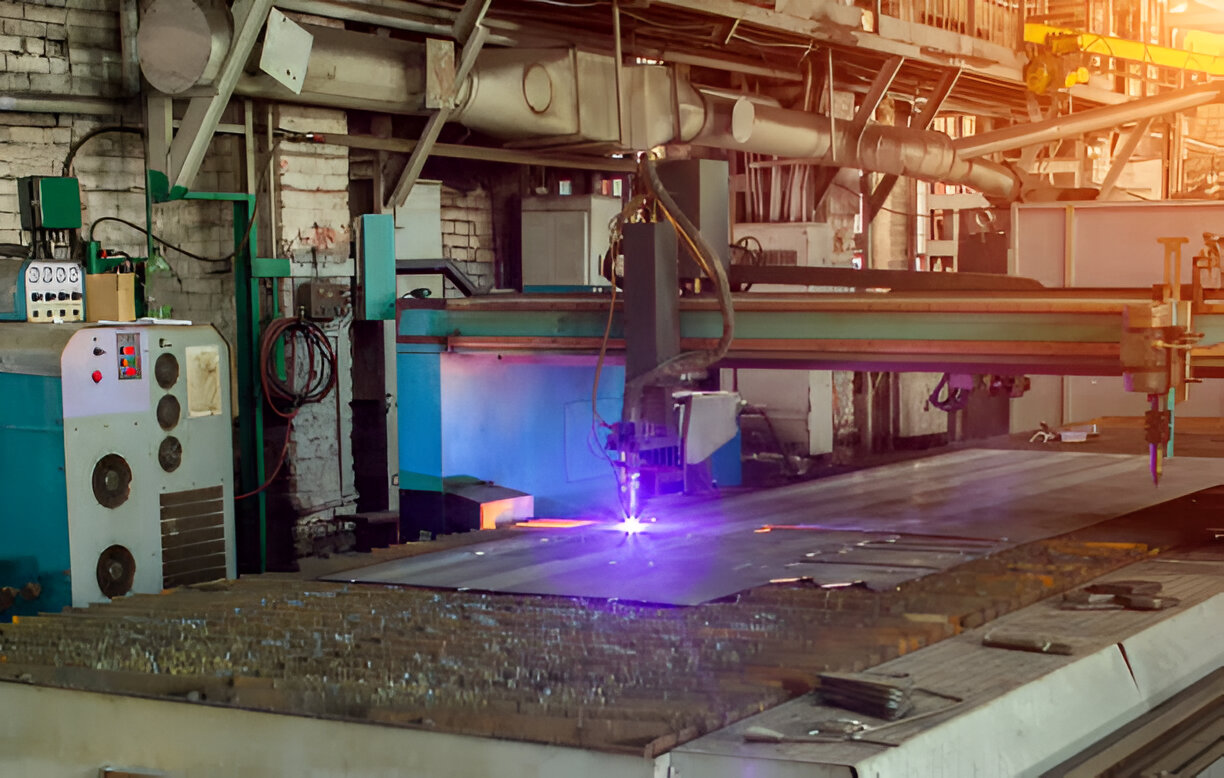
Manufacturing Insight: CNC Plasma Art Capabilities at Honyo Prototype
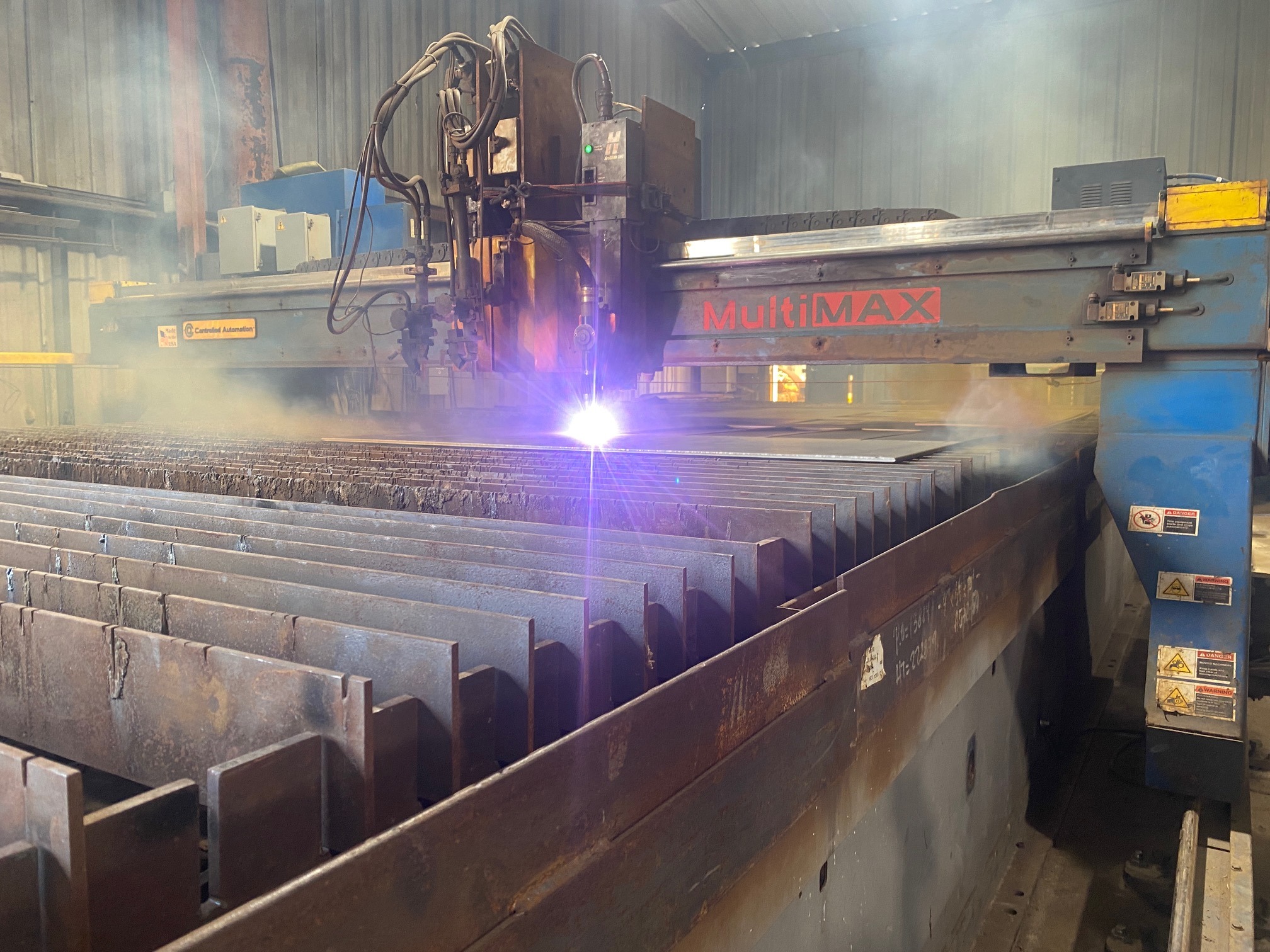
CNC plasma cutting represents a specialized fusion of thermal dynamics and precision motion control, uniquely suited for transforming digital artwork into intricate physical forms. At Shenzhen Honyo Prototype, we leverage industrial-grade CNC plasma systems to execute complex artistic designs in conductive metals with exceptional fidelity. Unlike conventional plasma cutting focused solely on structural components, our process prioritizes aesthetic precision—minimizing dross, optimizing edge smoothness, and maintaining tight tolerances even in organic, non-geometric patterns. This technology utilizes ionized gas (plasma) at temperatures exceeding 20,000°C to melt and eject material along programmed toolpaths, enabling rapid fabrication of wall art, sculptures, signage, and architectural elements from single-sheet substrates.
Honyo Prototype distinguishes itself through proprietary process calibration and material science expertise. We address plasma’s traditional limitations—such as heat-affected zones and edge taper—via dynamic amperage control, optimized gas mixtures (oxygen, nitrogen, or air), and adaptive torch height regulation. Our systems accommodate diverse artistic visions across ferrous and non-ferrous metals, including mild steel, stainless steel, and aluminum, while maintaining repeatability for batch production. Critical to our success is seamless integration between design validation and machine execution; our engineering team collaborates directly with clients to refine vector files, ensuring kerf compensation and nesting efficiency without compromising creative intent.
The table below outlines our core technical capabilities for CNC plasma art production:
| Parameter | Specification | Relevance to Art Fabrication |
|——————–|———————————–|——————————————–|
| Material Thickness | 0.8 mm – 25 mm | Supports delicate filigree to robust structural art |
| Positional Accuracy | ±0.5 mm | Ensures intricate detail retention in complex contours |
| Cutting Speed | Up to 10,000 mm/min (varies by thickness) | Balances throughput with edge quality for fine features |
| Minimum Feature Size | 1.5 x material thickness | Enables hairline details in etched or perforated designs |
| Supported Materials | Mild Steel, Stainless Steel, Aluminum | Broad palette for finish versatility (e.g., powder coating, patina) |
| Kerf Width | 1.0 – 2.5 mm (amperage-dependent) | Critical for precise gap management in interlocking assemblies |
Our end-to-end workflow begins with client artwork validation using specialized CAM simulation software to predict thermal distortion and optimize cut sequences. We then deploy multi-axis plasma tables with automatic nozzle changers to handle varying material grades within a single job—essential for mixed-metal installations. Post-processing includes robotic deburring and edge conditioning to achieve gallery-ready surfaces, eliminating manual finishing bottlenecks. Clients benefit from rapid iteration cycles; we routinely produce prototypes within 72 hours of file approval, leveraging our Shenzhen-based facility’s agile infrastructure.
For artists, designers, and architectural firms seeking industrial-scale artistry, Honyo Prototype delivers the convergence of artistic vision and manufacturing rigor. We transform conceptual complexity into tangible metalwork with the repeatability required for commercial deployment, all while adhering to strict environmental and safety standards in plasma operation. Partner with us to elevate your metal art from sketch to structurally sound masterpiece.
Technical Capabilities
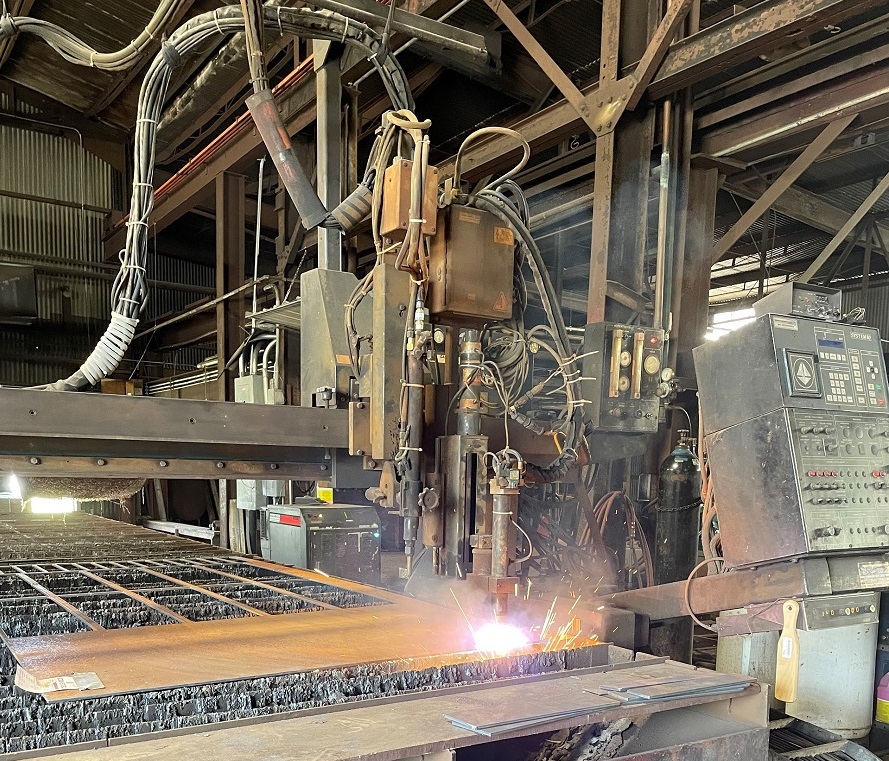
CNC Plasma Art Manufacturing Capabilities at Shenzhen Honyo Prototype
At Shenzhen Honyo Prototype, our advanced CNC plasma art fabrication services combine precision engineering with artistic versatility, enabling intricate metal artwork with industrial-grade accuracy. Leveraging state-of-the-art 3-axis, 4-axis, and 5-axis CNC plasma cutting systems, we deliver complex geometric patterns, architectural panels, signage, and decorative metalwork with exceptional repeatability and edge quality. Our multi-axis capabilities allow for dynamic torch positioning and angular cuts, supporting three-dimensional designs that standard 2D plasma systems cannot achieve.
Our 3-axis CNC plasma tables provide high-speed, flat-plane cutting ideal for 2D artistic motifs in sheet and plate metal. When added rotational control is required, our 4-axis systems introduce one rotational axis (typically A-axis), enabling tapered cuts and cylindrical contouring on preformed tubes or curved substrates. For the most intricate artistic applications, our 5-axis plasma platforms support simultaneous control of three linear (X, Y, Z) and two rotational (A, B) axes. This allows for compound bevels, sculptural reliefs, and freeform metal art with minimal secondary finishing.
Precision is central to our process. We maintain tight cutting tolerances through calibrated motion systems, real-time arc voltage control, and advanced nesting software that optimizes kerf compensation. All systems are integrated with CAD/CAM workflows, enabling seamless transition from digital design to physical output. Material edge squareness, angular accuracy, and dimensional consistency are rigorously monitored, ensuring each piece meets both aesthetic and technical requirements.
We specialize in ferrous and non-ferrous metals suitable for plasma processing. While plasma cutting is most effective on conductive materials, our systems are optimized for carbon steel, stainless steel, and aluminum—the most widely used substrates in artistic metal fabrication. Each material is processed using tailored amperage, gas mixtures, and cutting speeds to maximize cut quality and minimize dross formation.
The following table outlines our standard technical specifications for CNC plasma art production:
| Parameter | 3-Axis | 4-Axis | 5-Axis |
|—————————-|———————-|———————-|———————-|
| Max Cutting Thickness | 50 mm (2.0″) | 40 mm (1.6″) | 30 mm (1.2″) |
| Positioning Accuracy | ±0.1 mm/m | ±0.1 mm/m | ±0.08 mm/m |
| Repeatability | ±0.15 mm | ±0.15 mm | ±0.10 mm |
| Typical Kerf Width | 1.0 – 2.5 mm | 1.0 – 2.5 mm | 1.0 – 2.0 mm |
| Minimum Feature Size | 2.0 mm | 2.5 mm | 3.0 mm |
| Max Work Envelope (X×Y) | 4000 × 2000 mm | 3000 × 1500 mm | 2000 × 1000 mm |
| Material | Thickness Range | Tolerance (Standard) | Notes |
|——————–|———————–|———————–|————————————|
| Mild Steel | 1 – 50 mm | ±0.2 mm | Best for high-detail plasma art |
| Stainless Steel | 1 – 40 mm | ±0.25 mm | Requires high-precision gas control|
| Aluminum | 2 – 30 mm | ±0.3 mm | Limited to lower amperage settings |
All CNC plasma art components undergo post-cut inspection for dimensional compliance and edge quality. Secondary operations such as grinding, polishing, or powder coating can be coordinated through our integrated finishing lines. Shenzhen Honyo Prototype is equipped to support low-volume artistic production, custom installations, and rapid prototyping with engineering-grade precision.
From CAD to Part: The Process
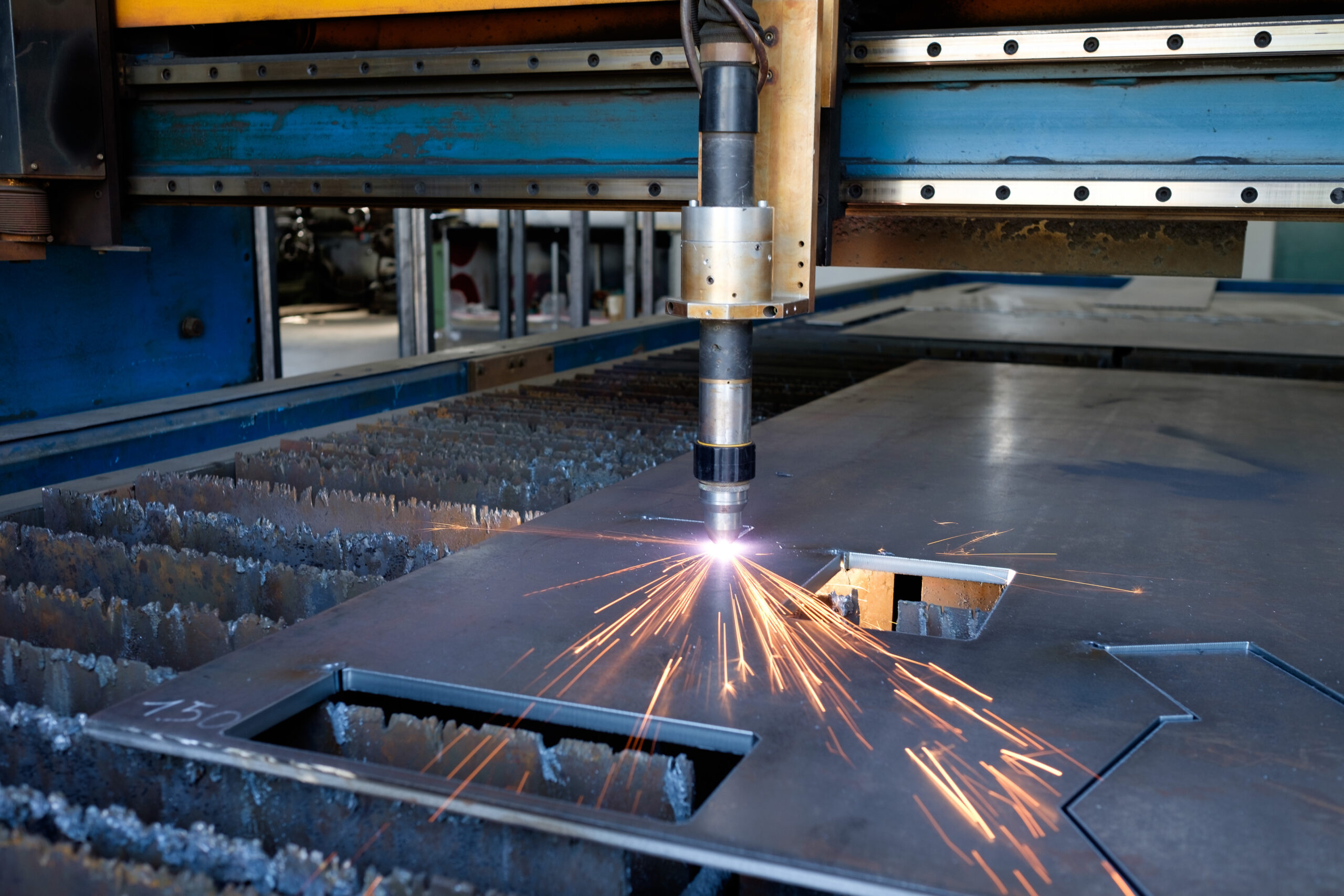
CNC Plasma Art Production Workflow: From CAD to Finished Part
At Shenzhen Honyo Prototype, our CNC plasma art manufacturing process integrates advanced digital tools with precision engineering to transform artistic concepts into high-quality metal artworks. This structured workflow ensures efficiency, accuracy, and material integrity from initial design submission through final part delivery. The process begins with the AI-Powered Quotation System. Upon receiving a client’s CAD file (typically DXF, DWG, or STEP format), our proprietary AI engine performs an immediate technical feasibility and cost analysis. The system evaluates critical parameters including material type compatibility (mild steel, stainless steel, aluminum), sheet thickness range, geometric complexity, feature density, and minimum internal corner radii. It cross-references these against our CNC plasma cutter capabilities and current production capacity, generating a detailed quote within minutes. This initial assessment identifies potential red flags, such as features below the practical cutting limit or excessive thermal stress zones, allowing for early client consultation if necessary.
The subsequent Design for Manufacturability (DFM) Review is a collaborative engineering step conducted by our senior manufacturing team. Here, the focus shifts to optimizing the design specifically for plasma cutting physics. Our engineers meticulously analyze the CAD model to address plasma-specific challenges: compensating for kerf width (typically 1.0-2.5mm depending on material and amperage) to ensure dimensional accuracy, strategically placing lead-ins and lead-outs to minimize start/stop marks on visible edges, optimizing cut sequence to control heat distribution and prevent warping in thin or intricate sections, and verifying adequate bridge tabs to secure small features during cutting. We provide actionable feedback to the client, suggesting minor geometric adjustments—like increasing acute internal corner radii or adjusting slot widths—that significantly enhance cut quality and reduce post-processing needs without compromising the artistic vision.
Production Execution commences only after DFM sign-off. Material selection is strictly verified against the approved specification. The optimized cutting path, generated using industry-standard CAM software (NestingExpert, SigmaNEST), is loaded onto our high-definition plasma systems (Hypertherm Powermax or equivalent). Precise machine setup includes calibrating the torch height control (THC), selecting the correct nozzle/orifice size and amperage for the material thickness, and establishing optimal gas mixtures (Oxygen for mild steel, Nitrogen or Nitrogen/Hydrogen mixes for stainless/aluminum). Advanced nesting algorithms maximize sheet utilization while maintaining adequate part spacing to manage heat input. Real-time process monitoring ensures consistent cut quality. Post-cut, parts undergo rigorous inspection against the original CAD model using calibrated measurement tools. Critical quality metrics are summarized below:
| Parameter | Typical Capability | Critical for Art Quality |
| :—————– | :———————– | :——————————– |
| Material Thickness | 1.0 mm – 25.0 mm | Feature definition, edge smoothness |
| Kerf Compensation | 1.0 mm – 2.5 mm (adjustable) | Dimensional accuracy of intricate shapes |
| Positional Tolerance | ±0.2 mm per 100 mm | Assembly of multi-part artworks |
| Edge Squareness | < 2° bevel angle | Visual finish, paint adhesion |
Final parts receive deburring to remove slag and sharp edges, with optional secondary finishing (powder coating, patina application) available based on project requirements. This disciplined workflow—AI Quote, DFM, Production—ensures Honyo Prototype delivers CNC plasma art that meets exacting aesthetic and dimensional standards, minimizing waste and accelerating time-to-market for our clients.
Start Your Project
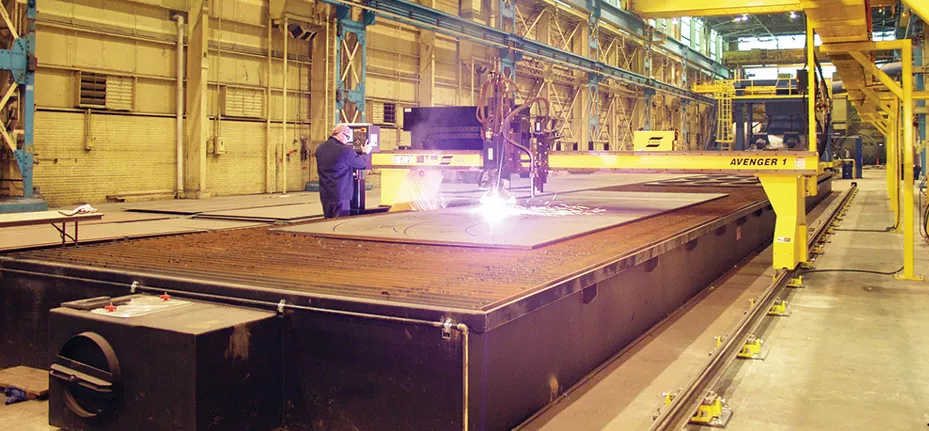
Start Your CNC Plasma Art Project with Shenzhen Honyo Prototype
At Shenzhen Honyo Prototype, we specialize in transforming creative visions into precision-engineered reality through advanced CNC plasma cutting technology. Whether you’re an artist, architect, or industrial designer, our manufacturing expertise enables you to bring intricate metal art to life with exceptional accuracy and finish quality. CNC plasma art combines the power of digital fabrication with artistic expression, allowing for complex geometries, clean edge definition, and scalable production—all within a cost-effective framework.
Our state-of-the-art CNC plasma cutting systems are optimized for high-speed, high-precision metal profiling on a variety of conductive materials, including mild steel, stainless steel, and aluminum. With a maximum cutting thickness of up to 40 mm and positional accuracy within ±0.2 mm, we ensure every design detail is faithfully reproduced. The process is ideal for custom wall art, decorative screens, signage, sculpture frameworks, and architectural metalwork—applications where both aesthetic integrity and structural performance matter.
To begin your project, simply provide us with your design files in DXF, DWG, or AI format. Our engineering team will conduct a comprehensive Design for Manufacturing (DFM) review to optimize cut paths, minimize heat distortion, and recommend material grades based on your application environment—indoor or outdoor, static or dynamic load conditions. We support both one-off prototypes and low-to-mid volume production runs, with fast turnaround times and rigorous quality control throughout.
Below are the key technical specifications for our CNC plasma cutting capabilities:
| Parameter | Specification |
|—————————-|————————————————-|
| Maximum Cutting Thickness | 40 mm (Mild Steel) |
| Cutting Tolerance | ±0.2 mm |
| Edge Quality | Smooth, minimal dross; ready for finishing |
| Supported Materials | Mild Steel, Stainless Steel, Aluminum |
| Maximum Work Envelope | 1500 mm × 3000 mm |
| File Formats Accepted | DXF, DWG, AI, PDF (vector-based) |
| Lead Time (Standard) | 3–7 working days (varies by complexity) |
| Finishing Options | Deburring, powder coating, polishing, painting |
We understand that each artistic project has unique requirements. That’s why we offer personalized consultation from concept to completion. Our team collaborates closely with clients to ensure material selection, finish treatment, and mounting considerations align with the final installation context.
Ready to bring your metal art concept to life? Contact Susan Leo, Customer Project Manager at Shenzhen Honyo Prototype, to discuss your design, request a quote, or schedule a technical consultation. We are committed to supporting your creative journey with engineering precision and responsive service.
Email Susan Leo at info@hy-proto.com today to start your CNC plasma art project. Let’s turn your vision into a manufactured masterpiece.
🚀 Rapid Prototyping Estimator
Get a rough estimate for CNC/3D Printing costs.