
Contents
Manufacturing Insight: Ductile Iron Vs Carbon Steel
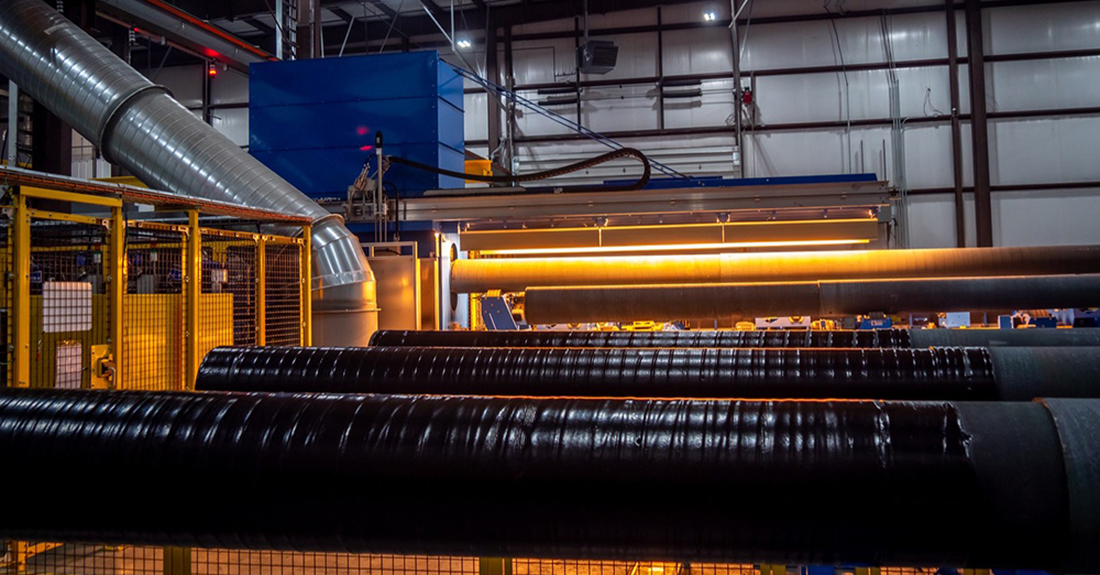
Material Selection Fundamentals in CNC Machining: Ductile Iron vs Carbon Steel
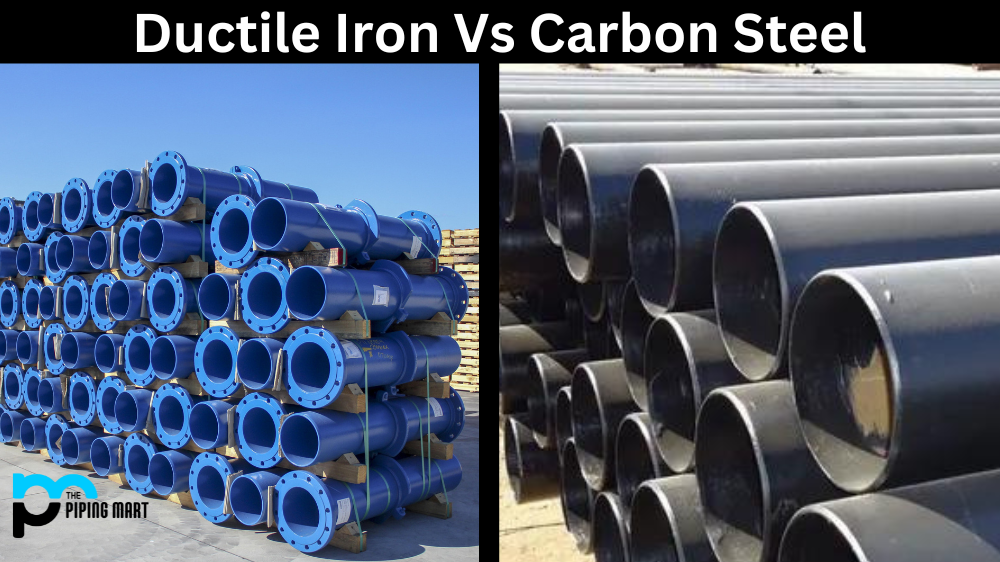
Selecting between ductile iron and carbon steel is a critical decision impacting manufacturability, cost, and final part performance in precision CNC machining applications. At Shenzhen Honyo Prototype, our engineering expertise focuses on translating material properties into optimized machining strategies, ensuring your prototype or low-volume production part meets exacting specifications without compromising lead time or budget. Understanding the inherent differences between these common ferrous alloys is essential for efficient manufacturing.
Ductile iron, characterized by its spherical graphite structure (nodules), offers superior impact resistance and fatigue strength compared to gray iron, making it ideal for complex structural components like hydraulic manifolds, pump housings, and automotive suspension parts. However, the graphite acts abrasively during machining, accelerating tool wear, particularly on carbide inserts. Achieving fine surface finishes requires careful control of cutting parameters and specialized tool geometries to prevent built-up edge and chatter. Carbon steel, encompassing grades from low-carbon (e.g., 1018) to medium-carbon (e.g., 1045), provides excellent machinability, weldability, and predictable chip formation. Low-carbon variants are highly formable and machine with minimal tool wear, while medium-carbon steels offer increased strength and hardness but necessitate harder tooling and potentially slower speeds to manage heat generation and maintain dimensional accuracy. High-carbon and alloy steels present further challenges beyond this basic comparison.
The table below summarizes key machining characteristics relevant to prototype and low-volume production:
| Material Type | Key Characteristics | Machining Considerations | Typical Applications |
| :—————— | :————————————– | :—————————————————- | :————————————— |
| Ductile Iron | High ductility, good fatigue strength, abrasive graphite nodules | Significant tool wear, requires sharp/positive rake tools, sensitive to chatter, moderate cutting speeds | Pump housings, valve bodies, brackets |
| Low-Carbon Steel| Excellent formability, weldability, low hardness | Easy chip control, minimal tool wear, high MRR possible, good surface finish | Brackets, spacers, non-critical shafts |
| Medium-Carbon Steel| Higher strength/hardness, moderate machinability | Requires harder tooling, controlled speeds/feeds to manage heat, potential for work hardening | Shafts, pins, gears, structural fittings |
Honyo Prototype leverages deep material science understanding and advanced CNC capabilities to navigate these differences. Our process begins with rigorous material verification and tailored fixture design to ensure stability, especially critical for vibration-prone ductile iron. We employ optimized toolpath strategies, premium-grade carbide tooling selected specifically for the material’s abrasiveness or toughness, and real-time process monitoring to maintain tight tolerances (±0.005mm achievable) and superior surface finishes. Our engineers proactively address challenges like graphite-induced tool wear in ductile iron or thermal management in medium-carbon steel through parameter refinement and coolant application strategies, minimizing scrap and rework during prototyping.
Choosing the right material is only the first step; mastering its machining nuances defines manufacturing success. Honyo Prototype provides the technical partnership and precision execution needed to transform your ductile iron or carbon steel design from concept to high-integrity functional prototype, ensuring manufacturability insights are integrated from day one. Partner with us for CNC machining where material expertise meets uncompromising quality.
Technical Capabilities
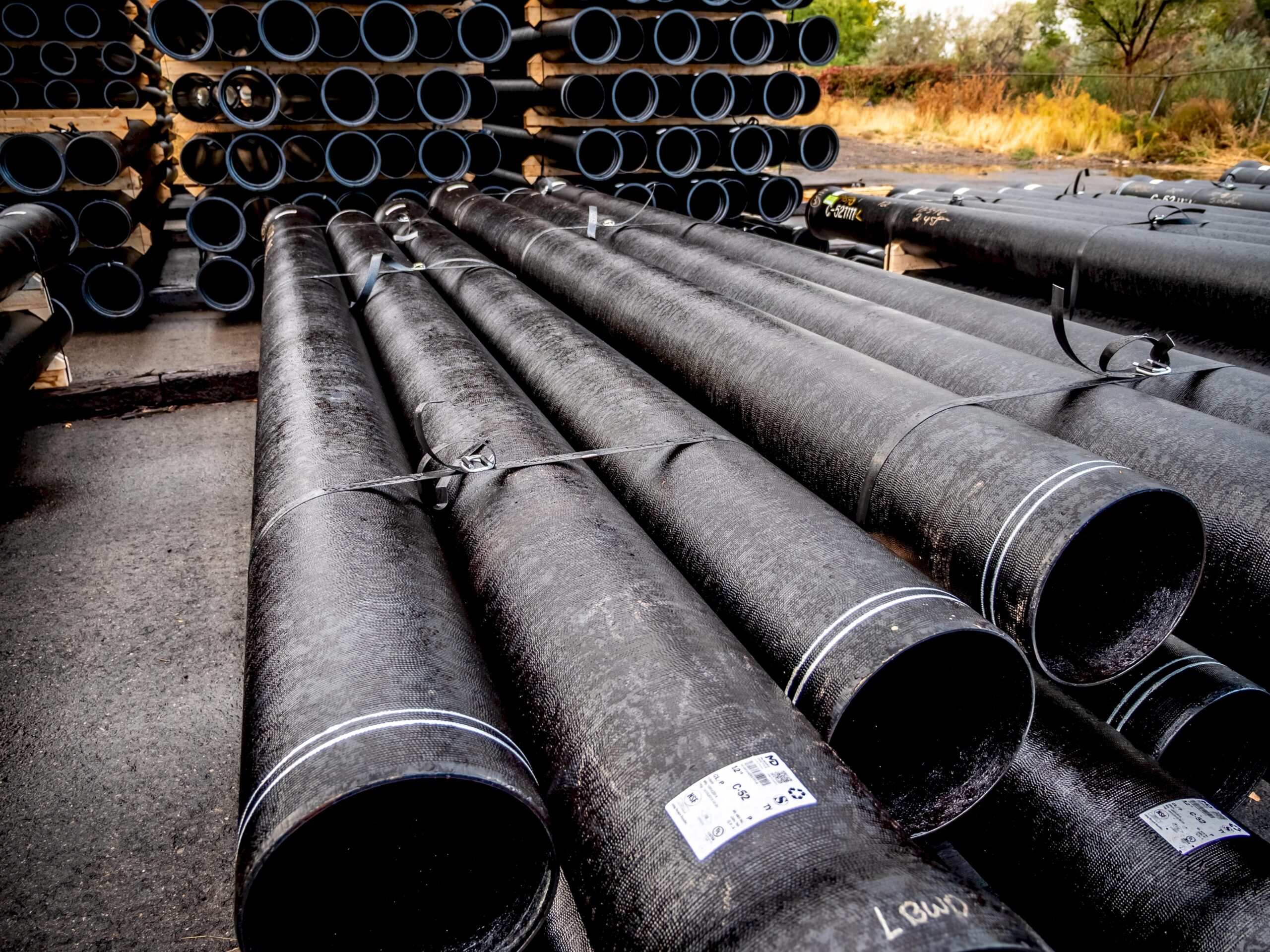
Ductile Iron vs Carbon Steel: CNC Machining Capabilities at Shenzhen Honyo Prototype
At Shenzhen Honyo Prototype, our advanced CNC machining capabilities enable precision manufacturing of both ductile iron and carbon steel components across 3-axis, 4-axis, and 5-axis milling platforms, as well as high-accuracy turning operations. These materials are widely used in industrial, automotive, and heavy equipment applications due to their mechanical robustness, but they present distinct challenges and advantages in machining. Understanding their behavior under CNC processing is critical to achieving tight tolerances and optimal surface finishes.
Ductile iron, also known as nodular cast iron, contains spherical graphite nodules that provide improved ductility and impact resistance compared to gray iron. Its microstructure contributes to excellent vibration damping and wear resistance, making it ideal for complex housings, gears, and structural components. However, its abrasive graphite content can accelerate tool wear during milling and turning. At Honyo Prototype, we utilize carbide tooling with optimized coatings and controlled cutting parameters to maintain dimensional accuracy and extend tool life when machining ductile iron.
Carbon steel, particularly grades such as 1045 and 1060, offers high tensile strength, good weldability, and predictable chip formation during CNC operations. It is more homogeneous than ductile iron, resulting in consistent tool engagement and smoother surface finishes. Carbon steel responds well to high-speed machining and is frequently selected for shafts, fasteners, and high-stress mechanical parts. Our CNC turning and multi-axis milling centers are calibrated to manage the thermal expansion characteristics of carbon steel, ensuring tight tolerance consistency across production runs.
Both materials are compatible with our full range of precision CNC equipment, including 5-axis machining centers that allow for complex geometries without multiple setups. Our process engineers apply material-specific cutting speeds, feed rates, and coolant strategies to minimize deformation and ensure repeatability. For clients requiring tolerances within ±0.005 mm to ±0.025 mm, we implement in-process inspection using coordinate measuring machines (CMM) and laser probing systems.
The following table outlines key machining specifications for ductile iron and carbon steel under our 3/4/5-axis milling and turning processes:
| Material | Process | Typical Tolerance (mm) | Surface Finish (Ra µm) | Max Part Size (mm) | Tooling Type |
|—————–|——————-|————————|————————|——————–|——————–|
| Ductile Iron | 3/4/5-Axis Milling| ±0.010 | 1.6 – 3.2 | 800 x 600 x 500 | Carbide (TiAlN Coated) |
| Ductile Iron | Turning | ±0.008 | 1.6 – 2.5 | Ø600 x 1000 | Ceramic Inserts |
| Carbon Steel | 3/4/5-Axis Milling| ±0.005 | 0.8 – 1.6 | 1000 x 700 x 600 | Carbide (PVD Coated) |
| Carbon Steel | Turning | ±0.005 | 0.8 – 1.6 | Ø800 x 1200 | CBN/Carbide |
At Honyo Prototype, material selection is closely aligned with functional requirements and manufacturability. Our technical team provides DFM (Design for Manufacturing) analysis to recommend the optimal material and process route, ensuring cost-efficiency and performance. Whether machining ductile iron for durability or carbon steel for high precision, we deliver components that meet rigorous industry standards.
From CAD to Part: The Process
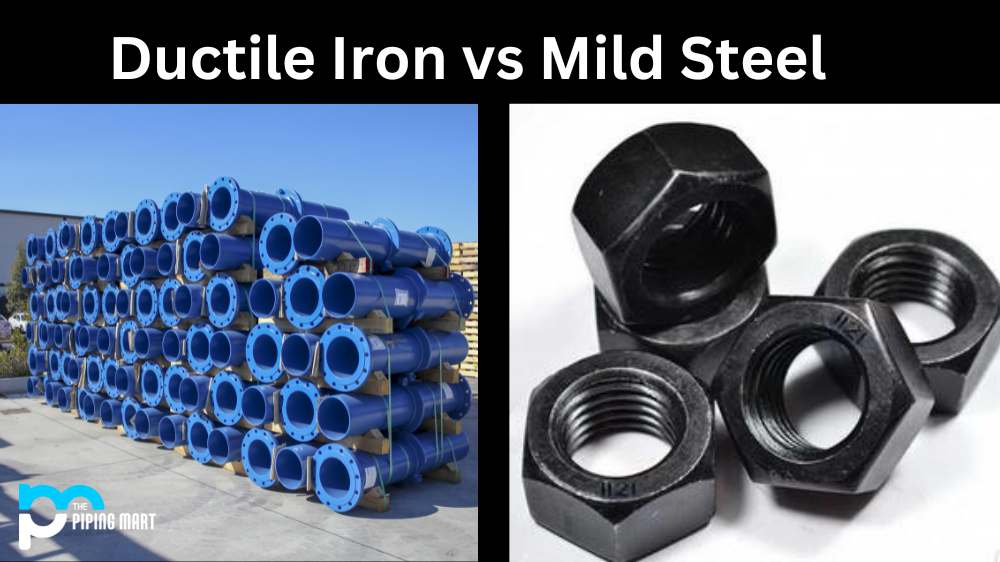
Production Process: From CAD to Finished Part for Ductile Iron and Carbon Steel Components
At Shenzhen Honyo Prototype, our CNC machining workflow for ductile iron and carbon steel components follows a rigorous, integrated path from initial inquiry to certified finished part. This structured approach ensures material-specific challenges are addressed proactively, minimizing risk and maximizing yield. The core sequence is AI-Powered Quoting, Material-Optimized Design for Manufacturability (DFM), and Precision Production.
The process initiates with our AI-Powered Quoting engine. Clients submit CAD models (STEP, IGES, Parasolid), which our system analyzes alongside selected material (ductile iron ASTM A536 grade 65-45-12 or carbon steel AISI 1045 common). The AI cross-references geometric complexity, required tolerances, surface finishes, and critical material properties against our extensive historical production database. Crucially, it factors in material-specific machining characteristics: ductile iron’s abrasive graphite nodules demanding specialized tooling and lower speeds versus carbon steel’s generally higher machinability but potential need for stress relief pre-machining. This generates an accurate, data-driven cost and timeline estimate within hours, highlighting potential material-driven cost drivers early.
Following quote acceptance, the Material-Optimized DFM phase is paramount. Our engineering team conducts a deep dive, focusing on how the chosen material impacts manufacturability. For ductile iron castings, DFM scrutinizes wall thickness uniformity to prevent shrinkage, evaluates the feasibility of tight tolerances given casting variability, and assesses optimal machining allowances considering the material’s notch sensitivity. For carbon steel forgings or bar stock, DFM verifies heat treatment requirements (e.g., quench & temper for 1045) and checks for features prone to distortion during machining or heat treat. We provide specific, actionable feedback: recommending tolerance relaxations on non-critical ductile iron features, suggesting stress-relief cycles for complex carbon steel parts, or advising on optimal stock removal sequences. This collaborative step prevents costly revisions post-CAM programming.
Production leverages the insights from quoting and DFM. CNC programs are generated using material-specific parameters validated through our process library. Machining ductile iron mandates rigid setups, positive rake geometries, lower SFM, and controlled feed rates to manage chip formation and tool wear from the graphite phase. Carbon steel machining allows higher productivity but requires vigilance on built-up edge and potential work hardening; parameters are adjusted based on the specific grade’s hardness. In-process inspections verify critical dimensions after roughing and before finishing. Final inspection includes dimensional verification per drawing, surface roughness checks (Ra), and material certification traceability. All parts undergo rigorous first-article inspection before full batch release.
Material selection fundamentally shapes the CNC workflow. Understanding the distinct behaviors of ductile iron and carbon steel during machining is critical for efficiency and quality. Our integrated process ensures these differences are engineered into every step.
Key Material Properties Influencing CNC Process
| Property | Ductile Iron (ASTM A536 65-45-12) | Carbon Steel (AISI 1045) |
| :———————- | :——————————– | :———————– |
| Tensile Strength (MPa) | 448 | 570 (Annealed) |
| Yield Strength (MPa) | 276 | 310 (Annealed) |
| Elongation (%) | 12 | 16 (Annealed) |
| Brinell Hardness (BHN) | 149-187 | 163-207 (Annealed) |
| Machinability Rating | Fair (40-50%) | Good (60-70%) |
| Primary Machining Risk | Graphite-induced tool wear | Built-up edge, distortion|
Typical CNC Machining Parameters
| Parameter | Ductile Iron (Roughing) | Carbon Steel 1045 (Roughing) |
| :—————– | :———————- | :————————— |
| Cutting Speed (SFM) | 150-250 | 250-400 |
| Feed Rate (mm/rev) | 0.20-0.35 | 0.25-0.45 |
| Depth of Cut (mm) | 2.0-4.0 | 2.5-5.0 |
| Coolant Requirement | Essential (Flood) | Essential (Flood) |
| Tool Coating | TiCN, AlTiN | TiAlN |
Start Your Project
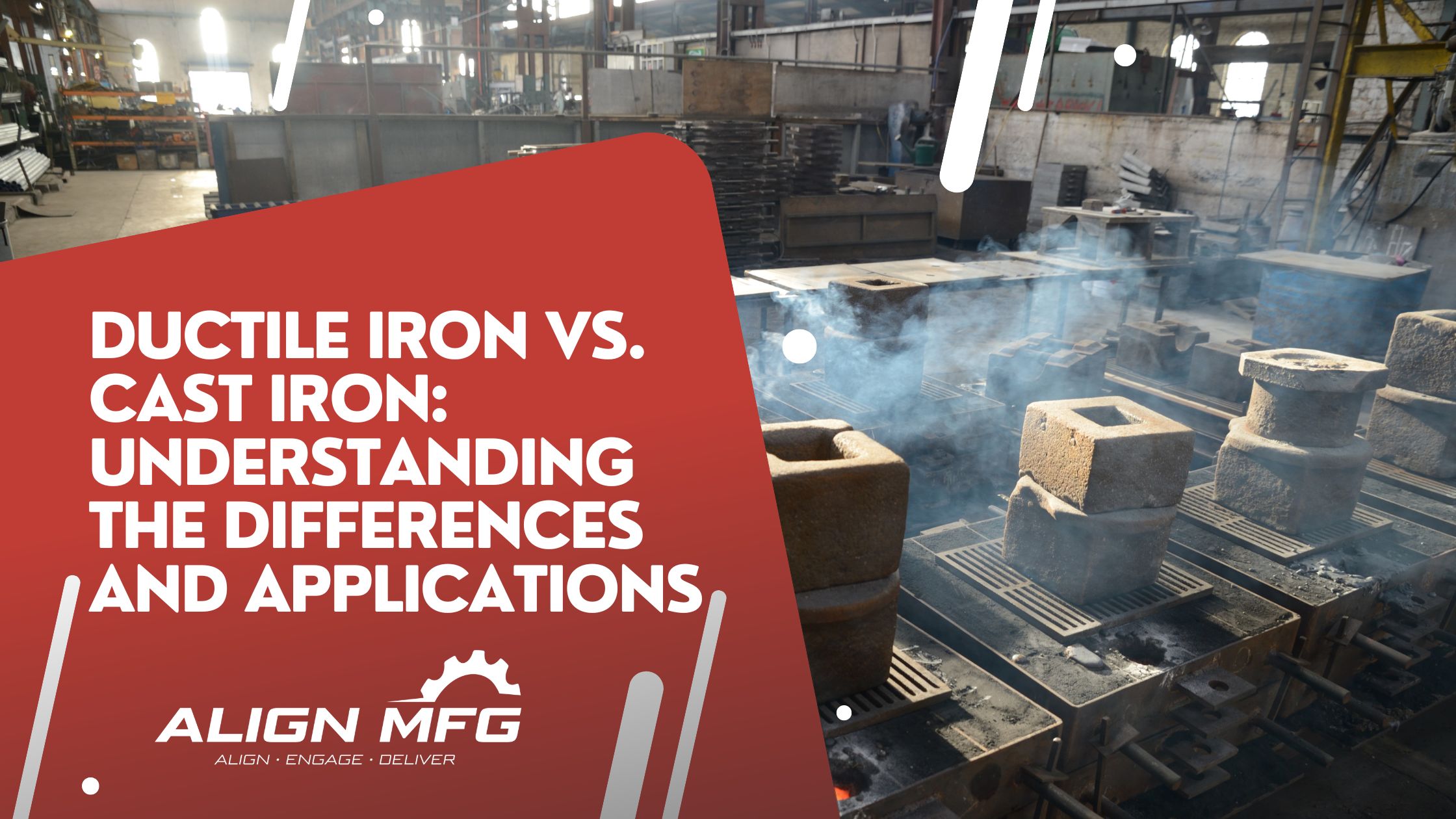
Choosing Between Ductile Iron and Carbon Steel for CNC Machining Projects
When launching a precision CNC machining project, selecting the right material is critical to achieving optimal performance, durability, and cost-efficiency. At Shenzhen Honyo Prototype, we specialize in high-accuracy machining of both ductile iron and carbon steel, helping engineers and product designers make informed decisions based on mechanical requirements, environmental conditions, and production goals.
Ductile iron and carbon steel are two of the most widely used ferrous materials in industrial applications. While both offer high strength and wear resistance, their metallurgical properties differ significantly, influencing machinability, fatigue resistance, and structural behavior.
Ductile iron, also known as nodular cast iron, contains spherical graphite nodules that provide superior impact resistance and elongation compared to gray iron. This makes it ideal for components subjected to dynamic loading, such as automotive suspension parts, pump housings, and valve bodies. Its excellent damping capacity and low notch sensitivity further enhance performance in high-vibration environments.
Carbon steel, on the other hand, offers a broader range of strength and hardness through heat treatment and carbon content variation. Grades such as 1045 and 4140 are commonly machined for shafts, gears, and structural components where tensile strength and surface hardness are paramount. Carbon steel typically exhibits better weldability and dimensional stability during heat treatment, making it suitable for fabricated or case-hardened parts.
Below is a comparative overview of key mechanical properties:
| Property | Ductile Iron (ASTM A536 65-45-12) | Carbon Steel (AISI 1045) | Carbon Steel (AISI 4140) |
|—————————–|———————————–|————————–|————————–|
| Tensile Strength (MPa) | 450 | 570 | 655 |
| Yield Strength (MPa) | 275 | 310 | 415 |
| Elongation at Break (%) | 12 | 16 | 25 |
| Hardness (HB) | 170–190 | 170–210 | 190–220 |
| Machinability Rating | Good | Very Good | Moderate |
| Typical Applications | Housings, brackets, manifolds | Shafts, spindles | Gears, tooling |
While both materials are compatible with CNC turning, milling, and drilling processes, tool selection, cutting speeds, and coolant strategies must be optimized for each. Ductile iron can produce stringy chips and requires sharp, wear-resistant tooling, whereas carbon steel—especially in higher carbon grades—can lead to rapid tool wear if not machined with appropriate parameters.
At Honyo Prototype, our engineering team supports clients from material selection through final inspection, ensuring that every machined component meets exact design specifications. We leverage advanced CNC equipment and in-house metallurgical analysis to deliver prototypes and low-volume production parts with tight tolerances and consistent quality.
Start Your Project with Expert Guidance
Choosing between ductile iron and carbon steel should never be a compromise—it should be a strategic decision backed by technical insight. Contact Susan Leo at Shenzhen Honyo Prototype to discuss your project requirements. With over a decade of experience in precision machining, we provide tailored material recommendations, rapid prototyping, and scalable production solutions.
Reach out today at info@hy-proto.com and let us help you build smarter, stronger, and faster.
🚀 Rapid Prototyping Estimator
Get a rough estimate for CNC/3D Printing costs.