
Contents
Manufacturing Insight: Cnc Router Acrylic
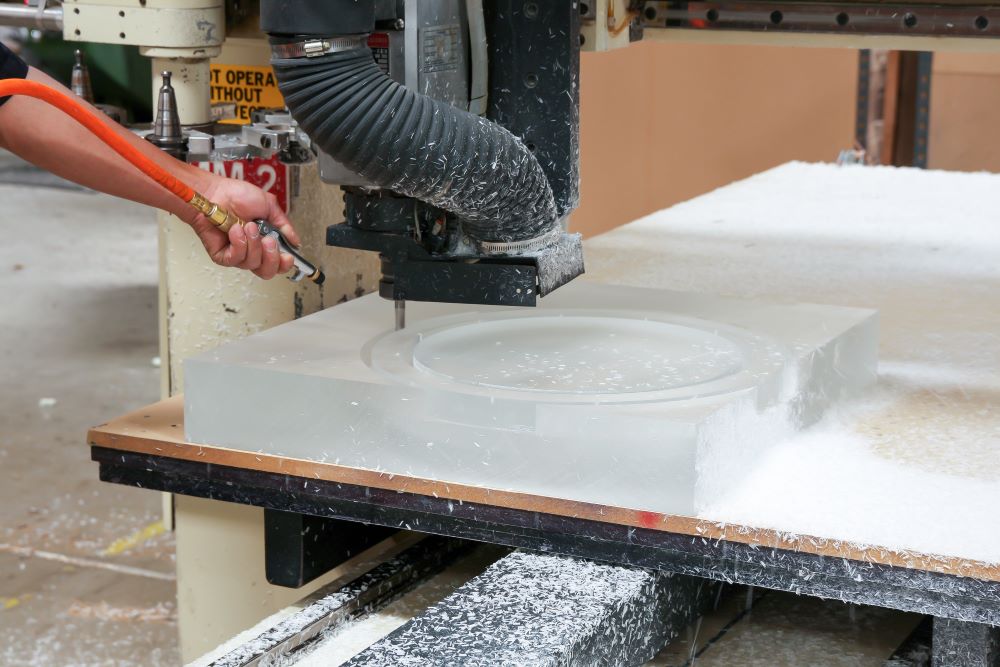
Precision Acrylic Fabrication: CNC Routing Capabilities at Honyo Prototype
Acrylic (PMMA) remains a cornerstone material for prototyping and low-volume production due to its exceptional optical clarity, weather resistance, and ease of fabrication. However, its thermal sensitivity and propensity for chipping, melting, or generating internal stresses during machining demand specialized CNC routing expertise. At Shenzhen Honyo Prototype, we leverage deep material science understanding and precision engineering to overcome these challenges, delivering dimensionally accurate, optically pristine acrylic components critical for signage, enclosures, displays, and medical devices.
Our dedicated CNC routing process for acrylic begins with rigorous material selection and environmental control. Acrylic sheets are acclimatized within our temperature and humidity-stable facility prior to machining to minimize post-process warping. We deploy optimized toolpath strategies specifically designed for acrylic’s unique properties. This includes high spindle speeds combined with carefully calculated feed rates and depths of cut to prevent heat buildup – the primary cause of melting and micro-cracking. Utilizing sharp, polished single-flute or specialized compression cutters minimizes friction and ensures clean chip evacuation, preventing re-melting on the cut edge. Strategic fixturing is paramount; we employ vacuum tables with precisely machined sacrificial layers or custom soft-jaw clamps to secure the workpiece without inducing stress points that lead to cracking during or after machining.
Honyo Prototype’s investment in advanced 3- and 5-axis CNC routers, coupled with proprietary process parameters, enables us to consistently achieve tight tolerances and superior surface finishes on acrylic parts ranging from thin sheets to thick blocks. Our standard capabilities for acrylic CNC routing are summarized below:
| Parameter | Standard Capability | Precision Capability | Notes |
| :—————– | :—————— | :——————- | :————————————- |
| Material Thickness | 1.5mm – 100mm | 1.5mm – 75mm | Optimal results within 3mm – 50mm range |
| Tolerance (±) | 0.1mm | 0.05mm | Depends on geometry, thickness, grade |
| Surface Finish | Ra 1.6µm | Ra 0.8µm | As-machined edge; polishable further |
| Max Work Envelope | 1300 x 2500 x 200mm | 1300 x 2500 x 200mm | Per machine bed size |
| Lead Time (Typical)| 3-5 Days | 5-7 Days | Varies with complexity & quantity |
Beyond the core machining operation, Honyo integrates essential post-processing seamlessly. This includes meticulous edge de-burring and polishing to achieve optical clarity, controlled solvent bonding for complex assemblies, and laser engraving for precise markings – all performed in-house under stringent quality control. Our engineers collaborate closely with clients during the Design for Manufacturability (DFM) phase, providing actionable feedback on geometry, wall thickness, and feature placement to optimize acrylic part performance and manufacturability from the outset.
Choosing Honyo Prototype for acrylic CNC routing means partnering with a manufacturer that treats material-specific process control as non-negotiable. We transform the inherent challenges of acrylic machining into opportunities for delivering components that meet the highest standards of dimensional accuracy, visual quality, and structural integrity, directly supporting our clients’ success in demanding applications. Our commitment to process excellence ensures your acrylic prototypes and production parts perform exactly as intended.
Technical Capabilities
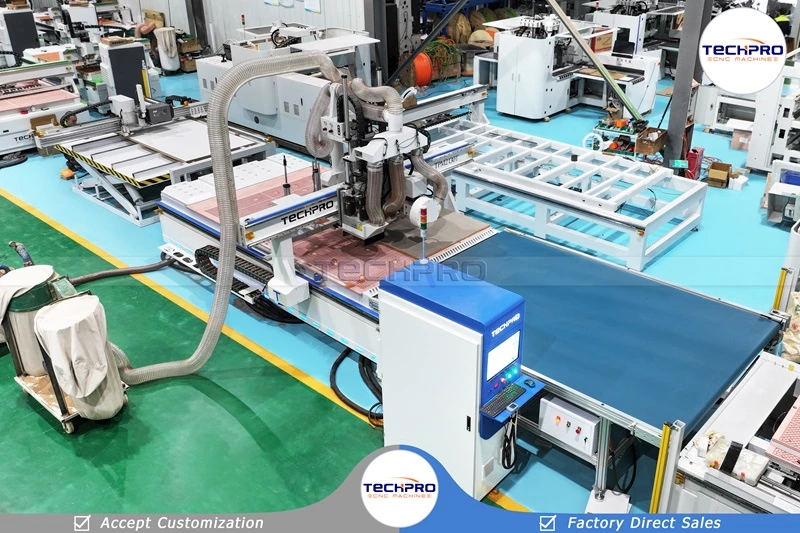
CNC Router Acrylic Manufacturing Capabilities at Shenzhen Honyo Prototype
At Shenzhen Honyo Prototype, our CNC machining division specializes in high-precision fabrication of acrylic components using advanced 3-axis, 4-axis, and 5-axis milling systems. Acrylic, known for its optical clarity, impact resistance, and ease of finishing, is widely used in signage, medical devices, lighting, and architectural models. Our CNC routing processes are optimized to maintain material integrity while achieving tight dimensional accuracy and superior surface quality.
Our 3-axis CNC routers provide efficient, high-speed cutting for flat or 2D-contoured acrylic parts, ideal for prototypes and low-volume production runs. For more complex geometries, including undercuts and compound angles, we employ 4-axis and 5-axis machines that enable multi-sided machining with minimal setup changes. This reduces cumulative error and ensures consistent precision across intricate designs. The rotary axis in 4-axis configurations allows for cylindrical contouring, while full 5-axis simultaneous motion supports freeform shaping, commonly required in aerospace and design applications.
All acrylic machining operations are performed under controlled feed rates and spindle speeds to prevent melting or chipping, common challenges due to acrylic’s low thermal conductivity. We use specialized carbide tooling with polished flutes to reduce friction and improve chip evacuation. Parts are fixtured using vacuum tables or soft-jaw clamping systems to avoid surface marring while maintaining rigidity during cutting.
Shenzhen Honyo Prototype maintains tight process control to achieve precision tolerances across all axis configurations. Standard tolerances are held to ±0.05 mm, with the capability to achieve ±0.025 mm on critical features when required. These capabilities are supported by in-house metrology, including coordinate measuring machines (CMM) and optical comparators, ensuring full compliance with engineering specifications.
We work with a range of acrylic materials, including standard cast acrylic (PMMA), extruded acrylic, and impact-modified variants. Each material is evaluated for machinability, thermal behavior, and end-use requirements such as UV resistance or optical grade clarity.
The following table outlines our standard material and tolerance specifications for CNC router acrylic machining:
| Material Type | Form | Available Thickness Range | Standard Tolerance (mm) | Tight Tolerance Capability (mm) | Common Applications |
|———————–|—————-|—————————-|————————–|———————————-|———————————–|
| Cast Acrylic (PMMA) | Sheet/Rod | 1.5 – 100 mm | ±0.05 | ±0.025 | Optical components, displays |
| Extruded Acrylic | Sheet | 2 – 50 mm | ±0.05 | ±0.03 | Signage, enclosures |
| Impact-Modified Acrylic | Sheet | 3 – 40 mm | ±0.05 | ±0.03 | Protective barriers, machinery |
| Colored/Transparent Acrylic | Sheet | 2 – 60 mm | ±0.05 | ±0.025 | Architectural models, lighting |
All acrylic components undergo post-machining inspection and optional finishing services, including flame polishing, buffing, or laser engraving, to meet aesthetic and functional requirements. Shenzhen Honyo Prototype delivers rapid turnaround times without compromising precision, making us a trusted partner for industries requiring high-quality acrylic prototypes and production parts.
From CAD to Part: The Process
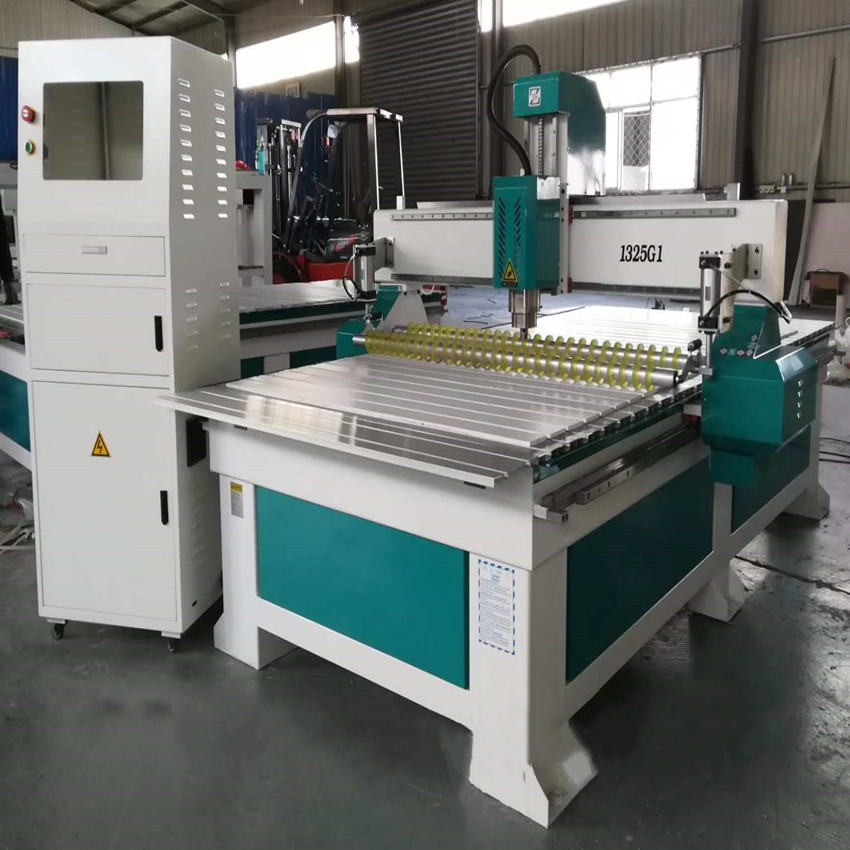
CNC Router Acrylic Production Workflow: From CAD to Finished Part
At Shenzhen Honyo Prototype, our CNC routing process for acrylic components follows a rigorously defined workflow designed for precision, efficiency, and first-pass yield. This seamless integration from digital design to physical part ensures consistent quality for demanding prototyping and low-volume production applications. The journey begins upon receipt of a validated 3D CAD model, typically in STEP, IGES, or native SolidWorks formats. Our proprietary AI-powered quoting system immediately analyzes the geometry, material specification (e.g., cast vs. extruded acrylic), and requested tolerances. This system cross-references vast historical production data against machine capabilities and material behavior to generate an accurate, detailed quote within minutes, including precise lead time estimation and cost breakdown, eliminating manual interpretation delays.
The critical next phase is Design for Manufacturability (DFM) analysis. Our engineering team, utilizing specialized CAM simulation software integrated with our machine library, conducts a thorough review. Key focus areas for acrylic include verifying minimum wall thicknesses to prevent flexing or breakage during machining, assessing undercuts and complex geometries for feasible tool access, confirming hole diameters relative to material thickness to avoid cracking, and evaluating surface finish requirements against achievable router capabilities. We specifically check for potential thermal stress points where excessive feed rates or improper toolpaths could generate heat, leading to melting or micro-cracking in the thermoplastic acrylic. Any potential manufacturability concerns are communicated directly to the client with actionable recommendations before production commences, preventing costly revisions later.
Upon DFM sign-off, production initiates with meticulous machine preparation. The selected high-precision CNC router (typically 3-axis or 4-axis) undergoes a full calibration check. Material selection is critical; cast acrylic is preferred for machining due to its superior thermal stability and clarity compared to extruded. The acrylic sheet is securely fixtured using vacuum tables or non-marring mechanical clamps to prevent vibration and ensure flatness, minimizing the risk of chatter marks. Tool selection is paramount: sharp, polished single-flute or compression spiral end mills in solid carbide are standard, optimized for clean chip evacuation and minimal heat generation in acrylic. The CAM-generated toolpath is rigorously simulated offline to verify collision avoidance and optimal spindle speeds and feeds.
Execution involves controlled routing parameters strictly adhering to acrylic-specific requirements. Cooling is achieved solely through optimized air blast or vacuum chip evacuation; liquid coolants are strictly avoided as they can craze or cloud acrylic. The machine operator performs a first-article inspection against the CAD model and critical dimensions before full batch production. Throughout machining, continuous monitoring ensures parameters remain stable, safeguarding the optical clarity and dimensional accuracy inherent to quality acrylic components. Final parts undergo deburring with specialized non-marring techniques and thorough visual inspection for surface integrity before packaging.
Key Acrylic CNC Routing Parameters at Honyo Prototype
| Parameter | Typical Range for Acrylic | Critical Consideration |
| :—————– | :———————— | :———————————– |
| Spindle Speed (RPM)| 12,000 – 24,000 | Lower RPM for thicker material; avoid excessive heat |
| Feed Rate (mm/min) | 1,500 – 4,000 | Must balance chip load to prevent melting or chipping |
| Depth of Cut (mm) | 0.5 – 2.0 (per pass) | Shallow passes essential for clarity and edge quality |
| Tool Type | Single Flute Carbide | Optimized for chip evacuation; sharpness critical |
| Coolant | Air Blast / Vacuum Only | Liquid coolants cause crazing/clouding; never used |
This integrated workflow, combining AI efficiency, expert DFM, and disciplined acrylic-specific machining protocols, ensures Shenzhen Honyo Prototype delivers dimensionally accurate, optically clear acrylic components with exceptional surface finish, meeting the stringent requirements of our global engineering partners.
Start Your Project
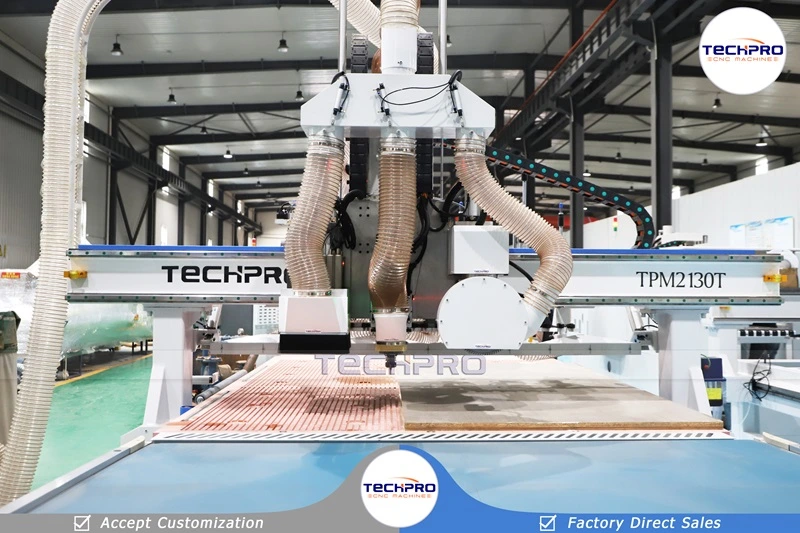
Start Your CNC Router Acrylic Project with Precision and Confidence
When it comes to prototyping or low-volume production of acrylic components, CNC router machining offers unmatched precision, repeatability, and surface quality. At Shenzhen Honyo Prototype, we specialize in CNC-machined acrylic parts tailored to your exact specifications. Whether you’re developing signage, display units, medical enclosures, or engineering prototypes, our advanced CNC routing technology ensures tight tolerances, clean edges, and optical clarity—critical for high-performance acrylic applications.
Our facility in Shenzhen is equipped with high-speed CNC routers optimized for acrylic materials, including PMMA, cast, and extruded sheets. We understand that acrylic is sensitive to heat and tool pressure, which is why our machining parameters are carefully calibrated to prevent melting, chipping, or stress cracking. With decades of experience in precision plastic machining, our team applies industry-best practices in tool selection, feed rates, and fixturing to deliver parts that meet both functional and aesthetic requirements.
We support a wide range of acrylic thicknesses and geometries, from simple flat cuts to complex 3D contours and intricate engravings. Post-processing options such as flame polishing, buffing, or laser edge treatment are available to achieve a glass-like finish, enhancing the visual appeal of transparent components. All work is performed in a controlled environment to minimize contamination and ensure dimensional stability.
To ensure the highest quality outcome, we recommend providing detailed CAD files (in STEP, IGES, or DWG format) along with specific requirements such as finish type, color, and tolerance. Our engineering team will conduct a comprehensive Design for Manufacturability (DFM) review and provide feedback to optimize your design for efficient and cost-effective production.
Material & Machining Specifications
| Parameter | Specification |
|—————————-|—————————————————-|
| Material Types | PMMA (Cast & Extruded), Acrylic Sheets |
| Thickness Range | 1.5 mm – 100 mm |
| Tolerance | ±0.1 mm (standard), tighter upon request |
| Surface Finish | As-machined, Polished, Matte, or Flame-polished |
| Maximum Work Envelope | 1200 mm × 2400 mm × 200 mm |
| Lead Time | 3–7 working days (standard), expedited available |
| File Formats Accepted | STEP, IGES, DWG, DXF, PDF (with dimensions) |
Every project begins with a technical consultation to align on your goals, timelines, and quality expectations. We believe clear communication is the foundation of successful manufacturing partnerships.
Ready to bring your acrylic component to life? Contact Susan Leo, our dedicated project manager, to discuss your requirements, request a quote, or schedule a DFM review. With Shenzhen Honyo Prototype, you gain a reliable partner committed to precision, speed, and technical excellence in CNC acrylic machining.
Contact Susan Leo
Email: info@hy-proto.com
Let’s start your project today.
🚀 Rapid Prototyping Estimator
Get a rough estimate for CNC/3D Printing costs.