
Contents
Manufacturing Insight: Cnc Water Jet Cutting Machine Price
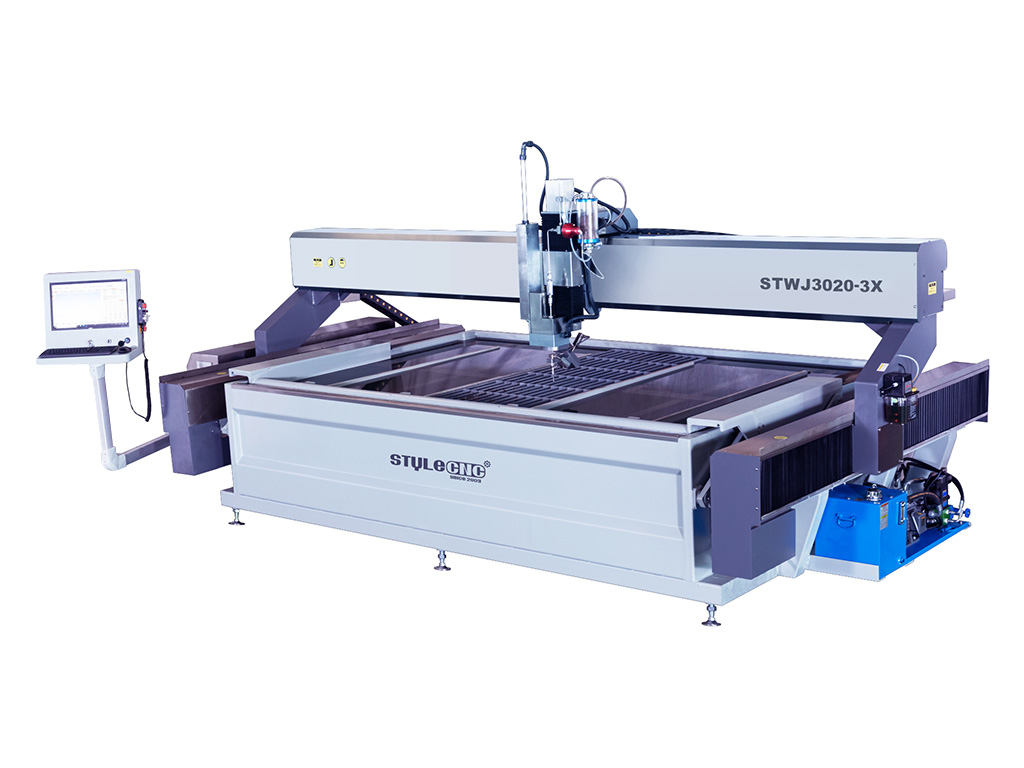
Manufacturing Insight: Understanding CNC Water Jet Cutting Service Pricing
CNC water jet cutting remains a critical non-thermal subtractive manufacturing process, leveraging ultra-high-pressure water streams (often mixed with abrasive garnet) to cut virtually any material without heat-affected zones. This capability is indispensable for precision prototypes and low-volume production involving sensitive materials like titanium, composites, glass, or laminates where thermal distortion from lasers or plasma is unacceptable. At Shenzhen Honyo Prototype, we deploy industrial-grade water jet systems with pressures up to 90,000 PSI and precision motion control to achieve tolerances consistently within ±0.1 mm. Understanding the variables influencing service costs is essential for informed project planning, as the price per part reflects far more than basic machine operation.
Key factors dynamically shaping project costing include material properties, geometric complexity, dimensional accuracy requirements, and production volume. Thicker or harder materials consume more abrasive and machine time, while intricate contours or tight tolerances necessitate slower traverse speeds and potential secondary operations. Below outlines primary cost drivers and Honyo’s approach to value optimization:
| Parameter | Impact on Cost | Honyo’s Optimization Approach |
|————————|—————————————–|————————————————–|
| Material Thickness | Higher thickness increases cut time and abrasive consumption | Advanced nesting software minimizes path length; adaptive pressure control |
| Material Hardness | Harder materials (e.g., tool steel) require more abrasive | Precision abrasive metering systems reduce waste; material-specific parameter libraries |
| Geometric Complexity | Intricate features slow cutting speed | Automated feature recognition optimizes toolpaths; skilled programming |
| Tolerance Requirements | Tighter tolerances (e.g., <±0.05mm) may require secondary finishing | In-process metrology validation; kerf width compensation algorithms |
| Production Volume | Low volumes have higher per-part setup costs | Rapid fixturing systems; shared machine time for compatible jobs |
Honyo Prototype transcends being a mere service provider by integrating engineering expertise into the quoting and manufacturing process. Our team collaborates early with clients to review DFM considerations specific to water jet cutting, such as strategic part orientation to minimize dross or optimizing internal corner radii to reduce machining time. We utilize proprietary cost-modeling algorithms that account for real-time abrasive pricing, machine utilization rates, and labor efficiency, ensuring transparent and competitive pricing without hidden fees. This engineering-led approach consistently delivers cost savings of 15-25% compared to standard service quotations through reduced material waste and optimized machine runtime.
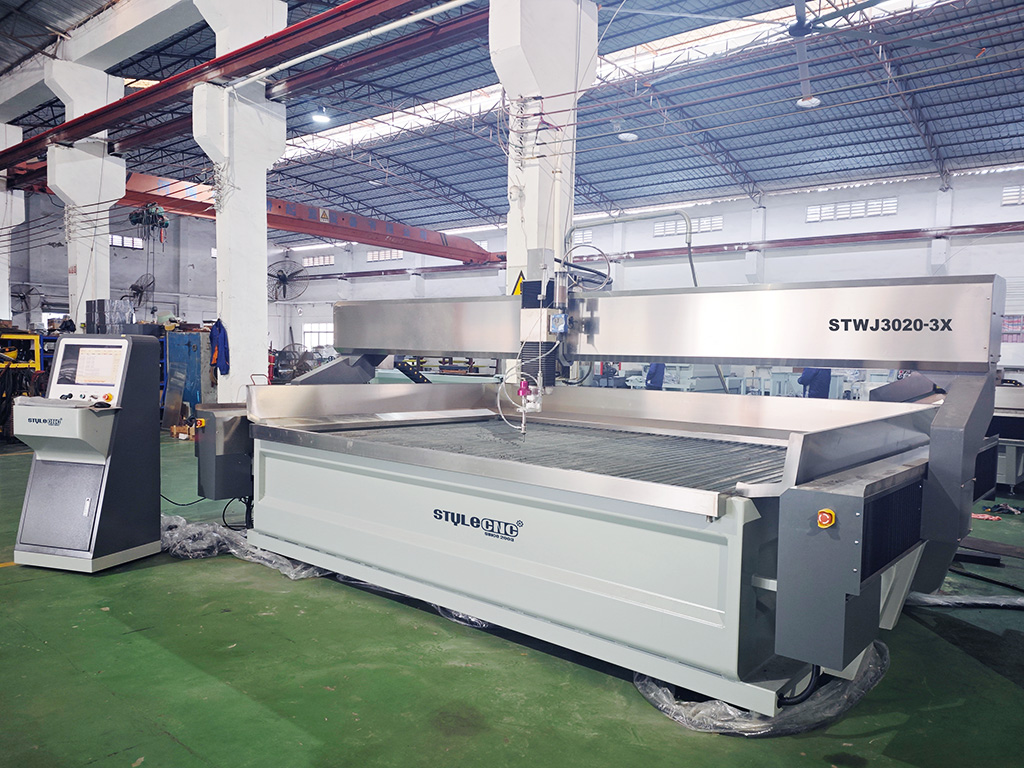
Our facility maintains multiple water jet workcells with cutting envelopes up to 4m x 2m, supporting rapid prototyping through to medium-volume production. We specialize in challenging applications including multi-layer composites, refractory metals, and fragile ceramics—materials where alternative processes fail. By leveraging our technical depth in process physics and operational efficiency, Honyo transforms water jet cutting from a cost center into a strategic advantage for clients demanding uncompromised material integrity and geometric precision. Contact our engineering team to discuss how our tailored water jet solutions can meet your specific project requirements and budget constraints.
Technical Capabilities
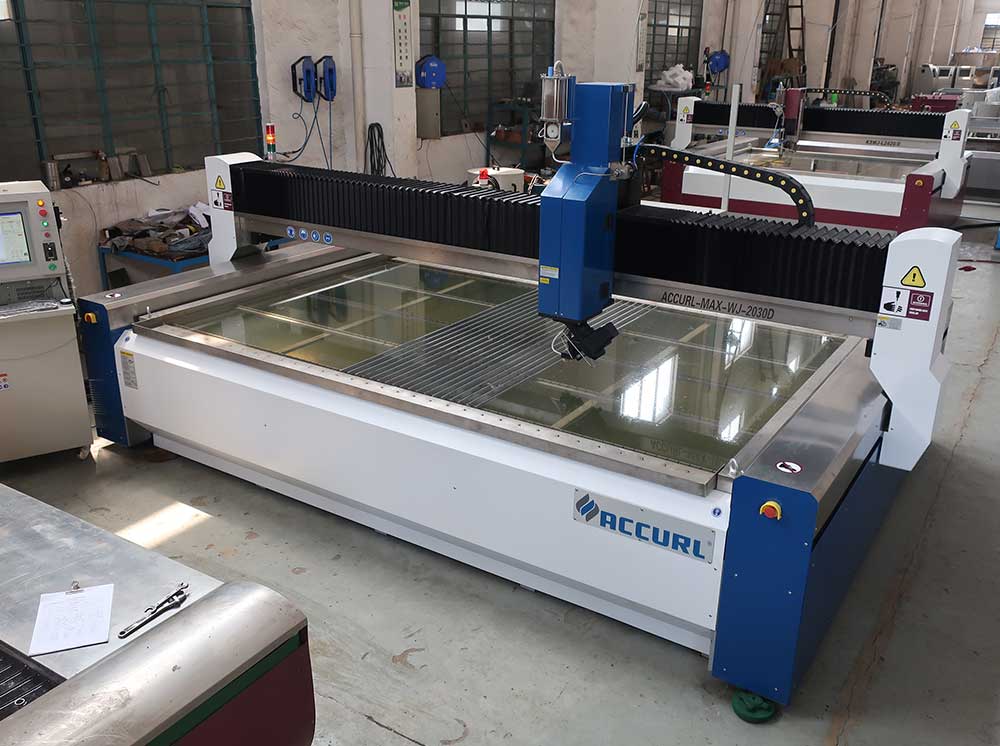
CNC Water Jet Cutting Machine Capabilities at Shenzhen Honyo Prototype
At Shenzhen Honyo Prototype, our advanced CNC water jet cutting machines deliver high-precision fabrication for complex components across a broad range of industrial applications. Unlike traditional thermal cutting methods, our water jet systems utilize an ultra-high-pressure stream of water—often mixed with abrasive particles—to erode material without generating heat-affected zones. This cold-cutting process ensures dimensional stability, making it ideal for materials sensitive to thermal distortion. Our fleet supports 3-axis, 4-axis, and 5-axis configurations, enabling multi-directional cutting paths for intricate geometries and compound angles, especially in prototyping and low-volume production environments.
Our 5-axis CNC water jet systems offer rotational and tilting capabilities, allowing for beveled edges, tapered features, and complex contours in a single setup. This reduces handling errors and enhances overall accuracy. These systems are integrated with state-of-the-art CAD/CAM software, ensuring seamless translation from design to production with minimal lead time. With cutting pressures reaching up to 90,000 psi, our machines maintain consistent kerf widths and clean edge finishes across diverse materials.
Precision is central to our operations. We achieve tight tolerances down to ±0.005 mm for critical features, depending on material thickness and geometry. This capability supports industries requiring high repeatability, such as aerospace, medical devices, and precision instrumentation. Our engineering team performs rigorous in-process inspections using coordinate measuring machines (CMM) and laser scanning to verify compliance with technical drawings and GD&T specifications.
The versatility of our CNC water jet cutting services extends to a wide range of materials, including metals, composites, ceramics, and polymers. The absence of thermal input prevents material hardening or warping, preserving the inherent properties of sensitive alloys and laminates. We routinely process hardened tool steels, titanium, aluminum, Inconel, acrylic, and even layered composites without delamination.
Below is a summary of achievable tolerances and compatible materials:
| Material Category | Examples | Max Thickness (mm) | Typical Tolerance (± mm) | Notes |
|——————-|——–|——————–|————————–|——-|
| Metals | Stainless Steel, Aluminum, Titanium, Inconel | 200 | 0.05 – 0.1 | No HAZ, ideal for heat-sensitive alloys |
| Plastics | Acrylic, Polycarbonate, PEEK, UHMW | 150 | 0.05 | Excellent edge quality, no melting |
| Composites | Carbon Fiber, Fiberglass, Kevlar | 100 | 0.1 | Cold process prevents delamination |
| Ceramics | Alumina, Zirconia | 25 | 0.1 – 0.2 | Brittle materials handled with precision |
| Exotics | Tungsten, Molybdenum | 75 | 0.1 | High-density materials cut efficiently |
Shenzhen Honyo Prototype combines cutting-edge CNC water jet technology with deep manufacturing expertise to deliver precise, repeatable, and cost-effective solutions. Whether for rapid prototyping or bridge production, our capabilities support demanding engineering requirements with consistent quality and fast turnaround.
From CAD to Part: The Process
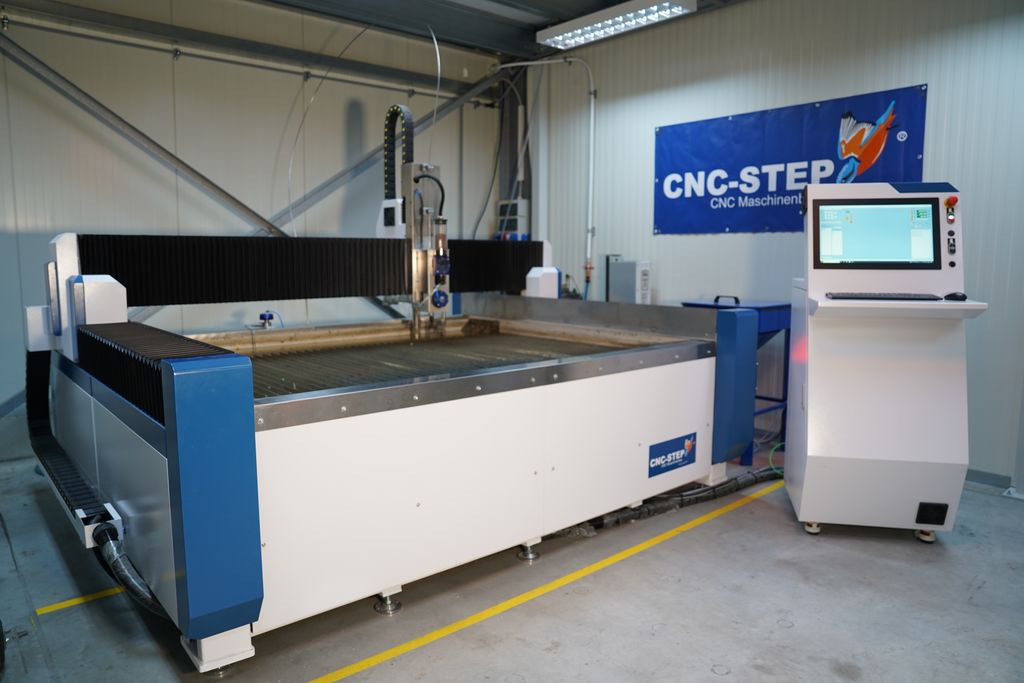
From CAD to Precision Part: CNC Water Jet Cutting Workflow at Shenzhen Honyo Prototype
At Shenzhen Honyo Prototype, our CNC water jet cutting process transforms client CAD files into high-precision physical components through a rigorously defined workflow, ensuring optimal quality and cost efficiency. This structured approach begins with AI-powered quotation and extends through critical validation to final production, directly influencing project viability and machine utilization costs.
The workflow initiates with the AI Quote Phase. Upon receiving a validated CAD file (STEP, IGES, DXF), our proprietary AI engine performs rapid geometric analysis. It calculates critical cost drivers: total cut length, material type and thickness, required tolerances, and part complexity including nested geometry. Crucially, it factors in water jet specific parameters such as abrasive consumption rates, pump pressure settings, and anticipated machine runtime based on kinematic path optimization. This generates a highly accurate preliminary cost estimate, providing immediate transparency on how design choices impact the final CNC water jet cutting machine price before physical work commences.
Following quote acceptance, the Design for Manufacturability (DFM) Review becomes paramount. Our engineering team conducts a detailed analysis focused on water jet capabilities and limitations. Key considerations include verifying minimum feature sizes against the abrasive jet kerf (typically 0.030″ – 0.040″), assessing taper effects on thick materials requiring dynamic head compensation, confirming material compatibility (e.g., avoiding laminated composites prone to delamination), and optimizing part nesting to maximize sheet utilization and minimize sludge disposal costs. This phase identifies potential issues like excessive pierce points or sharp internal corners causing stream lag, proposing design refinements that prevent costly rework and machine downtime, directly protecting the project budget.
Only after DFM sign-off does Production Execution commence. The approved CAD file is imported into our Mastercam-based programming suite. Technicians define precise cutting parameters: pump pressure (typically 55,000 – 90,000 PSI), abrasive garnet type and flow rate (80 mesh standard, 120 mesh for fine detail), jet traverse speed, and pierce height/duration. Kerf compensation is meticulously applied. The machine controller executes the optimized toolpath, with real-time monitoring of pressure stability, abrasive feed, and cut quality. Post-cut, parts undergo dimensional verification against the original CAD model.
The following table summarizes critical production parameters influencing throughput and cost:
| Parameter | Typical Range | Impact on Cost & Output |
| :—————– | :—————————- | :—————————————— |
| Material Thickness | 0.06″ to 8.0″ (Steel) | Speed ↓ 60% as thickness doubles; abrasive use ↑ |
| Traverse Speed | 1-20 IPM (varies by thickness)| Higher speed = lower cost per part |
| Abrasive Flow Rate | 0.6 – 1.2 lbs/min | Higher flow = faster cut but ↑ material cost |
| Tolerance | ±0.005″ (thin) to ±0.020″ (thick) | Tighter tolerance = slower speed = ↑ cost |
| Pump Pressure | 55k – 90k PSI | Higher pressure = faster cut on thick material |
This integrated workflow—from AI-driven cost insight through water jet-specific DFM to parameter-optimized production—ensures Shenzhen Honyo Prototype delivers complex parts with minimal waste and predictable pricing. Understanding how design decisions propagate through each phase is fundamental to controlling the true CNC water jet cutting machine price for your project.
Start Your Project
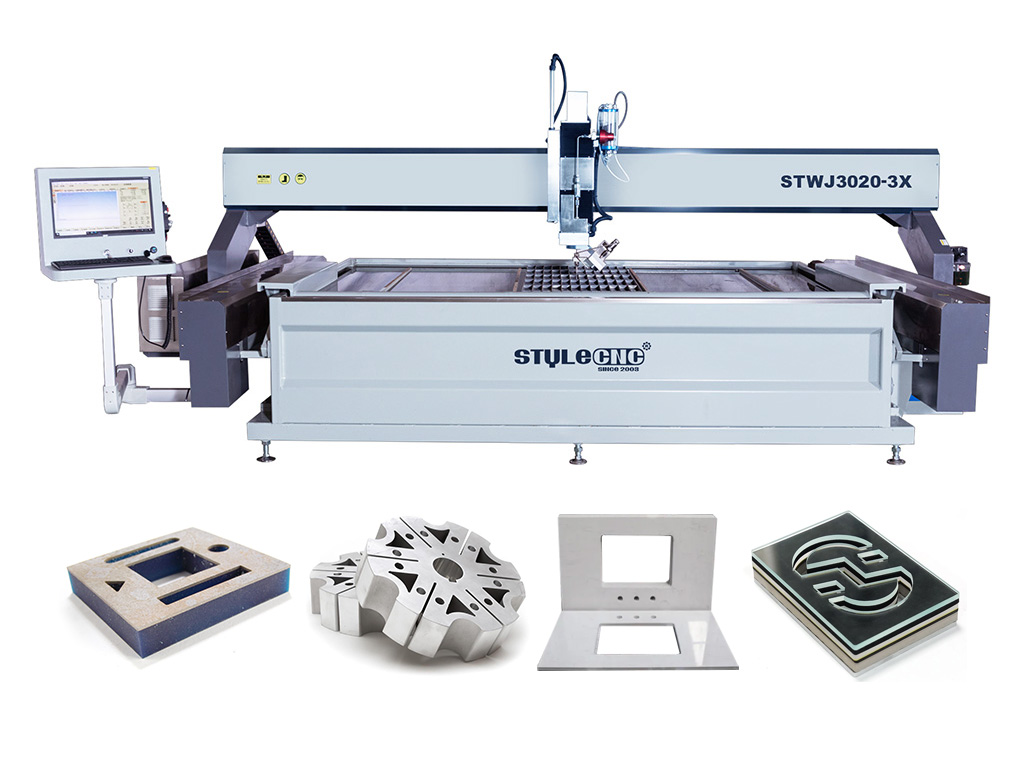
Start Your Project with Precision CNC Water Jet Cutting at Competitive Pricing
When it comes to manufacturing prototypes or production parts requiring high precision and material versatility, CNC water jet cutting stands out as a top-tier solution. At Shenzhen Honyo Prototype, we specialize in delivering high-quality water jet cutting services tailored to meet the exact needs of engineers, designers, and product developers across industries. Whether you’re working with metals, composites, ceramics, or heat-sensitive materials, our state-of-the-art CNC water jet systems ensure clean, burr-free cuts with tight tolerances—without altering the material’s structural integrity.
Understanding the cost of CNC water jet cutting is essential for project planning and budgeting. While machine prices can vary significantly based on configuration, pressure output, and automation level, our service model eliminates the need for capital investment. We offer affordable, on-demand water jet cutting, allowing you to access industrial-grade equipment and expert engineering support without the overhead. This makes Honyo the ideal partner for both low-volume prototyping and medium-scale production runs.
Our facility in Shenzhen is equipped with advanced multi-axis water jet systems capable of handling complex geometries and thick materials with consistent accuracy. We focus on fast turnaround times, strict quality control, and seamless communication to keep your project moving forward efficiently.
Below are key specifications of our CNC water jet cutting capabilities:
| Feature | Specification |
|—————————-|———————————————–|
| Cutting Method | Pure and Abrasive Water Jet |
| Max Cutting Thickness | Up to 200 mm (abrasive mode) |
| Pressure Range | 55,000 – 60,000 PSI |
| Tolerance | ±0.1 mm (typical) |
| Materials Supported | Steel, Aluminum, Titanium, Stone, Glass, Plastics, Composites |
| Max Work Envelope | 4000 mm × 2000 mm |
| Software Compatibility | DXF, DWG, STEP, IGES, SolidWorks, AutoCAD |
| Lead Time | As fast as 3–5 working days |
We understand that every project has unique requirements. Our engineering team works closely with clients to optimize part design, select appropriate materials, and determine the most cost-effective manufacturing approach. From initial concept to final cut, we ensure precision, reliability, and value.
Ready to bring your design to life? Contact Susan Leo today to discuss your CNC water jet cutting needs. Whether you’re requesting a quote, technical consultation, or project review, we’re here to support your success.
Susan Leo
Business Development Manager
Shenzhen Honyo Prototype
Email: info@hy-proto.com
Send your CAD files or sketches to receive a fast, detailed quotation. Let Honyo be your trusted partner in precision manufacturing.
🚀 Rapid Prototyping Estimator
Get a rough estimate for CNC/3D Printing costs.