
Contents
Manufacturing Insight: Custom Iron Castings
Manufacturing Insight: Custom Iron Castings
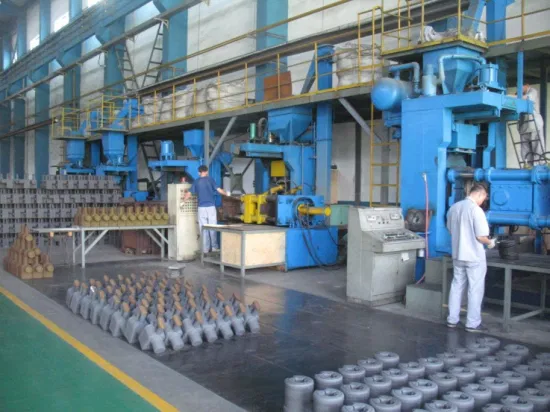
Custom iron castings form a critical foundation for durable mechanical components across automotive, industrial machinery, and energy sectors. At Shenzhen Honyo Prototype, we specialize in transforming complex iron casting designs into high-integrity prototypes and low-to-mid volume production parts. Our integrated approach bridges traditional foundry expertise with precision CNC machining, ensuring castings meet stringent dimensional and performance requirements without outsourcing delays. Iron alloys—particularly gray iron (GG20-GG30) and ductile iron (GGG40-GGG70)—offer exceptional wear resistance, vibration damping, and cost efficiency for structural applications. However, achieving tight tolerances and refined surface finishes demands meticulous process control from pattern creation through final machining.
Honyo’s end-to-end workflow begins with digital pattern design using 3D-printed sand molds for rapid iteration. We employ green sand and resin-bonded sand casting techniques, optimized for prototype flexibility and part complexity. Each casting undergoes rigorous metallurgical analysis to verify microstructure consistency and mechanical properties, including tensile strength (200–450 MPa) and hardness (150–250 HB). Post-casting, our in-house CNC machining centers eliminate secondary supplier dependencies, enabling seamless transition from as-cast geometry to finished components. This vertical integration ensures geometric accuracy unattainable through conventional foundry-only partnerships.
The synergy between casting and machining is where Honyo delivers distinct value. Raw castings often require precision boring, milling, or threading to meet functional specifications. By controlling both phases, we minimize cumulative tolerances, reduce lead times by 30%, and maintain full traceability. For instance, a hydraulic manifold casting might arrive with ±1.0 mm dimensional variance; our 5-axis CNC processes refine critical ports to ±0.05 mm while preserving the casting’s inherent strength. This capability is vital for clients validating designs before committing to high-cost tooling.
Our technical capabilities support demanding prototyping and production scenarios, as summarized below:
| Parameter | Capability Range | Industry Standard Context |
|————————–|————————————–|———————————|
| Max Casting Weight | 5 kg – 500 kg | Ideal for prototyping to small batches |
| Dimensional Tolerance | ±0.5 mm (as-cast), ±0.02 mm (machined) | Exceeds typical sand casting norms |
| Surface Finish (as-cast) | 125–250 μin Ra | Machining achieves 32 μin Ra |
| Lead Time | 15–25 days (from CAD to finished part)| Includes casting, QC, and machining |
| Material Grades | Gray Iron (GG20-GG30), Ductile Iron (GGG40-GGG70) | Fully certified per ISO 185/EN 1563 |
Shenzhen Honyo Prototype operates under ISO 9001-certified processes, with dedicated metrology labs for CMM validation and non-destructive testing. We prioritize collaboration from the design-for-manufacturability stage, advising on draft angles, rib placement, and machining allowances to prevent defects like porosity or warpage. For engineers requiring iron castings that transition smoothly from concept to functional validation, our combined casting and CNC machining ecosystem delivers reliability, speed, and uncompromised quality—proving that precision in prototyping starts with the foundation.
Technical Capabilities
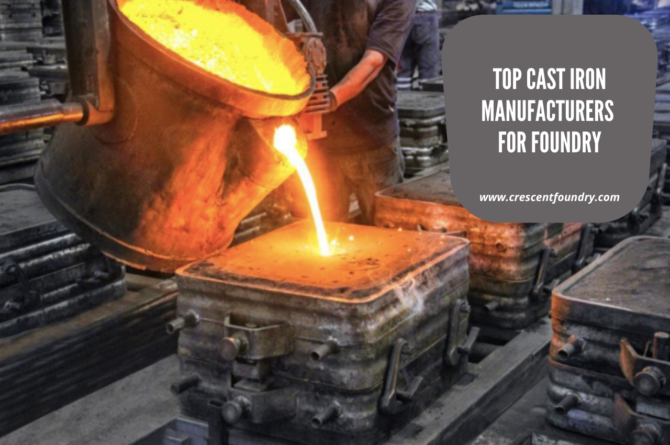
Technical Capabilities: Precision Manufacturing for Custom Iron Castings
At Shenzhen Honyo Prototype, we specialize in delivering high-precision CNC machining services tailored for custom iron castings. Our advanced 3, 4, and 5-axis milling centers, combined with state-of-the-art turning systems, enable us to produce complex geometries with exceptional accuracy and surface finish. Whether your project involves prototyping or low-to-mid volume production, our capabilities ensure consistent quality and tight tolerance compliance for demanding industrial applications.
Our 5-axis simultaneous machining technology allows for multi-sided access to iron casting components, minimizing setup changes and enhancing dimensional consistency. This is particularly beneficial for intricate features such as undercuts, angled mounting surfaces, and internal contours commonly found in hydraulic manifolds, pump housings, and industrial valve bodies. The integration of high-torque spindles and rigid tooling systems ensures efficient material removal rates while maintaining surface integrity on tough iron alloys.
For turning operations, our CNC lathes with live tooling support the complete machining of cylindrical and asymmetrical iron cast parts in a single setup. This reduces cycle times and improves concentricity, critical for rotating components such as shafts and flanged connectors. Our turning centers are optimized for both gray iron (e.g., HT250) and ductile iron (e.g., QT450-10, QT500-7), materials frequently specified in automotive, machinery, and energy sectors due to their wear resistance and mechanical strength.
Tight tolerance machining is a core strength at Honyo. We routinely achieve tolerances down to ±0.005 mm on critical dimensions, supported by in-process probing and post-machining inspection using coordinate measuring machines (CMM) and optical comparators. Our quality management system adheres to ISO 9001 standards, ensuring traceability and repeatability across all production batches.
The following table outlines our standard machining capabilities and material compatibility for custom iron castings:
| Parameter | Specification |
|—————————–|—————|
| Maximum Work Envelope (5-axis) | 1,200 × 800 × 600 mm (X-Y-Z) |
| Spindle Speed (Milling) | Up to 24,000 rpm |
| Positioning Accuracy | ±0.003 mm |
| Repeatability | ±0.002 mm |
| Standard Tolerance (Milling) | ±0.01 mm (can achieve ±0.005 mm with special process control) |
| Standard Tolerance (Turning) | ±0.01 mm (diameter) |
| Surface Finish (Milled) | Ra 0.8 – 3.2 µm (custom finishes available) |
| Lead Time (Prototype) | 7–12 days (depending on complexity) |
| Material Type | Common Grades | Typical Applications |
|—————————-|—————|————————|
| Gray Cast Iron | HT200, HT250, HT300 | Pump bodies, brake components, machine bases |
| Ductile (Nodular) Iron | QT400-15, QT450-10, QT500-7 | Gears, crankshafts, heavy-duty brackets |
| Compacted Graphite Iron (CGI) | Optional (on request) | High-performance engine blocks, exhaust manifolds |
All iron castings undergo rigorous dimensional verification and visual inspection to ensure compliance with customer engineering drawings and GD&T specifications. By combining advanced CNC technology with deep process expertise, Shenzhen Honyo Prototype delivers custom iron casting solutions that meet the highest standards of precision and reliability.
From CAD to Part: The Process
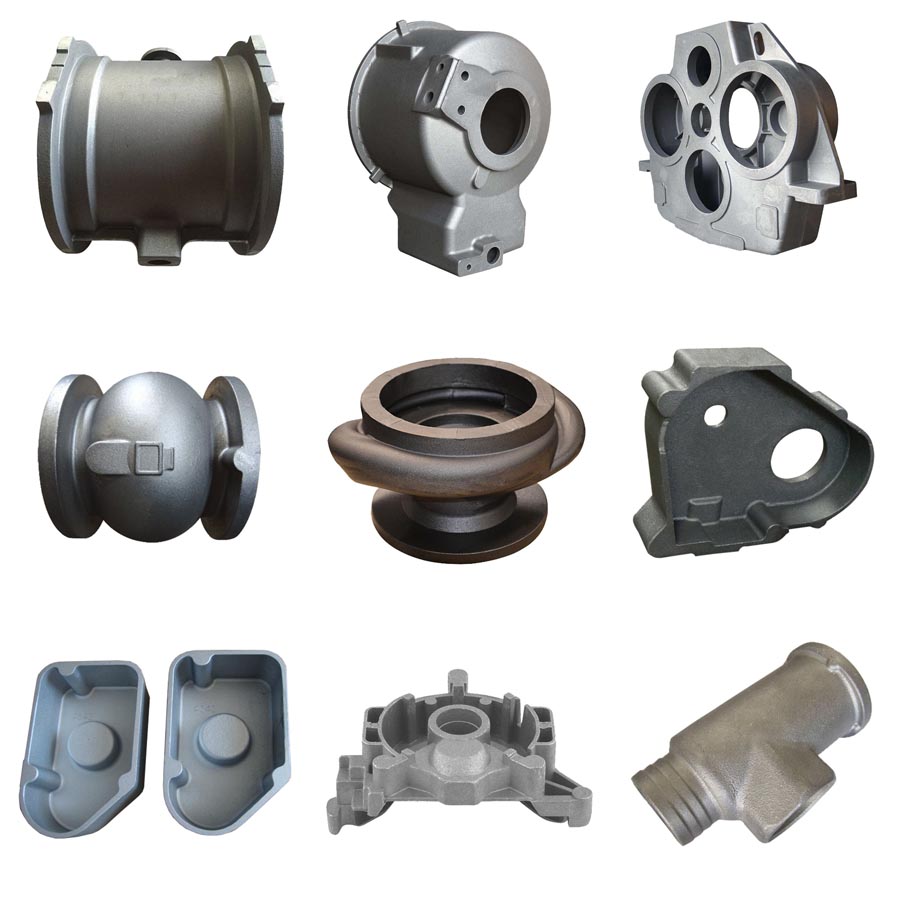
Custom Iron Castings Production Process: From CAD to Finished Component
Shenzhen Honyo Prototype delivers precision custom iron castings through a streamlined, technology-driven workflow designed for speed and quality in prototype and low-volume production. Our integrated process ensures manufacturability is assessed early, minimizing iterations and accelerating time-to-part. The journey begins with your CAD model and progresses through three critical phases: AI-Powered Quoting, Collaborative DFM, and Precision Production.
The process initiates upon receipt of your 3D CAD model. Honyo’s proprietary AI quotation engine instantly analyzes the geometry, material specifications, and requested quantities. It evaluates key parameters such as part volume, complexity, required tolerances, and surface finish against our extensive database of iron casting capabilities and historical production data. This enables us to generate an accurate, detailed quote within hours, not days, providing clear cost breakdowns and preliminary lead time estimates based on quantifiable manufacturing factors, eliminating guesswork in the initial planning stage.
Following quote acceptance, the project enters the mandatory Design for Manufacturability (DFM) review. Our senior manufacturing engineers conduct a thorough technical assessment of the CAD model, focusing specifically on iron casting feasibility. We scrutinize wall thickness uniformity to prevent shrinkage defects, verify adequate draft angles for pattern removal, assess the need for and placement of cores, and evaluate the optimal parting line and gating system design. Critical considerations include material selection suitability (e.g., Gray Iron HT200, HT250, Ductile Iron QT400-15, QT500-7), required mechanical properties, and achievable dimensional tolerances. This phase is highly collaborative; we provide actionable feedback and specific design modification suggestions to optimize the part for casting efficiency and subsequent CNC machining, significantly reducing the risk of defects and costly rework. Client approval of the finalized, DFM-optimized design is required before production launch.
Production commences with pattern creation, typically using rapid prototyping techniques like 3D printing for sand casting patterns, ensuring fidelity to the approved CAD model. The casting stage involves preparing the mold (usually green sand or resin-bonded sand), melting the selected iron grade under strict chemical composition control, pouring the molten metal, and allowing controlled solidification. Post-casting, critical steps include shakeout, fettling (removal of gates, risers, and excess material), heat treatment (annealing, normalizing, or stress relieving as specified), and non-destructive testing (NDT) like visual inspection or MPI where required. The rough casting then undergoes precision CNC machining to achieve the final critical dimensions, tight tolerances, and specified surface finishes. Rigorous in-process and final quality control, including CMM inspection against the original CAD, ensures all specifications are met before shipment.
Throughout this workflow, Honyo leverages advanced capabilities to handle demanding iron casting requirements. Key production specifications are maintained as follows:
| Parameter | Typical Capability (Iron Castings) | Standard Reference |
| :—————– | :——————————— | :—————– |
| Material Grades | Gray Iron (HT150, HT200, HT250), Ductile Iron (QT400-15, QT500-7) | GB/T 9439, GB/T 1348 |
| Dimensional Tolerance | ISO 8062 CT8-CT10 (as-cast), Machined to ISO 2768-mK | ISO 8062, ISO 2768 |
| Surface Roughness (As-Cast) | Ra 12.5 – 25 μm | Varies by process |
| Machined Surface Finish | Ra 1.6 – 6.3 μm | ISO 1302 |
| Max Part Weight | 500 kg | Facility Dependent |
| Lead Time (Prototype) | 15-25 Working Days (From Approved CAD) | Project Specific |
This integrated CAD-to-Part workflow, underpinned by AI efficiency, expert DFM, and rigorous process control, ensures Shenzhen Honyo Prototype delivers high-integrity custom iron castings that meet exacting functional requirements on schedule for your prototype or low-volume production needs.
Start Your Project
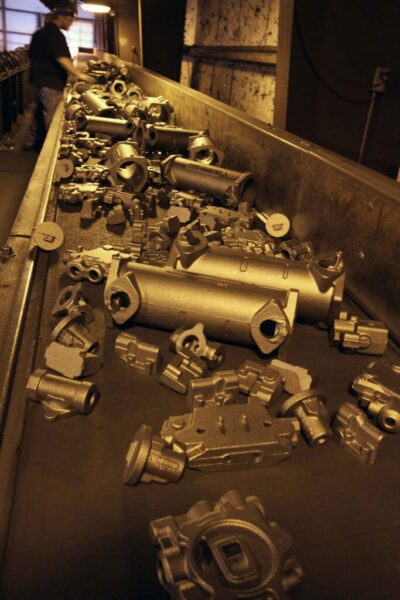
Start Your Custom Iron Casting Project with Shenzhen Honyo Prototype
At Shenzhen Honyo Prototype, we specialize in delivering high-precision custom iron castings tailored to meet the exact mechanical, thermal, and dimensional requirements of your application. As a trusted partner in CNC machining and rapid prototyping, we combine advanced foundry techniques with post-casting precision machining to deliver fully finished components—on time and to specification.
Whether you are developing industrial machinery, automotive systems, or heavy equipment components, our engineering team works closely with you from initial concept to final production. We support a wide range of casting processes, including sand casting and precision mold casting, using gray iron, ductile iron, and other iron-based alloys. Our in-house CNC machining capabilities ensure tight tolerances, excellent surface finishes, and seamless integration of complex features post-casting.
We understand that every project begins with a unique set of challenges. That’s why we offer a consultative approach to manufacturing. Our engineers will review your design for manufacturability, recommend material selections, and suggest process optimizations to reduce lead times and lower costs—without compromising performance.
To get started, simply reach out to Susan Leo, your dedicated project coordinator at Shenzhen Honyo Prototype. With extensive experience in managing custom casting and machining projects, Susan ensures clear communication, timely updates, and technical alignment throughout the production cycle. She is your single point of contact for quotes, design feedback, scheduling, and logistics.
We accept 2D drawings, 3D CAD models (STEP, IGES, STL), and material specifications. Upon receipt, our team conducts a comprehensive review and provides a detailed project plan, including estimated lead times, cost breakdown, and recommended process flow.
Below are our standard capabilities for custom iron castings and post-casting machining:
| Parameter | Capability |
|——————————-|————|
| Casting Alloys | Gray Iron (HT200, HT250, HT300), Ductile Iron (QT400-15, QT500-7) |
| Casting Weight Range | 1 kg – 500 kg |
| Dimensional Tolerance (as-cast) | ±0.5 mm – ±1.5 mm |
| Machining Tolerance | ±0.02 mm |
| Surface Finish (machined) | Ra 1.6 – 6.3 µm |
| Max CNC Machining Envelope | 1200 mm × 800 mm × 600 mm |
| Lead Time (prototype) | 15 – 25 days |
| Lead Time (batch production) | 25 – 45 days |
All castings undergo rigorous quality control, including dimensional inspection, hardness testing, and visual surface evaluation. We also offer non-destructive testing (NDT) upon request.
Begin your project today. Contact Susan Leo at info@hy-proto.com to submit your design files and receive a comprehensive quote. Let Shenzhen Honyo Prototype be your trusted partner in turning precision casting concepts into reality.
🚀 Rapid Prototyping Estimator
Get a rough estimate for CNC/3D Printing costs.