
Contents
Manufacturing Insight: Fabrication Sheet Metal Machinery
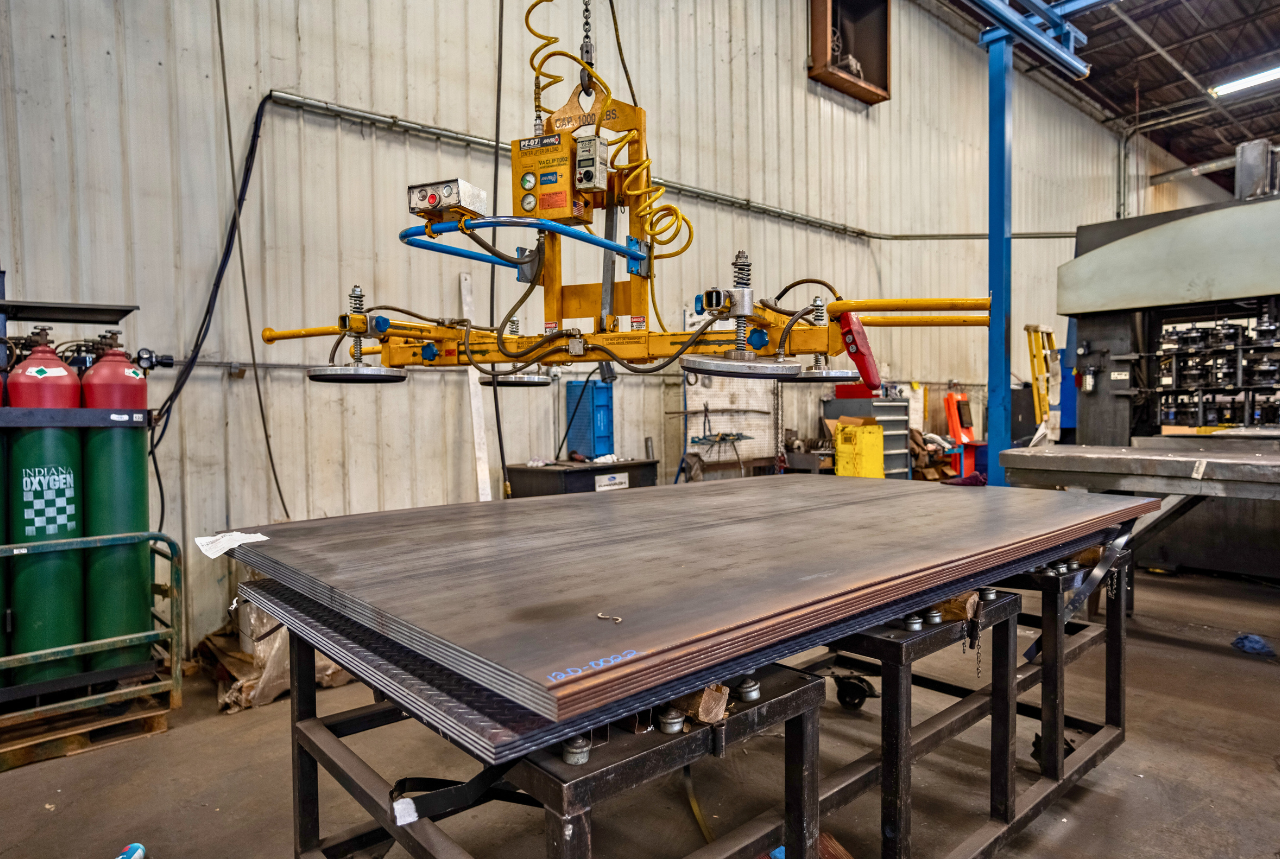
Fabrication Sheet Metal Machinery – Built Fast, Built Right
At Honyo Prototype, our sheet-metal division is stocked with 6 kW fiber-laser cutters, 8-axis CNC press brakes, robotic bending cells, and in-house PEM® hardware stations. From 0.1 mm shims to 6 mm chassis, we hold ±0.05 mm on every flange, louvre, and countersink. Upload your STEP, DXF, or flat-pattern file today for an online instant quote—pricing, lead-time, and DfM feedback appear in under 60 seconds. Whether you need one-off prototypes or 5,000-part production runs, Honyo turns raw coil into finished, powder-coated, silk-screened enclosures with global delivery in as little as 3 days.
Technical Capabilities
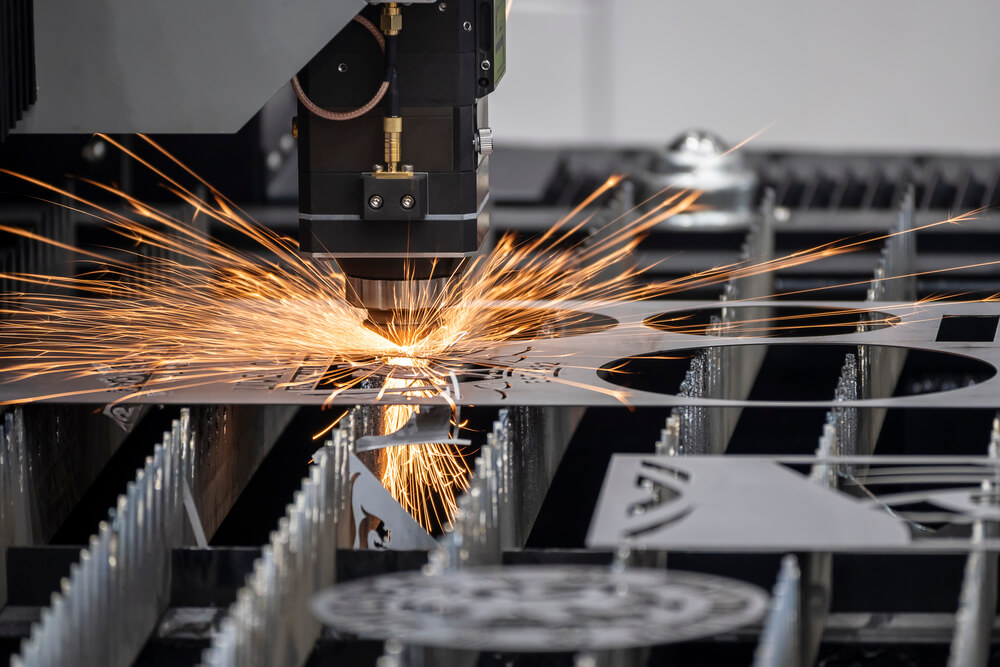
As a Senior Manufacturing Engineer at Honyo Prototype, I must clarify a critical misconception upfront: ABS and nylon are not sheet metal materials and cannot be processed using standard sheet metal fabrication machinery. Sheet metal fabrication is exclusively for metallic materials (e.g., steel, aluminum, stainless steel, copper). ABS (Acrylonitrile Butadiene Styrene) and nylon are thermoplastics, which require entirely different processes (e.g., CNC machining, injection molding, or specialized plastic laser cutting with strict safety protocols).
Using plastic materials on sheet metal machinery (e.g., laser cutters, press brakes, welders) is unsafe, ineffective, and will damage equipment. For example:
– ABS/Nylon in laser cutting: Emits highly toxic fumes (hydrogen cyanide, carbon monoxide) requiring specialized fume extraction and non-metal laser cutters. Standard metal laser cutters are not designed for this.
– ABS/Nylon in bending: Plastics deform unpredictably under mechanical stress and will crack or melt—no press brake is suitable.
– ABS/Nylon in welding: Cannot be welded with standard metal welding processes (e.g., MIG/TIG). Plastic welding requires hot-air tools or ultrasonic methods.
I will now provide accurate technical specs for sheet metal fabrication machinery, focusing only on metals (steel, aluminum). This aligns with industry standards and Honyo Prototype’s capabilities:
1. Laser Cutting Machinery
For metals only: Carbon steel, stainless steel, aluminum, copper, brass.
– Laser Type: Fiber laser (typical for metal cutting; 1–6 kW power range).
– Cutting Accuracy: ±0.05 mm (standard); ±0.02 mm (high-precision).
– Max Material Thickness:
– Mild steel: Up to 25 mm (6 kW laser)
– Stainless steel: Up to 20 mm (6 kW laser)
– Aluminum: Up to 15 mm (6 kW laser)
– Cutting Speed:
– 1 mm steel: 15–20 m/min
– 10 mm steel: 0.5–1.5 m/min
– 5 mm aluminum: 1–3 m/min
– Key Specs:
– Beam quality (M² < 1.2 for fine cuts)
– Focusing lens: 5″ or 7.5″ focal length
– Assist gas: Nitrogen (for clean cuts on aluminum/stainless), Oxygen (for thick steel)
– Fume extraction: ≥ 1,500 m³/h airflow with HEPA/activated carbon filters
– Safety: Mandatory laser safety interlocks, Class 1 enclosure, and gas monitoring for toxic byproducts (e.g., metal oxides).
⚠️ Critical Note: ABS/nylon cannot be cut on metal laser cutters. Plastic cutting requires CO₂ lasers (100–200 W) with dedicated fume scrubbers and non-metallic material handling.
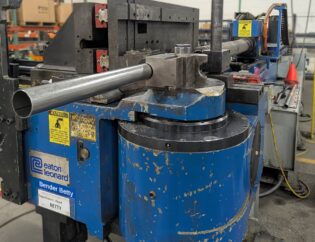
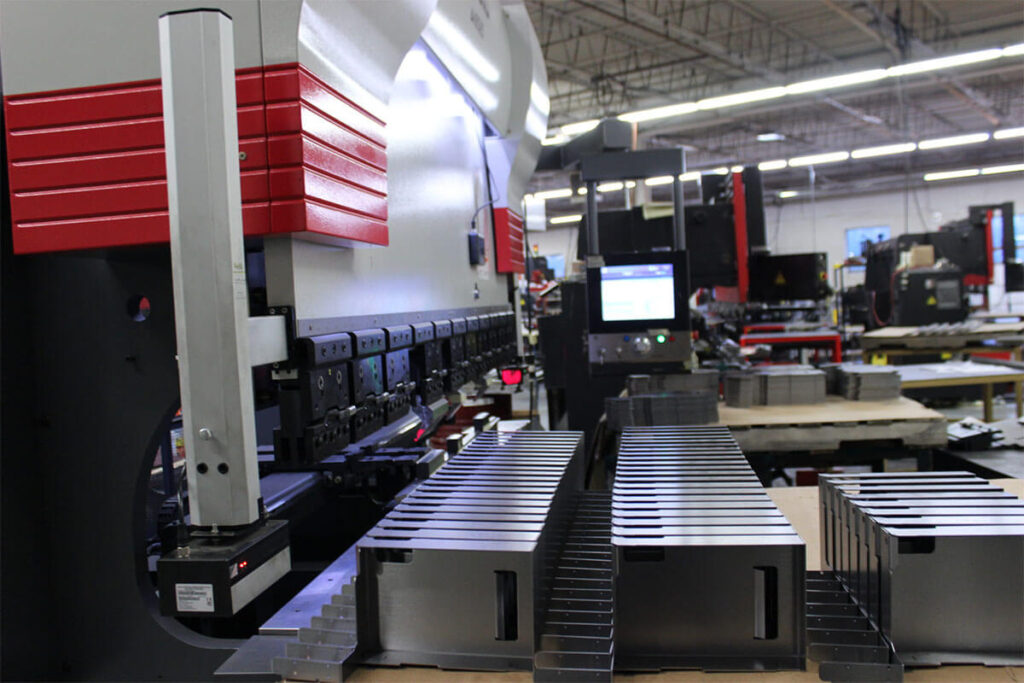
2. Bending Machinery (Press Brake)
For metals only: Steel, aluminum, stainless steel.
– Tonnage: 60–300+ tons (based on part size; e.g., 100-ton press for 3 mm steel × 3,000 mm length).
– Bending Accuracy: ±0.1° (angular); ±0.05 mm (positioning).
– Max Material Thickness:
– Mild steel: Up to 16 mm (100-ton press)
– Aluminum: Up to 12 mm (100-ton press)
– Backgauge System: CNC-controlled, with ±0.02 mm repeat accuracy.
– Tooling:
– V-die widths: 8× material thickness (e.g., 8 mm V-die for 1 mm steel)
– Punch types: Standard, acute, hemming, or specialty (e.g., for aluminum’s lower yield strength)
– Key Specs:
– Hydraulic or electric drive (electric for precision; hydraulic for heavy-duty)
– Parallelism: ≤ 0.05 mm over full bed length
– Backgauge travel: 1,000–5,000 mm
– Material-Specific Adjustments:
– Aluminum: 20–30% lower bend force than steel; requires slower speeds to avoid cracking.
– Stainless steel: Higher springback; requires overbending compensation.
⚠️ Critical Note: Press brakes cannot bend plastics. ABS/nylon sheets would melt, deform, or shatter under mechanical bending pressure.
3. Welding Machinery
For metals only: Steel, aluminum, stainless steel (welding ABS/nylon is impossible with standard equipment).
– Process Types:
– MIG (GMAW): For steel/aluminum (0.8–1.2 mm wire).
– Power: 200–400 A (typical for 3–10 mm steel)
– Gas: Argon/CO₂ mix (steel), Argon/helium (aluminum)
– TIG (GTAW): For precision aluminum/stainless.
– Power: 150–300 A (DC for steel; AC for aluminum)
– Gas: 100% argon (± helium for thicker aluminum)
– Laser Welding: For high-speed, low-distortion joints.
– Power: 1–6 kW fiber laser
– Spot size: 0.1–0.5 mm (for fine welds on 1–5 mm materials)
– Key Specs:
– Weld penetration: Up to 10 mm (MIG), 6 mm (TIG), 15 mm (laser)
– Weld speed: 10–100 cm/min (MIG/TIG); 1–5 m/min (laser)
– Heat input control: Critical for aluminum (to avoid burn-through)
– Material-Specific Requirements:
– Aluminum: Preheating (50–100°C), strict cleanliness (no oxide layer), pulsed MIG/TIG to control heat.
– Stainless Steel: Low heat input to prevent sensitization; use 308L/316L filler wire.
– Steel: Preheating for thick sections (>10 mm) to avoid cracking.
⚠️ Critical Note: ABS/nylon cannot be welded with MIG, TIG, or laser welders. Plastic welding requires:
– Hot-air guns (for ABS)
– Ultrasonic welders (for nylon)
– Solvent bonding (for ABS)
— Standard metal welding equipment will melt or burn plastics, releasing toxic fumes.
Summary of Material Compatibility
| Process | Compatible Materials | ABS/Nylon? | Why? |
|—————|———————-|————|——|
| Laser Cutting | Steel, Aluminum, Stainless Steel | ❌ No | ABS emits toxic cyanide; nylon melts unevenly. Requires CO₂ laser + specialized extraction. |
| Bending | Steel, Aluminum | ❌ No | Plastics deform unpredictably; no press brake can bend them without damage. |
| Welding | Steel, Aluminum, Stainless Steel | ❌ No | ABS/nylon require plastic-specific processes (ultrasonic, hot-air). Metal welders destroy plastics. |
Best Practices at Honyo Prototype
- Material Verification: Always confirm material type before processing. Use portable XRF analyzers for metal alloys.
- Process Separation: ABS/nylon parts are handled in dedicated plastic fabrication areas (CNC machining, 3D printing), never on sheet metal lines.
- Safety First: Metal laser cutting/welding produces UV radiation, fumes, and sparks. Plastic processing requires additional toxic fume control. Mixing materials risks explosions or equipment failure.
If you need specifications for plastic fabrication (e.g., CNC machining of ABS/nylon or laser cutting of acrylic), I’d be happy to provide those separately—but they fall outside the scope of “sheet metal machinery.” For sheet metal projects, we exclusively use metals. Let me know how I can assist with your actual requirements!
From CAD to Part: The Process
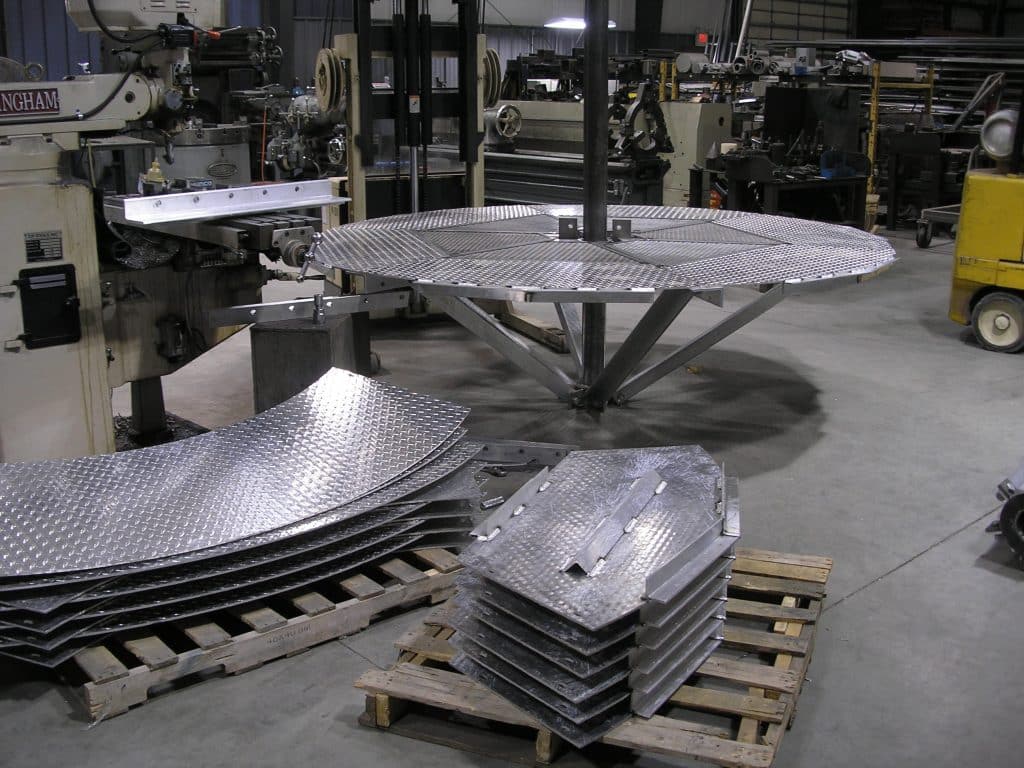
Honyo Prototype – “Fabrication Sheet-Metal Machinery” Workflow
(20 parts → 20,000 parts, 3–15 day lead-time, ±0.05 mm repeatability)
-
Upload CAD
Portal accepts any mix of native or neutral files (SolidWorks, STEP, DXF, etc.).
– Auto-check: material class, bend radius table, critical tolerances, hardware list.
– Instant encryption & ND auto-sign; file fingerprint logged for traceability. -
AI Quote (≤5 min)
– Geometry engine slices every flange, calculates developed length with Honyo’s bend-deduction library (200+ press-brake/tool combos).
– Nesting bot chooses the best sheet size from 0.3 mm Cu to 12 mm SS inventory; scrap target <8 %.
– Real-time machine-loading algorithm checks 6 AMADA fiber lasers, 4 turret punches, 12 press-brakes, 2 robotic cells; outputs first available slot.
– Price = material + laser time + punch hits + bend seconds + hardware + finish + logistics.
– Differential pricing tiers (prototype, pilot, volume) displayed instantly; PO click-accept locks slot and material. -
DFM (24 h)
a. AI red-flag report: impossible bends, minimum flange violations, hole-to-edge, hardware clash.
b. Human review by senior sheet-metal ME:
– Convert to Honyo master DXF + flat pattern + bend sequence chart.
– Select punch-to-laser split (e.g., louvers & extrusions on turret, outer profile on laser).
– Choose grain direction, tabbing, micro-joints for robot handling.
– Specify weld clearance, slot-and-tab locations, PEM® stud/sert call-outs.
c. Customer approval via cloud viewer with 3D flip-sheet; one-click e-signature releases to MES. -
Production (Honyo Smart Cell)
Step 1 – Blank
– Fiber laser (3 kW / 6 kW) with AMS tower; auto nozzle change, pierce-time AI minimizes heat warp on 1 mm Al.
Step 2 – Form / Punch
– AMADA EM-series turret punch for forms, extrusions, countersinks; 0.02 mm tool-life tracking.
Step 3 – Bend
– Robot-tended HG-ATC press-brakes; 6-axis back-gauge + optical angle-check (±0.2°).
– Offline bend program already generated in quoting stage → first-article in <15 min.
Step 4 – Hardware & Weld
– PEM® inserters (Haeger) with force-monitor; reject on 1 % insertion variance.
– TIG/MIG robot for long weld seams; laser-cell for 0.5 mm stainless foil without filler.
Step 5 – Finish
– In-house vibratory tumbling, alodine, chromate-free chem-film, powder-line (ITW Gema), silk-screen.
– CMM + laser-scan every 50th part; data auto-uploaded to customer portal.
– Full traceability: heat/lot # etched as QR code on hidden face. -
Delivery
– Neutral export pack: VCI film + EPE + double-wall carton; drop-test qualified to 1 m.
– DHL/UPS/FedEx daily pick-up; for >100 kg, Honyo consolidates air-freight or sea LCL.
– Digital twin file (PDF report + CMM + material cert) sent before shipment; customer barcode scan updates ERP.
Turn-key extras:
• Kanban/VMI programs with Shenzhen & Portland warehouses.
• PPAP, DFARS, ISO 9001/AS9100, RoHS/REACH docs auto-generated.
• Engineering change control—delta AI re-quote in minutes.
That is the complete “Upload CAD → AI Quote → DFM → Production → Delivery” pipeline Honyo uses for fabrication-grade sheet-metal machinery parts.
Start Your Project
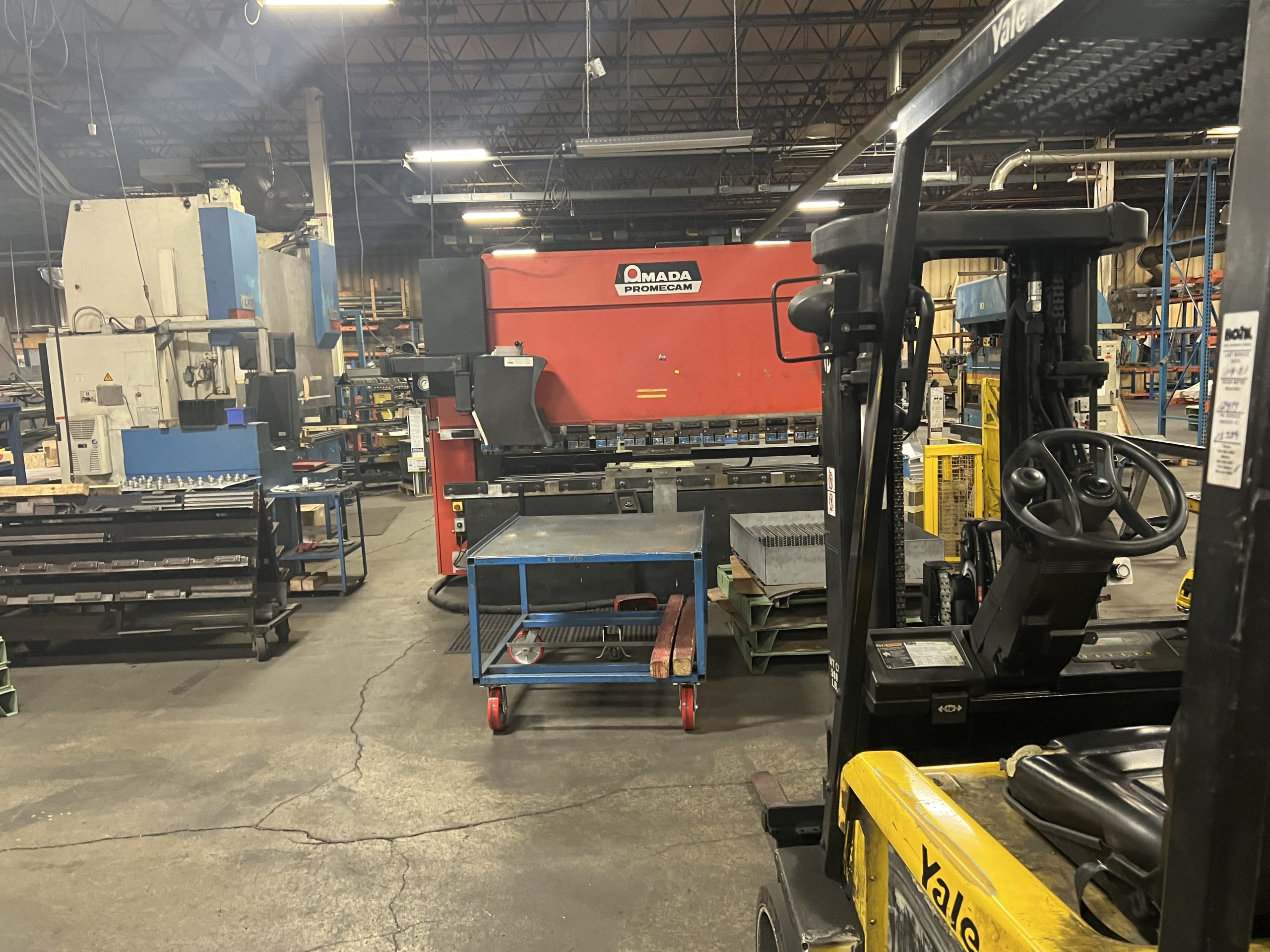
Precision sheet metal fabrication services. Contact Susan Leo at info@hy-proto.com. Shenzhen-based factory delivering quality and reliability.
Need custom parts? Fast turnaround. Expertise you can trust. 🔧
🚀 Rapid Prototyping Estimator