
Contents
Manufacturing Insight: Fabrication Sheet Metal Machinery
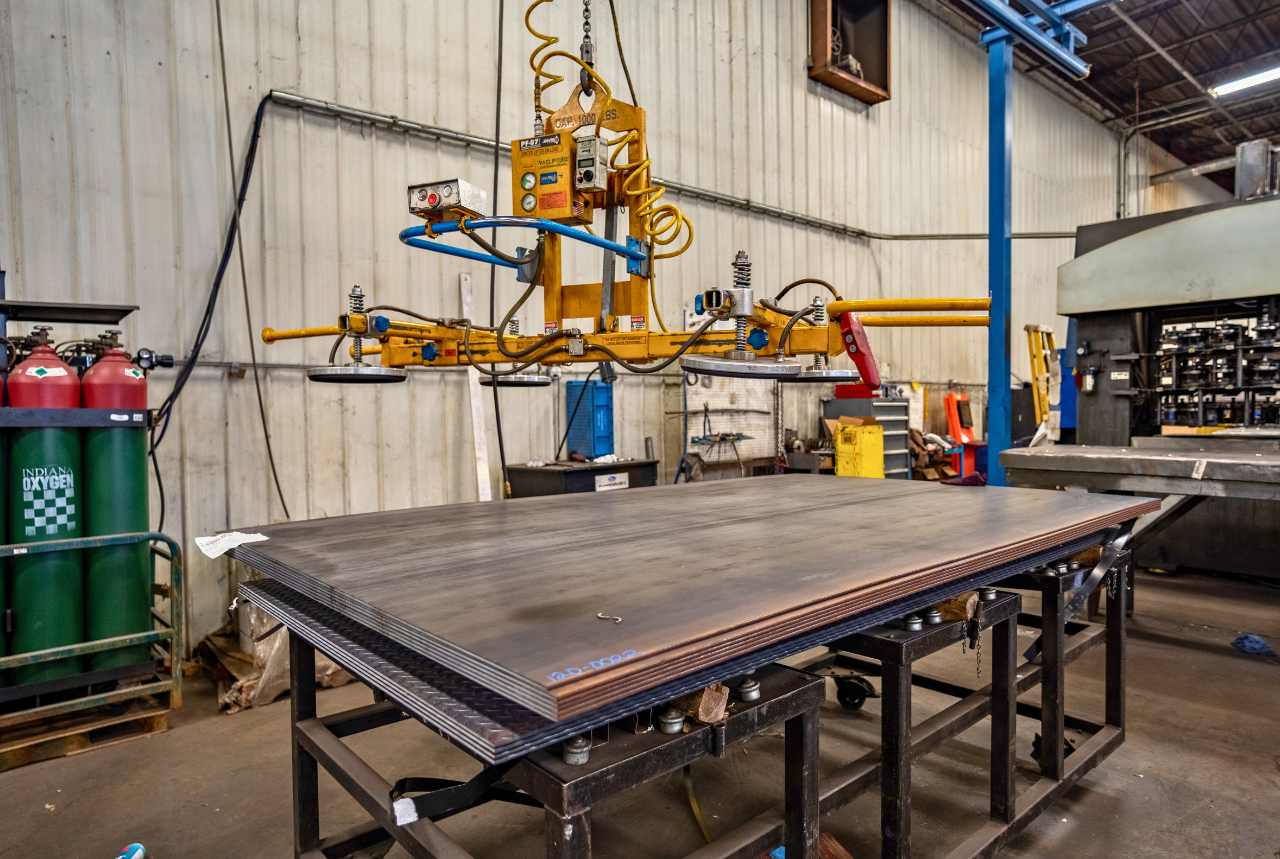
Manufacturing Insight: Sheet Metal Machinery Capabilities at Honyo Prototype
Sheet metal fabrication remains a cornerstone of precision manufacturing, enabling the creation of complex enclosures, brackets, chassis, and structural components across industries from telecommunications to medical devices. At Shenzhen Honyo Prototype, we leverage advanced machinery to transform engineered designs into high-integrity parts with exceptional accuracy and repeatability. Our integrated approach ensures that material properties, geometric complexity, and functional requirements are met from prototype through low-volume production, minimizing design-to-manufacture friction.
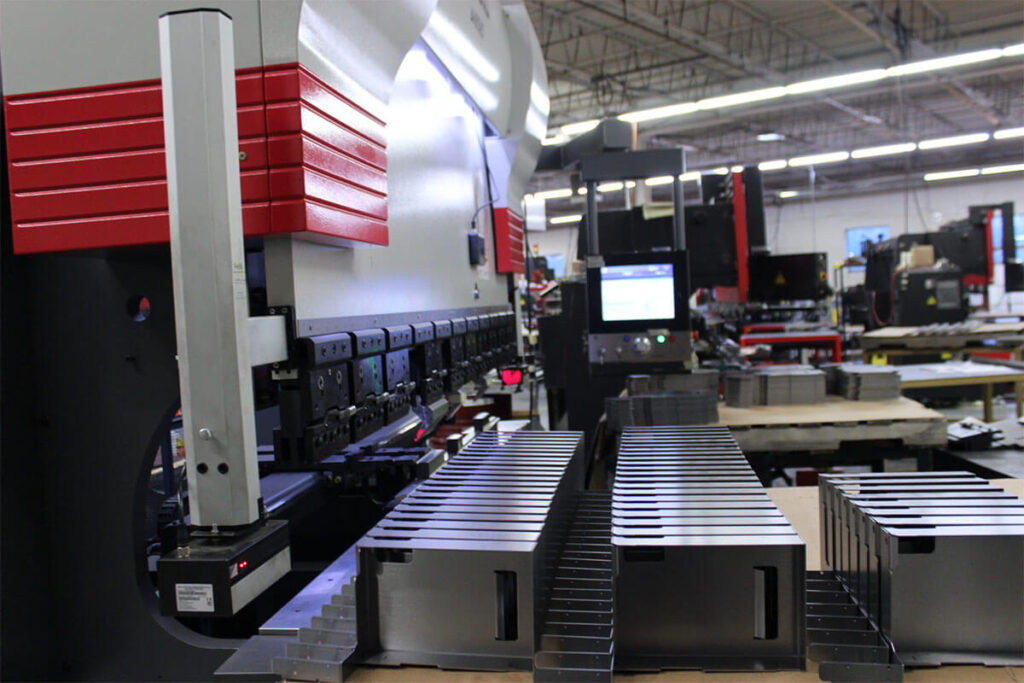
Modern sheet metal fabrication relies on computer-controlled machinery to execute critical processes including cutting, bending, punching, and forming. Laser cutting provides the primary method for precise two-dimensional profile generation, offering superior edge quality and minimal thermal distortion compared to traditional mechanical shearing. CNC press brakes then impart precise three-dimensional geometry through controlled bending sequences, while turret punching efficiently creates complex hole patterns and cutouts in thinner gauges. The synergy between these technologies, governed by robust CAD/CAM workflows, is essential for achieving tight tolerances and consistent part quality.
Honyo Prototype operates a strategically configured suite of industrial-grade equipment focused on prototyping agility and low-volume precision. Our facility integrates fiber laser cutting systems for clean, high-speed processing of stainless steel, aluminum, and mild steel up to 3.0mm thickness. Complementing this, state-of-the-art CNC press brakes with automatic tool changers handle complex bend sequences on parts up to 2.0mm thickness while maintaining ±0.1° angular accuracy. Turret punch capabilities support rapid feature generation in materials up to 2.5mm. Crucially, our machinery is supported by in-house design for manufacturability (DFM) analysis, ensuring manufacturability is validated before machine time is committed. This integrated capability allows us to rapidly iterate prototypes while maintaining production-grade quality standards.
Core Machinery Specifications
| Machine Type | Key Parameters | Max Capacity | Typical Tolerance |
| :——————– | :————————————– | :—————- | :—————- |
| Fiber Laser Cutter | 1500W Power, Nesting Software | 3.0mm Stainless | ±0.1mm |
| CNC Press Brake | 100 Ton, 2.5m Bed, Auto Tool Changer | 2.0mm Stainless | ±0.1° / ±0.2mm |
| CNC Turret Punch | 30-station Tooling, Automatic Indexing | 2.5mm Mild Steel | ±0.15mm |
This technical foundation enables Honyo to address common client challenges such as achieving consistent hole alignment in multi-bend assemblies, minimizing burr formation on critical edges, and validating complex geometries early in the development cycle. Our machinery investments are specifically calibrated for the prototyping and bridge production demands of international clients, where speed, dimensional fidelity, and material flexibility are non-negotiable. By maintaining rigorous process controls and leveraging real-time machine data, we ensure that every sheet metal component leaving our facility meets the stringent performance expectations of modern engineering applications. Partnering with Honyo provides immediate access to this precision manufacturing capability, accelerating your path from concept to functional hardware.
Technical Capabilities
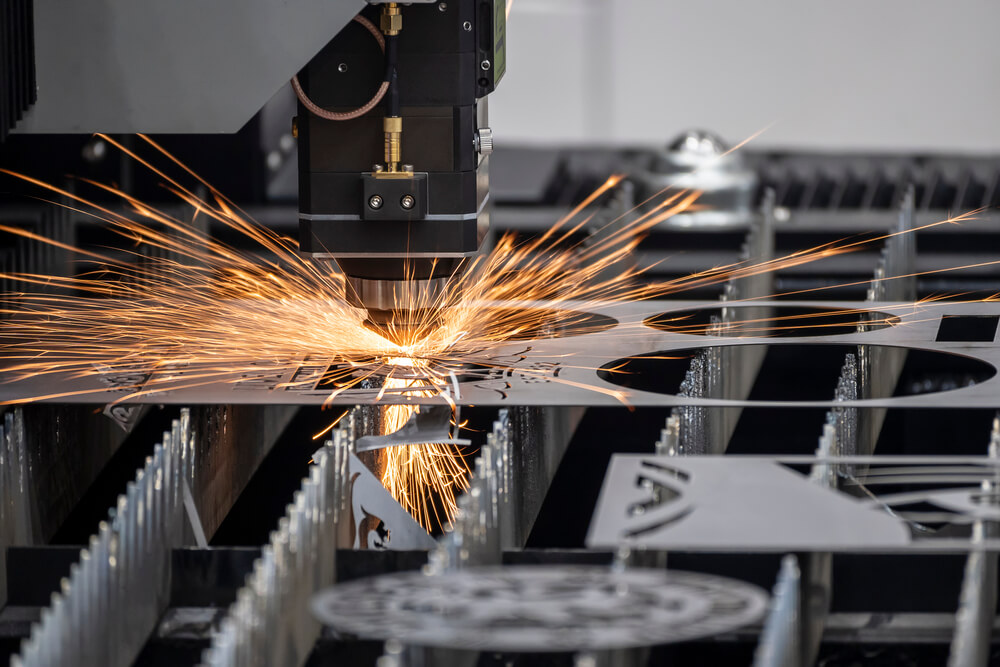
Shenzhen Honyo Prototype delivers precision sheet metal fabrication services through state-of-the-art machinery and a highly controlled manufacturing process. Our technical capabilities in laser cutting, bending, and welding are engineered to support rapid prototyping and low-to-mid volume production with consistent quality and tight dimensional control. Each process is supported by advanced equipment, skilled technicians, and rigorous quality assurance protocols to meet the demanding requirements of industries such as electronics, automotive, medical devices, and industrial equipment.
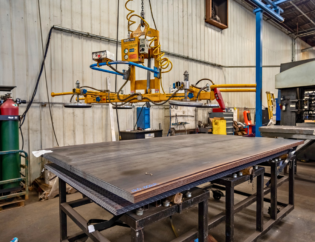
Our fiber laser cutting systems provide high-precision cutting for a variety of sheet metal materials, including carbon steel, stainless steel, aluminum, and copper alloys. With laser power options up to 6 kW, we achieve clean, burr-free edges with minimal heat-affected zones. The cutting bed accommodates sheets up to 3000 mm × 1500 mm, supporting thicknesses from 0.5 mm to 25 mm depending on material type. These systems are integrated with automated material handling and nesting software to maximize efficiency and material utilization.
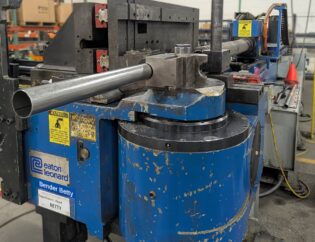
For bending operations, we utilize CNC press brakes equipped with servo-driven backgauges and hydraulic crowning systems to ensure consistent bend angles across long parts. Our bending capacity covers sheet thicknesses from 0.8 mm to 12 mm, with maximum bending lengths of 3100 mm. Tooling is selected dynamically based on material type, thickness, and bend radius requirements, enabling complex geometries with high repeatability. All bending programs are verified using offline programming software to reduce setup time and improve accuracy.
Welding operations are performed using TIG, MIG, and spot welding methods, tailored to material type, joint design, and functional requirements. Our certified welders adhere to ISO 3834 standards, ensuring structural integrity and cosmetic quality. Post-weld processes such as grinding, polishing, and dimensional inspection are applied as needed to meet customer specifications.
The following table outlines the key technical specifications and tolerances for our core fabrication processes:
| Process | Material Compatibility | Thickness Range (mm) | Max Workpiece Size (mm) | Standard Tolerance | Notes |
|—————–|——————————————–|———————-|————————–|————————–|————————————|
| Laser Cutting | Carbon Steel, Stainless Steel, Aluminum, Copper | 0.5 – 25 | 3000 × 1500 | ±0.1 mm (dimensional) | Kerf compensation applied; no tooling required |
| CNC Bending | Carbon Steel, Stainless Steel, Aluminum | 0.8 – 12 | 3100 × 1500 | ±0.2° (angle), ±0.3 mm (length) | Springback compensation included |
| TIG/MIG Welding | Carbon Steel, Stainless Steel, Aluminum | 1.0 – 15 | Custom (fixture dependent)| ±0.5 mm (joint alignment) | Post-weld finishing available |
| Spot Welding | Carbon Steel, Stainless Steel, Aluminum | 0.5 – 4 (per layer) | Up to 600 mm electrode access | ±0.5 mm (position) | Ideal for sheet-to-sheet joining |
All fabricated components undergo first-article inspection and in-process quality checks using CMM, optical comparators, and go/no-go gauges. This comprehensive approach ensures that every part meets the functional and dimensional requirements of our clients, reinforcing Honyo Prototype’s commitment to precision and reliability in sheet metal manufacturing.
From CAD to Part: The Process
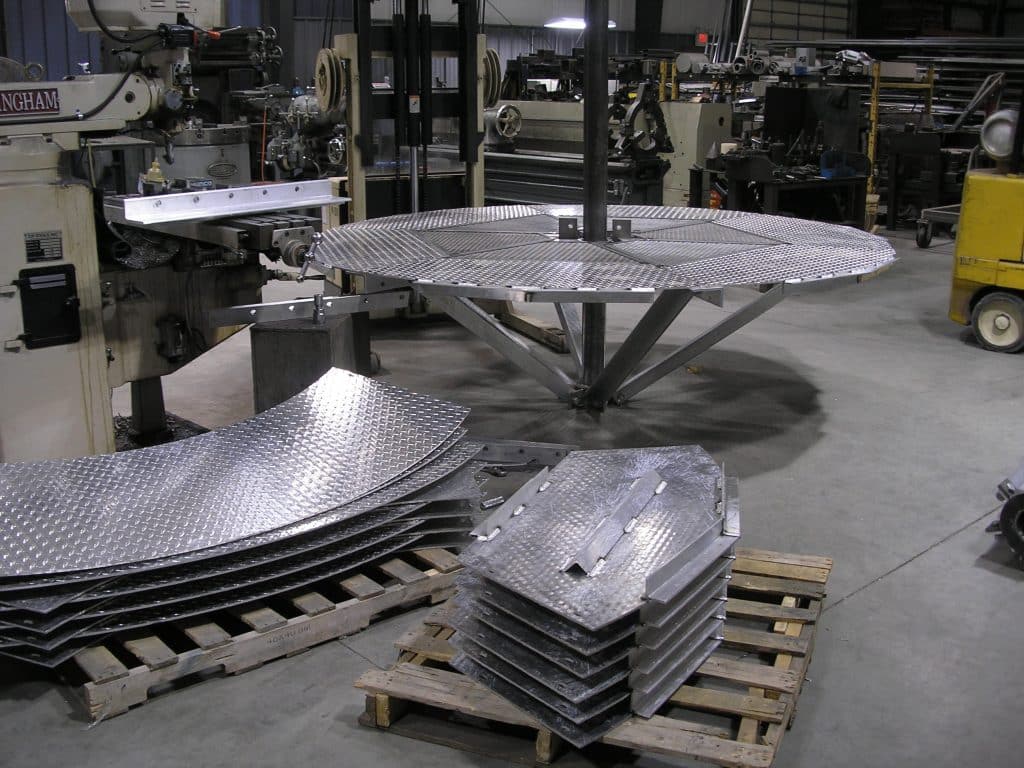
From CAD to Part: Sheet Metal Fabrication Workflow at Shenzhen Honyo Prototype
Shenzhen Honyo Prototype delivers precision sheet metal components through a rigorously defined workflow, transforming client CAD data into finished parts via three integrated phases: AI-Powered Quoting, Engineering-Driven DFM, and Controlled Production Execution. This structured approach ensures manufacturability, cost efficiency, and on-time delivery for prototyping and low-volume production.
The process initiates with the AI-Powered Quoting System. Upon receipt of native CAD files (STEP, IGES, DXF, DWG) or high-fidelity 3D models, our proprietary AI engine performs rapid geometric analysis. It automatically identifies critical features—sheet thickness, bend counts, cutouts, hole patterns, and surface finishes—cross-referencing against extensive material and machine capability databases. This analysis generates an accurate, data-driven cost estimate and lead time within hours, not days. Crucially, the AI flags potential geometric complexities requiring engineering review before formal quotation, setting realistic expectations and accelerating project kickoff. This initial intelligence layer significantly reduces quoting latency while providing clients immediate technical feedback.
Following client approval, the project enters the Engineering Design for Manufacturability (DFM) Review. Our senior manufacturing engineers conduct a meticulous, hands-on assessment of the CAD model against Shenzhen Honyo’s specific production constraints and best practices. This is not an automated step; it leverages deep process knowledge to identify and resolve issues that could cause delays, cost overruns, or quality failures. Common focus areas include minimum bend radii relative to material thickness, optimal hole-to-edge and hole-to-bend spacing, kerf compensation for laser cutting, and nestability for material yield. The table below outlines key DFM parameters routinely verified:
| Critical Parameter | Standard Tolerance/Requirement | Impact of Non-Compliance |
| :————————– | :—————————– | :————————————- |
| Minimum Bend Radius | ≥ 0.8x Material Thickness | Cracking, poor form accuracy |
| Hole Diameter | ≥ Material Thickness | Burr issues, tool breakage |
| Hole-to-Edge Distance | ≥ 1.5x Material Thickness | Distortion, tearing during forming |
| Hole-to-Bend Distance | ≥ 2.5x Material Thickness | Hole deformation during bending |
| Feature Spacing (Cutting) | ≥ 1.0mm | Thermal distortion, part instability |
Engineers collaborate directly with the client to propose actionable design refinements, ensuring the part is optimized for our processes without compromising functional intent. Formal DFM sign-off is mandatory before production release.
The final Production Execution phase commences only after DFM validation. Utilizing the approved CAD data, our CAM systems generate optimized machine toolpaths for cutting, bending, and finishing. Laser cutting (Amada LC series, ±0.1mm accuracy) or CNC punching handles flat pattern fabrication, followed by precise air bending on CNC press brakes (Trumpf, ±0.5° angular accuracy). Secondary operations like welding, tapping, surface treatment (anodizing, powder coating), and assembly are sequenced per the engineering plan. Throughout production, in-process inspections at critical control points—verified against first-article inspection (FAI) reports—ensure dimensional compliance per ASME Y14.5. Final parts undergo comprehensive quality verification against the original CAD model and client specifications before shipment. This closed-loop workflow, from intelligent quoting through engineering validation to precision manufacturing, guarantees Shenzhen Honyo Prototype delivers high-integrity sheet metal components consistently.
Start Your Project
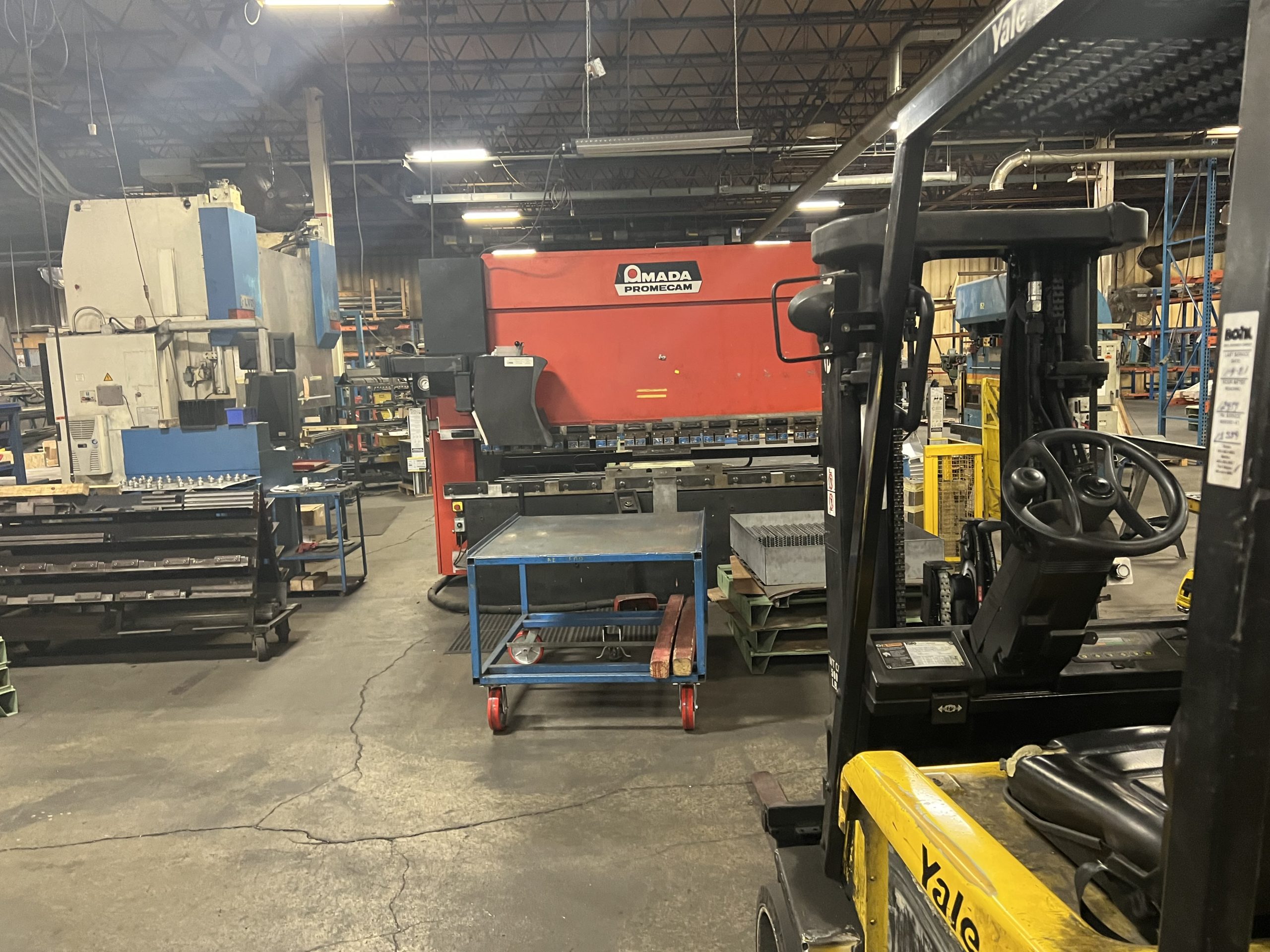
Start Your Sheet Metal Fabrication Project with Precision and Confidence
At Shenzhen Honyo Prototype, we understand that the success of your product development hinges on reliable, high-quality sheet metal fabrication delivered on time. Whether you’re prototyping a new enclosure, fabricating custom brackets, or scaling into low-volume production, our advanced machinery and expert engineering team ensure precision, consistency, and rapid turnaround. Our state-of-the-art facility in Shenzhen is equipped with the latest CNC punching, laser cutting, bending, and welding technologies, enabling us to handle complex geometries and tight tolerances across a wide range of metals including stainless steel, aluminum, and mild steel.
We specialize in turning your designs into functional, durable components with minimal lead time. From flat pattern development to final assembly, every stage of the fabrication process is monitored for quality and accuracy. Our team works closely with engineers and product designers to optimize manufacturability, reduce costs, and ensure that your parts meet both functional and aesthetic requirements.
To get started, simply share your technical drawings or 3D models in any standard format—STEP, DWG, DXF, or PDF—and our engineering team will conduct a comprehensive Design for Manufacturability (DFM) review. We’ll provide actionable feedback on material selection, bend radii, hole placement, and tolerance optimization to ensure your design is production-ready. With fast quotation turnaround and transparent communication, we make it easy to move from concept to physical part in days, not weeks.
Our commitment to excellence is reflected in the performance of every component we produce. Below are the key capabilities of our sheet metal fabrication machinery:
| Parameter | Specification |
|——————————-|————————————————|
| Laser Cutting Thickness | Up to 25 mm (mild steel), 20 mm (stainless/aluminum) |
| CNC Punching Thickness | 0.5 – 6.0 mm |
| CNC Bending Length | Up to 3,000 mm |
| Bending Tolerance | ±0.2 mm |
| Minimum Bend Radius | 1.0 x material thickness |
| Welding Processes | TIG, MIG, Spot Welding |
| Surface Finishes | Powder coating, anodizing, passivation, plating |
| Lead Time (Prototype) | 5–7 working days |
| Quality Standards | ISO 9001:2015 compliant |
Shenzhen Honyo Prototype is your trusted partner for precision sheet metal fabrication tailored to prototype and low-volume production needs. We combine advanced machinery with engineering expertise to deliver parts that meet exact specifications—every time.
Ready to bring your design to life? Contact Susan Leo today at info@hy-proto.com to request a quote, submit your drawings, or discuss your project requirements. Let us help you accelerate your development cycle with manufacturing solutions built on precision, speed, and reliability.
🚀 Rapid Prototyping Estimator
Get a rough estimate for CNC/3D Printing costs.