
Contents
Manufacturing Insight: Foundry Metal Casting
Manufacturing Insight: Foundry Metal Casting Capabilities at Shenzhen Honyo Prototype
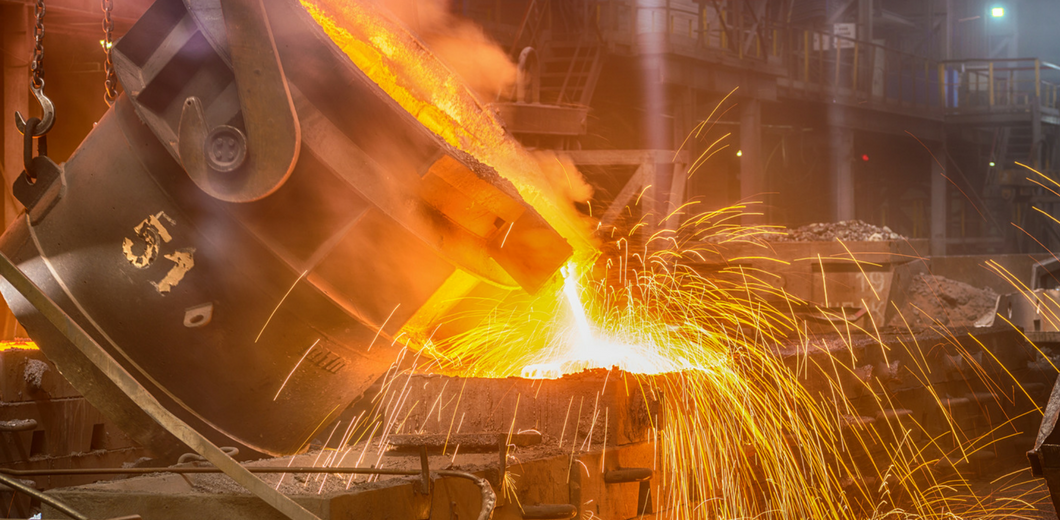
Foundry metal casting remains a fundamental and versatile manufacturing process for creating complex metal components, particularly where intricate geometries, internal cavities, or large part sizes are required. At Shenzhen Honyo Prototype, we integrate advanced foundry techniques as a strategic complement to our core sheet metal fabrication expertise, enabling us to deliver comprehensive prototyping and low-volume production solutions for integrated assemblies. This process involves pouring molten metal into a reusable mold cavity (die casting) or a single-use mold (sand casting, investment casting), allowing it to solidify, and then extracting the finished casting. The inherent flexibility of casting makes it ideal for producing parts that would be difficult, costly, or impossible to fabricate solely from sheet metal, such as housings with complex internal features, structural brackets with organic shapes, or fluid manifolds.
Understanding the specific requirements of rapid prototyping and low-volume production, Honyo Prototype focuses on optimizing foundry processes for speed, precision, and material efficiency. We leverage state-of-the-art pattern and mold-making technologies, including rapid tooling for sand and investment casting patterns, to significantly reduce lead times compared to traditional foundry routes. Our engineering team works closely with clients during the Design for Manufacturing (DFM) phase to optimize part geometry for castability, minimize material waste, reduce the need for secondary machining, and ensure the final component meets stringent functional and aesthetic requirements. This proactive approach is critical for accelerating product development cycles while maintaining cost-effectiveness for prototype and bridge production quantities.
Honyo Prototype specializes in non-ferrous alloys suitable for precision casting applications commonly integrated with sheet metal assemblies. Our controlled foundry environment and rigorous quality control protocols ensure consistent mechanical properties and dimensional accuracy. Key capabilities and typical specifications are summarized below:
| Parameter | Capability Range | Notes |
| :—————– | :———————————– | :————————————- |
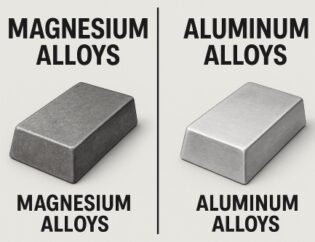
| Primary Alloys | Aluminum (A356, ADC12), Zinc (Zamak 3), Magnesium (AZ91D) | Focus on lightweight, high-integrity alloys |
| Process Types | Sand Casting, Investment Casting, Low-Pressure Die Casting | Selected based on part complexity, volume, and required finish |
| Typical Tolerance | ±0.1% of dimension (min ±0.13mm) | Achievable with optimized tooling and process control |
| Surface Finish (As-Cast) | Ra 3.2 µm – 6.3 µm (Sand), Ra 1.6 µm – 3.2 µm (Investment) | Secondary finishing available |
| Lead Time (Prototype) | 10-20 working days | Varies based on complexity and tooling requirements |
Our integrated manufacturing ecosystem provides significant value: clients developing sheet metal enclosures or chassis can seamlessly incorporate cast sub-assemblies like mounting brackets, heat sinks, or custom connectors from a single source. This eliminates supply chain fragmentation, ensures dimensional compatibility between fabricated and cast components, and streamlines project management. Honyo Prototype’s commitment to technical excellence in both sheet metal and casting disciplines allows us to deliver robust, functionally validated prototypes and low-volume production parts that accurately represent the final product’s performance and manufacturability, accelerating time-to-market for our engineering partners.
Technical Capabilities
Technical Capabilities: Foundry Metal Casting and Integrated Sheet Metal Fabrication
Shenzhen Honyo Prototype delivers precision-driven foundry metal casting services integrated with advanced sheet metal fabrication processes to support complex, high-integrity components for industrial, automotive, and aerospace applications. Our manufacturing ecosystem combines traditional casting methodologies with modern laser cutting, bending, and welding technologies, ensuring dimensional accuracy, structural consistency, and material efficiency across low to medium production volumes.
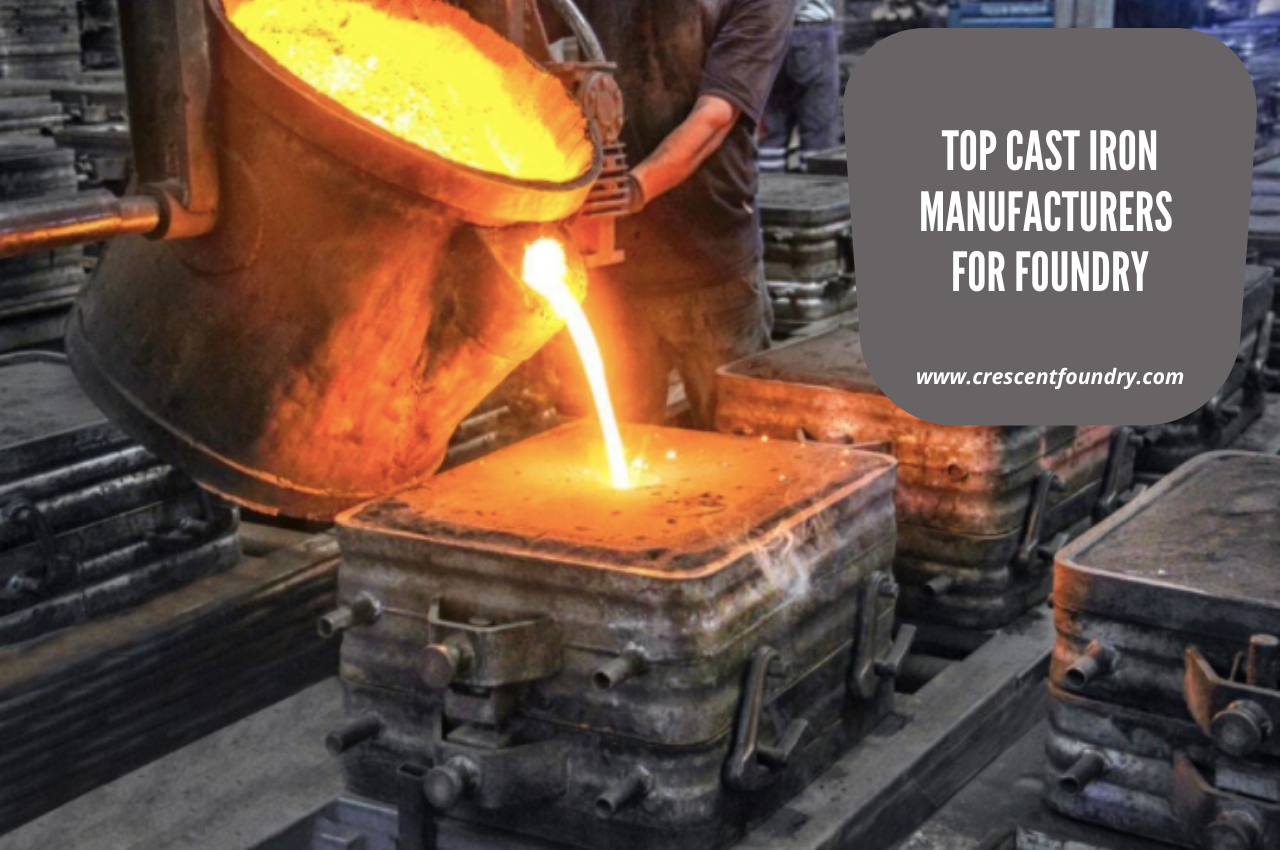
Our foundry casting process utilizes sand and investment casting techniques to produce near-net-shape metal parts in aluminum, cast iron, and various steel alloys. These cast components are often further refined using our in-house sheet metal capabilities, allowing for hybrid assemblies that combine cast structural elements with precision-formed sheet metal features. This integration reduces part count, assembly time, and overall system weight while maintaining mechanical performance.
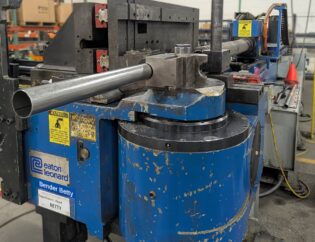
Laser cutting is employed for secondary machining of casting gates, risers, and mounting interfaces, as well as for processing sheet metal components that are integrated into the final assembly. Utilizing high-power fiber lasers, we achieve tight kerf widths and minimal heat-affected zones, preserving material integrity. Our CNC-controlled bending operations support complex geometries with consistent angular accuracy, accommodating both standalone sheet metal enclosures and hybrid cast-sheet structures. All welding operations—performed via MIG, TIG, and spot welding—are executed by certified technicians to ensure metallurgical soundness and compliance with structural standards.
Material selection is optimized based on functional requirements, including thermal resistance, mechanical load, and corrosion performance. Aluminum alloys such as A356 and ADC12 are commonly used for lightweight cast components, while ductile iron and gray iron serve high-strength applications. For sheet metal integration, we routinely process cold-rolled steel (CRS), stainless steel (304, 316), and aluminum alloys (5052, 6061).
The following table outlines key technical specifications and tolerances across our integrated manufacturing processes:
| Process | Material Options | Thickness Range | Dimensional Tolerance | Angular Tolerance | Additional Notes |
|——————-|————————————–|————————|————————|——————–|————————————–|
| Foundry Casting | Aluminum (A356, ADC12), Ductile Iron, Gray Iron, Cast Steel | 3 – 150 mm | ±0.3 mm to ±0.8 mm | N/A | Draft angles: 1°–3°; Min hole: Ø6 mm |
| Laser Cutting | CRS, Stainless Steel, Aluminum | 0.5 – 25 mm | ±0.1 mm | — | Max bed size: 3000 × 1500 mm |
| CNC Bending | CRS, Stainless Steel, Aluminum | 0.8 – 12 mm | ±0.2 mm | ±1° | Max flange length: 3000 mm |
| Welding | Steel, Stainless Steel, Aluminum | 1 – 20 mm | ±0.3 mm (post-weld) | ±2° | Post-weld grinding and polishing available |
All components undergo in-process inspection and final quality verification using CMM, optical comparators, and visual testing per ISO 9001 standards. Shenzhen Honyo Prototype ensures seamless transition from casting to finishing, delivering fully integrated metal solutions with repeatable precision and robust performance.
From CAD to Part: The Process
Production Process: Foundry Metal Casting Workflow at Shenzhen Honyo Prototype
While Shenzhen Honyo Prototype specializes in precision sheet metal fabrication, we integrate complementary foundry metal casting services for complex geometries where sheet metal forming is impractical. This workflow details our rigorous process for delivering high-integrity cast components, ensuring seamless transition from digital design to finished part. Our integrated system prioritizes manufacturability and cost-efficiency from the outset, distinct from standalone sheet metal processes.
The workflow initiates with the AI-Powered Quoting Engine. Upon receiving a validated 3D CAD model (STEP, IGES, or native formats), our proprietary algorithm analyzes geometric complexity, material selection, dimensional tolerances, and required surface finishes. This engine cross-references real-time data on material costs, machine availability, labor rates, and historical process efficiency metrics specific to casting parameters like mold complexity and solidification time. The output is a highly accurate, data-driven quote delivered within 24 hours, including preliminary lead time estimates and critical manufacturability flags requiring engineer review. This eliminates manual interpretation delays and provides immediate project viability insight.
Subsequent to quote acceptance, the project enters the mandatory Design for Manufacturability (DFM) Review. Our senior foundry engineers conduct a deep technical assessment focused explicitly on casting physics. We scrutinize draft angles, wall thickness uniformity, junction radii, gating system feasibility, and potential hot spot locations prone to shrinkage porosity. Material-specific shrinkage allowances (e.g., 1.3% for A356 aluminum) are verified against the CAD model. Critical dimensions are evaluated against achievable casting tolerances per ISO 8062 CT-7 standards. This phase proactively identifies risks like insufficient draft causing mold damage or inadequate feeding leading to internal defects. Client collaboration is essential here; we provide specific, actionable recommendations for design modifications to optimize yield and reduce scrap rates, often preventing costly iterations later.
Upon DFM sign-off, the Production Phase commences under strict process control. Pattern or core box fabrication (if required) uses CNC-machined tooling for precision. Molten metal is processed under controlled atmosphere, with melt chemistry verified via spectrometry before pouring. The casting solidifies in sand molds prepared with precise compaction and moisture control. Post-solidification, castings undergo controlled cooling, cutoff, and initial fettling. Critical process parameters are meticulously monitored and recorded throughout:
| Parameter | Typical Range (Aluminum) | Monitoring Method | Critical Tolerance |
| :—————– | :———————– | :———————- | :—————– |
| Pouring Temperature | 680°C – 720°C | Dual Thermocouples | ±10°C |
| Mold Hardness | 85-95 AFS | Mold Hardness Tester | ±3 AFS |
| Sand Moisture | 3.0% – 3.5% | Loss on Ignition (LOI) | ±0.2% |
| Shakeout Time | 15-45 mins | Process Timer | ±5 mins |
Final inspection employs CMM, visual standards per ASTM E165, and pressure testing where specified. All castings undergo 100% dimensional verification against the approved DFM-modified drawing before shipment, ensuring adherence to the agreed-upon quality standard and delivery timeline, typically 10-15 working days post-DFM approval for standard projects. This integrated workflow guarantees cast parts meet structural and dimensional requirements critical for integration into broader assemblies, including those involving sheet metal components.
Start Your Project
Start Your Metal Casting Project with Shenzhen Honyo Prototype
At Shenzhen Honyo Prototype, we specialize in precision foundry metal casting services tailored for rapid prototyping and low-to-mid volume production. As a trusted partner in sheet metal fabrication and advanced casting technologies, we support engineers, product designers, and manufacturing teams in transforming conceptual designs into high-integrity metal components. Whether you’re developing industrial machinery, automotive systems, or innovative consumer products, our foundry casting solutions deliver the strength, accuracy, and repeatability your project demands.
Our foundry metal casting process leverages both traditional and modern techniques, including sand casting, die casting, and investment casting, to accommodate a wide range of alloys such as aluminum, cast iron, brass, and stainless steel. Each casting is produced under strict quality controls, ensuring dimensional accuracy, excellent surface finish, and material consistency. We integrate CNC machining and post-casting treatments such as heat treatment, shot blasting, and coating upon request, offering a fully turnkey service from raw casting to finished part.
We understand that early-stage development requires agility and clear communication. That’s why our engineering team collaborates closely with clients during the design-for-manufacturability (DFM) phase, identifying potential casting challenges and optimizing geometry, gating systems, and material selection before tooling begins. This proactive approach reduces iteration cycles, lowers cost, and accelerates time to market.
To ensure compatibility with your assembly and performance requirements, we support tight tolerances and complex geometries, with capabilities extending to both small and large casting sizes. The table below outlines our standard casting specifications:
| Parameter | Capability Range |
|—————————-|————————————————-|
| Casting Alloys | Aluminum, Cast Iron, Brass, Stainless Steel |
| Process Types | Sand Casting, Die Casting, Investment Casting |
| Part Weight Range | 0.1 kg – 50 kg |
| Dimensional Tolerance | ±0.05 mm to ±0.3 mm (depending on process) |
| Surface Finish (as-cast) | Ra 3.2 μm – Ra 6.3 μm |
| Minimum Lead Time | 7–15 days (varies by complexity and volume) |
| Secondary Operations | CNC Machining, Heat Treatment, Surface Coating |
Starting your project with Honyo Prototype is simple. We invite you to share your 3D model, technical drawings, or concept sketches with our engineering team for a comprehensive review and rapid quotation. Our goal is to provide actionable feedback and a detailed manufacturing plan within 24–48 hours of receiving your inquiry.
For immediate assistance, contact Susan Leo, our dedicated Project Coordinator, who will guide you through the onboarding process and ensure your casting requirements are met with precision and professionalism. Reach out today to begin your next phase of product development with a partner committed to quality, speed, and technical excellence.
Contact Susan Leo
Email: info@hy-proto.com
Let’s bring your metal casting vision to life—efficiently and accurately.
🚀 Rapid Prototyping Estimator
Get a rough estimate for CNC/3D Printing costs.