
Contents
Manufacturing Insight: Nylon Cost
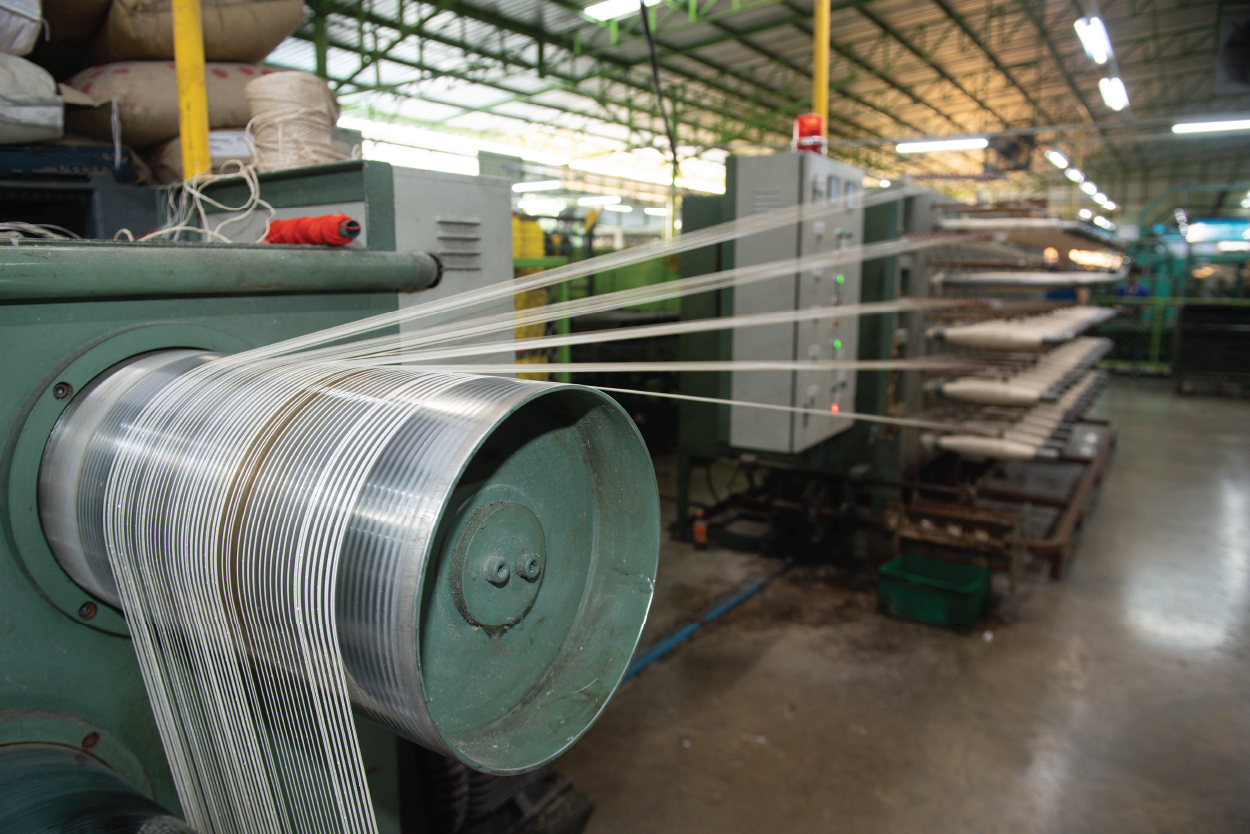
Manufacturing Insight: Nylon Cost Dynamics in CNC Machining
Nylon remains a cornerstone material in rapid prototyping and low-volume production due to its exceptional strength-to-weight ratio, chemical resistance, and wear properties. At Shenzhen Honyo Prototype, we recognize that understanding the cost structure of CNC-machined nylon components is critical for informed design and procurement decisions. Unlike commodity plastics, nylon pricing is highly sensitive to material grade, geometric complexity, and post-processing requirements, making a nuanced approach essential for cost optimization.
Material selection alone drives significant cost variation. Standard unfilled nylons like PA6 or PA66 offer baseline affordability but exhibit higher moisture absorption, potentially necessitating extended drying cycles that increase lead times and energy costs. Engineering-grade variants—such as glass-filled (e.g., PA66-GF30), oil-impregnated, or flame-retardant nylons—command premium pricing due to specialized compounding and tighter process controls. Crucially, moisture content directly impacts machinability; improperly conditioned nylon causes dimensional instability during milling, leading to scrap rates that can inflate project costs by 15–25%. Our facility maintains ISO Class 8 dry storage and integrates real-time moisture monitoring into our workflow, mitigating this hidden cost driver.
Geometric complexity further modulates cost. Nylon’s toughness requires optimized toolpaths to prevent melting or burring, particularly in thin-wall features or intricate contours. Components demanding sub-0.1mm tolerances or high surface finishes (e.g., Ra 0.8µm) incur longer cycle times due to reduced feed rates and specialized tooling. Below is a comparative overview of key nylon grades and their cost-influencing properties:
| Nylon Grade | Density (g/cm³) | Moisture Absorption (%) | Machinability Rating | Typical Cost Premium vs. PA6 |
|——————-|—————–|————————-|———————-|—————————-|
| PA6 (Unfilled) | 1.13 | 2.5–3.0 | Excellent | Base |
| PA66 (Unfilled) | 1.14 | 2.0–2.5 | Very Good | +8–12% |
| PA66-GF30 | 1.38 | 0.5–1.0 | Moderate | +35–45% |
| PA12 (Oil-Filled) | 1.01 | 1.0–1.5 | Good | +25–30% |
Honyo’s integrated approach addresses these variables holistically. Our engineering team collaborates with clients during DFM (Design for Manufacturing) reviews to identify cost-saving opportunities—such as substituting glass-filled nylon with strategic ribbing for stiffness or adjusting tolerances where functional requirements allow. We leverage multi-axis CNC platforms (DMG MORI, HAAS) with high-speed spindles to minimize cycle times while maintaining precision, and our in-house material science lab validates moisture levels pre- and post-machining. This reduces non-conformance rates by up to 40% compared to industry averages.
Strategic material selection reduces cost exposure without compromising performance. For instance, PA12’s lower density and moisture sensitivity often justify its premium for medical or aerospace components requiring long-term dimensional stability. Conversely, PA6 suffices for non-critical consumer parts where moisture exposure is controlled. By aligning material properties with application demands—and leveraging Honyo’s process rigor—clients achieve optimal cost-to-performance outcomes. Partner with us to transform nylon’s cost variables into predictable, competitive advantages for your next prototype or production run.
Technical Capabilities
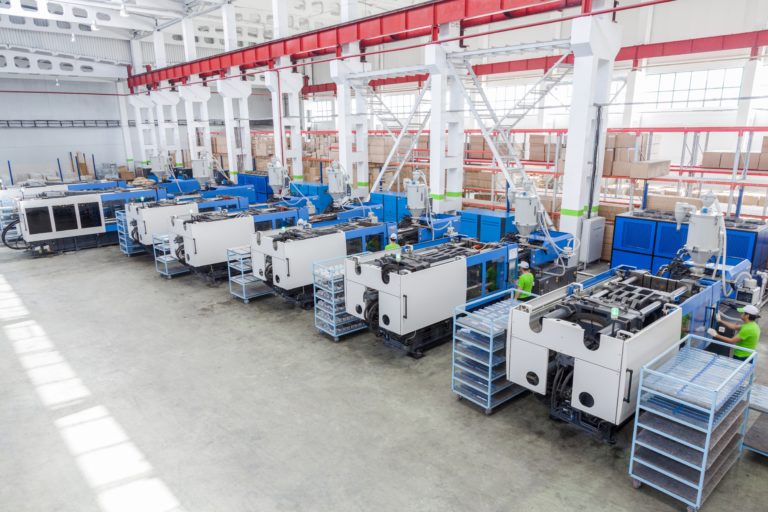
Technical Capabilities: Nylon CNC Machining at Shenzhen Honyo Prototype
At Shenzhen Honyo Prototype, we specialize in high-precision CNC machining services for engineering-grade thermoplastics, with nylon being one of the most widely requested materials due to its excellent mechanical strength, wear resistance, and low friction properties. Our advanced 3-axis, 4-axis, and 5-axis milling capabilities, combined with precision turning operations, enable us to produce complex nylon components with tight tolerances and superior surface finishes. These capabilities are particularly suited for applications in automotive, robotics, industrial automation, and consumer electronics where dimensional accuracy and material performance are critical.
Nylon, particularly grades such as PA6, PA66, and glass-filled variants (e.g., PA6-GF30), presents unique machining characteristics due to its hygroscopic nature and tendency to absorb moisture. To mitigate dimensional instability, we implement strict material conditioning protocols, including pre-drying and post-machining stabilization cycles, ensuring consistent part geometry. Our CNC programming strategies are optimized to minimize thermal buildup and maintain integrity during high-speed cutting, especially when machining thin-walled or intricate geometries.
Our 5-axis simultaneous milling centers allow for complete part fabrication in a single setup, reducing cumulative tolerance stack-up and improving overall accuracy. This is particularly advantageous for complex nylon components requiring angular features, undercuts, or contoured surfaces. For turned nylon parts, our precision Swiss-type and CNC lathe machines deliver concentricity control down to ±0.01 mm, supporting both bar stock and custom billet inputs.
Tight tolerance machining is a core strength at Honyo Prototype. We routinely hold tolerances of ±0.025 mm on critical dimensions, with the capability to achieve ±0.005 mm on select features using in-process probing and high-resolution measurement systems. Our quality control process includes CMM inspection, optical comparators, and digital micrometry, ensuring compliance with ISO 2768 and customer-specific inspection criteria.
Below is a summary of our standard material and tolerance specifications for nylon CNC machining:
| Material Grade | Form Available | Typical Tolerance (Milling) | Tight Tolerance Capability | Max Part Size (mm) | Surface Finish (Ra) |
|———————-|——————–|——————————|—————————–|——————–|———————|
| PA6 (Nylon 6) | Rod, Sheet | ±0.025 mm | ±0.010 mm | 500 x 400 x 300 | 1.6 – 3.2 µm |
| PA66 (Nylon 66) | Rod, Sheet | ±0.025 mm | ±0.010 mm | 500 x 400 x 300 | 1.6 – 3.2 µm |
| PA6-GF30 (30% Glass) | Rod, Sheet | ±0.025 mm | ±0.015 mm | 450 x 350 x 250 | 3.2 – 6.3 µm |
| PA12 | Rod, Sheet | ±0.025 mm | ±0.010 mm | 500 x 400 x 300 | 1.6 – 3.2 µm |
| Custom Blends | Upon Request | ±0.025 mm | ±0.015 mm | Varies | As Specified |
All nylon components are handled with moisture-resistant packaging post-machining, and we offer vacuum sealing upon request to preserve dimensional stability during transit and storage. With a lead time as fast as 3–5 days for prototypes and 7–10 days for production batches, Shenzhen Honyo Prototype delivers reliable, high-precision nylon machining solutions tailored to demanding engineering requirements.
From CAD to Part: The Process
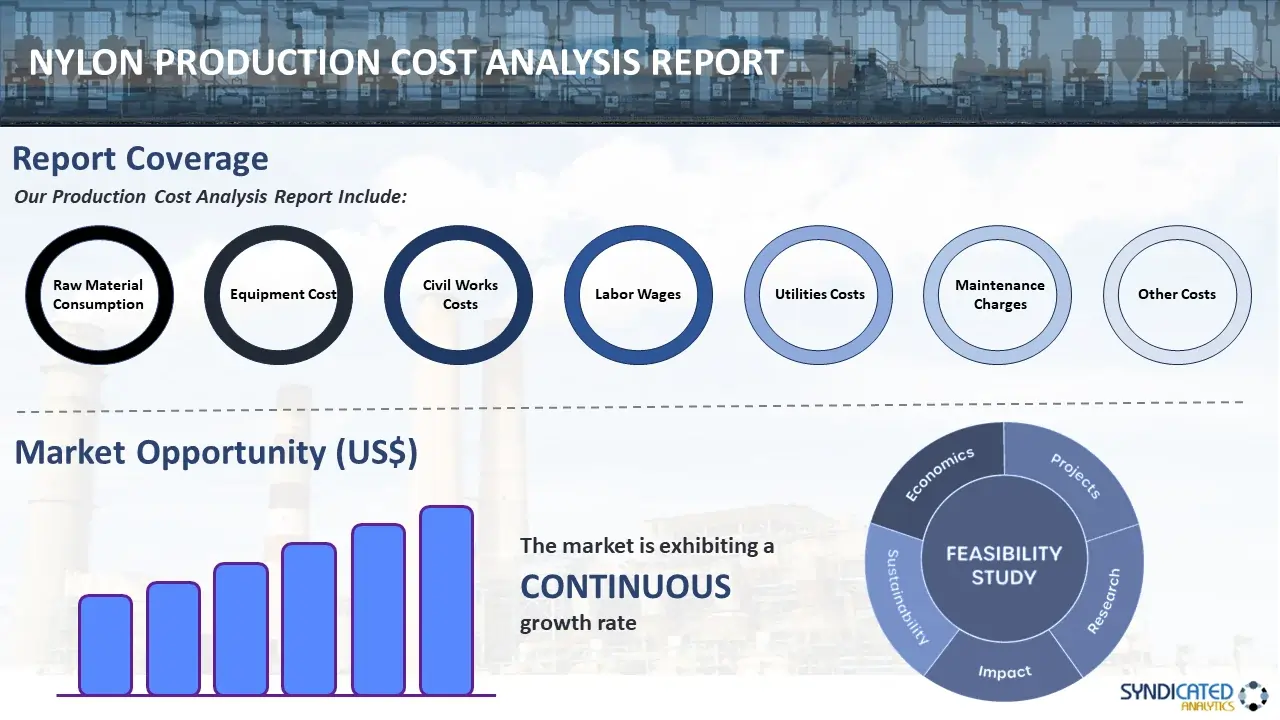
CNC Nylon Machining: Production Workflow from CAD to Part
Shenzhen Honyo Prototype optimizes nylon part production through a structured workflow that addresses material-specific cost drivers. Nylon’s hygroscopic nature, thermal sensitivity, and dimensional instability directly impact machining time, tool wear, and yield—requiring tailored processes to control costs. Our workflow begins with AI-powered quoting, progresses through critical Design for Manufacturability (DFM) analysis, and culminates in precision production.
AI-Powered Quoting Integration
Initial cost estimation leverages proprietary AI algorithms analyzing CAD geometry against nylon-specific parameters. The system factors in moisture content requirements, thermal expansion coefficients, and post-machining stabilization needs. Unlike metals, nylon demands pre-drying protocols and slower cutting speeds to prevent melting or deformation, directly influencing cycle time calculations. The AI cross-references historical data on nylon grades (e.g., PA6, PA66, glass-filled variants) to predict scrap rates and tooling costs, generating transparent, real-time quotes within 2 hours. This phase ensures clients understand cost implications of design choices—such as thin walls or tight tolerances—before DFM.
Nylon-Specific DFM Analysis
DFM review focuses on mitigating nylon’s inherent challenges. Engineers validate moisture content specifications (typically ≤0.2% for machining), assess wall thickness uniformity to prevent warpage during cooling, and verify tolerances align with nylon’s ±0.05mm practical limit for non-critical features. Critical checks include: avoiding sharp internal corners that induce stress cracking, confirming adequate draft for press-fit assemblies, and evaluating support structures for thin sections. Designs requiring sub-0.02mm tolerances trigger automatic cost alerts due to extended dry machining times and metrology requirements. This stage reduces rework by 35% by resolving conflicts before material procurement.
Precision Production Execution
Production commences only after nylon stock is conditioned per ASTM D5229 standards. Material is dried at 80°C for 4–6 hours, then machined under strict environmental controls (23±2°C, 50% RH). Our CNC protocols use specialized parameters to minimize heat generation and part deflection:
| Parameter | Standard Practice | Nylon-Specific Practice | Rationale for Nylon |
|——————–|——————-|————————-|———————————–|
| Spindle Speed | 12,000 RPM | 6,000–8,000 RPM | Prevents localized melting |
| Feed Rate | 1,200 mm/min | 400–600 mm/min | Reduces vibration-induced chatter |
| Coolant | Emulsion | Air blast only | Avoids moisture reabsorption |
| Tool Geometry | Standard HSS | Polished carbide, 45° helix | Minimizes material adhesion |
| Part Ejection | Mechanical | Vacuum-assisted | Prevents deformation of soft stock|
Post-machining, parts undergo 24-hour humidity conditioning at 50% RH to stabilize dimensions before CMM inspection. Final packaging includes desiccant-sealed containers to maintain properties until client receipt.
This integrated workflow—from AI cost modeling through nylon-adapted DFM and production—ensures predictable lead times and cost control. By addressing material behavior at each phase, Shenzhen Honyo Prototype delivers nylon prototypes and low-volume runs with 98% first-pass yield, eliminating hidden costs from material instability. Clients receive not just parts, but documented process validation for seamless transition to volume manufacturing.
Start Your Project
Start Your CNC Machining Project with Precision and Confidence
When it comes to CNC machining nylon components, material selection, precision engineering, and cost-efficiency are critical to project success. At Shenzhen Honyo Prototype, we specialize in delivering high-quality, custom-machined nylon parts tailored to your exact specifications. Whether you’re developing functional prototypes, end-use components, or low-volume production runs, our advanced CNC machining capabilities ensure consistent quality, tight tolerances, and rapid turnaround times.
Nylon is a preferred engineering thermoplastic due to its excellent strength-to-weight ratio, wear resistance, and low friction properties. It performs exceptionally well in applications involving moving parts, gears, bushings, insulators, and structural components. However, machining nylon requires expertise to manage material behavior during cutting—such as thermal expansion and dimensional stability. Our experienced manufacturing team applies optimized toolpaths, controlled feed rates, and precision tooling to produce dimensionally accurate nylon parts with superior surface finishes.
To help you estimate your project costs accurately, we’ve outlined key factors that influence pricing in CNC-machined nylon components:
| Factor | Description |
|——–|————-|
| Material Grade | We offer multiple nylon variants, including Nylon 6, Nylon 66, and glass-filled Nylon (e.g., PA6-GF30). Each grade affects mechanical performance and machinability. |
| Part Complexity | Intricate geometries, thin walls, and tight tolerances may require additional setup time and precision tooling, influencing overall cost. |
| Quantity | Unit cost decreases with volume due to reduced setup amortization. We support one-off prototypes to small-batch production. |
| Tolerances | Standard tolerances are ±0.1 mm. Tighter tolerances (±0.05 mm or better) may increase machining time and inspection requirements. |
| Surface Finish | As-machined, polished, or textured finishes are available. Secondary operations will affect lead time and cost. |
| Lead Time | Standard delivery is 5–7 business days. Rush services are available upon request. |
All quotes are generated based on your 3D CAD file (STEP, IGES, or X_T format) and technical requirements. We provide detailed manufacturability feedback to optimize your design for cost and performance—free of charge.
At Honyo Prototype, we combine cutting-edge CNC technology with rigorous quality control to ensure every nylon component meets your functional and dimensional expectations. Our facility in Shenzhen is equipped with multi-axis machining centers, coordinate measuring machines (CMM), and experienced engineers who oversee every stage of production.
Ready to move forward? The next step is simple. Contact Susan Leo, our dedicated project manager, to discuss your nylon machining needs. Email her directly at info@hy-proto.com with your design files and requirements. She will provide a competitive quote, lead time estimate, and technical recommendations within 12 business hours.
Partner with Shenzhen Honyo Prototype for precision, reliability, and responsive service in every CNC machining project. Let’s turn your design into a high-performance nylon component—efficiently and affordably.
🚀 Rapid Prototyping Estimator
Get a rough estimate for CNC/3D Printing costs.