
Contents
Manufacturing Insight: Galvanized Or Stainless Steel
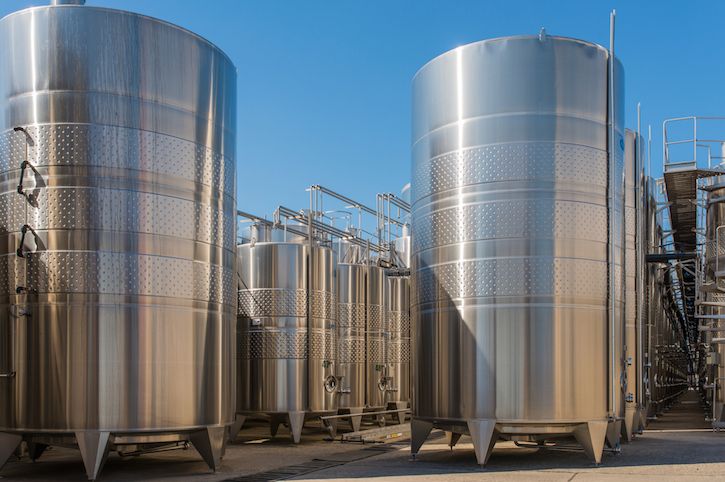
Material Selection Mastery: Galvanized Steel vs. Stainless Steel in Precision CNC Machining
Selecting the optimal base material is a critical engineering decision impacting product longevity, performance, and lifecycle cost, especially for components exposed to environmental stressors. At Shenzhen Honyo Prototype, we specialize in CNC machining both galvanized steel and stainless steel, providing clients with tailored solutions where corrosion resistance is paramount. Galvanized steel offers a cost-effective barrier through its zinc coating, sacrificially protecting the underlying carbon steel substrate in mild to moderate environments like outdoor structural supports or agricultural equipment housings. Stainless steel, particularly austenitic grades, provides inherent corrosion resistance via a chromium oxide passive layer, making it indispensable for demanding applications in marine hardware, chemical processing, medical devices, and food-grade machinery where hygiene and extreme durability are non-negotiable. Understanding the distinct properties and machining considerations of each material is essential for achieving optimal functional and economic outcomes.
The fundamental difference lies in the corrosion protection mechanism and material composition. Galvanized steel starts as low-carbon steel, subsequently coated via hot-dip or electrogalvanizing processes. Stainless steel integrates chromium (minimum 10.5%) and often nickel and molybdenum directly into its alloy structure during melting. This distinction drives significant variations in performance, cost, and manufacturability. Machining galvanized steel requires careful handling post-coating to avoid damaging the zinc layer at edges and holes, while stainless steel, particularly 304 and 316, presents challenges like work hardening and galling during cutting, demanding precise tooling strategies and coolant management. Honyo Prototype possesses deep expertise in navigating these nuances, ensuring dimensional accuracy while preserving the material’s protective qualities.
Key material characteristics and typical applications are summarized below:
| Material Type | Common Grades/Standards | Corrosion Resistance Level | Primary Application Environments | Key CNC Machining Considerations |
| :—————— | :———————- | :————————- | :——————————- | :—————————————- |
| Galvanized Steel | ASTM A123, A153 | Moderate (Zinc Sacrificial)| Outdoor Structures, Agriculture, Automotive Frames | Edge protection critical; avoid coating removal; hydrogen embrittlement risk in high-strength fasteners |
| Stainless Steel | AISI 304, 316 (L) | High (Inherent Passive Layer) | Marine, Chemical, Medical, Food Processing | Work hardening control; specialized tooling/feeds; strict passivation post-machining; thermal management |
Honyo Prototype leverages advanced CNC machining centers and stringent process controls to maximize the potential of both material families. For galvanized components, we implement post-machining inspection protocols using calibrated coating thickness gauges (adhering to ASTM B499) and offer supplementary zinc-rich primers or chromate conversion treatments where enhanced protection at machined edges is required. With stainless steel, our process includes mandatory passivation per ASTM A967 (Citric or Nitric methods) to optimize the passive layer, rigorous chip control procedures to prevent surface contamination, and material traceability to mill certificates for critical applications. Our engineering team actively collaborates during the design phase (DFM) to recommend the most suitable material grade, anticipate potential corrosion hotspots, and suggest geometric features that enhance manufacturability and long-term performance.
Choosing between galvanized and stainless steel involves balancing environmental demands, lifecycle costs, and performance requirements. Honyo Prototype provides the technical expertise, precision manufacturing capability, and material science insight to ensure your CNC-machined components deliver reliable, corrosion-resistant performance in their intended service environment, backed by our commitment to quality and on-time delivery.
Technical Capabilities
Shenzhen Honyo Prototype delivers high-precision CNC machining services for both galvanized and stainless steel components, supporting industries that demand durability, corrosion resistance, and exacting dimensional accuracy. Our advanced 3-axis, 4-axis, and 5-axis milling capabilities, combined with precision turning, enable us to produce complex geometries and tight-tolerance parts for aerospace, medical, automotive, and industrial applications. Whether working with 303, 304, 316 stainless steel or galvanized low-carbon steel substrates, our manufacturing processes are optimized for material integrity, surface finish, and repeatability.
Our 5-axis CNC milling centers provide full contouring capabilities, allowing for the production of highly complex parts in a single setup, minimizing cumulative tolerances and improving overall accuracy. The 4-axis and 3-axis platforms are ideal for prismatic and rotational geometries, offering cost-effective solutions for medium to high-volume runs. All milling operations are supported by high-rigidity machines equipped with thermal compensation and real-time tool monitoring systems to maintain consistency across production batches.
For turning operations, we utilize CNC lathes with live tooling, enabling us to perform milling, drilling, and tapping during the turning process. This capability supports the production of fully finished parts with minimal handling, reducing lead times and improving precision. Both bar-fed and chucking methods are available, tailored to part geometry and volume requirements.
Tight-tolerance machining is a core strength at Honyo Prototype. We consistently achieve tolerances down to ±0.005 mm (±0.0002″) for critical features, with process capability indices (Cp/Cpk) monitored across production runs. Our quality assurance system includes CMM inspection, optical comparators, and surface roughness testers, ensuring compliance with ISO 2768 and customer-specific standards.
The table below outlines our standard and precision tolerance capabilities by process and material type.
| Process | Material Type | Standard Tolerance (± mm) | Precision Tolerance (± mm) | Typical Surface Finish (Ra µm) |
|——————-|————————-|—————————-|—————————–|———————————|
| 3-Axis Milling | Stainless Steel (304/316)| 0.010 | 0.005 | 0.8 – 1.6 |
| 4-Axis Milling | Stainless Steel (303/304)| 0.010 | 0.005 | 0.8 – 1.6 |
| 5-Axis Milling | Stainless Steel (316) | 0.010 | 0.005 | 0.4 – 0.8 |
| CNC Turning | Stainless Steel (303) | 0.010 | 0.008 | 0.8 – 1.6 |
| 3-Axis Milling | Galvanized Steel | 0.015 | 0.010 | 1.6 – 3.2 |
| CNC Turning | Galvanized Steel | 0.015 | 0.010 | 1.6 – 3.2 |
Note: Galvanized steel parts are machined prior to galvanization to avoid post-process dimensional changes. For post-machining galvanization, allowances are incorporated into the design phase to maintain final tolerances.
At Shenzhen Honyo Prototype, we combine advanced CNC technology with rigorous quality control to deliver machined components that meet the highest standards in performance and precision.
From CAD to Part: The Process
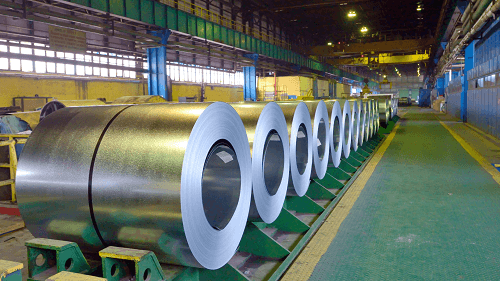
CNC Machining Production Process: Galvanized and Stainless Steel Components
At Shenzhen Honyo Prototype, our CNC machining workflow for galvanized steel and stainless steel components is engineered for precision, efficiency, and material integrity from initial concept to finished part. This structured process ensures optimal manufacturability and performance for demanding applications.
The workflow commences with an AI-Powered Quoting System. Upon receiving your CAD model (STEP, IGES, or native formats), our proprietary AI engine rapidly analyzes geometric complexity, material requirements (specifying 304/316 stainless or ASTM A123 galvanized steel), and requested tolerances. This system cross-references historical production data, current machine utilization, and material availability to generate an accurate, transparent quote within hours, not days. Critical factors assessed include feature accessibility, wall thickness viability, and inherent challenges of machining corrosion-resistant alloys or coated substrates.
Following quote acceptance, the project enters the Critical DFM (Design for Manufacturability) Review. Our senior manufacturing engineers rigorously validate the design against the realities of subtractive processes for these specific materials. For stainless steel (particularly 316), we assess heat generation risks during machining that can compromise corrosion resistance and evaluate optimal toolpath strategies to minimize work hardening. For galvanized steel components, DFM focuses intensely on preserving the zinc coating integrity; we identify features prone to coating chipping (e.g., sharp internal corners, thin walls) and recommend design modifications or post-machining touch-up protocols. We explicitly verify dimensional tolerances against achievable standards for these materials and confirm surface finish requirements align with post-process capabilities like passivation for stainless or recoating zones for galvanized parts. Client collaboration at this stage is essential to resolve conflicts before metal cutting begins.
Precision Production Execution leverages Honyo’s advanced CNC infrastructure. Material selection is strictly controlled per specification, with stainless steel batches traceable to mill certificates and galvanized stock verified for coating thickness and adhesion. Machining employs specialized tooling (carbide grades with appropriate coatings/formulations) and optimized parameters—lower SFM for stainless to manage heat, controlled feeds to prevent galling, and specific coolants compatible with both the base metal and galvanized coating. In-process inspections using CMMs and surface roughness testers ensure adherence to tolerances throughout. Post-machining, stainless steel parts undergo mandatory passivation per ASTM A967 to maximize corrosion resistance, while galvanized components receive meticulous inspection of coating integrity at machined edges, with touch-up applied per ASTM A780 where necessary. Final QA includes dimensional validation against the approved drawing and material certification review.
This integrated workflow, emphasizing material-specific DFM and controlled production, guarantees components meet the stringent performance demands of galvanized and stainless steel applications. Honyo’s focus on eliminating manufacturability surprises accelerates time-to-market while ensuring part reliability.
| Process Phase | Key Activities | Material-Specific Considerations |
| :—————— | :————————————————– | :——————————————————– |
| AI-Powered Quoting | CAD analysis, complexity scoring, material validation, rapid cost estimation | Stainless grade (304/316) heat sensitivity; Galvanized coating thickness impact on stock size |
| DFM Review | Tolerance validation, feature accessibility check, coating integrity assessment, finish feasibility | Preventing stainless work hardening; Avoiding galvanized coating chipping on thin walls/sharp features |
| Production Execution| Specialized tooling/parameters, in-process inspection, passivation (stainless), coating touch-up (galvanized), final QA | Optimized feeds/speeds for corrosion alloys; ASTM A967 passivation; ASTM A780 coating repair |
Start Your Project
Start Your CNC Machining Project with Galvanized or Stainless Steel at Shenzhen Honyo Prototype
When precision, durability, and corrosion resistance are critical to your application, selecting the right material is only the first step. At Shenzhen Honyo Prototype, we specialize in CNC machining of high-performance metals, with expert capabilities in both galvanized steel and stainless steel. Whether your project demands the rugged strength of galvanized steel or the clean, long-term reliability of stainless, our advanced manufacturing processes ensure tight tolerances, superior surface finishes, and rapid turnaround.
Galvanized steel offers exceptional value for structural and industrial applications, combining the strength of carbon steel with a protective zinc coating that resists rust and environmental degradation. It is ideal for outdoor fixtures, enclosures, automotive components, and heavy-duty hardware. On the other hand, stainless steel—particularly grades such as 304 and 316—delivers superior corrosion resistance, hygienic properties, and aesthetic appeal, making it the preferred choice for medical devices, food processing equipment, marine components, and architectural elements.
Our CNC machining services are engineered to handle both materials with equal expertise. Utilizing state-of-the-art 3-, 4-, and 5-axis machining centers, we achieve tolerances as tight as ±0.005 mm, ensuring your parts meet exact design specifications. Our team applies optimized cutting strategies, tooling, and coolant management to maintain material integrity and surface quality, especially important when working with stainless steel’s tendency to work-harden.
We understand that every project begins with a vision. That’s why we offer comprehensive support from design review to final production, including material selection guidance, DFM analysis, and rapid prototyping. Whether you require a single prototype or low-to-mid volume production runs, our scalable processes adapt to your needs without compromising on quality.
Below is a comparison of key properties for commonly machined steel types:
| Material | Tensile Strength (MPa) | Hardness (HB) | Corrosion Resistance | Typical Applications |
|——–|————————|————-|————————|————————|
| Galvanized Steel (ASTM A653) | 300–550 | 120–160 | Moderate to High (zinc-coated) | Industrial frames, brackets, outdoor hardware |
| Stainless Steel 304 | 515 min | 200 max | High | Food equipment, chemical containers, fasteners |
| Stainless Steel 316 | 520 min | 210 max | Very High (chloride resistant) | Marine parts, medical devices, pharmaceutical systems |
At Shenzhen Honyo Prototype, we are committed to delivering machined components that meet the highest standards of performance and reliability. Our ISO-certified facility, combined with rigorous quality control protocols, ensures consistent results across every batch.
Ready to bring your next project to life? Contact Susan Leo today at info@hy-proto.com to discuss your CNC machining requirements. We provide fast quotations, technical consultation, and global shipping to support your development timeline. Let Honyo Prototype be your trusted partner in precision manufacturing.
🚀 Rapid Prototyping Estimator
Get a rough estimate for CNC/3D Printing costs.