
Contents
Manufacturing Insight: Glass Reinforced Nylon
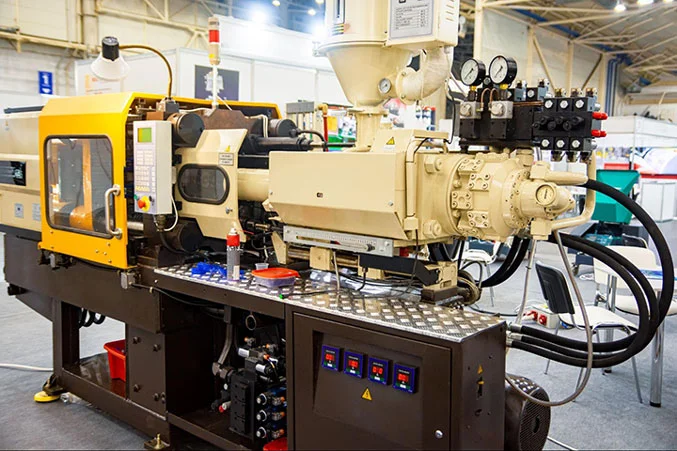
Manufacturing Insight: Glass Reinforced Nylon
Glass reinforced nylon, particularly grades like PA6-GF30 and PA66-GF25, delivers exceptional strength-to-weight ratios and thermal stability for demanding structural applications. At Shenzhen Honyo Prototype, we specialize in CNC machining this challenging material to produce high-integrity components for automotive, aerospace, and industrial equipment sectors. Unlike unfilled nylons, glass fibers (typically 15–35% by weight) significantly enhance rigidity and creep resistance but introduce unique machining complexities. The abrasive nature of glass fibers accelerates tool wear, while anisotropic fiber distribution can cause edge chipping, dimensional instability, and surface finish inconsistencies if not meticulously controlled.
Material Characteristics
Glass reinforced nylon requires precise process calibration to mitigate fiber pull-out and delamination. Standard high-speed steel tools quickly degrade, necessitating polycrystalline diamond (PCD) or carbide inserts with specialized geometries. Coolant selection is equally critical; oil-based coolants reduce heat buildup and fiber fraying compared to water-soluble alternatives. Additionally, clamping forces must be optimized to prevent part deformation without inducing stress cracks in the composite structure. At Honyo, we leverage decades of material science expertise to tailor feed rates, spindle speeds, and depth of cut for each grade, ensuring dimensional accuracy within ±0.05 mm tolerances.
Our Capabilities
Honyo Prototype operates dedicated CNC machining centers with high-rigidity spindles and vibration-dampening fixtures specifically configured for reinforced polymers. We utilize real-time tool monitoring systems to detect wear progression and maintain consistent surface quality (Ra ≤ 1.6 µm). Post-machining, we offer vibratory tumbling or media blasting to eliminate fiber burrs while preserving critical geometries. Our process validation includes in-house tensile and impact testing to verify that machined parts meet ISO 527 and ISO 179 standards for reinforced nylons.
Key material specifications we routinely machine are summarized below:
| Material Grade | Glass Content | Tensile Strength (MPa) | Common Applications |
|—————-|—————|————————|——————————|
| PA6-GF30 | 30% | 130–150 | Automotive brackets, pump housings |
| PA66-GF25 | 25% | 140–160 | Electrical connectors, gear components |
| PA46-GF35 | 35% | 160–180 | High-temp sensor mounts, industrial bushings |
Honyo’s end-to-end workflow—from material sourcing with certified suppliers to first-article inspection—ensures reliability for low-volume prototypes and bridging production. We collaborate with clients during DFM analysis to optimize part geometry, minimizing fiber exposure at critical edges and reducing secondary operations. By integrating material-specific toolpath strategies and rigorous QC protocols, we transform the challenges of glass reinforced nylon into high-performance, functionally validated components. Partner with Honyo to leverage precision machining that meets stringent functional requirements without compromising on lead time or repeatability.
Technical Capabilities
Technical Capabilities: CNC Machining of Glass Reinforced Nylon
At Shenzhen Honyo Prototype, our advanced CNC machining capabilities are optimized for high-performance engineering thermoplastics, including glass reinforced nylon (commonly referred to as PA6-GF or PA66-GF). This material combines the inherent toughness and chemical resistance of nylon with the enhanced mechanical strength, dimensional stability, and heat resistance provided by glass fiber reinforcement. Typically containing 15% to 30% glass fiber by weight, this composite is ideal for applications demanding rigidity, wear resistance, and structural integrity under load—common in automotive, industrial equipment, and consumer electronics sectors.
Our 3-axis, 4-axis, and 5-axis CNC milling systems are calibrated to handle the abrasive nature of glass-filled nylon while maintaining tight tolerances and superior surface finishes. The presence of glass fibers increases tool wear compared to unfilled polymers, so we employ carbide tooling with specialized coatings and optimized cutting parameters to ensure precision and extend tool life. Our machining protocols include reduced feed rates, adjusted spindle speeds, and continuous chip evacuation to prevent fiber pull-out and delamination, ensuring clean, burr-free edges and consistent part geometry.
For turning operations, our CNC lathes deliver high accuracy on both external and internal features. We machine glass reinforced nylon components with complex geometries such as stepped shafts, flanges, and threaded inserts, maintaining concentricity and surface integrity. Our process controls account for minimal moisture absorption post-machining, although we recommend conditioning or sealing parts for long-term use in humid environments.
We specialize in tight-tolerance machining, consistently achieving tolerances down to ±0.025 mm (±0.001″) on critical dimensions. Our quality assurance process includes post-machining inspection using coordinate measuring machines (CMM) and optical comparators to verify dimensional compliance. First-article inspection reports (FAIR) and production-level statistical process control (SPC) data are available upon request.
The following table outlines our standard and achievable tolerances for glass reinforced nylon across different CNC processes:
| Feature Type | Standard Tolerance | Tight Tolerance Capability | Process Applicability |
|————————|——————–|—————————-|——————————-|
| Linear Dimensions | ±0.10 mm | ±0.025 mm | Milling, Turning |
| Hole Diameter | ±0.05 mm | ±0.013 mm | Milling, Drilling |
| Positional Tolerance | ±0.10 mm | ±0.025 mm | 3/4/5-Axis Milling |
| Flatness | 0.10 mm | 0.05 mm | Face Milling |
| Circular Runout | 0.05 mm | 0.02 mm | Turning, Milling |
| Surface Finish (Ra) | 3.2 µm | 0.8 µm | Milling, Turning (polished) |
All machined parts undergo rigorous deburring and visual inspection to meet functional and aesthetic requirements. With in-house material sourcing, we ensure traceability and batch consistency for glass reinforced nylon stock in rod and sheet forms up to 300 mm in diameter or length. Shenzhen Honyo Prototype delivers precision-machined components with rapid turnaround, supporting prototyping and low-to-mid volume production runs.
From CAD to Part: The Process
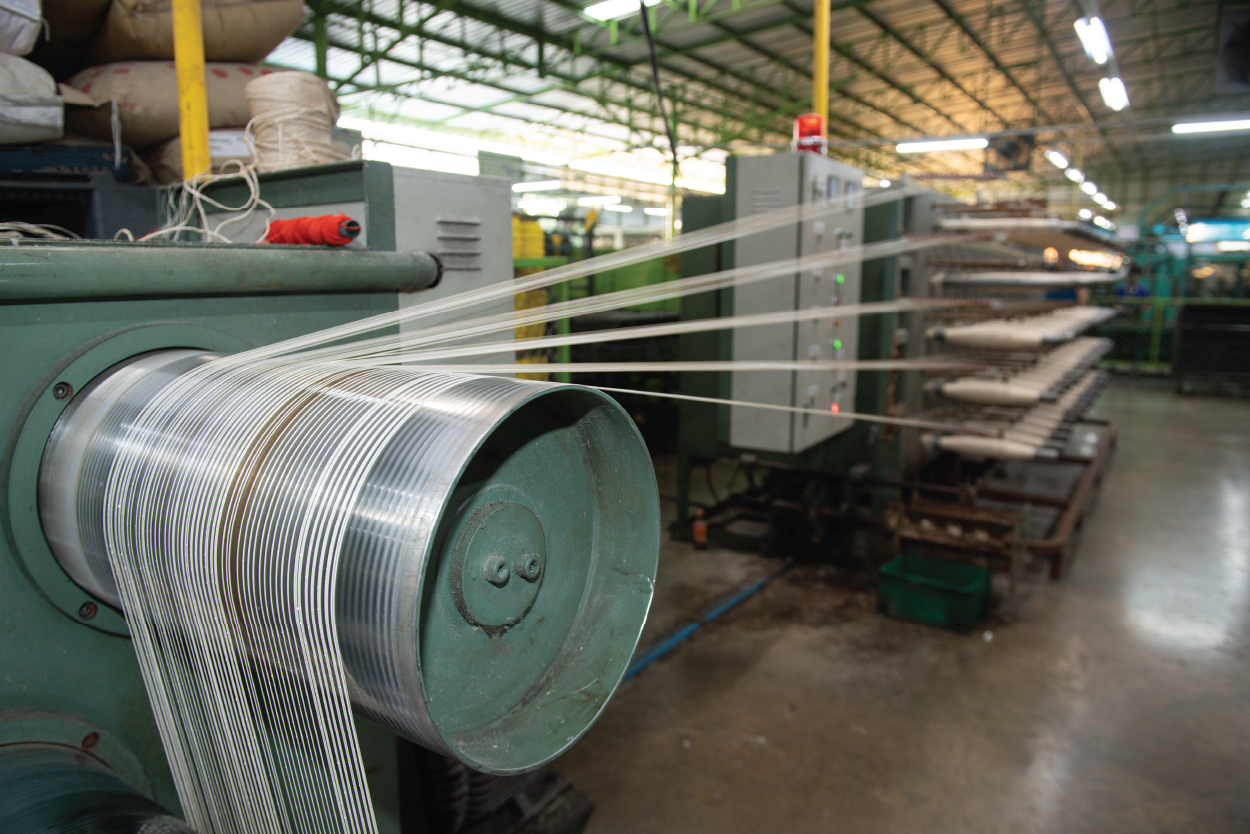
CNC Machining Workflow for Glass Reinforced Nylon Components
Shenzhen Honyo Prototype delivers precision glass reinforced nylon (typically PA6 or PA66 with 15-35% glass fiber) parts through a rigorously defined CNC machining workflow. This process ensures optimal part integrity, dimensional accuracy, and surface finish while mitigating the unique challenges posed by the abrasive glass fibers, such as tool wear, fiber pull-out, and potential internal stress.
The workflow initiates with AI-Powered Quoting. Upon receiving a client’s CAD model (STEP, IGES, or native formats preferred), our integrated AI system performs an immediate preliminary analysis. This system evaluates geometric complexity, material volume, required tolerances, and surface finish specifications against our extensive database of glass reinforced nylon machining parameters. Crucially, it identifies potential high-risk features early, such as thin walls prone to vibration or intricate details susceptible to fiber disruption. The AI generates a rapid, data-driven cost and lead time estimate, providing transparency before formal commitment. Material selection confirmation (e.g., PA66-GF30) is a mandatory input during this stage, as fiber content directly impacts machining strategy and tooling.
Following quote acceptance, the project enters the Critical DFM (Design for Manufacturability) Review. Our senior manufacturing engineers conduct a deep-dive analysis, specifically focused on glass reinforced nylon’s behavior. We scrutinize wall thickness uniformity to prevent sink marks and warpage due to differential cooling rates influenced by fiber orientation. Sharp internal corners are flagged for potential stress concentration and fiber breakage, recommending generous radii. Minimum feature sizes and aspect ratios are verified against the material’s abrasiveness; thin, tall features are particularly vulnerable. Hole depth-to-diameter ratios are assessed to avoid deflection and poor finish. The DFM report provides actionable feedback and optimization suggestions, significantly reducing downstream scrap risk and ensuring the design aligns with the material’s machining realities.
Upon DFM approval and final CAD sign-off, Precision CNC Production commences. Material selection is strictly controlled, utilizing certified, pre-dried glass reinforced nylon stock to prevent moisture-induced defects during machining. Machining employs exclusively sharp, high-performance carbide tooling with specialized geometries and wear-resistant coatings (e.g., TiAlN) to combat abrasive fiber wear. Critical process parameters are meticulously controlled:
| Parameter | Critical Value for PA66-GF30 | Reason |
|——————–|—————————-|—————————————–|
| Cutting Speed | 80-120 m/min | Minimizes heat buildup & fiber pull-out |
| Feed Rate | 0.05-0.15 mm/rev | Balances chip evacuation & surface finish |
| Depth of Cut | ≤ 1.5 x Tool Diameter | Reduces vibration & tool deflection |
| Coolant Strategy | Air Blast or Minimal Mist | Prevents fiber washout; avoids moisture |
Multi-axis CNC machines execute optimized toolpaths, prioritizing consistent chip load and smooth transitions to minimize dwell marks. In-process inspections verify critical dimensions after roughing and before final finishing. Final parts undergo stringent dimensional verification against the CAD model and a thorough visual inspection for surface integrity, ensuring freedom from fiber pull-out, delamination, or excessive burring. This integrated workflow, from AI analysis through targeted DFM to material-specific CNC execution, guarantees that Honyo Prototype delivers high-performance glass reinforced nylon components meeting the most demanding functional requirements while maximizing yield and reducing rework costs for our clients.
Start Your Project
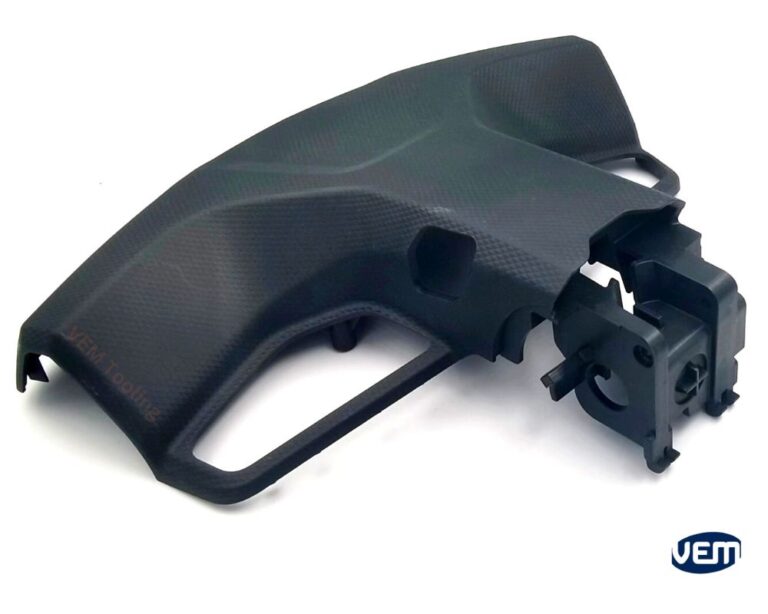
Start Your Project with Precision-Machined Glass Reinforced Nylon
When developing high-performance prototypes or end-use components, material selection plays a pivotal role in achieving the desired mechanical strength, thermal stability, and dimensional accuracy. At Shenzhen Honyo Prototype, we specialize in CNC machining of advanced engineering plastics, with glass reinforced nylon (GRN) being one of our most requested materials. Known for its exceptional strength-to-weight ratio, chemical resistance, and structural rigidity, GRN is ideal for demanding applications in aerospace, automotive, robotics, and industrial equipment.
Glass reinforced nylon, typically formulated with 10% to 33% glass fiber content, offers significant improvements over standard nylon. The addition of glass fibers enhances tensile strength, reduces creep under load, and improves resistance to warping at elevated temperatures. These characteristics make it a preferred choice for functional prototypes and production parts exposed to mechanical stress or harsh environments.
At Honyo Prototype, our CNC machining capabilities ensure tight tolerances—down to ±0.05 mm—and excellent surface finishes on glass reinforced nylon components. Our experienced engineers optimize toolpaths and cutting parameters to minimize fiber pull-out and delamination, ensuring clean edges and consistent part quality. Whether you require low-volume prototypes or bridge production runs, our facility in Shenzhen is equipped with high-precision 3-, 4-, and 5-axis CNC machines to handle complex geometries with confidence.
We understand that every project has unique requirements. That’s why we offer material verification, first-article inspection reports, and real-time production updates. Our team works closely with design engineers to review DFM (Design for Manufacturability) feedback, helping to reduce lead times and avoid costly revisions.
Below are key technical specifications for the glass reinforced nylon grades we commonly machine:
| Property | Value (Typical) |
|——–|—————-|
| Tensile Strength | 130 – 180 MPa |
| Flexural Strength | 180 – 250 MPa |
| Heat Deflection Temperature (HDT) | 180 – 210°C @ 1.8 MPa |
| Moisture Absorption (24 hrs, 23°C) | 0.5 – 0.9% |
| Density | 1.35 – 1.45 g/cm³ |
| Available Fiber Reinforcement | 10%, 20%, 33% glass fiber |
| Standard Tolerance (CNC) | ±0.05 mm |
| Surface Finish (As Machined) | Ra 3.2 µm (typical) |
All materials are sourced from certified suppliers and stored under controlled conditions to ensure consistency and performance.
Starting your project with Honyo Prototype is simple. Share your 3D CAD files and technical requirements, and we’ll provide a rapid quotation with expert feedback. Our goal is to support your innovation with speed, precision, and reliability.
For immediate assistance, contact Susan Leo at info@hy-proto.com. She will guide you through material selection, lead time estimates, and project planning to ensure a seamless manufacturing experience. Let us help you turn your design into a high-performance reality.
🚀 Rapid Prototyping Estimator
Get a rough estimate for CNC/3D Printing costs.