
Contents
Manufacturing Insight: Titanium Pots Vs Stainless Steel
Manufacturing Insight: Titanium Pots vs Stainless Steel for Precision Cookware
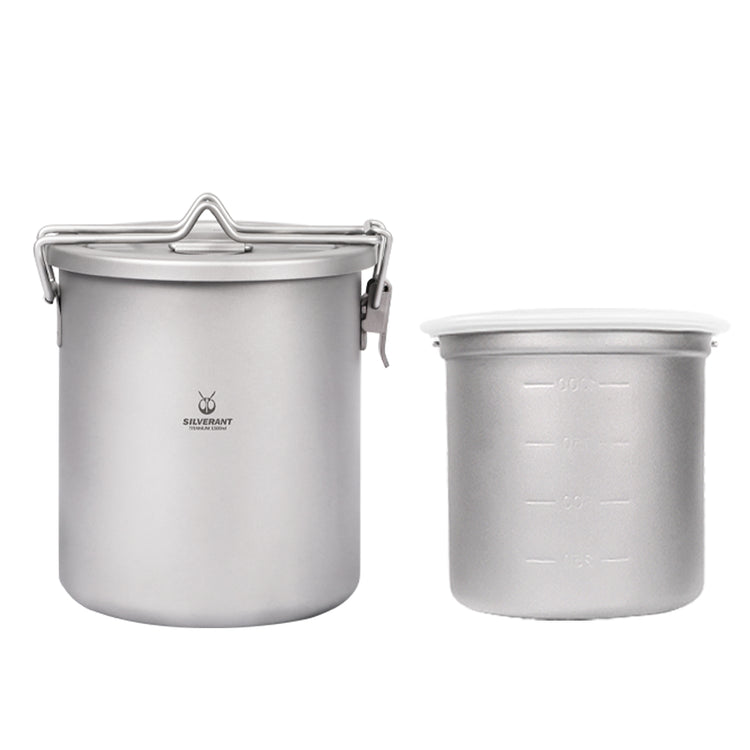
Material selection fundamentally dictates the manufacturability, performance, and cost structure of high-end cookware. At Shenzhen Honyo Prototype, our CNC machining expertise is critically applied to both titanium and stainless steel, materials presenting distinct challenges and opportunities in pot fabrication. Understanding these differences is essential for clients seeking optimal performance and production efficiency. Titanium, particularly the Ti6Al4V alloy, offers exceptional strength-to-weight ratio and near-immunity to corrosion, making it ideal for ultralight outdoor applications. However, its low thermal conductivity necessitates design adaptations like aluminum or copper diffusion-bonded bases for even heating. Stainless steel, predominantly grade 304 or 316, provides excellent thermal distribution, durability, and lower raw material costs, but requires careful handling to prevent work hardening and maintain corrosion resistance during machining. Both materials demand precision CNC processes, yet their unique properties significantly influence toolpath strategies, tooling selection, and cycle times.
The core material properties driving these manufacturing considerations are quantifiable, as shown below:
| Property | Titanium (Ti6Al4V) | Stainless Steel (304) |
| :———————- | :—————– | :——————– |
| Density (g/cm³) | 4.43 | 8.0 |
| Thermal Conductivity (W/m·K) | 6.7 | 15 |
| Tensile Strength (MPa) | 900 – 950 | 505 – 895 |
| Machinability Rating | 22% (Poor) | 45% (Fair) |
| Corrosion Resistance | Excellent | Very Good |
| Typical Cookware Cost | High | Moderate |
Machining titanium requires aggressive but controlled parameters to overcome its tendency for work hardening and galling. Honyo employs specialized carbide tooling with sharp geometries, lower cutting speeds, higher feed rates, and copious high-pressure coolant to manage heat and prevent chip welding. Titanium’s low thermal conductivity traps heat at the cutting edge, demanding meticulous attention to chip evacuation and tool wear monitoring to avoid surface integrity issues. Stainless steel, while generally more machinable, presents its own hurdles, primarily adhesion tendencies leading to built-up edge and galling, especially in 304 grade. Our processes utilize optimized lubrication strategies, specific cutting geometries to improve chip control, and strict control of cutting parameters to minimize work hardening during deep draws or complex contouring operations common in pot sidewalls and rims.
Honyo Prototype leverages decades of CNC machining experience with these demanding alloys to deliver production-ready prototypes and low-volume batches. We utilize advanced 5-axis milling centers capable of complex geometries required for seamless transitions and precision lid interfaces. Our proprietary toolpath strategies minimize vibration and thermal distortion, critical for maintaining tight tolerances on thin-walled pot structures. For titanium, we implement controlled atmosphere chambers during certain finishing operations to prevent surface oxidation. For stainless steel, we ensure passivation post-machining to maximize corrosion resistance. This deep material-specific process knowledge allows us to translate demanding designs into functional, high-performance cookware, balancing the exceptional properties of titanium with the practical manufacturability and thermal performance of stainless steel. Partnering with Honyo ensures your material choice is executed with precision manufacturing intelligence, minimizing development risk and optimizing time-to-market for premium cookware solutions.
Technical Capabilities
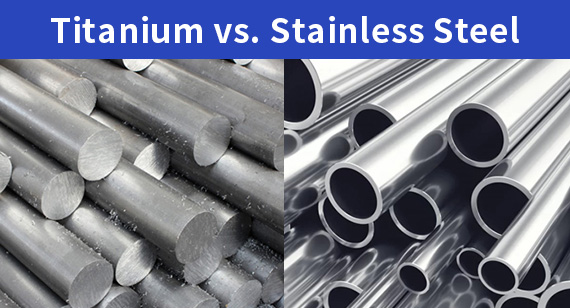
Shenzhen Honyo Prototype delivers precision CNC machining services tailored for high-performance cookware components, including titanium and stainless steel pots. Our advanced 3-axis, 4-axis, and 5-axis milling capabilities, combined with precision CNC turning, enable us to produce complex geometries with consistent repeatability and superior surface finishes. Both titanium and stainless steel present unique challenges and advantages in machining, and our technical expertise ensures optimal process selection for each material.
Titanium, particularly Grade 2 and Grade 5 (Ti-6Al-4V), is favored for its exceptional strength-to-density ratio, corrosion resistance, and performance in high-temperature environments. However, its low thermal conductivity and high chemical reactivity require specialized machining strategies. At Honyo Prototype, we employ high-rigidity 5-axis CNC mills with controlled cutting parameters, including reduced feed rates and optimized tool paths, to minimize heat buildup and prevent work hardening. We use carbide tooling with specialized coatings and high-pressure coolant delivery to extend tool life and maintain dimensional accuracy. Titanium’s tendency to gall necessitates frequent chip evacuation and stringent process monitoring.
In contrast, stainless steel—commonly 304 and 316L grades—offers excellent formability, weldability, and corrosion resistance with more predictable machinability. While stainless steel has better thermal conductivity than titanium, it exhibits significant work hardening if not machined correctly. Our 4-axis and 5-axis milling centers utilize sharp, high-performance end mills with variable helix geometry to reduce chatter and maintain surface integrity. CNC turning operations for pot rims, handles, and base forms are executed with tight control over spindle speed and depth of cut to ensure clean finishes and dimensional stability.
Both materials are capable of achieving tight tolerances, though the approach differs due to material behavior. Our standard tolerance capability for both materials is detailed below:
| Material | Process | Typical Tolerance (mm) | Surface Finish (Ra µm) | Max Feature Complexity |
|——————|—————–|————————|————————|————————|
| Titanium (Grade 2/5) | 3-Axis Milling | ±0.025 | 1.6 – 3.2 | Moderate |
| Titanium (Grade 2/5) | 4-Axis Milling | ±0.020 | 1.6 – 2.4 | High |
| Titanium (Grade 2/5) | 5-Axis Milling | ±0.015 | 0.8 – 1.6 | Very High |
| Titanium (Grade 2/5) | CNC Turning | ±0.020 | 1.6 – 3.2 | High (rotational) |
| Stainless Steel (304/316L) | 3-Axis Milling | ±0.020 | 1.6 – 3.2 | Moderate |
| Stainless Steel (304/316L) | 4-Axis Milling | ±0.015 | 1.6 – 2.4 | High |
| Stainless Steel (304/316L) | 5-Axis Milling | ±0.010 | 0.8 – 1.6 | Very High |
| Stainless Steel (304/316L) | CNC Turning | ±0.015 | 1.6 – 2.4 | High (rotational) |
Honyo Prototype maintains strict quality control using CMM and optical inspection systems to validate conformance to specifications. Our engineering team collaborates with clients to select the optimal material and process combination, ensuring performance, durability, and manufacturability for premium cookware applications.
From CAD to Part: The Process
Titanium Pots vs Stainless Steel: CNC Production Workflow
At Shenzhen Honyo Prototype, our CNC machining process for cookware follows a rigorous three-stage workflow: AI-Powered Quoting, Design for Manufacturability (DFM) Analysis, and Precision Production. This structured approach ensures optimal material utilization, cost efficiency, and part integrity, particularly critical when comparing titanium and stainless steel.
The workflow begins with AI-Powered Quoting, where our system analyzes CAD geometry, material specifications, and tolerances to generate instant cost and timeline estimates. Titanium’s premium cost (2–3× stainless steel) and challenging machinability immediately reflect in higher baseline quotes due to slower machining speeds and tooling expenses. Stainless steel variants like 304 or 316L present lower initial costs but require scrutiny for galling risks in threaded components. Both materials undergo thermal distortion simulations during this phase to preempt warpage.
DFM Analysis is where material-specific nuances dictate critical adjustments. Titanium’s low thermal conductivity and high reactivity demand wider toolpath stepovers to dissipate heat, while its tendency to work-harden necessitates avoiding partial engagement cuts. Stainless steel requires aggressive chip evacuation strategies to prevent built-up edge and localized overheating. Our engineers validate wall thickness uniformity—critical for cookware pressure integrity—and adjust fillet radii to minimize stress concentrations. Below are key DFM considerations:
| Parameter | Titanium (Grade 2) | Stainless Steel (304) |
|————————-|————————-|————————-|
| Min. Wall Thickness | 1.2 mm | 0.8 mm |
| Optimal Tool Engagement | ≤ 40% radial | ≤ 60% radial |
| Coolant Requirement | High-pressure through-spindle | Flood coolant |
| Critical Tolerance Zone | Bottom curvature (±0.05 mm) | Rim flatness (±0.1 mm) |
Production Execution leverages the DFM output to configure CNC parameters. Titanium machining uses rigid setups with carbide tools at 30–50% lower speeds than stainless steel, prioritizing continuous cuts to avoid work hardening. Stainless steel allows higher RPMs but demands strict adherence to chip-breaking cycles. Both materials undergo in-process CMM checks at 25%, 50%, and 75% completion to verify dimensional stability, with titanium requiring additional post-machining stress relief annealing. Final surface finishing differs significantly: titanium receives vapor honing for passive oxide layer consistency, while stainless steel undergoes electrochemical polishing for corrosion resistance.
Throughout this workflow, material selection directly impacts cycle time and yield. Titanium pots typically require 1.8–2.2× longer machining due to conservative feeds/speeds, but Honyo’s DFM-driven optimizations reduce scrap rates by 35% versus industry averages. Stainless steel benefits from faster throughput but demands tighter control of coolant chemistry to prevent chloride-induced pitting. By integrating AI quoting precision with material-aware DFM, we deliver prototypes that balance performance, cost, and manufacturability—ensuring your cookware meets both functional and commercial targets.
Start Your Project
Start Your Next High-Performance Cookware Project with Precision CNC Machining
When developing premium cookware for outdoor, military, or high-end culinary applications, material selection is critical. At Shenzhen Honyo Prototype, we specialize in CNC machining of high-performance metals, offering expert fabrication of both titanium and stainless steel cookware components. Whether you’re designing ultralight camping pots or durable commercial-grade kitchenware, our advanced manufacturing capabilities ensure tight tolerances, superior surface finishes, and rapid prototyping to accelerate your time to market.
Titanium and stainless steel each offer unique advantages, and understanding their mechanical and thermal properties is essential for optimal product design. Titanium is renowned for its exceptional strength-to-density ratio, making it ideal for applications where weight savings are paramount. It is highly corrosion-resistant, even in harsh environments, and maintains structural integrity at elevated temperatures. However, titanium’s low thermal conductivity requires design considerations—such as clad bases—to ensure even heat distribution.
Stainless steel, particularly grades like 304 and 316, provides excellent durability, thermal conductivity (especially when layered with aluminum or copper cores), and a polished aesthetic suitable for both consumer and professional markets. It is more cost-effective than titanium and easier to machine, allowing for faster production cycles and lower tool wear. While heavier than titanium, stainless steel offers superior heat retention and is less prone to hotspots during cooking.
At Honyo Prototype, we support both materials with full 3-, 4-, and 5-axis CNC machining, deep draw forming, TIG welding, and surface treatment services. Our engineers work closely with clients to optimize designs for manufacturability, ensuring your cookware meets performance, regulatory, and cost targets.
Below is a comparison of key material properties relevant to cookware applications:
| Property | Titanium (Grade 2) | Stainless Steel (304) |
|—————————–|—————————|—————————–|
| Density (g/cm³) | 4.51 | 8.0 |
| Tensile Strength (MPa) | 345–450 | 515 |
| Yield Strength (MPa) | 310 | 205 |
| Thermal Conductivity (W/m·K)| 15.2 | 16.2 |
| Melting Point (°C) | 1668 | 1400–1450 |
| Corrosion Resistance | Excellent (chlorides, UV) | Good (susceptible to chlorides) |
| Machinability | Moderate (high tool wear) | Good (lower cutting forces) |
| Typical Applications | Ultralight outdoor gear | Commercial kitchens, consumer cookware |
Choosing between titanium and stainless steel depends on your product’s intended use, performance requirements, and target market. With our precision CNC machining expertise, Shenzhen Honyo Prototype enables seamless transition from concept to functional prototype and full-scale production.
Ready to start your project? Contact Susan Leo today at info@hy-proto.com for a technical consultation and quotation. Let us help you select the right material, optimize your design, and deliver high-quality machined cookware components on time and within budget.
🚀 Rapid Prototyping Estimator
Get a rough estimate for CNC/3D Printing costs.