

Contents
Manufacturing Insight: Impact Resistant Plastic
Manufacturing Insight: Impact Resistant Plastics for CNC Machining
Impact resistant plastics represent a critical material category for applications demanding durability under sudden force, such as protective housings, safety components, and structural elements in demanding environments. At Shenzhen Honyo Prototype, we specialize in the precise CNC machining of high-performance engineering thermoplastics engineered for superior impact absorption, primarily focusing on Polycarbonate (PC) and ABS-Polycarbonate (ABS-PC) blends. These materials offer a vital balance of toughness, dimensional stability, and thermal resistance unattainable with standard commodity plastics, making them indispensable for prototyping and low-volume production where failure is not an option. Unlike injection molding, CNC machining provides unparalleled geometric flexibility and rapid iteration for complex impact-critical parts, eliminating costly mold iterations during the design validation phase.
Machining these materials presents distinct challenges. Their inherent toughness can lead to material smearing, poor chip evacuation, and excessive heat generation if parameters are not meticulously optimized. Polycarbonate, while offering exceptional clarity and impact strength, is prone to stress cracking if machined too aggressively or held under clamping pressure that induces internal stresses. ABS-PC blends improve processability and chemical resistance but require careful control of feed rates and spindle speeds to prevent delamination or surface imperfections. Honyo employs proprietary toolpath strategies and specialized cutting tools with polished flutes and aggressive rake angles specifically designed for these amorphous polymers. We strictly control cutting temperatures through precise coolant application (typically air blast or minimal mist) and optimized chip load to prevent melting or thermal distortion, ensuring pristine surface finishes and maintaining the material’s intrinsic impact properties.
Key Material Specifications for CNC Machining
| Property | Polycarbonate (PC) | ABS-Polycarbonate (ABS-PC) | Test Standard |
| :———————- | :—————– | :————————- | :———— |
| Tensile Strength (MPa) | 55 – 75 | 45 – 65 | ISO 527 |
| Notched Izod Impact (J/m) | 600 – 900 | 300 – 500 | ISO 180 |
| Heat Deflection Temp (°C @ 1.82 MPa) | 130 – 140 | 90 – 110 | ISO 75 |
| Typical Machining Tolerance (± mm) | 0.05 – 0.10 | 0.05 – 0.10 | Honyo Standard|
Honyo Prototype leverages decades of material-specific expertise to deliver dimensionally accurate, functionally validated impact-resistant components. Our CNC machining centers, operating under stringent environmental controls, utilize high-precision collets and low-vibration toolholding systems to minimize deflection and chatter. Comprehensive in-process inspection with calibrated CMMs and optical comparators ensures critical features meet tight tolerances while preserving structural integrity. We provide full material certification and post-machining annealing services where necessary to relieve residual stresses, guaranteeing the final part performs reliably under real-world impact conditions. For engineers developing safety-critical prototypes or pilot production units, Honyo offers the technical partnership and manufacturing excellence required to transform demanding impact-resistant plastic designs into high-fidelity, test-ready components.
Technical Capabilities
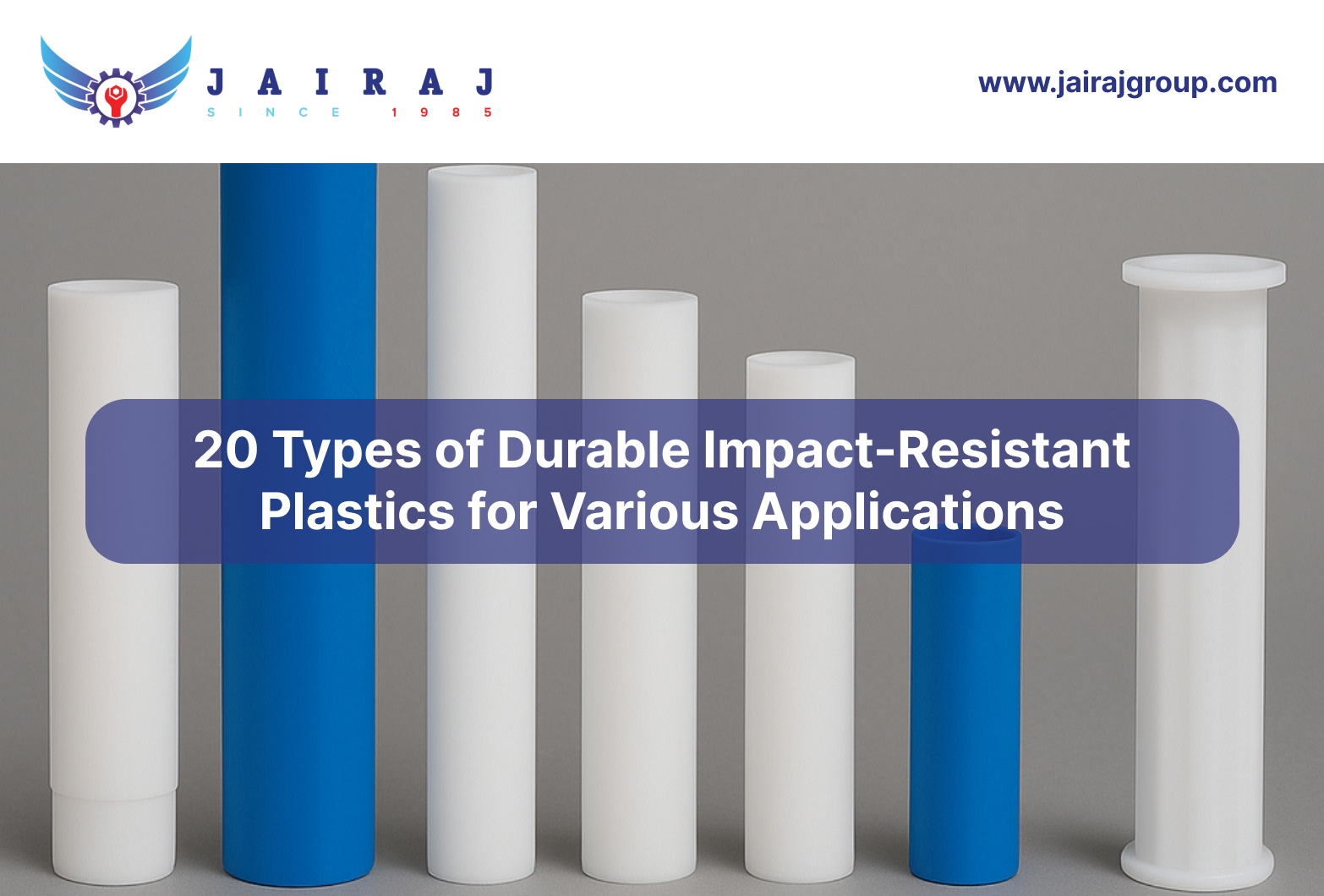
Shenzhen Honyo Prototype delivers high-precision CNC machining services tailored for advanced engineering applications, with specialized capabilities in processing impact resistant plastics. These materials are widely used in aerospace, automotive, defense, and industrial equipment sectors where durability under mechanical stress, thermal stability, and resistance to sudden load impacts are critical. Our 3-axis, 4-axis, and 5-axis milling platforms, combined with precision turning centers, enable the production of complex geometries with consistent repeatability and superior surface integrity.
Our machining processes are optimized for engineering-grade impact resistant thermoplastics such as Polycarbonate (PC), Polyetherimide (PEI / Ultem), Polyphenylene Sulfide (PPS), and Acrylonitrile Butadiene Styrene (ABS). These materials offer high tensile strength, excellent dimensional stability, and resistance to cracking under impact—qualities that make them ideal for safety-critical and high-performance components. Each material is processed under controlled environmental conditions to minimize internal stress and prevent warping, ensuring final parts meet stringent functional requirements.
Honyo Prototype’s CNC systems support multi-sided machining with minimal setup changes, especially on 4-axis and 5-axis platforms, allowing for intricate contours, undercuts, and compound angles often required in impact-resistant component designs. Our in-house programming team utilizes advanced CAM software to generate optimized toolpaths that reduce cycle time while maintaining tight tolerances and surface quality. High-speed spindles, rigid toolholding systems, and real-time tool wear monitoring further enhance machining accuracy and part consistency.
In addition to complex geometry capabilities, we specialize in tight tolerance machining, routinely holding tolerances down to ±0.005 mm for critical dimensions. This level of precision is essential for components that must endure dynamic loading or require precise fitment in high-stress assemblies. All processes follow ISO-compliant quality control protocols, with first-article inspection and final CMM verification available upon request.
The following table outlines the typical materials and achievable tolerances for CNC-machined impact resistant plastics at Shenzhen Honyo Prototype:
| Material | Trade Names (Examples) | Tensile Strength (MPa) | Impact Resistance (Izod, J/m) | Typical Machining Tolerance (± mm) | Max Part Size (mm) |
|——————–|————————|————————|——————————-|————————————|——————–|
| Polycarbonate (PC) | Lexan, Makrolon | 60–75 | 600–850 | 0.01 | 1000 x 600 x 400 |
| PEI (Ultem) | Ultem 1000, 2300 | 100–110 | 800–1000 | 0.005 | 800 x 500 x 350 |
| PPS | Ryton, Fortron | 110–130 | 700–900 | 0.008 | 700 x 400 x 300 |
| ABS | Cycolac, Lustran | 40–50 | 200–300 | 0.015 | 1200 x 700 x 500 |
All materials are sourced from certified suppliers and undergo incoming inspection to verify grade compliance and moisture content, particularly critical for hygroscopic resins like PC and PEI. Post-machining treatments, including annealing and stress-relieving cycles, are applied when necessary to ensure long-term dimensional stability.
Shenzhen Honyo Prototype combines material expertise, advanced CNC infrastructure, and rigorous quality assurance to deliver impact resistant plastic components that meet the most demanding performance standards.
From CAD to Part: The Process
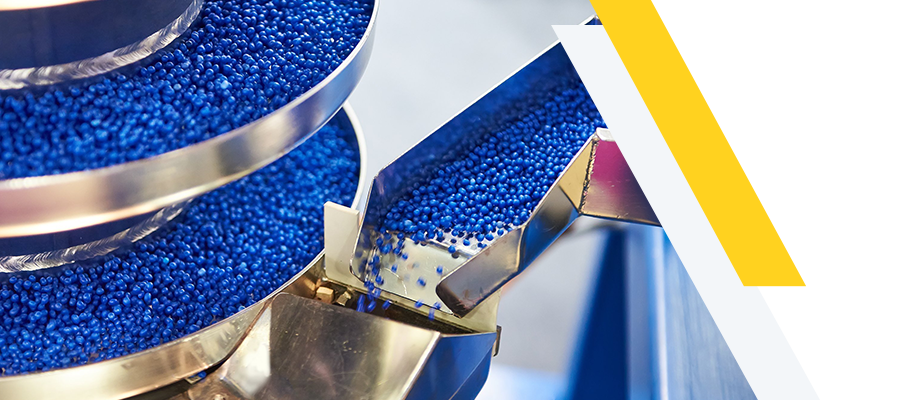
Shenzhen Honyo Prototype: CNC Machining Guide for Impact-Resistant Plastics – Production Process Workflow
This section details the structured workflow Honyo Prototype employs to transform CAD designs into precision impact-resistant plastic components via CNC machining. Our process prioritizes material integrity, dimensional accuracy, and functional performance, specifically addressing the unique thermal and mechanical behaviors of engineering plastics like polycarbonate (PC), ABS, and nylon. The journey from digital model to certified part follows three rigorously defined phases: AI-Powered Quoting, Design for Manufacturability (DFM) Analysis, and Controlled Production Execution.
The workflow initiates with the AI-Powered Quoting System. Upon receiving a validated CAD file (STEP, IGES, or native format), our proprietary AI engine performs rapid geometric and material analysis. It cross-references the design against Honyo’s extensive database of impact-resistant plastic properties, machining parameters, and historical production data. The system automatically identifies critical features such as wall thickness consistency, minimum radii, and potential undercuts. Crucially, it evaluates the design against material-specific constraints—flagging risks like excessive thin sections prone to warpage or stress concentrations that compromise impact resistance. This generates an initial cost estimate, lead time projection, and a preliminary material recommendation report within hours, setting a data-driven foundation for collaboration.
Subsequent to quote acceptance, the Design for Manufacturability (DFM) Review becomes paramount. Honyo’s senior manufacturing engineers conduct a deep-dive analysis, focusing explicitly on plastic machining dynamics. We scrutinize thermal management strategies, as improper heat generation during cutting can melt or craze impact-resistant polymers, degrading their structural integrity. Key checks include verifying adequate chip evacuation paths to prevent re-melting, confirming appropriate wall thicknesses to avoid sink marks while maintaining impact strength, and assessing the feasibility of sharp internal corners which act as failure initiation points under load. Our engineers provide actionable recommendations—such as suggesting optimized radii, adjusting draft angles, or proposing strategic feature segmentation—to enhance manufacturability without sacrificing the part’s impact performance requirements. Client approval of the DFM report is mandatory before proceeding.
Production Execution leverages Honyo’s specialized CNC capabilities for plastics. Machining occurs on temperature-controlled vertical machining centers with high-RPM spindles (15,000–24,000 RPM) and rigid toolholding systems to minimize vibration. We utilize sharp, polished carbide tooling with positive rake angles and specialized geometries designed for low-heat plastic cutting. Feed rates and depths of cut are meticulously calibrated per material properties to ensure clean chip formation and prevent thermal distortion. Critical parameters for common impact-resistant plastics are standardized as follows:
| Material | Spindle Speed (RPM) | Feed Rate (mm/min) | Max Depth of Cut (mm) | Coolant Strategy |
|——————-|———————|——————–|————————|————————|
| Polycarbonate (PC)| 18,000 – 22,000 | 1,200 – 1,800 | 1.5 | Compressed Air Only |
| ABS | 20,000 – 24,000 | 1,500 – 2,200 | 2.0 | Compressed Air Only |
| Nylon 6/6 | 15,000 – 18,000 | 800 – 1,200 | 1.0 | Minimal Mist Lubricant |
Real-time process monitoring ensures parameter adherence. Post-machining, parts undergo stress-relief annealing per material specifications and stringent inspection against GD&T requirements using CMM and optical comparators. Final validation includes visual inspection for surface integrity and, where specified, impact testing per ASTM/ISO standards. This integrated workflow guarantees that every Honyo-manufactured plastic component meets the demanding resilience criteria essential for client applications.
Start Your Project
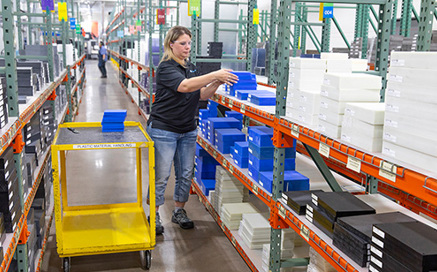
Start Your Impact Resistant Plastic Project with Precision CNC Machining at Shenzhen Honyo Prototype
When engineering demands materials that combine toughness, durability, and dimensional stability under stress, impact resistant plastics become a critical choice. At Shenzhen Honyo Prototype, we specialize in high-precision CNC machining of advanced impact resistant thermoplastics, delivering prototypes and low-volume production parts that meet rigorous performance standards. Whether your application involves automotive components, protective enclosures, medical devices, or industrial tooling, our expertise ensures your design is translated into a reliable, high-performance part—on time and to specification.
CNC machining offers unmatched accuracy for shaping impact resistant plastics, allowing for tight tolerances, complex geometries, and excellent surface finishes. Unlike injection molding, which requires costly tooling and large production runs, CNC machining is ideal for rapid prototyping and small-batch manufacturing. This makes it the preferred method for validating designs, conducting functional testing, and accelerating time-to-market—without compromising on material integrity.
We work with a range of high-performance impact resistant plastics, including polycarbonate (PC), acrylonitrile butadiene styrene (ABS), polyamide (nylon), and copolyesters (PETG). Each material offers distinct advantages in terms of impact strength, thermal resistance, chemical stability, and machinability. Our engineering team evaluates your project requirements to recommend the optimal material and machining strategy, ensuring mechanical performance aligns with design intent.
Our CNC machining capabilities include 3-axis and 4-axis milling, precision turning, drilling, and finishing operations—all conducted on state-of-the-art equipment calibrated for consistent repeatability. We maintain strict quality control throughout the manufacturing process, with in-process inspections and final verification using coordinate measuring machines (CMM) and optical comparators.
Below is a comparison of key impact resistant plastics we routinely machine:
| Material | Tensile Strength (MPa) | Notched Izod Impact (J/m) | Heat Deflection Temp (°C @ 1.8 MPa) | Typical Applications |
|—————-|————————|—————————-|————————————–|——————————————|
| Polycarbonate | 60–75 | 600–850 | 135–140 | Safety shields, instrument housings |
| ABS | 35–50 | 200–300 | 90–105 | Prototypes, consumer electronics |
| Nylon 6 | 70–85 | 120–180 | 70–80 | Gears, bushings, structural components |
| PETG | 50–70 | 400–600 | 70–85 | Medical devices, transparent enclosures |
Every project begins with a detailed review of your CAD models, material specifications, and functional requirements. We provide design for manufacturability (DFM) feedback to optimize part geometry, reduce machining time, and lower costs—all before a single tool spins.
Ready to bring your impact resistant plastic component to life? Contact Susan Leo, Customer Project Manager at Shenzhen Honyo Prototype, to discuss your CNC machining needs. Email us at info@hy-proto.com for a fast, detailed quotation and expert technical support tailored to your project. Let Honyo be your trusted partner in precision manufacturing.
🚀 Rapid Prototyping Estimator
Get a rough estimate for CNC/3D Printing costs.