
Contents
Manufacturing Insight: Plastic Price
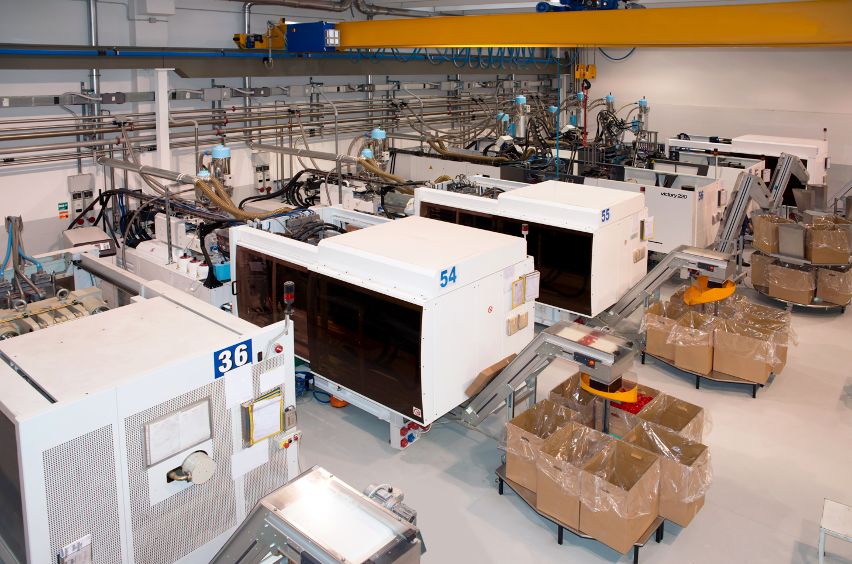
Manufacturing Insight: Plastic Price Economics in CNC Machining
Understanding plastic price dynamics is fundamental to optimizing both cost and performance in CNC-machined prototypes and low-volume production. At Shenzhen Honyo Prototype, we recognize that raw material selection is not merely a line item but a strategic decision impacting manufacturability, part functionality, and total project economics. The base cost per kilogram of engineering thermoplastics varies significantly based on polymer type, grade, supply chain factors, and required certifications. However, the true manufactured part cost is heavily influenced by how efficiently that material machines, its density, and the yield achievable from stock. High-machinability materials like ABS or POM generate less waste, require fewer tool changes, and allow faster feed rates, directly reducing machine time costs despite potentially higher raw material prices per kg compared to some alternatives. Conversely, challenging materials like glass-filled nylons or PEEK, while commanding premium raw material costs, may be essential for end-use performance; our expertise minimizes their machining cost impact through optimized toolpaths and process parameters.
Material density is another critical, often overlooked factor. A denser plastic like Polycarbonate (PC) requires significantly more raw material by volume for the same part geometry than a lighter material like Polypropylene (PP), directly increasing material consumption costs even if the per-kg price is similar. Furthermore, material consistency and thermal stability affect scrap rates; inconsistent stock leads to dimensional errors and rework, inflating the effective cost per good part. Honyo leverages deep material science knowledge and stringent supplier partnerships to source consistent, high-quality stock in optimal sizes, minimizing waste from fixturing and maximizing usable yield from each billet or sheet. Our engineers proactively advise on value-engineering opportunities, such as recommending a slightly more expensive but vastly more machinable grade that reduces overall project cost through higher throughput and lower scrap.
The following table highlights key cost and performance characteristics of common CNC-machined engineering plastics:
| Material | Relative Raw Material Cost | Machinability Rating (1-5, 5=Best) | Density (g/cm³) | Typical Primary Cost Driver Impact |
| :———— | :————————- | :——————————— | :————– | :—————————————— |
| ABS | Low | 5 | 1.04 | Very low waste, high speed = lowest TCO |
| POM (Acetal) | Medium | 4 | 1.41 | Excellent dimensional stability, low scrap |
| Polycarbonate | Medium-High | 3 | 1.20 | Density increases material consumption cost |
| PEEK | Very High | 2 | 1.32 | Raw material dominates; precision critical |
Shenzhen Honyo Prototype integrates material economics into every project from the initial quote. Our manufacturing engineers analyze not just the per-kg plastic price, but model the total cost of ownership considering machining time, expected yield, tool wear, and secondary operations. We provide transparent material cost breakdowns and data-driven recommendations during DFM reviews, ensuring clients select the optimal balance of performance, lead time, and cost. This holistic approach to plastic price management, combined with our efficient Shenzhen-based CNC facility and lean processes, delivers exceptional value for demanding prototyping and bridge production applications. Partner with Honyo to transform material selection from a cost concern into a strategic advantage.
Technical Capabilities
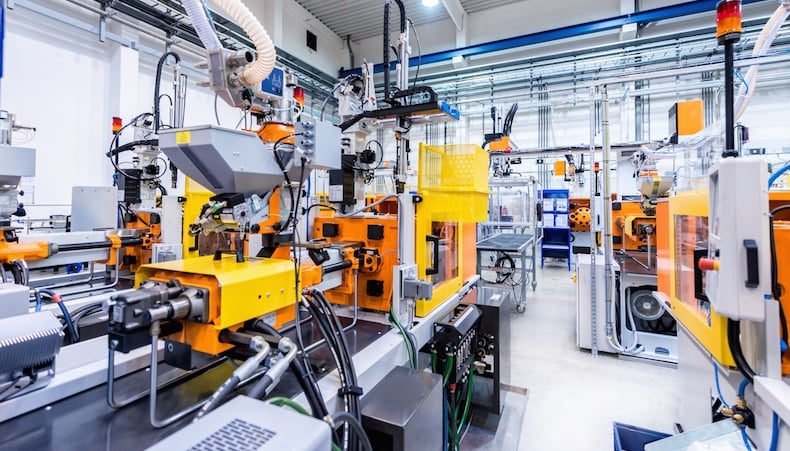
Technical Capabilities in Plastic CNC Machining at Shenzhen Honyo Prototype
Shenzhen Honyo Prototype delivers precision CNC machining services tailored specifically for plastic components, supporting industries such as medical devices, consumer electronics, automation, and aerospace. Our advanced 3-axis, 4-axis, and 5-axis milling capabilities, combined with high-precision turning, enable us to produce complex geometries with consistent accuracy and surface finish. We specialize in engineering-grade thermoplastics that demand tight tolerances, thermal stability, and mechanical performance.
Our 3-axis milling platform is ideal for prismatic parts with straightforward features, offering fast turnaround and excellent repeatability. For components requiring multi-sided access or contoured surfaces, our 4-axis CNC machines provide indexing around the A-axis, enabling efficient machining of cylindrical features and angled details. For the most complex organic shapes—such as impellers, ergonomic housings, or fluid dynamics components—our 5-axis simultaneous milling centers deliver superior precision without the need for multiple setups, reducing cumulative error and improving part consistency.
In addition to milling, our CNC turning centers are optimized for plastic materials, minimizing heat buildup and vibration to prevent deformation. This is critical when machining low-melting-point or hygroscopic plastics such as Nylon or PEEK. Our machinists apply specialized cutting strategies, including sharp tool geometries, high-speed spindle settings, and minimal clamping force, to maintain dimensional stability and surface integrity.
Tight tolerance machining is a core strength at Honyo. We routinely hold tolerances down to ±0.005 mm (±0.0002″) for critical dimensions, with typical tolerances maintained at ±0.025 mm (±0.001″) across most features. Our quality control system includes CMM inspection, optical comparators, and in-process probing to ensure compliance with engineering specifications.
The table below outlines our standard tolerance capabilities and compatible materials for plastic CNC machining:
| Material | Typical Applications | Max Tolerance (± mm) | Max Tolerance (± in) | Notes |
|———|————————|————————|————————|——-|
| PEEK | Medical, aerospace, seals | 0.005 | 0.0002 | High temp resistance, low outgassing |
| PTFE | Seals, bearings, insulators | 0.025 | 0.001 | Low friction, requires special fixturing |
| Acrylic (PMMA) | Displays, lenses, enclosures | 0.025 | 0.001 | Excellent clarity, prone to chipping |
| Nylon (PA6/PA66) | Gears, bushings | 0.025 | 0.001 | Hygroscopic—must be dry-machined |
| POM (Delrin) | Precision gears, fittings | 0.010 | 0.0004 | High stiffness, low creep |
| ABS | Prototypes, housings | 0.025 | 0.001 | Easy to machine, good impact strength |
| PC (Polycarbonate) | Enclosures, lenses | 0.025 | 0.001 | High impact, UV sensitive |
All plastic machining operations are performed in a climate-controlled environment to minimize thermal expansion effects. We also offer post-machining services including stress relieving, polishing, engraving, and metrology reporting to meet strict regulatory and functional requirements.
At Shenzhen Honyo Prototype, our expertise in plastic CNC machining ensures that every component meets the highest standards of precision, reliability, and performance—ideal for both rapid prototyping and low-to-mid volume production.
From CAD to Part: The Process
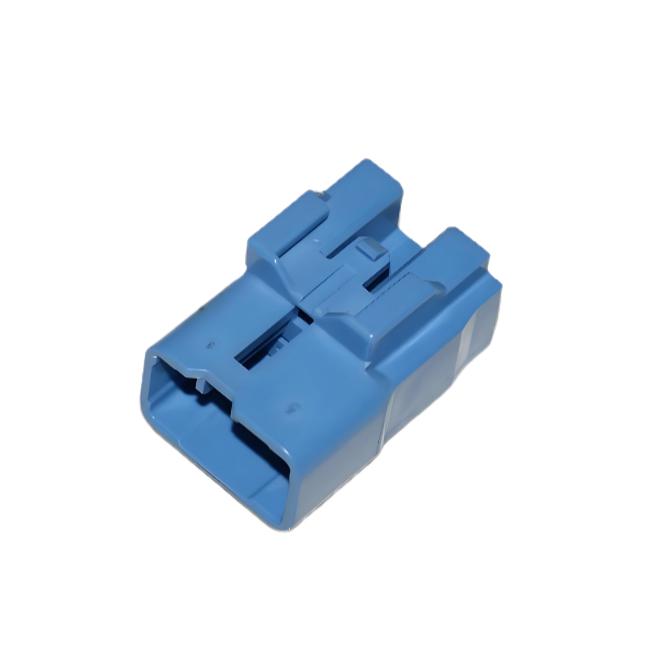
From CAD to Part: CNC Plastic Machining Workflow at Shenzhen Honyo Prototype
Shenzhen Honyo Prototype delivers precision plastic prototypes and low-volume production parts through a rigorously defined CNC machining workflow. This process ensures optimal cost, quality, and speed for plastic components, where material behavior significantly impacts manufacturability and final pricing. Our integrated system moves seamlessly from initial inquiry to finished part, specifically engineered for plastic substrates.
The workflow initiates with the AI Quote System. Upon receipt of a customer’s CAD file, our proprietary AI engine performs an immediate geometric and material analysis. It identifies critical plastic-specific parameters such as minimum wall thickness, internal radii, draft angles, and potential thin-wall sections prone to deflection or vibration during machining. The system cross-references these against Honyo’s extensive database of plastic material properties (e.g., ABS, PC, POM, PEEK) and historical machining data. This enables an instant, highly accurate preliminary quote that factors in inherent plastic challenges like thermal sensitivity, chip evacuation difficulties, and lower rigidity compared to metals. The AI flagging of high-risk geometries at this stage prevents costly iterations later and establishes a realistic baseline for plastic part pricing.
Following quote acceptance, the project enters DFM Validation. Our senior manufacturing engineers conduct a detailed Design for Manufacturability review, focusing exclusively on plastic optimization. This human-led step verifies and refines the AI’s assessment, ensuring the design aligns with the realities of CNC machining plastics. Key considerations include stress concentration points, optimal support structures to prevent chatter, and strategies to minimize residual stress that could cause warpage post-machining. The engineer collaborates with the client to suggest actionable modifications that enhance producibility without compromising function, directly influencing final cost and lead time.
DFM Plastic-Specific Validation Parameters
| Parameter | Plastic-Specific Requirement | Honyo Standard Practice |
| :——————— | :——————————— | :—————————————— |
| Minimum Wall Thickness | ≥ 0.8mm (varies by material/rigidity) | Recommend ≥ 1.2mm for most engineering plastics |
| Tolerance (Typical) | ±0.05mm to ±0.1mm (material dependent) | ±0.05mm standard; tighter achievable with process control |
| Surface Finish | Ra 1.6μm achievable; prone to melting | Optimized feed/speed; specialized tooling for visual surfaces |
| Internal Corners | Radius ≥ 0.5x wall thickness | Mandate radius addition; avoid sharp internal corners |
The validated design then proceeds to Production Execution. Honyo’s CNC machining centers, dedicated to plastics, are configured with optimized parameters. We utilize sharp, polished carbide tooling with specific geometries designed for non-ferrous and plastic materials to ensure clean cuts and prevent melting. Machining strategies emphasize lower spindle speeds, controlled feed rates, and aggressive yet stable chip evacuation to manage heat generation – a critical factor in plastic machining to avoid dimensional instability or surface defects. In-process inspections verify critical dimensions, while final parts undergo rigorous dimensional and visual inspection against the approved drawing. Throughout production, our process control systems continuously monitor parameters to maintain consistency, ensuring the final part meets specifications and the quoted plastic price reflects an efficient, high-yield manufacturing run. This integrated workflow guarantees that plastic prototypes and production parts are delivered with precision, reliability, and transparent cost justification.
Start Your Project
Start Your CNC Machining Project with Confidence at Shenzhen Honyo Prototype
When it comes to precision CNC machining for plastic components, Shenzhen Honyo Prototype delivers industry-leading expertise, advanced technology, and fast turnaround times. Whether you are developing a prototype for validation or preparing for low-volume production, our machining services are engineered to meet the strictest quality standards while keeping costs efficient and lead times predictable. If you’re looking for an accurate plastic price quote tailored to your specific design and material requirements, now is the time to take the next step.
Our CNC machining capabilities support a wide range of engineering-grade thermoplastics, including ABS, POM (Delrin), PC, PA (Nylon), PEEK, PMMA, and more. We utilize high-precision 3-axis and 4-axis CNC machines equipped with automated tool changers and probing systems to ensure dimensional accuracy down to ±0.05 mm. With in-house programming, quality inspection, and surface finishing, we maintain full control over every stage of production—giving you confidence in both performance and repeatability.
To provide a precise plastic price for your project, we require key technical details such as 3D CAD files (preferably in STEP or IGES format), material specifications, required tolerances, surface finish preferences, and order quantity. Once we receive this information, our engineering team conducts a comprehensive manufacturability review to optimize toolpaths, reduce cycle times, and identify potential design improvements—all of which contribute to cost efficiency without compromising quality.
Below is an overview of our standard CNC machining specifications for plastic parts:
| Specification | Detail |
|————–|——–|
| Maximum Work Envelope | 1200 × 600 × 500 mm |
| Positional Accuracy | ±0.02 mm |
| Repeatability | ±0.01 mm |
| Standard Tolerances | ±0.05 mm (tighter upon request) |
| Supported File Formats | STEP, IGES, XT, SLDPRT, X_T, PARASOLID |
| Lead Time (Typical) | 3–7 working days after approval |
| Finishes Available | As-machined, sanding, polishing, painting, silk screening |
At Honyo Prototype, we understand that time-to-market is critical. That’s why we offer rapid quoting and expedited production options for urgent projects. Our team of manufacturing engineers collaborates directly with clients to ensure clarity, resolve design challenges early, and deliver parts that meet functional and aesthetic requirements.
Ready to get an accurate plastic price for your CNC machining project? Contact Susan Leo today at info@hy-proto.com. Include your CAD file and any relevant project notes, and we’ll respond with a detailed quote within 12 hours. Let Shenzhen Honyo Prototype be your trusted partner in turning innovative designs into high-quality, precision-machined plastic components.
🚀 Rapid Prototyping Estimator
Get a rough estimate for CNC/3D Printing costs.