
Contents
Manufacturing Insight: Machining Brass
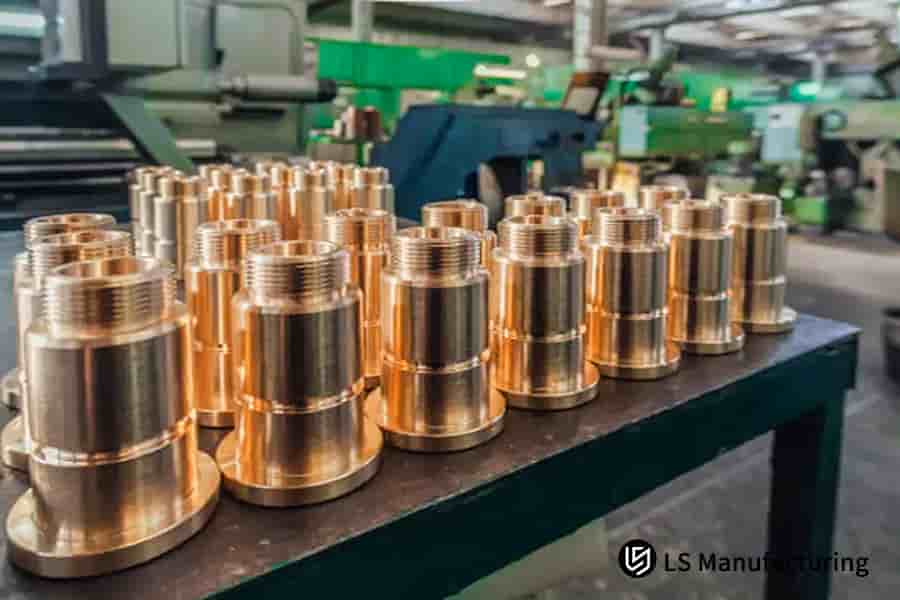
Precision Brass Machining: Unlocking Performance and Efficiency
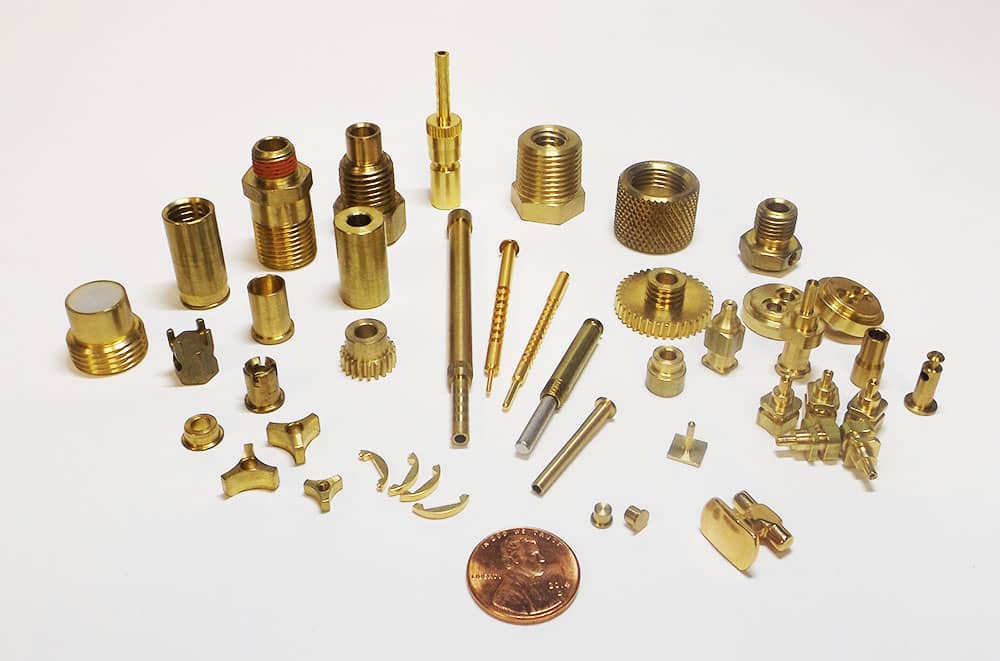
Brass remains a cornerstone material in precision manufacturing due to its exceptional combination of machinability, corrosion resistance, electrical conductivity, and aesthetic appeal. At Shenzhen Honyo Prototype, we leverage decades of specialized CNC machining expertise to transform brass alloys into high-integrity components for demanding applications across electronics, fluid handling, aerospace, and industrial automation. Understanding the unique characteristics of brass is paramount to achieving optimal surface finishes, tight tolerances, and consistent part performance. Free-machining alloys like C36000 (Lead-free alternatives such as C36300 or EnviroBrass III are increasingly specified) dominate production, where the lead content significantly reduces tool wear and improves chip breakability. However, successful brass machining requires precise control over cutting parameters and tooling strategies to mitigate inherent challenges such as galling, built-up edge formation, and dimensional instability due to material softness.
Key machining parameters must be meticulously optimized for brass to prevent work hardening and ensure dimensional accuracy. Excessive feed rates can cause smearing, while insufficient speeds may lead to poor surface integrity. Coolant selection and application are equally critical; while some operations utilize mist coolant for chip evacuation and temperature control, others benefit from flood coolant to prevent chip welding, especially in deep pocketing or threading operations. Tool geometry plays a decisive role – sharp, polished cutting edges with positive rake angles minimize cutting forces and heat generation. Carbide tools are standard, often with specialized coatings like TiN or TiAlN to further enhance wear resistance during extended production runs. Crucially, avoiding adiabatic shear bands during high-speed cutting is essential for maintaining microstructural integrity in critical components.
Honyo Prototype excels in delivering complex brass components through advanced multi-axis CNC milling and turning centers, featuring sub-micron positioning accuracy and high spindle rigidity. Our process engineering team develops tailored machining strategies based on the specific brass alloy, part geometry, and functional requirements. We implement rigorous in-process inspection protocols, including CMM verification and surface roughness testing, ensuring adherence to tolerances as tight as ±0.005mm. Our integrated manufacturing environment allows seamless transition from rapid prototyping to low-to-mid volume production, minimizing lead times without compromising quality. Below are representative optimal parameters for common brass alloys under typical production conditions:
| Parameter | C36000 (Free-Cutting) | C26000 (Cartridge Brass) | C46400 (Naval Brass) |
| :—————– | :——————– | :———————– | :——————- |
| Spindle Speed (SFM) | 300 – 600 | 200 – 400 | 150 – 300 |
| Feed Rate (IPR) | 0.008 – 0.015 | 0.005 – 0.010 | 0.004 – 0.008 |
| Depth of Cut (in) | 0.020 – 0.060 | 0.015 – 0.040 | 0.010 – 0.030 |
| Coolant Type | Mist or Flood | Flood Recommended | Flood Essential |
Partnering with Honyo Prototype ensures your brass components benefit from material science expertise, precision process control, and unwavering commitment to quality. We translate design intent into reliable, high-performance parts, leveraging brass’s inherent advantages while systematically addressing its machining nuances. Contact our engineering team to discuss how our optimized brass machining capabilities can accelerate your product development and production success.
Technical Capabilities
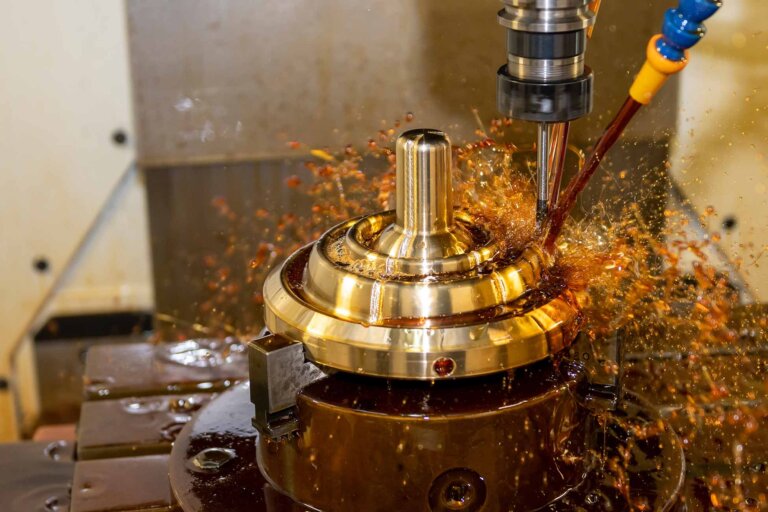
Precision Brass Machining at Shenzhen Honyo Prototype
Shenzhen Honyo Prototype specializes in high-precision CNC machining of brass components, leveraging advanced 3-axis, 4-axis, and 5-axis milling centers alongside multi-axis turning systems to deliver complex, tight-tolerance parts for industries including aerospace, medical devices, automation, and precision instrumentation. Brass, known for its excellent machinability, corrosion resistance, and electrical conductivity, is a preferred material for functional prototypes and low-to-medium volume production runs. Our machining capabilities are optimized to exploit the favorable characteristics of brass alloys while maintaining exceptional dimensional accuracy and surface finish.
Our 5-axis CNC milling platforms enable the production of highly intricate brass components with reduced setup requirements and superior geometric consistency. By utilizing simultaneous multi-axis motion, we achieve complex contours, undercuts, and angled features in a single setup, minimizing cumulative tolerances and enhancing part repeatability. For rotational geometries, our CNC turning centers support live tooling and sub-spindle operations, allowing for complete machining of brass shafts, connectors, fittings, and valve components without secondary operations. All machines operate under strict environmental controls and are maintained to ISO 9001 standards, ensuring consistent output across batches.
Tight-tolerance machining is a core competency at Honyo Prototype. We routinely hold tolerances down to ±0.005 mm (±0.0002″) on critical dimensions, with process capabilities validated through in-house CMM inspection, optical comparators, and surface roughness testing. Our quality management system supports full traceability, first-article inspection reports (FAIR), and PPAP documentation upon request.
The following table outlines our standard machining capabilities and achievable tolerances for common brass materials:
| Material | Common Alloys | Max Part Size (mm) | Typical Tolerance (Milling) | Typical Tolerance (Turning) | Surface Roughness (Ra) |
|———|—————|———————|——————————|——————————|————————-|
| Free-Cutting Brass | C3604, C37700 | 600 x 400 x 300 | ±0.01 mm | ±0.008 mm | 0.8 – 1.6 µm |
| Naval Brass | C46400 | 500 x 400 x 250 | ±0.012 mm | ±0.01 mm | 1.6 – 3.2 µm |
| Dezincification-Resistant Brass | C70600 | 550 x 350 x 280 | ±0.01 mm | ±0.008 mm | 0.8 – 1.6 µm |
| High-Strength Brass | C48500 | 450 x 300 x 200 | ±0.015 mm | ±0.012 mm | 1.6 – 3.2 µm |
We support both metric and imperial drawings, with GD&T application for critical features. Secondary operations such as polishing, plating, passivation, and laser marking are available through our certified partner network. At Shenzhen Honyo Prototype, our expertise in brass machining combines material science insight with precision engineering to deliver components that meet the most demanding technical requirements.
From CAD to Part: The Process
From CAD to Part: Brass CNC Machining Workflow at Honyo Prototype
At Shenzhen Honyo Prototype, our brass CNC machining process transforms client CAD models into precision components through a rigorously defined workflow. This ensures optimal efficiency, cost control, and part integrity specific to brass alloys like C36000, C26000, and C28000. The sequence begins with an AI-driven quote, advances through engineering validation, and culminates in high-accuracy production.
AI Quote Phase
Our proprietary AI system ingests the client’s 3D CAD file to perform initial feasibility and costing analysis. It automatically identifies brass-specific parameters: material grade selection based on machinability requirements, geometric complexity scoring, and tolerance validation against ISO 2768-mK standards. The AI assesses features prone to challenges in brass—such as thin walls (<1.5mm) or deep pockets where chip evacuation is critical—and flags potential cost drivers. This phase reduces manual quoting time by 70% while providing clients with data-driven lead times and cost estimates within 2 hours.
DFM Analysis Phase
Following the AI quote, our manufacturing engineers conduct a hands-on Design for Manufacturability (DFM) review. For brass components, this focuses on mitigating material-specific risks:
Optimizing wall thickness to prevent chatter (minimum 2.0mm recommended for unsupported features)
Redesigning sharp internal corners to ≥0.5mm radius to avoid tool deflection and burring
Validating hole depth-to-diameter ratios (max 4:1 without specialized tooling) to control chip packing
Recommending brass-appropriate surface finishes (e.g., 0.8–3.2 μm Ra) to avoid over-polishing, which accelerates oxidation.
Engineers collaborate with clients to resolve conflicts, ensuring the design leverages brass’s excellent machinability while eliminating non-value-added operations. DFM approval is mandatory before programming.
Production Execution Phase
Approved designs move to CNC machining using HAAS and DMG MORI centers with brass-optimized parameters. We implement strict protocols for brass:
Coolant management: Minimal mist coolant to prevent chip recutting; flood coolant avoided to reduce oxidation staining
Toolpath strategy: High-feed milling for pocketing, constant chip load control to manage stringy brass chips
In-process inspection: First-article verification of critical diameters and flatness per ASME Y14.5
Secondary operations: Deburring with non-marring tools (e.g., nylon brushes) and passivation to delay tarnishing.
Key brass machining parameters are standardized as follows:
| Parameter | C36000 (Free-Cutting) | C26000 (Cartridge) | C28000 (Naval Brass) |
|——————–|————————|——————–|———————-|
| Spindle Speed (SFM) | 500–800 | 350–600 | 300–500 |
| Feed Rate (IPM) | 0.015–0.025 per tooth | 0.010–0.020 | 0.008–0.015 |
| Max Depth of Cut | 2.5 mm | 1.8 mm | 1.5 mm |
| Tool Coating | Uncoated Carbide | TiN | AlTiN |
Final parts undergo 100% dimensional validation against the CAD model using Zeiss CMMs, with microfinish and visual inspection confirming absence of smearing or micro-fractures. This integrated workflow—from AI analysis through brass-specific DFM to controlled production—ensures Honyo delivers brass prototypes and low-volume runs with 98.5% first-pass yield, meeting aerospace, medical, and electronics industry standards.
Start Your Project
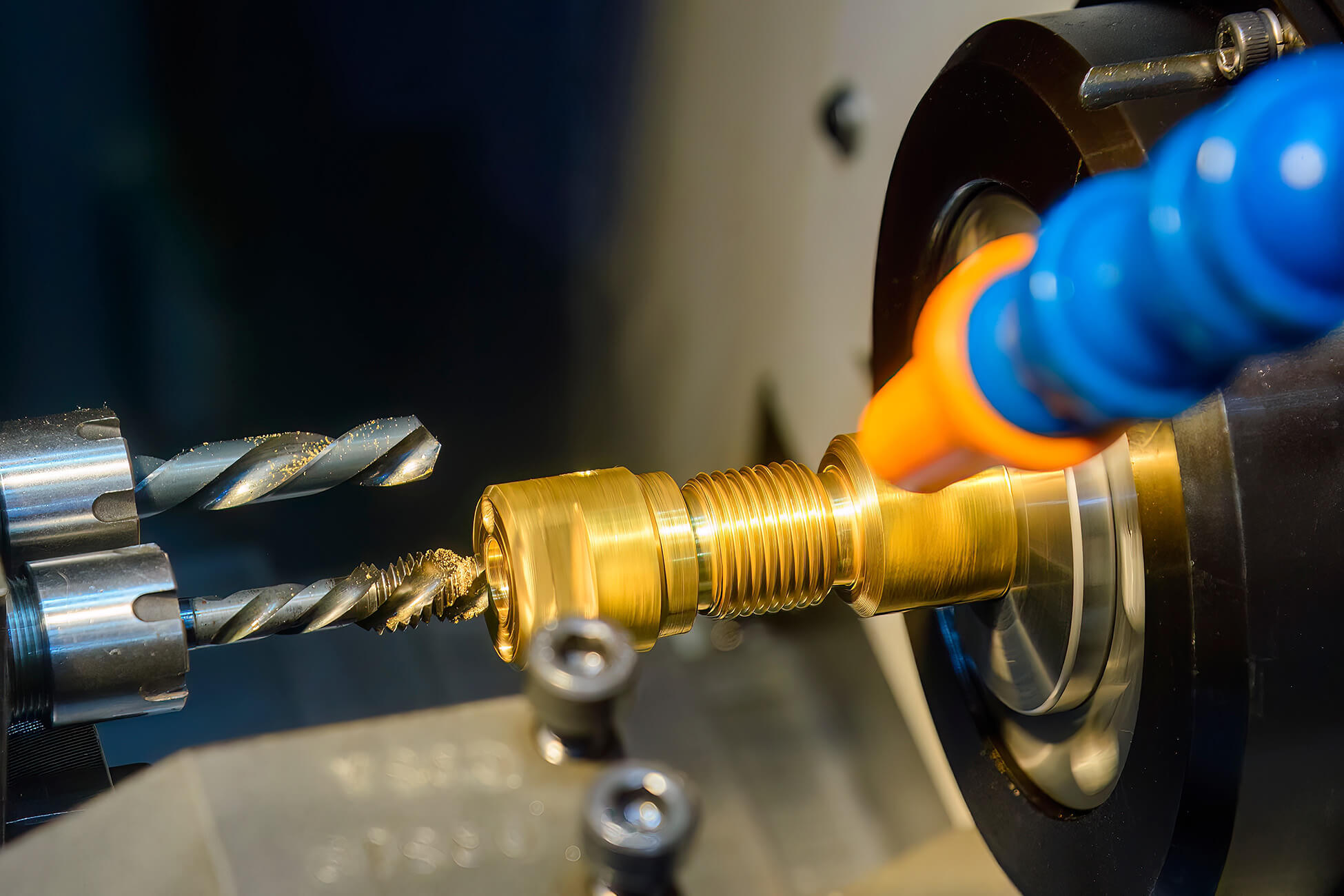
Start Your Precision Brass Machining Project with Honyo Prototype
When it comes to high-precision CNC machining of brass components, Shenzhen Honyo Prototype delivers unmatched accuracy, speed, and reliability. Whether you’re developing intricate connectors, hydraulic fittings, valve bodies, or custom electrical terminals, brass offers excellent machinability, corrosion resistance, and conductivity—making it a preferred material in aerospace, medical, automotive, and electronics industries. At Honyo Prototype, we specialize in turning your designs into fully functional brass prototypes and production parts with tight tolerances and superior surface finishes.
Our advanced CNC machining capabilities support a wide range of brass alloys, including C36000 (free-cutting brass), C26000 (cartridge brass), and C28000 (naval brass), each selected based on your application’s mechanical, thermal, and environmental demands. With 5-axis milling, precision turning, and automated deburring, we ensure every brass component meets exact dimensional specifications and quality standards. Our in-house quality control includes CMM inspection, optical measurement, and surface roughness testing to guarantee consistency across both prototypes and batch production runs.
We understand that time-to-market is critical. That’s why Honyo Prototype offers rapid turnaround times without compromising precision. From your initial 3D CAD file to final delivery, our engineering team collaborates closely with you to optimize toolpaths, reduce material waste, and ensure design for manufacturability (DFM). Our ISO 9001-certified processes and strict adherence to international quality standards mean you receive parts that are not only accurate but repeatable and reliable.
To help you get started, below is a summary of our standard brass machining specifications:
| Specification | Detail |
|————–|——–|
| Material Options | C36000, C26000, C28000, and custom brass alloys |
| Tolerance | ±0.005 mm (typical), down to ±0.002 mm for critical features |
| Surface Finish | As-machined (Ra 1.6–3.2 µm), optional polishing, plating, or coating |
| Maximum Part Size | 600 × 400 × 300 mm (XYZ) |
| Minimum Feature Size | 0.5 mm internal radius, 0.3 mm hole diameter |
| Lead Time | 3–7 days for prototypes, 7–12 days for small batches |
| Quality Standards | ISO 9001:2015, First Article Inspection (FAI), PPAP available |
Every project begins with a conversation. At Honyo Prototype, we believe that clear communication and technical collaboration are the foundations of successful manufacturing outcomes. Our engineering team is ready to review your design, provide expert feedback, and recommend the best brass alloy and machining strategy for your application.
Ready to move forward? Contact Susan Leo, our dedicated manufacturing coordinator, to start your brass machining project today. Whether you need a single prototype or a low-volume production run, we’re equipped to support your goals with precision, professionalism, and speed.
Email: info@hy-proto.com
Let Honyo Prototype be your trusted partner in precision brass CNC machining.
🚀 Rapid Prototyping Estimator
Get a rough estimate for CNC/3D Printing costs.