
Contents
Manufacturing Insight: Nylon Absorb Water
Manufacturing Insight: Nylon Moisture Absorption in Precision CNC Machining
Nylon’s inherent hygroscopic nature presents critical considerations for CNC machining operations. As a semi-crystalline polymer, nylon readily absorbs atmospheric moisture, leading to significant dimensional instability and altered mechanical properties. This absorption occurs rapidly—unconditioned nylon 6/6 can reach equilibrium moisture content (EMC) of 2.5% in 72 hours at 50% relative humidity (RH), causing linear expansion up to 0.7%. For precision components requiring tight tolerances (±0.05mm or better), unmanaged moisture absorption induces post-machining warpage, surface finish degradation, and compromised part functionality. At Honyo Prototype, we treat moisture control as a foundational element of our nylon machining process, not an afterthought.
The primary machining challenges stem from moisture-induced dimensional shifts. As nylon absorbs water, polymer chains swell, altering critical geometries. A 100mm nylon part may grow 0.7mm radially upon full saturation—exceeding tolerance limits for assemblies like seals, gears, or fluidic components. Concurrently, moisture plasticizes the material, reducing chip evacuation efficiency during milling and increasing the risk of built-up edge on cutting tools. This necessitates specialized toolpath strategies and optimized feed rates to prevent thermal damage. Crucially, machining “dry” nylon (as-delivered) followed by moisture exposure in service creates irreversible dimensional drift, rendering parts non-conforming in final application.
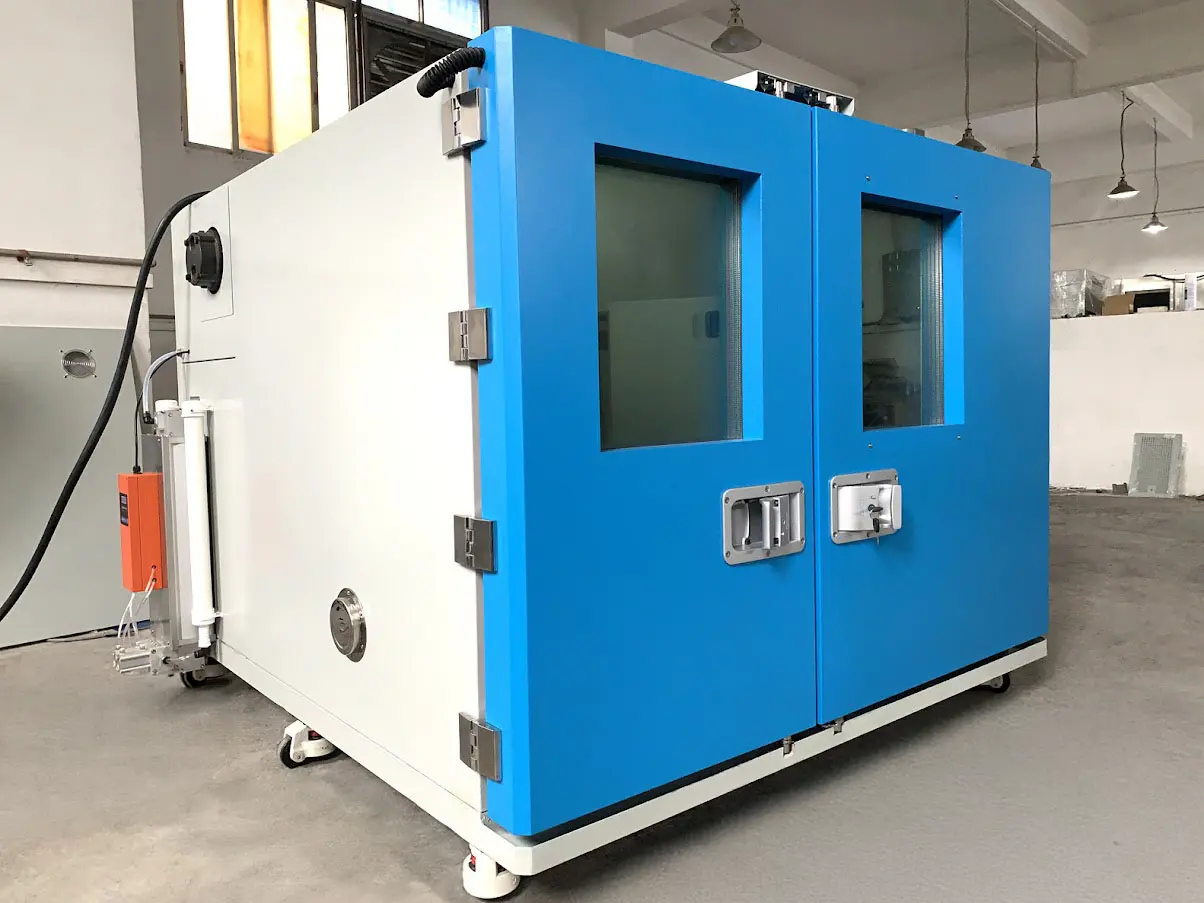
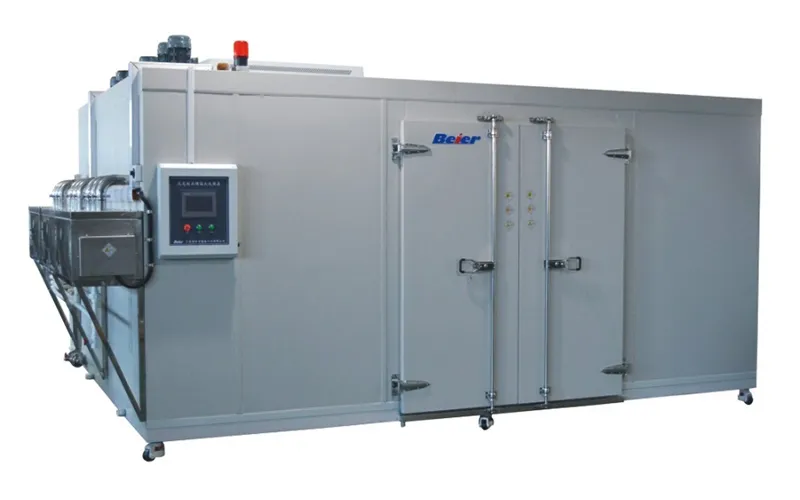
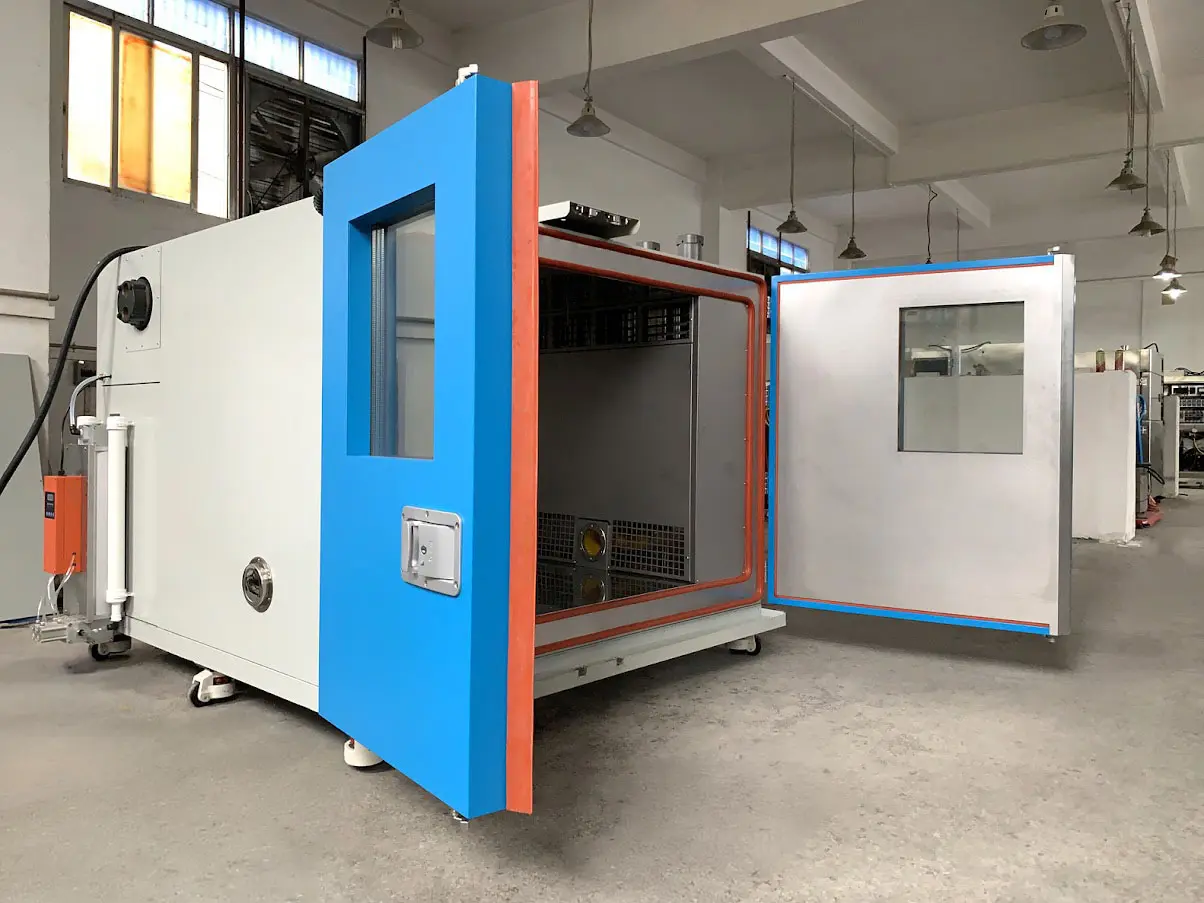
Honyo Prototype mitigates these risks through integrated environmental protocols and material science expertise. All nylon stock undergoes mandatory pre-machining conditioning in climate-controlled chambers (23°C ±2°C, 50% RH ±5%) for 96+ hours to achieve stable EMC. Our CNC workcells operate within humidity-monitored environments (45-55% RH), preventing rapid reabsorption during processing. We implement adaptive machining sequences: roughing at elevated stock allowances followed by precision finishing after intermediate stabilization pauses. Post-machining, parts undergo controlled desiccant drying before final inspection to lock dimensions at service conditions.
Key moisture-related parameters we rigorously manage include:
| Parameter | Impact on Machining | Honyo Control Standard |
|————————–|———————————————-|——————————|
| Equilibrium Moisture Content | Dimensional growth (0.5-0.8% per 1% moisture) | Pre-machining: 2.0-2.5% |
| Machining Ambient RH | Real-time dimensional drift during operation | 45-55% RH during all stages |
| Post-Machining Drying | Stabilization for final dimensions | 80°C for 4hrs in desiccant |
| Tolerance Sensitivity | Critical for ≤±0.1mm features | Adjust stock allowance +0.3% |
Our Shenzhen facility leverages localized climate data to refine conditioning cycles, addressing Southeast Asia’s high-humidity challenges. By treating nylon as a dynamic material system rather than a static blank, Honyo ensures first-pass yield rates exceeding 92% for moisture-sensitive nylon components. This disciplined approach enables clients to achieve consistent dimensional integrity in demanding applications—from medical housings to aerospace latches—without costly redesigns for humidity compensation. Partnering with Honyo transforms nylon’s hygroscopic behavior from a manufacturing risk into a controllable process variable.
Technical Capabilities
Nylon and Moisture Absorption: Technical Considerations in CNC Machining
At Shenzhen Honyo Prototype, we specialize in high-precision CNC machining of engineering plastics, including nylon—a material widely used for its excellent mechanical strength, wear resistance, and chemical stability. A critical factor in the machining and post-processing of nylon components is its hygroscopic nature. Nylon readily absorbs moisture from the environment, which can significantly affect dimensional stability, mechanical performance, and long-term reliability of machined parts.
Nylon, particularly grades such as PA6 and PA66, can absorb up to 2.5–3.0% of its weight in water under standard atmospheric conditions (23°C, 50% RH). This moisture absorption leads to volumetric expansion, which may result in part warpage, altered tolerances, or fit issues in precision assemblies. Therefore, understanding and managing moisture content is essential during both machining and end-use applications.
For high-accuracy applications requiring tight tolerances, we recommend post-machining conditioning to stabilize the material. This involves controlled exposure to humidity or water immersion to achieve equilibrium moisture content before final inspection or assembly. Alternatively, for parts requiring maximum dimensional consistency, we offer machining of pre-conditioned nylon or the use of modified grades such as moisture-stabilized or glass-filled nylon (e.g., PA6-GF30), which exhibit reduced water absorption and improved dimensional stability.
Our 3-, 4-, and 5-axis CNC milling capabilities enable complex geometries with high repeatability and surface finish control. For turning operations, we support both external and internal precision features on nylon components, including shafts, bushings, and threaded elements. All processes are optimized to minimize heat generation and avoid material deformation, which is particularly critical when machining hygroscopic materials like nylon.
Tight tolerance machining down to ±0.025 mm is achievable, though final tolerances must account for post-machining moisture uptake. We advise customers to specify the intended service environment during quoting so we can recommend appropriate material conditioning and tolerance allowances.
Below is a summary of key material specifications and achievable tolerances for nylon in CNC machining:
| Material Grade | Moisture Absorption (23°C, 50% RH) | Typical Tolerance (Machined) | Tight Tolerance Capability | Recommended Use Case |
|——————–|————————————|——————————-|—————————-|——————————————|
| PA6 (Nylon 6) | ~2.5% | ±0.05 mm | ±0.025 mm | Gears, wear strips, structural components |
| PA66 (Nylon 66) | ~2.0% | ±0.05 mm | ±0.025 mm | High-strength mechanical parts |
| PA6-GF30 (30% Glass Filled) | ~1.0% | ±0.05 mm | ±0.025 mm | Dimensionally critical or high-load parts |
| Moisture-Stabilized PA | <0.5% | ±0.025 mm | ±0.015 mm | Precision instruments, optical mounts |
All nylon components are handled in climate-controlled environments post-machining when tight tolerances are specified. We also provide certification of machining parameters and dimensional reports upon request. For mission-critical applications, we recommend post-machining annealing or stabilization protocols to ensure long-term performance.
From CAD to Part: The Process
Production Process: Managing Nylon Moisture Absorption in CNC Machining
Nylon’s hygroscopic nature presents unique challenges in precision CNC machining, requiring specialized workflow protocols to ensure dimensional stability. At Shenzhen Honyo Prototype, our end-to-end process integrates moisture management from quotation through final part delivery, specifically addressing nylon’s tendency to absorb ambient moisture (up to 8–10% by weight). Uncontrolled moisture absorption causes swelling, warpage, and tolerance deviations, particularly critical for geometries with tight ±0.05 mm specifications. Our three-phase workflow mitigates these risks systematically.
AI Quote Phase
Our proprietary AI quoting engine analyzes CAD geometry and material selection (e.g., PA6, PA66, PA12) to automatically flag moisture sensitivity. The system cross-references historical data on nylon’s equilibrium moisture content (EMC) under Shenzhen’s average 70% RH conditions, predicting potential dimensional drift. Quotes explicitly include moisture conditioning requirements and lead-time adjustments for pre-drying, ensuring clients understand the necessity of these steps for part accuracy. Material-specific drying parameters are embedded in the quote documentation, eliminating ambiguity.
DFM Phase
During Design for Manufacturability review, our engineers implement critical moisture-control strategies:
Dimensional Compensation: Applying empirically derived shrinkage factors (e.g., +0.5% for PA66 at 50% RH) to CAD models to offset post-machining swelling.
Geometry Adjustments: Recommending uniform wall thicknesses and avoiding thin, moisture-vulnerable features prone to warpage.
Material Conditioning Protocol: Mandating 4–6 hours of drying at 80°C for PA6 prior to machining, with real-time moisture content verification (<0.2% per ASTM D570).
Tolerance stack-up analysis specifically accounts for moisture-induced variability, with non-negotiable notes added to engineering drawings.
Production Phase
Machining occurs in climate-controlled environments (22±2°C, 45±5% RH) to minimize real-time moisture uptake. Key protocols include:
Immediate transfer of dried nylon stock from ovens to CNC machines via sealed containers.
In-process metrology using calibrated CMMs after roughing and before finishing to detect early swelling.
Post-machining stabilization in humidity-controlled chambers (50% RH) for 24–72 hours before final inspection.
Critical dimensions are re-measured post-stabilization to validate conformance to compensated tolerances.
Material-specific moisture absorption characteristics directly influence machining outcomes. The following table summarizes critical parameters:
| Nylon Type | Equilibrium Moisture Content (50% RH) | Typical Swelling Rate | Max Tolerance Impact (Uncontrolled) |
|————|————————————–|————————|————————————-|
| PA6 | 2.5% | 0.8–1.0% | ±0.15 mm |
| PA66 | 2.0% | 0.6–0.8% | ±0.12 mm |
| PA12 | 1.0% | 0.3–0.5% | ±0.07 mm |
This integrated workflow ensures nylon parts achieve target dimensions post-stabilization, preventing field failures due to moisture-induced drift. By embedding moisture science into every phase—from AI-driven quoting to humidity-controlled finishing—Honyo Prototype delivers dimensionally reliable nylon components, protecting your product performance and reducing total cost of ownership through first-pass yield optimization.
Start Your Project
Understanding Nylon’s Hygroscopic Nature in CNC Machining
Nylon is a widely used engineering thermoplastic known for its excellent mechanical strength, wear resistance, and low friction properties. However, one of its most critical characteristics—its tendency to absorb moisture from the environment—can significantly impact dimensional stability and performance in precision CNC machining applications. At Shenzhen Honyo Prototype, we specialize in managing material behaviors like these to ensure your prototypes and low-volume production parts meet exacting specifications.
When nylon absorbs water, it undergoes dimensional changes due to swelling, which can affect tight-tolerance features. This hygroscopic behavior means that nylon parts may measure differently before and after moisture exposure, especially in humid environments. For applications requiring high accuracy, such as gears, bushings, or structural components, controlling moisture content during and after machining is essential.
At Honyo Prototype, we implement strict material conditioning protocols. Raw nylon stock is acclimated to controlled humidity levels prior to machining, and post-machining annealing or moisture stabilization processes are applied where necessary. We also advise clients on end-use environmental conditions so that parts can be machined to account for anticipated moisture equilibrium in service.
Our CNC machining capabilities support a range of nylon variants, including Nylon 6, Nylon 66, and glass-filled or lubricated grades. Each material presents unique challenges and benefits, and our engineering team works closely with clients to select the optimal grade and processing method for the application.
We understand that successful manufacturing starts with clear communication and precise planning. Whether you’re developing a prototype for testing or preparing for small-batch production, our team ensures that material behavior is factored into every stage of the process.
Below is an overview of common nylon materials we machine and their typical moisture absorption characteristics under standard atmospheric conditions (23°C, 50% RH):
| Material Grade | Moisture Absorption (%) | Typical Tolerance Range (mm) | Recommended Use Case |
|———————-|————————-|——————————-|—————————————-|
| Nylon 6 | 2.5 – 3.0 | ±0.05 to ±0.1 | General-purpose, moderate load |
| Nylon 66 | 2.0 – 2.5 | ±0.05 to ±0.1 | High strength, elevated temperature |
| Glass-Filled Nylon | 0.5 – 1.0 | ±0.03 to ±0.08 | Structural parts, improved rigidity |
| Lubricated Nylon | 1.8 – 2.2 | ±0.05 to ±0.1 | Wear components, bushings, gears |
All tolerances listed are achievable under controlled machining and environmental conditions. For critical features, we recommend specifying the moisture-conditioned state in which the part should be inspected.
To ensure your nylon components perform reliably in their intended environment, partner with a manufacturer that understands material science as deeply as machining precision. At Shenzhen Honyo Prototype, we combine technical expertise with advanced CNC capabilities to deliver parts that meet both design and functional requirements.
Start your project with confidence. Contact Susan Leo at info@hy-proto.com to discuss your nylon machining needs.
🚀 Rapid Prototyping Estimator
Get a rough estimate for CNC/3D Printing costs.