
Contents
Manufacturing Insight: Plastic Price
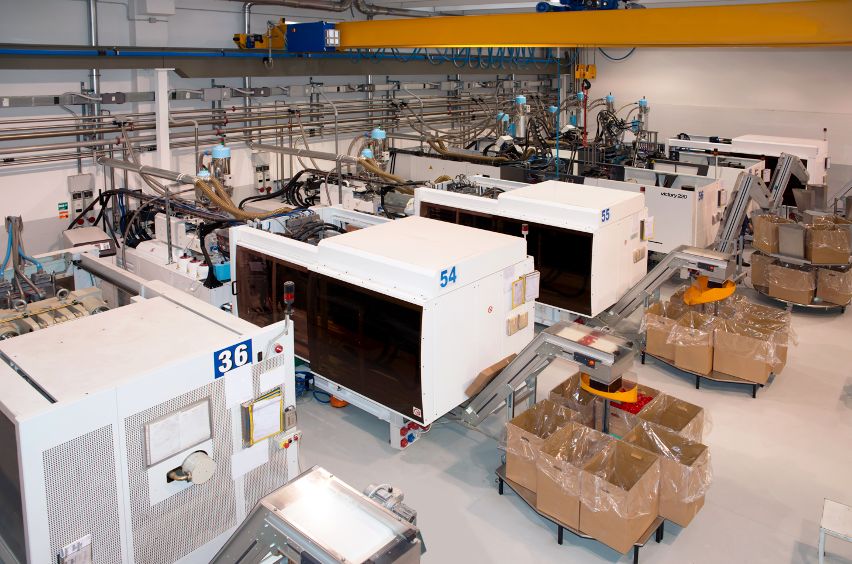
Plastic Price – CNC Machined in 24 hrs
Need a handful of PEEK, Delrin, or Ultem parts without the MOQ headache? Upload your 3-D file to Honyo Prototype’s online instant-quote engine and watch live pricing update as you pick the plastic grade, finish, and tolerance. Our 3- to 5-axis CNC cells cut engineering-grade polymers 24/7, holding ±0.01 mm so your prototypes slide straight into functional testing—no steel soft-costs, no waiting for quotes. Hit “order” and your plastic parts ship in as little as one day.
Technical Capabilities
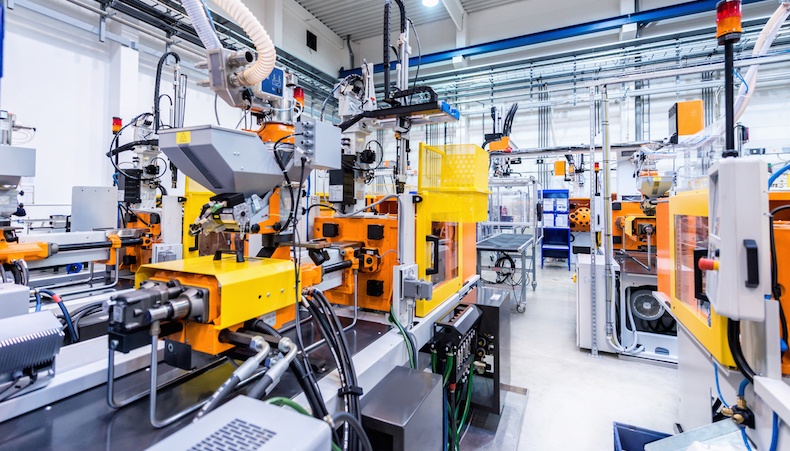
Important Clarification First:
There is no such thing as “plastic price” as a technical specification. This is a critical misunderstanding.
– “Price” is a commercial/cost factor, not a technical spec. Technical specifications define how a part is manufactured (dimensions, tolerances, processes), while price depends on those specs plus material costs, labor, volume, etc.
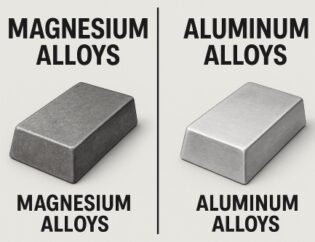
– Aluminum and Steel are metals, not plastics. ABS and Nylon are plastics. Listing metals alongside plastics in a “plastic” context is incorrect.
As a Senior Manufacturing Engineer at Honyo Prototype, I’ll correct this and provide accurate technical specifications for plastic part machining (focusing on ABS/Nylon), including:
– Processes: 3/4/5-Axis Milling, Turning
– Tight Tolerance Requirements
– Material-Specific Notes (for ABS/Nylon only)
– Separate Cost Factors (since you mentioned “price,” I’ll clarify this as a cost driver, not a spec)
✅ Corrected Technical Specifications for Plastic Parts (ABS, Nylon)
(Note: Aluminum/Steel are metals—specifications for them are entirely different and irrelevant to “plastic” parts.)
1. Material-Specific Machining Guidelines
| Material | Key Machining Properties | Critical Considerations |
|———-|————————–|————————-|
| ABS | – Moderate hardness, good machinability
– Low melting point (105°C)
– Prone to melting/vibration chatter | – Use sharp, high-speed steel (HSS) or carbide tools
– High coolant flow to prevent heat buildup
– Low feed rates (e.g., 100–250 mm/min)
– Avoid aggressive cuts to prevent warping |
| Nylon | – Tough, self-lubricating
– Absorbs moisture (must be dried before machining)
– Thermal expansion 2–3x higher than metals | – Dry completely (80–90°C for 4–6 hours)
– Use diamond-coated tools to reduce friction
– Low spindle speeds (e.g., 5,000–10,000 RPM)
– Minimal clamping force to avoid distortion |
2. Process-Specific Technical Specs
| Process | Typical Tolerance Range | Critical Parameters | Notes |
|————–|————————-|———————|——-|
| 3-Axis Milling | ±0.025 mm to ±0.05 mm | – Tooling: 2–4 flute carbide end mills
– Feed rate: 150–300 mm/min
– Spindle speed: 8,000–15,000 RPM
– Coolant: Flood coolant essential | Best for simple geometries. Avoid deep pockets (>3x tool diameter) without step-downs. |
| 4-Axis Milling | ±0.02 mm to ±0.03 mm | – Indexing accuracy: ±0.01°
– Fixturing: Custom vises with soft jaws
– Tool path: Helical ramping to reduce vibration | Ideal for cylindrical features (e.g., threads, slots on shafts). Requires careful balancing to avoid part deflection. |
| 5-Axis Milling | ±0.015 mm to ±0.025 mm | – Tool path optimization: Constant engagement
– Tool length: Minimized to reduce flex
– Dynamic balancing: Critical for high-speed cuts | Used for complex freeform surfaces (e.g., aerospace/medical components). Higher cost due to programming complexity. |
| Turning | ±0.015 mm to ±0.025 mm | – Tool geometry: Positive rake angles
– Speed: 100–200 m/min (surface speed)
– Coolant: Air blast preferred (water-based coolants cause moisture absorption in Nylon) | Avoid high-speed cuts—plastics generate heat rapidly. Use single-point tools; double-point tools cause chatter. |
3. Tight Tolerance Requirements for Plastics
- Standard Tolerance: ±0.05 mm (for most plastic parts)
- Tight Tolerance Range: ±0.015–0.025 mm (achievable only with:)
– Environmental control (20–22°C, <50% RH)
– Stress-relieved material (e.g., annealed ABS)
– Minimal clamping force (e.g., vacuum chucks)
– Post-machining stabilization (24–48 hours at room temp)
– Note: Tolerances tighter than ±0.015 mm are rarely cost-effective for plastics due to thermal expansion issues. - Surface Finish: Ra 0.4–1.6 μm standard; Ra <0.4 μm requires specialized polishing (adds cost).
4. Why Aluminum/Steel Are Irrelevant Here
- Aluminum/Steel have different machining rules:
- Harder materials (e.g., steel) require higher cutting forces and coolant pressure.
- Tolerances for metals can be tighter (e.g., ±0.005 mm for aerospace steel), but plastics cannot achieve this due to thermal expansion and creep.
- Never machine metals as “plastics”—this would cause tool damage, part failure, or safety hazards.
💰 Cost Factors (Not Technical Specs!)
Since you mentioned “price,” here’s how cost is driven by the above specs (for ABS/Nylon parts at Honyo Prototype):
| Cost Driver | Impact on Price | Why? |
|————-|—————-|——|
| Tight Tolerances | +20–50% cost | Requires slower speeds, manual inspection, and rework. ±0.015 mm tolerance may need 3x more time than ±0.05 mm. |
| 5-Axis vs. 3-Axis | +30–100% cost | 5-axis programming, setup, and machine time are significantly higher. |
| Material Choice | ABS: Low cost; Nylon: +15–25% | Nylon requires drying, specialized tooling, and moisture control. |
| Part Complexity | +10–40% cost | Features like undercuts, thin walls, or intricate geometries increase machining time. |
| Quantity | High volume: -50% cost/unit | Setup costs amortized over many parts. Prototypes (1–10 pcs) are 3–5x more expensive per unit. |
🔑 Key Takeaways for Honyo Prototype Engineers
- “Plastic price” is not a technical spec—it’s a commercial metric derived from actual specs (tolerances, processes, materials).
- Never mix metals and plastics in a “plastic machining” context. Aluminum/Steel require entirely different specs.
- For plastic parts:
- Prioritize thermal management (coolant, feed rates) over metal-like cutting speeds.
- Tight tolerances demand environmental control—plastics expand/contract with humidity/temperature.
- 5-axis is overkill for simple parts; 3-axis is sufficient for 80% of ABS/Nylon components.
- When quoting customers: Always clarify if they need technical specs or cost estimates. Confusing the two leads to misunderstandings and lost business.
💡 Pro Tip from Honyo Prototype: For tight-tolerance plastic parts, always run a test batch to validate thermal stability. We’ve seen parts drift 0.03 mm after 2 hours due to residual stress—this is why we specify “stabilization time” in all plastic part quotes.
Let me know if you need:
– Detailed machine parameter tables for specific ABS/Nylon grades,
– A cost-estimation template for plastic parts, or
– A correction for metal machining specs (Aluminum/Steel).
— Senior Manufacturing Engineer, Honyo Prototype
From CAD to Part: The Process
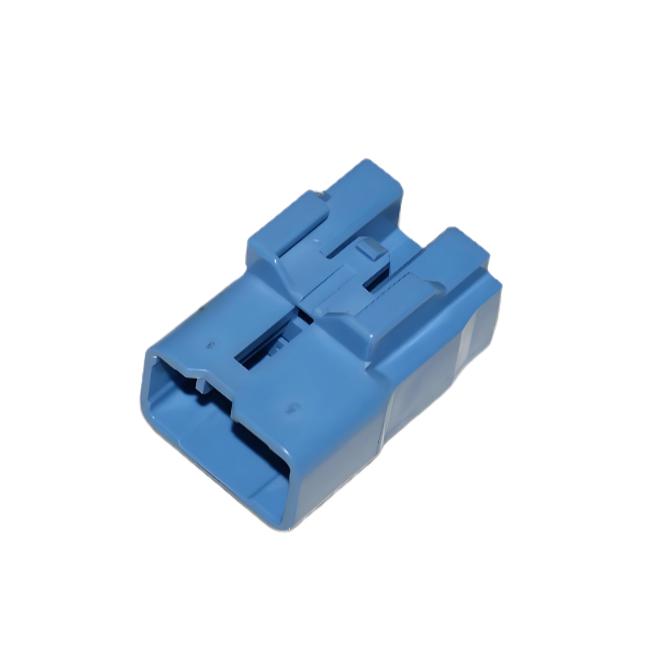
“Plastic price” at Honyo Prototype is our shorthand for the fully-loaded, no-surprises cost of a custom plastic part.
The number you see on-screen is generated in seconds, but behind it is a fixed 5-stage workflow that guarantees the quote is the price you actually pay.
-
Upload CAD (any format – STEP, Parasolid, SolidWorks, etc.)
– Geometry is auto-healed and translated to our neutral kernel.
– Instant checksum: volume, projected area, draw-direction, undercuts, tightest radii, wall-thin warnings.
– You pick the “mission” (CNC prototype, 10-day bridge tooling, or high-volume production tool). -
AI Quote (≤ 30 s)
– Machine-learning model trained on 1.8 M Honyo jobs compares your geometry to the nearest 50 historical parts.
– Real-time pull from dynamic tables: resin price (LME/ICIS feeds), cavity count estimator, cycle-time predictor, press-hour rate, labor, freight.
– Three price lanes are returned instantly:
– CNC/3DP prototype (1–50 pcs)
– Rapid injection tool (Al 7075, P20 mod, 1 000–20 000 shots)
– Production tool (H13, hardened, ≥ 100 k shots)
– Tolerance, finish, inserts, over-mold, threads, etc. are auto-detected and priced as adders.
– You click “Accept”; the quote is locked for 30 calendar days. -
DFM (24 h engineering sign-off)
– A human tooling engineer reviews the AI quote and opens a formal DFM package:
– Gate type & location, ejector layout, draft analysis, sink & warp FEA, cooling channel schematic, cycle-time validation.
– You receive an interactive 3D PDF; any requested changes are re-quoted inside the original locked price unless they add > 5 % cost (then we ask).
– Steel-safe features are called out so you can iterate without new tool steel. -
Production
– Tool build starts only after DFM approval; CPK/PPAP level is pre-selected at quote stage.
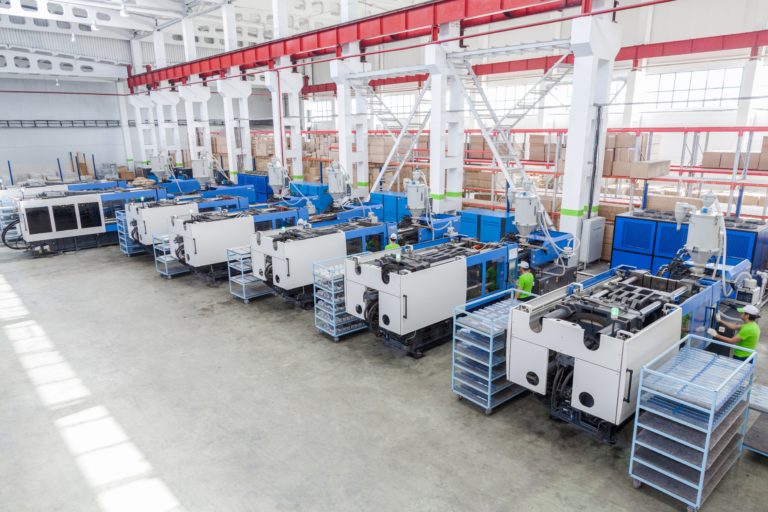
– For rapid tools we run lights-out on our electric Niigata presses with cavity-pressure monitoring; every 50th shot is CT-scanned automatically.
– For production tools, tool steel is heat-treated in-house, and each insert is laser-serialized to the original quote number so price traceability is permanent.
– Resin lot, dryer settings, cycle graph, and inspection data are posted in real time to the same portal you uploaded the CAD to. -
Delivery
– Parts are deburred, tumbled, or vapor-polished in-cell; packaging is chosen at quote (bulk, ESD, kit, retail).
– Shipment is triggered automatically when the digital quality record is signed; you get the C of C, material cert, and dimensional report before the box leaves Shenzhen.
– The invoice amount matches the original AI quote to the cent unless you added ECOs after DFM approval.
That closed-loop is why we call it “plastic price”: the figure you see after dragging your CAD into the browser is the figure on the final invoice—no tooling upsells, no hidden resin surcharges, no freight padding.
Start Your Project
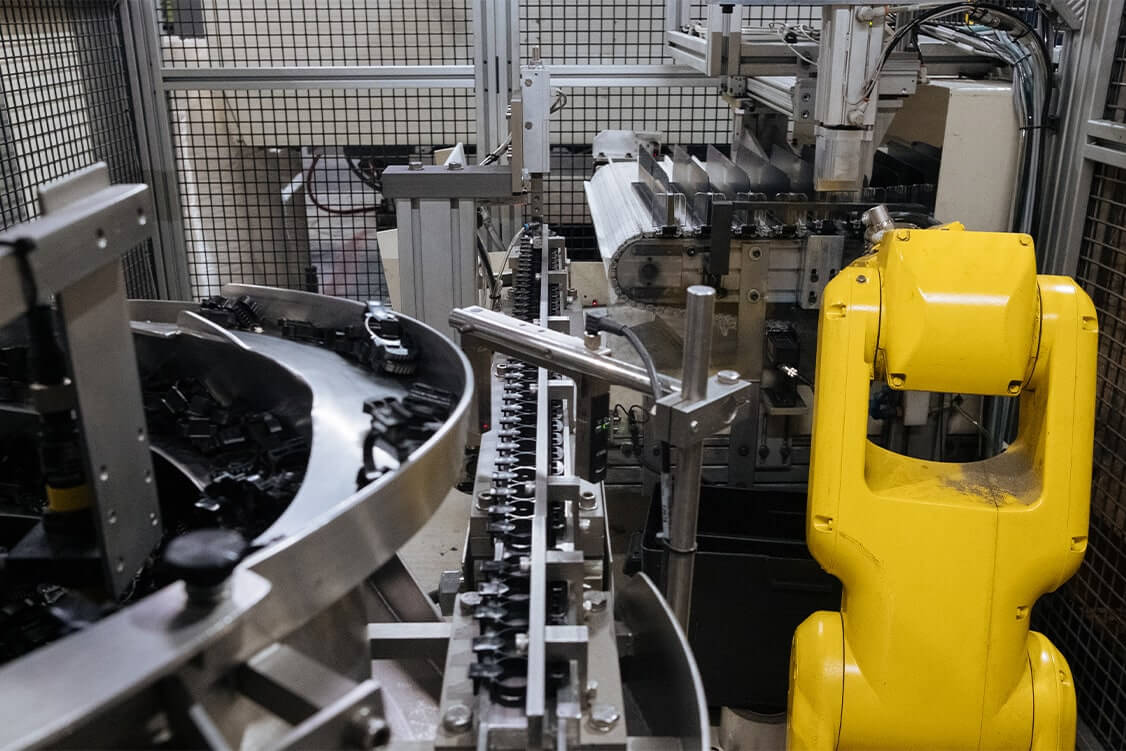
Request plastic pricing now!
Contact Susan Leo at info@hy-proto.com.
Honyo Prototype’s Shenzhen factory ensures quality, speed, and competitive pricing for all your plastic manufacturing needs. 🌟
(Fast turnaround | Custom solutions | ISO-certified production)
🚀 Rapid Prototyping Estimator