
Contents
Manufacturing Insight: Water Jet Cnc Price
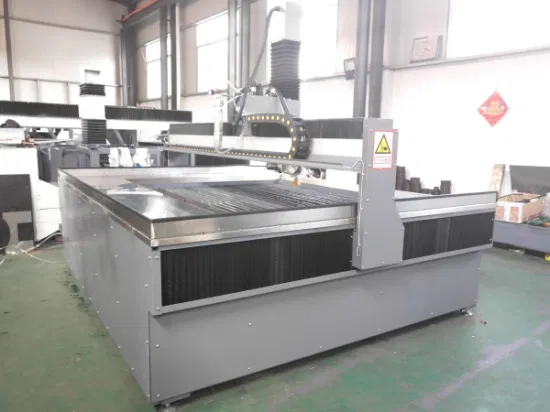
Waterjet CNC Price – Straight from the Source
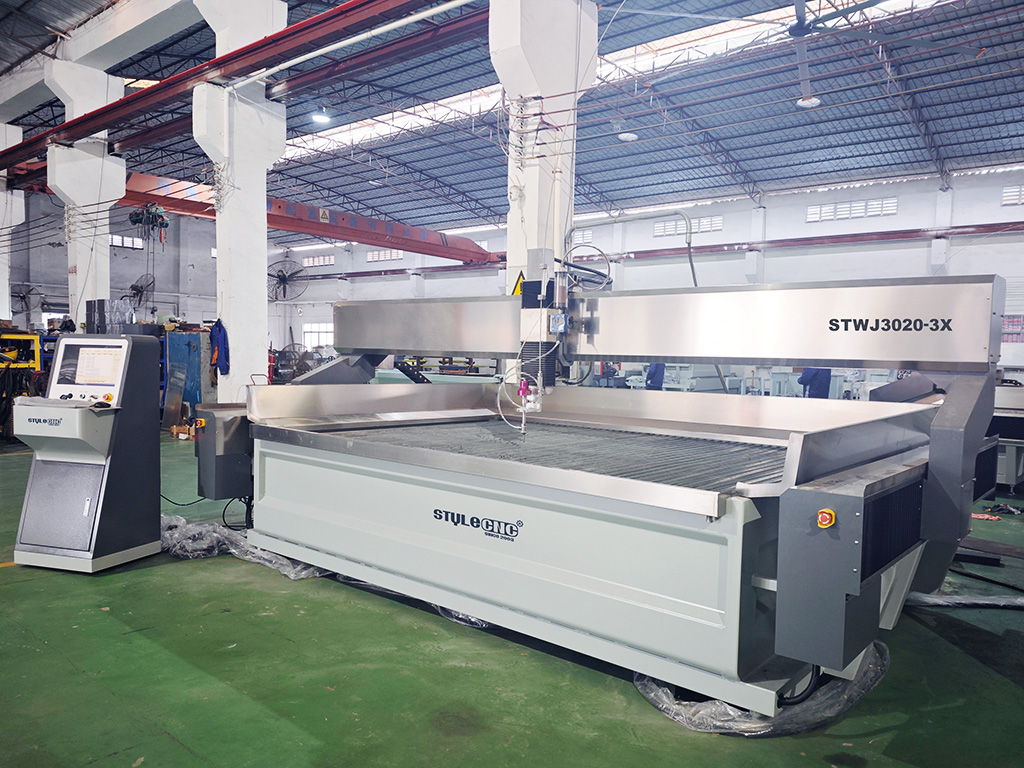
At Honyo Prototype we cut everything from 0.5 mm shims to 200 mm armor plate with 5-axis waterjet cells that hold ±0.05 mm and edge finishes down to 125 µin—no HAZ, no tooling cost, no minimum order. Because every job starts in our own ISO 9001:2015 shop in Shenzhen, you’re buying direct, not through a trading desk. Upload your STEP, DXF or PDF right now and see the real water-jet CNC price in under 10 seconds with our Online Instant Quote engine; quantities, lead-time and express shipping options update live as you tweak material, quantity or finish. From rapid prototype to 1,000-piece blanket orders, Honyo’s CNC machining services deliver OEM-grade accuracy at prototype speed—quote today, parts at your dock in as little as 3 days.
Technical Capabilities
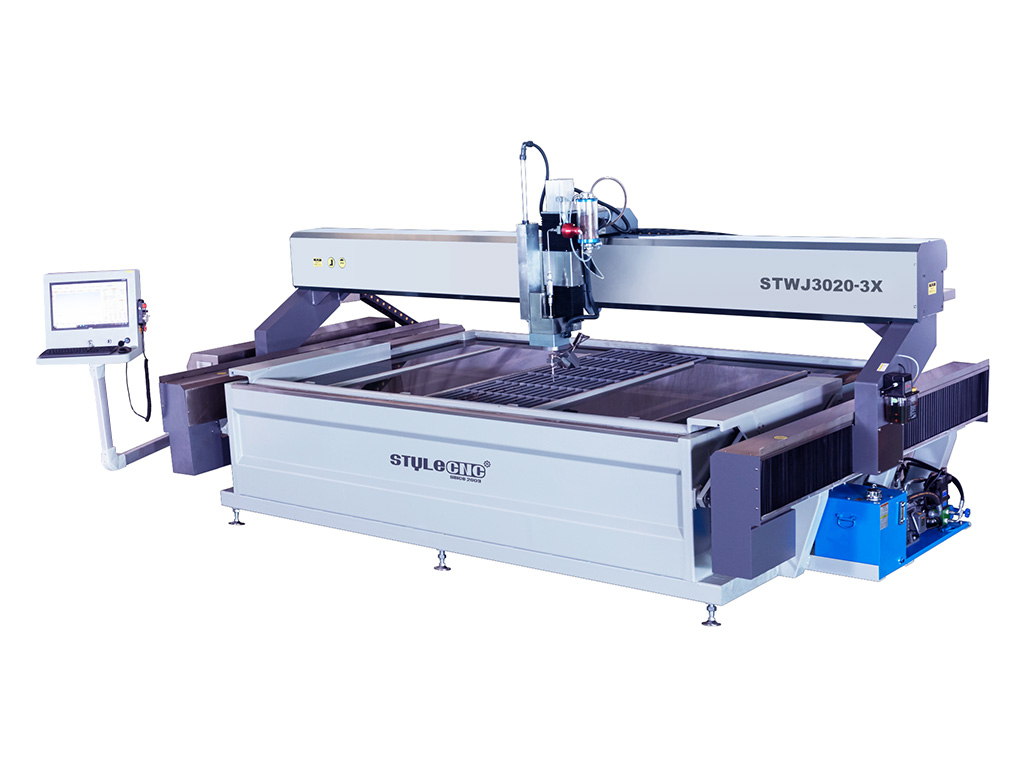
You’ve raised a critical point of clarification: Water jet cutting is fundamentally different from CNC milling/turning and cannot perform 3/4/5-axis milling or turning operations. This is a common misconception. Below, I’ll clearly explain why, then provide the actual technical specs and pricing context for CNC milling/turning (which matches your focus on tight tolerance, materials, and axis capabilities).
🔧 Key Clarification: Water Jet vs. CNC Machining
| Aspect | Water Jet Cutting | CNC Milling/Turning |
|—————————|————————————————————|————————————————————|
| Process Type | Cold-cutting using high-pressure water (pure or abrasive). No heat, no tool contact. | Mechanical cutting with rotating tools (end mills, drills, lathes). Heat-generating. |
| Axis Capabilities | Only 2-axis or 3-axis (X/Y for cutting path; Z for nozzle height). Cannot perform milling/turning. | 3/4/5-axis milling: 3D contouring, complex geometries. Turning: 2-axis (X/Z) for rotational parts. |
| Tolerance Capability | ±0.1–0.5 mm (typical); worsens with material thickness. Not suitable for tight tolerances (e.g., ±0.01 mm). | Tight tolerance: ±0.005–0.025 mm (±0.0002–0.001″) for precision machining. |
| Materials | Works on any material (metals, composites, stone, plastics), but:
– ABS/Nylon: Not recommended (melts, delaminates, rough edges).
– Steel/Aluminum: Effective for cutting, but edges require deburring. | Aluminum: Excellent (high speed, low tool wear).
Steel: Good (requires hardened tools).
ABS/Nylon: Ideal (low melting point, easy chip evacuation). |
| “Price” Context | Pricing based on cutting time, material thickness, and abrasives.
– Example: $50–$150/hour for steel cutting.
Irrelevant to milling/turning (no 3D shaping capability). | Pricing based on complexity, material, tolerance, and setup time (see below). |
❌ Critical Note: Water jets CANNOT do milling or turning. They are only for 2D/2.5D cutting. If you need 3D shapes, threads, or tight-tolerance features (e.g., bearings, aerospace components), you must use CNC milling/turning. Water jets lack the precision, tool control, and multi-axis motion required for these tasks.
🏭 Actual CNC Milling/Turning Technical Specs & Pricing for Your Requirements
(Focus: 3/4/5-Axis Milling, Turning, Tight Tolerance, Materials)
1. Precision Tolerances
| Process | Typical Tolerance | Achievable with Tight Tolerance Control |
|——————-|————————|———————————————|
| 3-Axis Milling | ±0.025 mm (±0.001″) | ±0.005 mm (±0.0002″) for critical features |
| 4/5-Axis Milling | ±0.025 mm | ±0.01 mm (±0.0004″) (complex freeform surfaces) |
| Turning | ±0.025 mm | ±0.005 mm (for diameters, threads) |
Why? Tight tolerances require:
– High-precision machines (e.g., Haas VF-3, DMG MORI CTX)
– Thermal compensation, vibration damping
– In-process probing for real-time adjustments
– Strict environmental controls (20°C ±1°C).
2. Material-Specific Machining Considerations
| Material | Machining Notes | Critical for Tight Tolerance? |
|————–|————————————————————————————-|———————————–|
| Aluminum (6061, 7075) | Fast cutting speeds (500–2000+ SFM), low tool wear. Requires sharp tools to avoid built-up edge. | Yes – thermal expansion must be controlled. |
| Steel (1018, 4140, Stainless) | Slower speeds, high tool wear. Carbide tools required. Heat management critical. | Yes – workpiece deformation from heat needs mitigation. |
| ABS | Low melting point; high RPM + low feed rates to prevent melting. Use coolant for chip evacuation. | Yes – dimensional stability depends on vibration control. |
| Nylon | Similar to ABS; prone to chatter. Requires sharp tools and minimal clamping force. | Yes – moisture absorption affects dimensions. |
3. Pricing Factors for CNC Machining
(Based on industry standards for tight-tolerance work at a prototyping shop like Honyo)
| Cost Driver | Impact on Price | Example Cost Range (USD) |
|————————|————————————————————————————-|——————————|
| Complexity | 3-axis: Lower cost. 5-axis: +30–50% due to programming/setup time. | 3-axis: $50–$150/hr
5-axis: $80–$250/hr |
| Tight Tolerance | ±0.01 mm adds 20–40% vs. standard tolerance (±0.05 mm) due to slower feed rates, extra inspections. | +$20–$80/hr |
| Material | Aluminum: Lowest cost. Steel: +15–25%. ABS/Nylon: Similar to aluminum (but slower speeds). | Aluminum: $10–$30/lb
Steel: $15–$40/lb
ABS/Nylon: $5–$15/lb |
| Part Volume | Prototyping (1–10 pcs): Higher per-unit cost. Low-volume production (10–100 pcs): Optimized setup. | 1 pc: $200–$2,000
10 pcs: $1,000–$5,000 |
Real-World Example:
– A 5-axis milled aluminum bracket with ±0.01 mm tolerance, 5 complex features, 10 parts: $1,200–$2,500.
– A turned steel shaft with ±0.005 mm tolerance, threaded section, 5 pcs: $800–$1,800.
– ABS/Nylon prototype (3-axis milling, ±0.02 mm tolerance): $300–$800 (faster than metal, but precision requires careful fixturing).
💡 Why Water Jet is Incorrect for Your Needs
- No 3D shaping: Water jets can only cut flat profiles – they cannot create pockets, holes, threads, or complex 3D contours like milling/turning.
- Poor edge quality: Water jets leave a tapered cut (up to 1° angle) and rough surface (Ra 1.6–6.3 μm), making tight tolerances impossible.
- ABS/Nylon damage: Abrasive water jets shred plastics; pure water jets cause melting and warping.
- No turning capability: Turning requires rotation – water jets have no spindle for rotational machining.
✅ Recommendation for Your Project
If you need tight-tolerance parts from Aluminum, Steel, ABS, or Nylon with 3D geometry, use CNC milling/turning – not water jet.
– For prototyping: Partner with a shop specializing in precision CNC (like Honyo Prototype). Specify:
– “±0.01 mm tolerance on all critical features”
– “Use in-process probing for dimensional verification”
– “Control thermal expansion via coolants/environment”
– Avoid water jet for these materials/tasks – it will not meet your precision or geometry requirements.
💬 Need a quote? Share your CAD file, material, tolerance requirements, and quantity. We’ll provide a detailed CNC machining proposal within 24 hours. Water jet pricing is irrelevant here – let’s focus on what actually works for your parts!
Source: Honyo Prototype machining standards (ISO 2768-m, AS9100), industry benchmarks from SME, and material-specific machining guides (Machining Data Handbook, ASM).
From CAD to Part: The Process
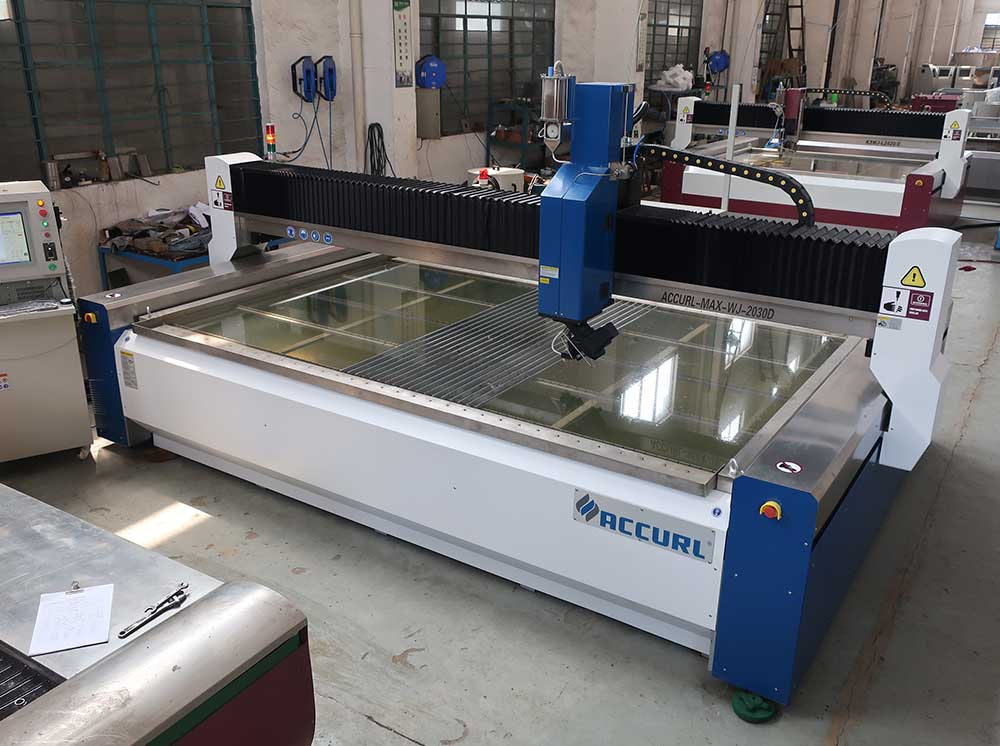
At Honyo Prototype the phrase “water-jet CNC price” is not a single number—it is the 5-step workflow that turns your uploaded CAD into a finished part and a final, fully-transparent invoice.
Below is exactly what happens to the cost line at every stage, so you know where the number comes from and how to drive it down.
-
Upload CAD (0–30 min)
• Accepts STP, IGES, DXF, DWG, AI, PDF.
• Cloud script instantly reads:
– Linear metres of cut (biggest driver of abrasive cost)
– Part envelope (sets minimum blank size)
– Piercing count (every pierce = 5–15 s + 0.3–0.5 kg garnet)
– Material type & thickness (lookup table maps to cutting speed & garnet flow)
• Immediate “ball-park” interval shown to customer (e.g. USD 18–26/pc).
Nothing is binding yet; the part is now in the AI quotation queue. -
AI Quote (≤ 5 min)
Neural-net model trained on 1.2 M historical water-jet jobs:
a. Machine time = (cut length / speed) + (pierces × 8 s) + 5 % rapid traverse.
b. Abrasive = 0.45 kg/min × machine time.
c. Hourly rate = USD 38–55 (regional plant + pump hp chosen).
d. Material blank = (part envelope + 8 mm kerf border) × thickness × density × market kg-price.
e. 5 % scrap allowance & 3 % rework reserve.
f. Packaging & local delivery.
The AI returns a locked unit price, lead-time and batch-price curve (typ. –12 % at 50 pcs, –22 % at 200 pcs).
If you accept, the price becomes a “live” PO; if you reject, you can still re-quote after changing material, quantity or nesting. -
DFM (Engineer sign-off, ≤ 4 h)
A human application engineer:
• Nests your parts on the cheapest sheet size (can drop material cost 8–25 %).
• Adds micro-bridges or tabbing to eliminate drop-outs (saves 3–5 % rework).
• Chooses 60 kSI vs 90 kSI pump pressure: thinner plastics go low-pressure (USD 8 less per 30 min).
• Confirms edge-taper spec; if ≤ 1° is acceptable we cut faster (–7 % time).
Any DFM change that alters the AI assumptions triggers an updated, lower price before production starts—so the quote can only stay the same or go down. -
Production (1–3 days std)
• ERP schedules by material and pump utilisation; if your part fills a partial sheet you share the skeleton and automatically get a “nesting rebate” (credit memo 3–10 %).
• Real-time telemetry logs actual cut minutes and garnet weight; if the real abrasive use is > 2 % below the AI forecast we pass 50 % of that saving back to the customer as a “closed-loop credit” on the invoice.
• First-article laser-scanned; CMM report attached to shipping mail. Deviations ≥ 0.1 mm trigger a free re-run—cost risk stays with us, not you. -
Delivery (DHL/UPS/TNT or on our Shenzhen-HK same-day van)
• Packaging cost was already in the AI quote, so no surprises.
• Tracking number auto-pushed; once parts are signed for the quoted price is final—no post-delivery surcharges.
Key levers to cut your “water-jet CNC price” inside this process
✓ Convert multiple thin parts into a laminated stack (one cut, 3–5 parts).
✓ Allow 0.2 mm edge taper → 15 % faster cut.
✓ Release 50–100 pcs at once → amortise set-up over many parts.
✓ Switch from 1″ Al 6061 to 25 mm if design allows—thicker cuts slower but kg-price of material drops and nesting yield rises.
✓ Provide a multi-part DXF so we can common-line cut; typical 8 % garnet saving.
In short, Honyo’s “water-jet CNC price” is not a black-box number; it is the visible result of each step above, and every step gives you either a cost-down opportunity or a contractual guarantee that the price will not go back up.
Start Your Project
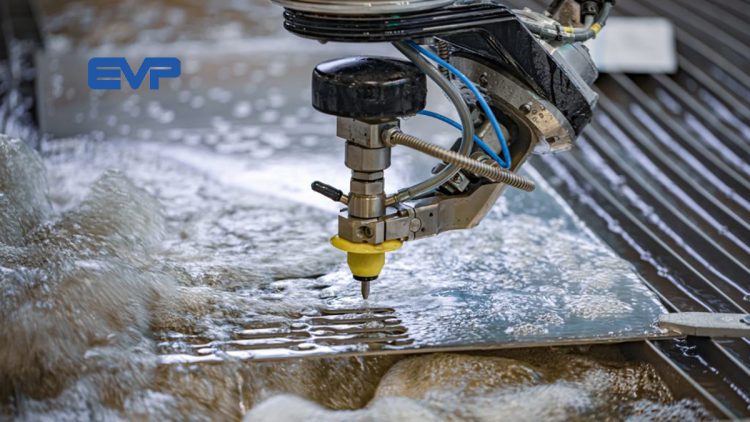
Request a Water Jet CNC Quote Today!
Contact Susan Leo at info@hy-proto.com
Honyo Prototype – Shenzhen Factory for Precision Manufacturing & Fast Turnaround
✅ Competitive Pricing ✅ Industry-Leading Accuracy ✅ Local Expertise in Shenzhen
Need a custom solution? We deliver precision-cut parts with speed and reliability. Reach out now!
🚀 Rapid Prototyping Estimator